Source Veterinary Orthopedic Instrument Set for Surgery, Trauma, and Repair
Find 30 verified options for the Veterinary Orthopedic Instrument Set, including external fixation and basic surgical tools. Buyers can compare specifications, certifications, and pricing from multiple suppliers to select the right equipment for their clinic; compare the available evidence and request quotations based on your requirements.
Key considerations
Products List


Veterinary Instrument Set Pgr Instrument Set Orthopedic Instrument Set
$2600.00 - $2800.00
MOQ: 1 Pieces


Orthopedic Instrument Veterinary Trauma Instrument Veterinary Basic Instruments
$850.00 - $870.00
MOQ: 1 Pieces

Veterinary Orthopedic Medical Instrument Basic Equipment Instruments Surgical Instruments
$850.00 - $870.00
MOQ: 1 Pieces


Veterinary Orthopedic Surgical Instruments Veterinary Plate Set Instrument Set
$1424.05 - $1499.00
MOQ: 1 Sets

Direct Sales Price Veterinary Plate Set Veterinary Orthopedic Instruments Set
$1377.00 - $1449.00
MOQ: 1 Pieces


Veterinary Orthopedic Instruments Set for 1.5/2.0/2.4/2.7/3.5mm Locking Plate
$1080.00 - $1200.00
MOQ: 1 Pieces


Orthopedic Surgery Cervical Cage Instrument Set Anterior Cervical Instrument Set
$850.00 - $2000.00
MOQ: 1 Pieces


Vet Medical Small Animal Pets Surgical Instruments Set Veterinary Orthopedic Surgical Instruments
$2179.00 - $2724.00
MOQ: 1 Pieces

Veterinary Surgical Equipment Orthopedic Instrument Set Model: Sk-B2 (25PCS)
$450.00 - $750.00
MOQ: 1 Pieces

Comprehensive Sourcing Guide
Veterinary Orthopedic Instrument Set Sourcing Guide
Procuring specialized veterinary orthopedic instrument sets requires a disciplined approach to align technical capabilities with clinical workflows. Buyers must first define the specific surgical procedures, such as fracture fixation or joint stabilization, to ensure the selected tools match the intended anatomical targets. The market offers various configurations, including basic sets for general practice and advanced systems for complex reconstructive surgeries. Understanding these distinctions prevents the acquisition of redundant or insufficient tooling that could compromise surgical efficiency.
The sourcing landscape is characterized by a wide range of product classifications, from Class II to Class III devices, which dictates the regulatory scrutiny required for import and use. Buyers should evaluate whether the instruments are designed for reusable sterilization or single-use applications, as this decision impacts long-term operational costs and infection control protocols. Establishing clear requirements for instrument classification and usage frequency early in the sourcing process ensures that the final selection meets both clinical standards and facility safety policies.
Product Scope and Observed Listing Signals
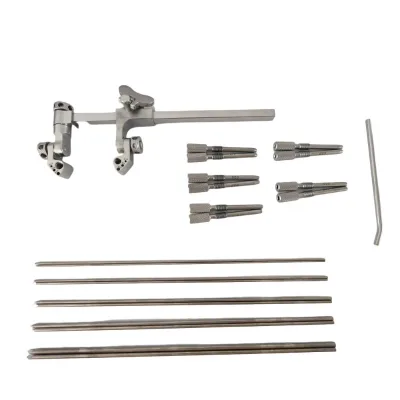
Market listings for veterinary orthopedic sets reveal a diverse array of product models, including specific designations like ALPS 2.4, PGR Instrument Set, and External Fixation Sets. These models often cater to distinct surgical needs, ranging from basic orthopedic procedures to more intricate fixation techniques. Buyers should carefully review the model numbers and associated descriptions to verify that the set includes all necessary components for their specific surgical repertoire, avoiding gaps in tool availability during critical procedures.
Observed listing signals indicate that products are typically packaged in protective boxes, bubble film, or PE film to prevent damage during transit. The physical attributes of these sets, such as weight and color, vary, with some items weighing around 5kg and featuring black or blue finishes. These packaging and physical details are critical for logistics planning, as they influence shipping costs and storage requirements. Buyers must confirm the exact contents and packaging standards to ensure the instruments arrive in pristine condition, ready for immediate clinical deployment.
Technical Specifications to Verify
The material composition of veterinary orthopedic instruments is predominantly steel, chosen for its durability, corrosion resistance, and ability to withstand repeated sterilization cycles. Buyers should verify the specific grade of steel used, as higher-quality alloys offer better longevity and performance under stress. Additionally, the manufacturing process, often involving CNC machining, ensures precision in tool geometry, which is essential for accurate surgical outcomes. Confirming these technical specifications helps buyers assess the long-term reliability and performance of the instruments.
Instrument classification is a critical technical parameter, with products ranging from Class II to Class III devices. This classification reflects the risk level and regulatory control associated with each instrument, influencing how they are handled, stored, and used in clinical settings. Buyers must ensure that the selected instruments match the intended application, whether for general orthopedic procedures or specialized veterinary surgeries. Verifying these classifications prevents regulatory mismatches and ensures that the tools meet the necessary safety and efficacy standards for their intended use.
Compliance and Safety Documentation
Regulatory compliance is paramount when sourcing veterinary orthopedic instruments, with certifications such as CE and ISO 13485 serving as key indicators of quality and safety. Buyers should request and verify these certifications to ensure that the manufacturer adheres to recognized international standards for medical device production. The presence of additional certifications, such as TUV, can further validate the product's compliance with specific regional or industry requirements. Ensuring proper documentation is essential for maintaining legal and ethical standards in veterinary practice.
Safety documentation also includes detailed instructions for use, sterilization protocols, and maintenance guidelines. Buyers must confirm that these documents are provided in a language accessible to their clinical staff and that they align with local regulatory requirements. Proper documentation ensures that instruments are used correctly, reducing the risk of surgical errors and instrument failure. Buyers should also verify the warranty terms, typically offering one year of coverage, to protect against manufacturing defects and ensure long-term support from the supplier.
Cost Drivers and Commercial Terms
The cost of veterinary orthopedic instrument sets is influenced by several factors, including the complexity of the design, the quality of materials, and the level of customization available. Buyers should consider the total cost of ownership, which includes not only the initial purchase price but also maintenance, sterilization, and replacement costs. Understanding these cost drivers helps buyers make informed decisions that balance quality with budgetary constraints, ensuring sustainable procurement practices.
Commercial terms such as minimum order quantities (MOQ) and delivery times also play a significant role in the sourcing process. Listings indicate MOQs ranging from one piece to one set, with delivery times typically within three to five working days for ready goods. Buyers should negotiate these terms to align with their inventory management strategies and clinical demand. Flexible commercial terms can enhance supply chain resilience, allowing for timely procurement of instruments as needed without excessive stockpiling.
Supplier Qualification and Quality Control
Supplier qualification is a critical step in ensuring the reliability and consistency of veterinary orthopedic instrument sets. Buyers should assess the manufacturer's production capabilities, quality control processes, and track record in the medical device industry. Verification of manufacturing processes, such as CNC machining, and adherence to quality standards like ISO 13485, are essential indicators of a supplier's commitment to quality. A thorough supplier evaluation helps mitigate risks associated with product defects and supply chain disruptions.
Quality control measures should extend beyond the initial purchase to include ongoing monitoring of product performance and supplier responsiveness. Buyers should establish clear communication channels with suppliers to address any issues promptly and ensure continuous improvement. Regular audits and feedback loops can help maintain high standards of product quality and service. By prioritizing supplier qualification and quality control, buyers can build a robust supply chain that supports their clinical operations and patient care goals.
Long-Term Procurement Checks
Long-term procurement checks involve regular reviews of instrument performance, supplier reliability, and market trends. Buyers should monitor the durability and functionality of the instruments over time, noting any issues related to wear, corrosion, or performance degradation. This ongoing assessment helps identify potential problems early and allows for proactive maintenance or replacement. Regular reviews also ensure that the instruments continue to meet clinical needs and regulatory standards as practices evolve.
Market trends and technological advancements in veterinary orthopedics should also be monitored to ensure that the procurement strategy remains relevant and competitive. Buyers should stay informed about new instrument designs, materials, and sterilization techniques that could offer improved outcomes or cost savings. By maintaining a forward-looking procurement approach, buyers can adapt to changing clinical requirements and technological innovations, ensuring that their veterinary practice remains at the forefront of animal healthcare.
FAQs
What is included in a typical Veterinary Orthopedic Instrument Set?
A typical set covers the core instruments needed for fracture repair, such as pliers, screwdrivers, drills guides, plates, and screws, assembled for a specific procedure type. Sets may be configured as basic, external fixation, or plate-specific versions. Contents vary by model, so confirm the exact instrument list and quantity before ordering.
Can I order a single set or is there a minimum order quantity?
Single-set orders are generally accepted, with listed minimum order quantities ranging from one piece to ten pieces depending on the product. This makes trial purchases feasible for clinics evaluating new instruments. Customization options such as logo and packaging can often be arranged, but confirm these details with the supplier before placing your first order.
What is the usual delivery time and shipping method for these sets?
Ready goods are commonly delivered within three to five working days, with some listings guaranteeing shipment within five days. Shipping is typically arranged via international couriers such as DHL, UPS, FedEx, TNT, or EMS, and air cargo is available for larger consignments. Actual transit time depends on your destination and the courier service selected.
Which certifications should veterinary orthopedic instrument sets have?
Look for CE marking and ISO 13485 certification, which indicate conformity with medical device quality management requirements. Some listings also reference TUV certification. Always request copies of current certificates and verify that they cover the specific instrument set model you intend to purchase, since certification scope can differ between product lines.
What materials are used and are the instruments reusable?
Stainless steel is the standard material for these instrument sets, providing durability for clinical use. Many sets are designed to be reusable and can be sterilized between procedures, while some disposable items also exist in the category. Check each product listing for the reusability feature, material grade, and any care instructions before purchasing.
Can the instrument sets be customized with my brand or packaging?
Yes, customization is commonly available, including logo printing as requested and customized packaging services. OEM arrangements are generally accepted by listed suppliers. Customization usually affects price and lead time, so discuss your logo artwork, packaging preference, and quantity requirements with the supplier before confirming the order.