Source Veterinary Surgery Surgical Scissors for Burns, Neurosurgery, Orthopedic
Compare 30 listings of Veterinary Surgery Surgical Scissors designed for Burns, Neurosurgery, and Orthopedic applications. Buyers can review models like KD954 and KD970, check certifications such as CE and ISO 9001, and evaluate options for reusable or disposable instruments.
Key considerations
Products List


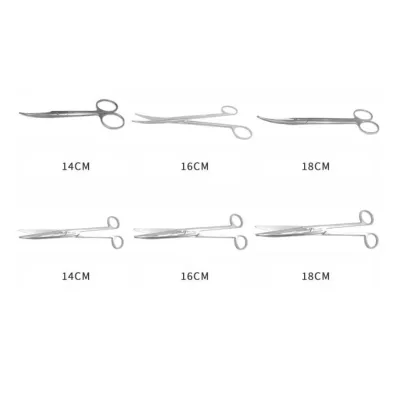


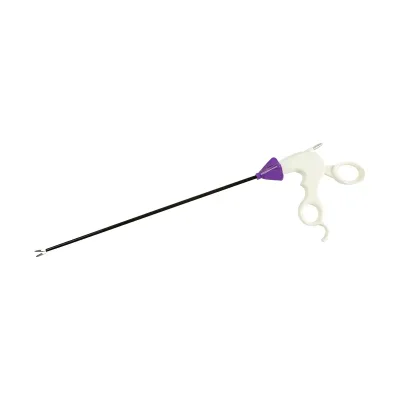


Broken Screws Orthopedic Screw Removal Surgical Veterinary Surgical Instruments
$745.00 - $749.00
MOQ: 1 Pieces


Comprehensive Sourcing Guide
Strategic Sourcing Guide for Veterinary Surgical Scissors
Understanding Product Categories and Technical Specifications
When sourcing veterinary surgical scissors, buyers must first distinguish between the specific operational requirements of the procedure and the material composition of the instrument. The market presents a diverse array of tools, ranging from manual operation apparatuses to specialized power tools, though the core keyword focuses on scissors. A critical observation in the current supply landscape is the variation in application scope. Some instruments are designed for general abdominal procedures, while others are engineered for high-precision tasks such as neurosurgery, microsurgery, and orthopedic interventions.
The physical specifications of these instruments are paramount for surgical efficacy. Buyers should verify the size parameters, as observed listings indicate standard dimensions including 14cm, 16cm, and 18cm. These measurements often correlate with the specific surgical field; for instance, smaller instruments are preferred for microsurgery, while larger variants may be utilized for abdominal or orthopedic applications. The material composition is another defining factor. High-quality surgical scissors are typically constructed from stainless steel to ensure durability and resistance to corrosion, although some listings indicate plastic variants for specific disposable applications. The finish of the instrument, often described as "Stainless Steel Color," is not merely aesthetic but indicates the underlying metallurgy required for sterilization and longevity.
Furthermore, the grip type is a significant ergonomic consideration. Instruments featuring an ergonomic grip are essential for reducing surgeon fatigue during prolonged procedures. The classification of these instruments also varies; while some are categorized under Class II medical devices, others may fall under different regulatory classifications depending on their intended use and risk profile. Buyers must ensure that the specific model number, such as KD954, KD970, or ED-SP, aligns with the surgical requirements of their veterinary practice. The distinction between reusable and disposable features is equally critical. Reusable instruments, often made of steel, offer long-term cost benefits but require rigorous sterilization protocols, whereas disposable options, sometimes made of plastic, eliminate cross-contamination risks but increase recurring operational costs.
Compliance, Certification, and Regulatory Standards
Navigating the regulatory landscape is a non-negotiable aspect of sourcing medical instruments. For veterinary surgical scissors, compliance with international quality management systems is a primary indicator of supplier reliability. The presence of ISO 9001 certification is a standard benchmark observed in the market, signifying that the manufacturer adheres to consistent quality management processes. Additionally, specific product certifications such as CE marking are frequently cited, indicating conformity with health, safety, and environmental protection standards for products sold within the European Economic Area.
Buyers must also scrutinize the "Quality Certification" and general "Certification" fields provided by suppliers. Some listings reference "ISOCE," which may imply a combination of ISO standards and CE compliance, though the exact interpretation requires verification with the supplier's documentation. It is imperative to understand that certification status is not a static attribute; it must be current and valid for the specific batch of goods being purchased. The classification of the instrument, such as "Class II," further dictates the level of regulatory scrutiny required. Class II devices generally present a moderate risk and often require a 510(k) clearance in the United States or similar regulatory approvals in other jurisdictions, depending on the destination market.
When evaluating suppliers, buyers should request proof of these certifications rather than relying solely on product page assertions. The origin of the product also plays a role in regulatory acceptance. Products originating from regions like Zhejiang, Guangdong, or Qingdao in China are common, but the specific factory location, such as Wangtan in Shaoxing, may influence the logistical chain and the ease of audit. Buyers should verify that the supplier's quality management system covers the entire production lifecycle, from raw material sourcing to final packaging. The "More Sizes" standard mentioned in some listings suggests flexibility in manufacturing, but this flexibility must not compromise adherence to established medical device standards.
Cost Drivers and Pricing Structures
The pricing of veterinary surgical scissors is influenced by a complex interplay of factors, including material costs, manufacturing complexity, and order volume. The observed price range in the market is extensive, spanning from $0.09 to $749. This vast disparity reflects the difference between single-use plastic instruments and high-end, reusable stainless steel surgical tools. The lower end of the spectrum typically corresponds to disposable items or basic models with minimal customization, while the higher end encompasses precision instruments with specialized coatings, ergonomic designs, and complex manufacturing processes.
Order Volume is a significant determinant of unit cost. The Minimum Order Quantity (MOQ) varies widely, ranging from 1 piece to 50,000 pieces. Suppliers often offer tiered pricing structures where the unit price decreases as the order volume increases. For veterinary practices or small clinics, an MOQ of 1 piece allows for trial purchases without significant capital outlay. However, for distributors or large hospital chains, negotiating an MOQ closer to the upper limit can yield substantial cost savings. Buyers should also consider the "Selling Units" configuration; some products are sold as single items, while others may be packaged in boxes of 10 or more, which affects the total cost calculation.
Additional cost drivers include the packaging requirements and shipping logistics. Premium packaging, such as wooden export packages, adds to the overall cost but ensures the safety of the instruments during transit. Conversely, standard box packaging is more economical. The "Delivery Time" of 7-15 days is a standard lead time observed in the market, but expedited shipping options via carriers like DHL, UPS, FedEx, EMS, or TNT Air Cargo will incur additional freight charges. Buyers must factor in these logistics costs when calculating the total landed cost. Furthermore, the "After-sale Service" component, such as the provision of free spare parts, can influence the perceived value and long-term cost of ownership. A higher initial price may be justified if it includes comprehensive support and warranty coverage.
Typical Applications and Clinical Utility
The utility of veterinary surgical scissors is defined by their specific application in various medical procedures. The market data indicates a broad spectrum of uses, including abdominal surgery, neurosurgery, microsurgery, orthopedic interventions, and burn treatment. Each application demands specific instrument characteristics. For instance, neurosurgery and microsurgery require instruments with extreme precision, fine tips, and often smaller sizes to operate in delicate anatomical spaces. In contrast, orthopedic and abdominal procedures may utilize larger, more robust scissors capable of cutting through tougher tissues or bone.
The distinction between reusable and disposable instruments is particularly relevant in different clinical settings. Disposable scissors, often made of plastic and labeled as "Feature: Disposable," are ideal for procedures where cross-contamination is a critical concern or where sterilization resources are limited. These are commonly used in high-volume, low-complexity surgeries or emergency scenarios. Reusable stainless steel scissors, on the other hand, are preferred for complex, high-value procedures where instrument durability and sharpness retention are paramount. The "Application" field in product specifications serves as a guide for matching the tool to the procedure, but buyers must verify that the specific model is suitable for the intended tissue type and surgical depth.
Furthermore, the "Type" of the instrument, such as "Surgical Scissors" or "Operation Apparatus," provides a baseline classification. However, the specific design features, such as the "Grip type" and "Color," also impact clinical utility. Ergonomic grips reduce hand strain, which is crucial during long surgeries. The color coding, such as "White&Black" or "Stainless Steel Color," can aid in instrument identification and organization within the operating room. Buyers should assess the specific needs of their veterinary team to determine whether a single type of scissors will suffice or if a diverse inventory covering multiple applications is necessary.
Supplier Evaluation and Geographic Considerations
Evaluating suppliers requires a holistic approach that goes beyond product specifications. The geographic origin of the manufacturer is a key factor in the supply chain. The majority of the observed products originate from China, with specific hubs in Zhejiang, Guangdong, and Qingdao. The detailed location, such as Wangtan, Shaoxing, Zhejiang, provides insight into the industrial cluster's capabilities. Suppliers in these regions often benefit from established supply chains for raw materials like steel and plastic, as well as a skilled workforce. However, buyers should verify the actual factory location to ensure it matches the claimed origin, as this impacts the ability to conduct on-site audits.
Supplier reliability is further assessed through their production capabilities and lead times. The "Process" and "Delivery Time" of 7-15 days suggest a relatively agile manufacturing process, but buyers should confirm if this is a standard lead time or an expedited option. The ability to customize products, indicated by the "Customization: Available" attribute, is a significant advantage for buyers seeking specific modifications. However, customization often extends lead times and may require higher MOQs. Buyers should also evaluate the supplier's commitment to quality through their "Quality Certification" and adherence to standards like ISO 9001.
Communication and after-sales support are critical components of supplier evaluation. Attributes such as "After-sale Service: Free Spare Parts" indicate a supplier's confidence in their product quality and their willingness to support the buyer post-purchase. Buyers should inquire about the supplier's response time to inquiries, their policy on defective goods, and their capacity to handle large orders. The "Single gross weight" and "Single package size" are also useful for logistics planning, ensuring that the supplier's packaging is optimized for shipping efficiency.
Quality Control and Long-Term Procurement Strategies
Ensuring consistent quality is the cornerstone of a successful procurement strategy for veterinary surgical scissors. Buyers must implement a robust quality control (QC) framework that includes pre-shipment inspections and post-delivery verification. Given the variation in materials, from plastic to stainless steel, and the diversity in finishes, QC checks should focus on dimensional accuracy, edge sharpness, and material integrity. The "Shelf Life" of 1 year for certain products highlights the importance of inventory management to prevent the use of expired instruments.
Long-term procurement considerations involve building a sustainable relationship with suppliers that prioritizes quality and reliability over the lowest unit price. Buyers should establish clear specifications for each order, including model numbers, sizes, and material requirements. Regular audits of the supplier's manufacturing process can help identify potential issues before they affect the product quality. Additionally, maintaining a diverse supplier base can mitigate risks associated with supply chain disruptions.
The "Standard" attributes, such as "3/5/10/12mm" or "14cm 16cm 18cm," should be strictly adhered to in procurement contracts to ensure consistency. Buyers should also consider the environmental impact of their procurement choices, particularly when selecting between reusable and disposable options. Reusable instruments, while requiring sterilization, may offer a lower long-term environmental footprint compared to single-use plastic alternatives. Finally, buyers should stay informed about evolving industry standards and regulatory changes to ensure their procurement practices remain compliant and competitive in the global market.
Comparative Analysis of Key Product Attributes
To facilitate informed decision-making, the following table summarizes the key attributes observed in the market for veterinary surgical scissors. This comparison highlights the diversity in specifications, certifications, and operational features available to buyers.
| Attribute Category | Observed Options | Key Considerations for Buyers |
|---|---|---|
| Material | Stainless Steel, Plastic | Steel for durability/reusability; Plastic for disposability/cost. |
| Size Range | 14cm, 16cm, 18cm | Match size to surgical depth and tissue type. |
| Certification | ISO 9001, CE, ISOCE | Verify current validity and scope for the target market. |
| Reusability | Reusable, Disposable | Assess sterilization capabilities and infection control protocols. |
| Application | Abdominal, Neurosurgery, Orthopedic | Ensure the tool is designed for the specific procedure. |
| Origin | Zhejiang, Guangdong, Qingdao (China) | Verify factory location for audit and logistics planning. |
| MOQ | 1 to 50,000 PCS | Negotiate based on volume needs and budget constraints. |
| Lead Time | 7-15 Days | Plan inventory levels to accommodate standard delivery windows. |
| Packing | Box, Ber Box, Wooden Package | Consider packaging for export safety and storage efficiency. |
This comparative overview underscores the need for buyers to carefully align their specific clinical and operational requirements with the available product attributes. By systematically evaluating these factors, veterinary practices and medical distributors can optimize their procurement strategies to ensure the highest standard of care for their patients.
FAQs
What certifications do veterinary surgical scissors typically hold?
These instruments commonly hold ISO 9001 and CE certifications. Some listings also reference ISOCE compliance, indicating adherence to quality management systems and safety standards for medical devices sold in various regions.
Which materials are used for reusable veterinary surgical scissors?
Reusable scissors are typically constructed from stainless steel to ensure durability and corrosion resistance. This material choice supports the requirement for rigorous sterilization protocols between surgical procedures in veterinary practices.
Can I find veterinary surgical scissors with customizable specifications?
Yes, customization is available for many models in this category. Buyers can often request specific dimensions or features, though this may influence the minimum order quantity and the overall delivery timeline for the batch.
How long is the standard delivery time for these instruments?
The standard delivery time observed in the market ranges from 7 to 15 days. This lead time applies to the production and processing phase before the items are shipped via international carriers like DHL or FedEx.
What are the common size options for these surgical scissors?
Common sizes include 14cm, 16cm, and 18cm lengths. These dimensions are selected based on the specific surgical application, such as neurosurgery requiring smaller tools or abdominal procedures utilizing larger variants.
Where are these veterinary surgical scissors primarily manufactured?
Most products originate from manufacturing hubs in China, specifically Zhejiang, Guangdong, and Qingdao provinces. Detailed origins may include specific locations like Wangtan in Shaoxing, Zhejiang, which indicates a concentrated industrial cluster.
What is the minimum order quantity for purchasing these scissors?
The minimum order quantity can range from 1 piece to 50,000 pieces depending on the supplier. This flexibility allows small clinics to purchase single items while large distributors can negotiate bulk orders for better pricing.