Source VFFS Packaging Machine for Vegetable, Fruit, and Snack
Source 30 VFFS packaging machines from verified suppliers. Compare automatic filling and sealing options for vegetables, fruits, snacks, rice, and cosmetics with varying speeds and capacities.
Key considerations
Products List


Multi-Function Vffs Mixed Material (liquid mixed with granule) Packing Machine
$13500.00 - $33000.00
MOQ: 1 set


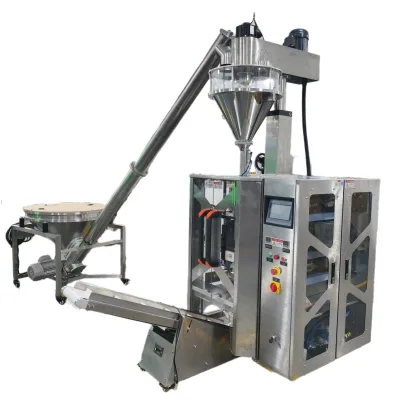
Easy to Adjust High-Precision Automatic Stainless Steel Vffs Packing Machine
$3000.00 - $12000.00
MOQ: 1 Pieces

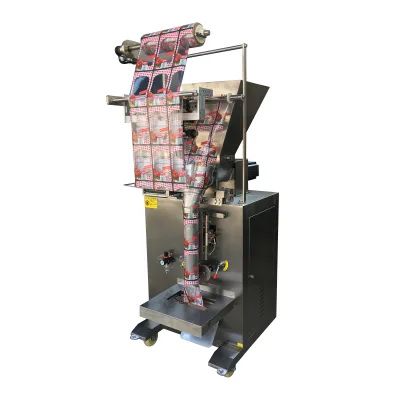
Three Side Sealing Hot Sale Stainless Steel PLC Control Vffs Packing Machine
$3000.00 - $12000.00
MOQ: 1 Pieces


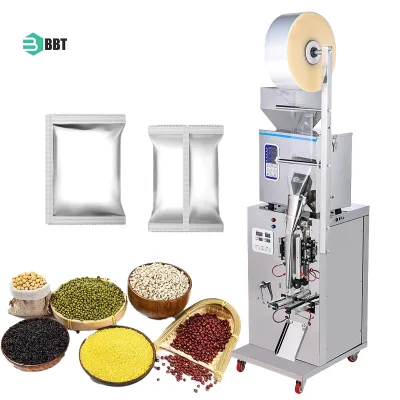
Hot Selling Intelligent VFFS Packing Machine Snack/Grain Packaging Machine
$3280.00 - $7000.00
MOQ: 1 Pieces

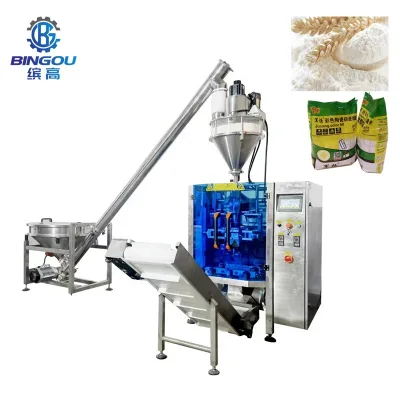
High Purchase Rate Vffs Packing Machine Vertical Forming-Filling-Sealing Packaging Machine
$5000.00 - $7000.00
MOQ: 1 Pieces

Plastic Bag Packing Machine VFFS Packaging Machine Pillow Bag Packing Machine
$4500.00 - $7000.00
MOQ: 1 Pieces

CE Vffs Filling and Sealing Machine High Efficient Packaging Machine for Food Factory
$3280.00 - $7000.00
MOQ: 1 Pieces

VFFS Machine High Purchase Rate Packaging Machine Simple Operation for Snack Factory Use
$5000.00 - $7000.00
MOQ: 1 Pieces

High Purchase Rate Packaging Machine VFFS Packing Machine for Cookies/Candy/Chips
$3280.00 - $7000.00
MOQ: 1 Pieces




Comprehensive Sourcing Guide
Strategic Sourcing Guide for Vertical Form Fill Seal (VFFS) Packaging Machines
Understanding the Technical Architecture of VFFS Systems
When sourcing a Vertical Form Fill Seal (VFFS) packaging machine, the primary objective is to identify equipment that aligns with specific production line requirements regarding speed, product type, and material handling. The market presents a diverse array of configurations, ranging from compact units to heavy-duty industrial systems. A critical observation in the current supply landscape is the variation in forming species, with "Bag Moulding" being a prevalent technology for creating the pouch structure from a continuous roll of film. This process is integral to the machine's ability to handle the full cycle of forming, filling, and sealing in a single vertical operation.
The mechanical drive systems are predominantly electric, ensuring consistent operation and ease of integration into modern automated facilities. The power requirements for these units vary significantly based on capacity and complexity. For instance, certain models operate on a 2.8kw power rating, while high-capacity industrial units may require a 10.5kw power source operating at 380V±10% 50Hz. Buyers must verify the voltage compatibility of the specific unit with their local electrical infrastructure, as some units are specified for 220V 50Hz, while others demand three-phase industrial power. The automatic grade of these machines is consistently listed as "Automatic," indicating a high degree of self-operation once parameters are set.
Speed is a defining characteristic of VFFS efficiency. The observed packing speeds in the available inventory range from 20 to 100 bags per minute for general applications, while specific models designed for heavier or more complex products may operate at a slower pace of 20 to 40 bags per minute. This variance underscores the importance of matching the machine's throughput capability to the actual production volume. The measuring range for liquid and semi-liquid products can extend up to a maximum of 1000ml, while weighing ranges for granular products like grains or powders are observed between 500g and 5000g. Understanding these numerical limits is essential to prevent bottlenecks or underutilization of the equipment.
Compliance, Certification, and Safety Standards
In the global procurement of industrial machinery, verifying compliance with international safety and quality standards is non-negotiable. The supply data indicates that reputable manufacturers often provide machines accompanied by a triad of certifications: CE, ISO, and SGS. The CE marking is particularly critical for buyers targeting the European market, as it signifies conformity with health, safety, and environmental protection standards for products sold within the European Economic Area. The ISO certification suggests adherence to international management system standards, while SGS certification provides third-party verification of the product's quality and safety.
Buyers should treat these certifications as baseline requirements rather than optional features. When evaluating a potential supplier, the procurement team must request valid, current certificates for the specific model being purchased. It is important to note that while the presence of these certifications is a strong indicator of quality, they do not automatically guarantee that every single unit in a batch will meet the same standard without proper quality control checks. The standard dimensions for these machines also vary, with observed specifications ranging from approximately 997mm in width to 1320mm, and heights reaching up to 1750mm. These physical dimensions are vital for factory floor planning and ensuring the machine fits within the designated installation space.
Furthermore, the origin of the machinery is a key factor in the compliance landscape. The majority of the observed inventory originates from China, a major hub for manufacturing packaging equipment. While this offers competitive pricing and a wide selection of models, it necessitates a rigorous due diligence process regarding the manufacturer's track record and the authenticity of their certification claims. Buyers should verify that the "Made in China" label is accompanied by the necessary export documentation and that the machine meets the specific regulatory requirements of the destination country, which may include additional local safety standards beyond the standard CE or ISO marks.
Cost Drivers and Pricing Dynamics
The financial aspect of sourcing a VFFS machine involves a complex interplay of factors that influence the final price. The observed price range for these units spans from approximately $497 to $40,000 USD. This vast disparity is not indicative of a single product line but rather reflects the significant differences in machine capacity, automation level, and material construction. The lower end of the price spectrum typically corresponds to smaller, semi-automatic or entry-level automatic units with lower power consumption and reduced packing speeds. Conversely, the upper end of the range is associated with high-speed, heavy-duty industrial machines capable of handling a wide variety of product types, including liquids, pastes, and powders, with advanced control systems.
Material type is a primary driver of cost. Machines designed to handle different material types, such as powders, grains, pastes, or liquids, require specialized augers, pumps, or weighing systems. For example, a machine configured for "Paste" or "Liquid" applications may require more complex sealing mechanisms and pump systems compared to one designed for "Grain" or "Powder." The power source is another critical cost factor; units requiring 380V 3-phase power often come with more robust motors and control panels, contributing to a higher price point compared to single-phase 220V units.
The minimum order quantity (MOQ) is another consideration in the cost structure. The observed data indicates an MOQ of 1 set for most suppliers, which lowers the barrier to entry for small and medium-sized enterprises. However, buyers should be aware that while the MOQ is low, the unit price may be higher for single-unit purchases compared to bulk orders. Additionally, the packaging method for the machine itself, whether in a plywood case or a wooden box, can influence shipping costs and insurance premiums, which are often passed on to the buyer. Buyers must factor in these logistical costs when calculating the total cost of ownership, rather than focusing solely on the listed unit price.
Typical Applications and Material Compatibility
The versatility of VFFS machines is one of their most significant advantages, allowing them to serve a broad spectrum of industries. The observed applications for these machines include a wide array of products such as vegetables, fruits, snacks, rice, flour, tea, drinks, dairy products, hair care products, cosmetics, oil, seasonings, and cleaning detergents. This diversity is made possible by the machine's ability to handle various material types, including powders, grains, pastes, and liquids. The specific application determines the necessary configuration of the filling and sealing components.
For dry products like rice, flour, and grains, the machine typically utilizes a volumetric or weigh-scale filling system. The observed weighing range of 500-5000g is suitable for many consumer-packaged goods in this category. For liquid and semi-liquid products such as drinks, dairy, oil, and detergents, the machine must be equipped with a pump or gravity-fed system capable of handling the specific viscosity of the product. The measuring range of up to 1000ml accommodates a wide variety of bottle and pouch sizes for these liquid applications.
The packaging material is also a critical consideration for application compatibility. The machines are designed to work with film, foil, and other flexible packaging materials. The forming function, which includes forming, filling, and sealing, must be compatible with the specific film properties, such as thickness and sealability. For instance, machines handling cosmetics or hair care products may require a higher level of precision in the sealing process to ensure product integrity and aesthetic appeal. The ability to change over between different product types is a key feature, allowing manufacturers to maximize the utility of a single machine across multiple product lines.
Supplier Evaluation and Quality Assurance
Evaluating a supplier for VFFS machinery requires a multi-faceted approach that goes beyond price comparison. The first step is to verify the supplier's ability to provide the specific technical specifications required. Buyers should confirm the exact model number, such as HCV420/520, HCV240/300, ZL-720, ZL720, ZL9000, or ZL1100S, and ensure that the listed specifications match the intended application. The "Easy to Operate" key selling point suggests that user interface design is a priority for many manufacturers, but buyers should request demonstration videos or manuals to verify the actual ease of use.
Quality control is paramount in the procurement of industrial machinery. Buyers should inquire about the supplier's quality assurance processes, including the testing procedures used before shipment. While specific test results are not provided in the general data, the presence of CE, ISO, and SGS certifications implies a commitment to quality standards. It is advisable to request a pre-shipment inspection report or a video of the machine undergoing a functional test. The machine's weight, observed at 1200kg for certain models, is an indicator of its build quality and stability; heavier machines often feature more robust frames and components, which can contribute to longer operational life and reduced maintenance needs.
The packaging of the machine for shipping is another indicator of supplier professionalism. The observed packaging options include plywood cases and wooden boxes, which are designed to protect the equipment during transit. Buyers should verify that the packaging meets international shipping standards to prevent damage. Additionally, the supplier's ability to provide after-sales support, including spare parts availability and technical assistance, is crucial for minimizing downtime. A supplier that offers comprehensive training and a clear warranty policy is often a better long-term partner than one that focuses solely on the initial sale.
Long-Term Procurement and Operational Considerations
Selecting a VFFS machine is a long-term investment that impacts the efficiency and profitability of the entire packaging line. Buyers should consider the machine's adaptability to future production needs. The "Changeover" feature for filling allows for quick adjustments between different product types, which is essential for manufacturers with diverse product portfolios. The bag size specifications, such as (100-400)*(80-350)mm, indicate the range of pouch sizes the machine can accommodate, but buyers should verify if the machine can be easily modified to handle non-standard sizes if production requirements change.
Maintenance and operational costs are also critical factors in the long-term procurement decision. The power consumption, ranging from 2.8kw to 10.5kw, directly affects the energy costs of operation. Buyers should calculate the total cost of ownership, including energy consumption, maintenance, and potential downtime, rather than focusing solely on the purchase price. The "Automatic Grade" of the machine suggests a high level of automation, which can reduce labor costs but may require skilled operators for troubleshooting and maintenance.
Finally, the lead time and delivery logistics should be carefully managed. While the observed MOQ is 1 set, the lead time for manufacturing and shipping can vary significantly depending on the supplier's capacity and the specific model ordered. Buyers should establish clear communication channels with the supplier to track the production progress and ensure timely delivery. The origin of the machine, typically China, means that buyers must account for international shipping times and customs clearance procedures. By considering these long-term factors, buyers can make informed decisions that ensure the VFFS machine remains a valuable asset to their production line for years to come.
FAQs
What certifications do vffs packaging machines typically have?
Reputable units often carry CE, ISO, and SGS certifications. These marks indicate compliance with international safety and quality standards, which is essential for buyers targeting the European market or requiring third-party verification of product integrity.
How fast can a VFFS Packaging Machine operate?
Packing speeds generally range from 20 to 100 bags per minute depending on the model. Specific configurations for heavier products may operate at a slower pace of 20 to 40 bags per minute to ensure accuracy and stability.
Which power sources are compatible with these machines?
Units are available with 220V 50Hz or 380V 3-phase power sources. Higher capacity industrial models often require the 380V±10% 50Hz specification, so buyers must verify voltage compatibility with their local electrical infrastructure before purchase.
Can these machines handle liquid and paste products?
Yes, models exist specifically designed for liquids, pastes, and powders. They feature measuring ranges up to 1000ml for liquids and weighing ranges between 500g and 5000g for granular materials like grains or flour.
What is the minimum order quantity for these machines?
The minimum order quantity is typically 1 set for most suppliers. This low barrier allows small and medium enterprises to purchase single units, though unit prices may be higher compared to bulk orders.
How are these machines packaged for shipping?
Machines are shipped in plywood cases or wooden boxes to ensure protection during transit. The specific packaging type depends on the model, with some units weighing up to 1200kg requiring robust industrial-grade packing.