Source Vintage Blue Boyfriend Jeans for Retail, Wholesale, and Custom Brands
Explore 30 listings for Vintage Blue Boyfriend Jeans, featuring styles like skinny and straight cuts in polyester cotton denim. Compare specifications, customization options, and pricing from Guangzhou suppliers to find the right fit for your inventory needs.
Key considerations
Products List





Comprehensive Sourcing Guide
Vintage Blue Boyfriend Jeans Sourcing Guide
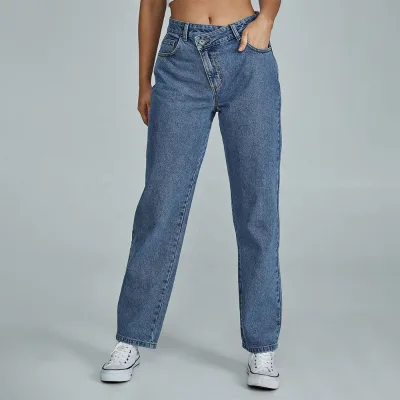
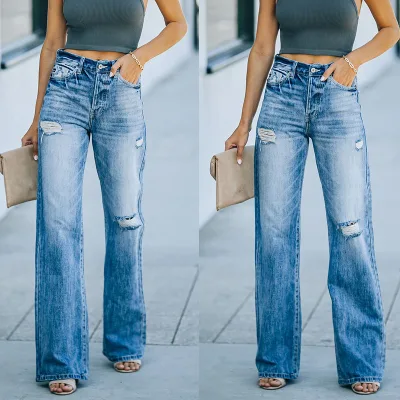
Sourcing vintage-style blue boyfriend jeans requires a nuanced understanding of both aesthetic trends and technical manufacturing capabilities. The "boyfriend" silhouette is defined by a relaxed, loose fit through the hips and thighs, often featuring a dropped crotch and rolled cuffs, which contrasts sharply with the tailored fit of traditional denim. This style appeals to buyers seeking comfort without sacrificing the rugged, casual aesthetic associated with denim. The "vintage blue" descriptor typically refers to specific wash techniques that mimic the faded, worn-in look of older garments, achieved through stone washing, enzyme washing, or laser distressing. Buyers must distinguish between genuine vintage reproduction and mass-produced items that merely mimic the aesthetic, as the latter often lacks the durability and authentic hand-feel that discerning customers expect.
The procurement landscape for this category is characterized by a high degree of customization and variability in production standards. Suppliers often offer extensive options for distressing, patching, and dyeing to achieve the desired vintage effect. However, this flexibility introduces complexity in quality control, as inconsistent washing can lead to significant variations in colorfastness and fabric integrity between batches. Buyers need to establish clear visual references and tolerance levels for fading and distressing before placing orders. Furthermore, the material composition plays a crucial role in the final look and feel; blends such as polyester cotton denim are common, offering a balance between the durability of cotton and the cost-efficiency and stretch properties of synthetic fibers. Understanding these material dynamics is essential for selecting suppliers who can deliver consistent quality.
Product Scope and Observed Listing Signals
The current market for Vintage Blue Boyfriend Jeans exhibits a wide range of pricing and minimum order quantities, reflecting the diversity of supplier capabilities and target markets. Observed listing prices range from approximately $0.70 to $29.00 USD, indicating a spectrum from basic, high-volume production to more specialized, lower-volume artisanal pieces. This price variance is heavily influenced by the complexity of the wash, the quality of the denim fabric, and the extent of customization required. Buyers should be cautious of extremely low prices, as they may indicate inferior fabric quality or unsustainable labor practices. Conversely, higher prices may reflect superior craftsmanship, more complex distressing techniques, or smaller batch sizes that allow for greater attention to detail.
Minimum order quantities (MOQs) also vary significantly, ranging from as low as 10 pieces per style to 1,000 pieces or more. This flexibility allows buyers to choose suppliers based on their inventory needs and risk tolerance. Low MOQs are ideal for testing new designs or catering to niche markets, while higher MOQs are suitable for established brands seeking economies of scale. Some suppliers offer stock items with low MOQs, such as 10 pieces per style, which can be advantageous for rapid prototyping or small-batch releases. However, these stock items may have limited customization options. Buyers must align their MOQ requirements with their sales forecasts and supply chain strategy to avoid overstocking or stockouts.
Technical Specifications to Verify
Verifying technical specifications is critical to ensuring that the final product meets the desired aesthetic and functional requirements. Key specifications to confirm include the fabric composition, weight, and weave process. For instance, some suppliers use polyester cotton denim, which offers a specific drape and durability profile. The weaving process, such as yarn-dyed techniques, can significantly impact the color depth and consistency of the vintage wash. Buyers should request fabric swatches to assess the hand-feel, stretch, and colorfastness before committing to large orders. Additionally, the size range and fit details, such as inseam length and rise, must be clearly defined to ensure consistency across the product line.
Packaging and labeling standards are also important technical considerations that affect logistics and retail readiness. Suppliers may use various packaging methods, including polybags, cartons, or custom boxes, depending on the order volume and destination market. Standard packaging dimensions, such as 30x40x5 cm or 35x25x2 cm, can impact shipping costs and storage efficiency. Buyers should specify their packaging requirements clearly, including labeling, tagging, and folding instructions. Furthermore, the product model numbers and styles should be documented to avoid confusion during production and shipping. Clear communication of these technical details helps prevent errors and ensures that the final product aligns with the buyer’s expectations.
Compliance and Safety Documentation
Compliance with safety and environmental standards is non-negotiable in the denim industry, particularly for products marketed as vintage or eco-friendly. Buyers must ensure that suppliers adhere to relevant regulations regarding chemical usage, such as restrictions on azo dyes, formaldehyde, and heavy metals. These regulations vary by region, with the European Union’s REACH regulation and the United States’ Consumer Product Safety Improvement Act (CPSIA) being key benchmarks. Suppliers should provide test reports from accredited laboratories to verify compliance with these standards. Buyers should also inquire about the supplier’s environmental policies, including water usage and waste management practices, as these factors are increasingly important to consumers and retailers.
Documentation such as material safety data sheets (MSDS) and certificates of conformity (CoC) are essential for verifying compliance. These documents provide evidence that the products have been tested and meet specific safety criteria. Buyers should request these documents before placing orders and keep them on file for future reference. Additionally, suppliers should be transparent about their sourcing practices, including the origin of raw materials and the conditions under which they are produced. This transparency helps mitigate reputational risks and ensures that the products align with the buyer’s ethical sourcing policies. Regular audits and inspections can further verify compliance and identify areas for improvement.
Cost Drivers and Commercial Terms
Several factors influence the cost of Vintage Blue Boyfriend Jeans, including material costs, labor, and the complexity of the wash and distressing processes. Premium denim fabrics and specialized washing techniques can significantly increase production costs. Buyers should negotiate pricing based on volume, with discounts available for larger orders. Payment terms, such as T/T (Telegraphic Transfer), are common in the industry, but buyers should negotiate favorable terms to manage cash flow. It is also important to clarify any additional costs, such as sampling fees, tooling charges, or shipping costs, to avoid unexpected expenses.
Lead times and delivery schedules are critical commercial considerations that impact inventory management and customer satisfaction. Typical lead times for denim production range from 25 to 35 days, depending on the complexity of the order and the supplier’s capacity. Buyers should plan their procurement timeline accordingly, allowing for buffer time to address any potential delays. Shipping options, including air, sea, and courier services, should be evaluated based on cost, speed, and reliability. Air freight is faster but more expensive, while sea freight is cost-effective for large volumes but takes longer. Buyers should work with their suppliers to determine the most efficient shipping method for their needs.
Supplier Qualification and Quality Control
Qualifying suppliers is a crucial step in ensuring the quality and reliability of Vintage Blue Boyfriend Jeans. Buyers should conduct thorough due diligence, including reviewing the supplier’s production capabilities, quality control processes, and past performance. Site visits or third-party audits can provide valuable insights into the supplier’s operations and compliance with standards. Buyers should also assess the supplier’s ability to handle customization and meet specific design requirements. Communication and responsiveness are key indicators of a supplier’s reliability, as they reflect the supplier’s commitment to customer service and problem-solving.
Quality control measures should be implemented throughout the production process to ensure consistency and adherence to specifications. Pre-production samples should be approved before bulk production begins, and in-line inspections should be conducted to monitor progress and identify any issues early. Final random inspections (FRI) should be performed before shipment to verify that the products meet all quality standards. Buyers should establish clear acceptance criteria and communicate them to the supplier. Any defects or non-conformities should be addressed promptly, with corrective actions implemented to prevent recurrence. Regular feedback and collaboration with suppliers can help improve quality and build long-term partnerships.
Long-Term Procurement Checks
Building long-term relationships with suppliers requires ongoing monitoring and evaluation of performance. Buyers should track key performance indicators (KPIs) such as on-time delivery, quality consistency, and responsiveness to issues. Regular reviews and feedback sessions can help identify areas for improvement and strengthen the partnership. Buyers should also stay informed about industry trends and changes in regulations that may impact sourcing decisions. Adapting to these changes proactively can help maintain competitiveness and ensure compliance.
Sustainability and ethical sourcing are increasingly important factors in long-term procurement strategies. Buyers should prioritize suppliers who demonstrate a commitment to environmental responsibility and fair labor practices. This may include using organic or recycled materials, reducing water and energy consumption, and ensuring safe working conditions. By aligning with suppliers who share these values, buyers can enhance their brand reputation and meet the growing demand for sustainable products. Continuous improvement and innovation in sourcing practices can help buyers stay ahead of the curve and build a resilient supply chain.
FAQs
What customization options are available for these jeans?
Customization is available for these items, allowing buyers to customize their own logo and design requirements. The supplier supports creating unique items based on specific needs, with a sampling time of 7-10 days and a sample charge equal to double the unit price.
Which product models are listed for vintage blue denim?
Several product models are listed including MJ33, NA-MJ3262, WJ4082, WJ3628, NA-MJ3206, MJ3153, DM9007, 20S057, jeans0068, jeans0061, 004, 047, 056, and ART. 1899. These models vary in size, style, and specific packing standards to meet different buyer requirements.
How is the product packed and what are the dimensions?
Packing varies by model, ranging from PE bags, polybags, boxes, or export cartons. Standard dimensions observed include 16x12x1.5 inches, 30x40x5 cm, 35x25x2 cm, and custom sizes. Some items are packed as one piece per bag with sixty pieces per box.
What is the minimum order quantity for stock items?
The minimum order quantity for stock items is 10 pieces per style. However, some specific models or custom orders may require a minimum of 1000 pieces. Buyers should verify the specific MOQ for the chosen product model before placing an order.
Can I get a sample before placing a bulk order?
Yes, samples are available with a sampling time of 7-10 days. The sample charge is set at double the unit price. This allows buyers to verify quality and customization options before committing to a larger bulk order with a 25-35 day delivery date.
Where are these jeans manufactured and shipped from?
The products originate from Guangzhou, China. Shipping options include FedEx, UPS, sea freight, and air freight. The delivery date for orders is typically between 25 to 35 days, depending on the selected shipping method and order volume.
What payment terms are accepted for these orders?
The accepted payment term is T/T (Telegraphic Transfer). This is the standard method for transactions mentioned in the product facts. Buyers should arrange payment terms clearly before production begins to ensure timely delivery within the 25-35 day window.