Source Vintage Retro Style Tissue Box for Home Hotel Restaurant
Find a selection of 30 Vintage Retro Style Tissue Box options from suppliers in China and Hebei. Buyers can compare models like SH-2407716 and 24101656, materials including wood and ABS plastic, and customization features for home, hotel, and restaurant use.
Key considerations
Products List

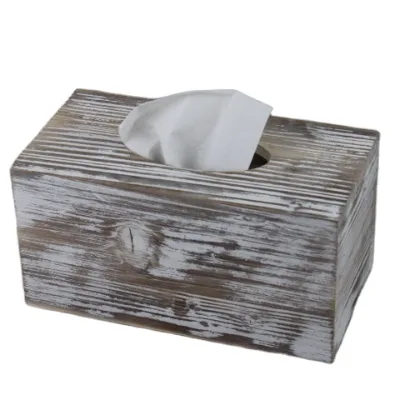

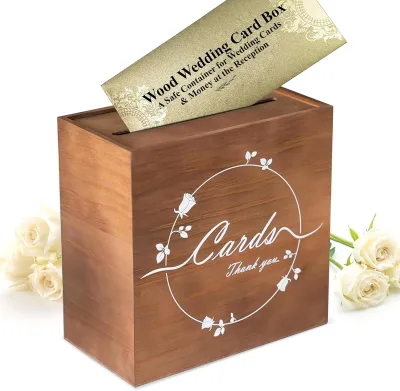
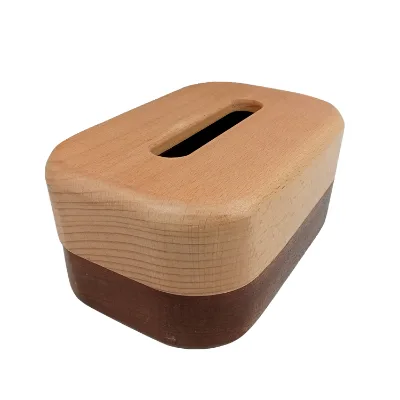
Christmas Gift Living Room Dining Room Retro Oval Style Wooden Tissue Box
$8.00 - $9.90
MOQ: 200 Pieces

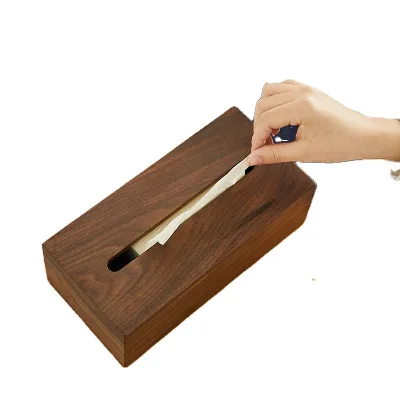
Luxury Decorative Square Shape Wooden Tissue Holder Classic Handmade Tissue Box
$4.50 - $5.50
MOQ: 200 Pieces

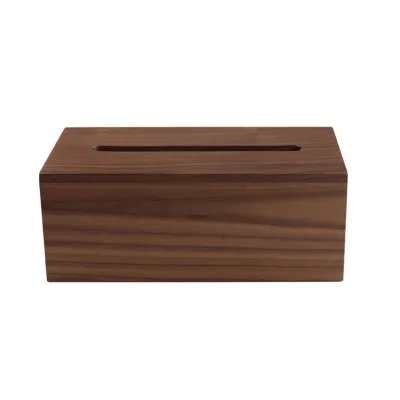
Custom Rectangular Storage Box Wood Paper Napkin Holder Wooden Tissue Box
$18.00 - $27.00
MOQ: 200 Pieces


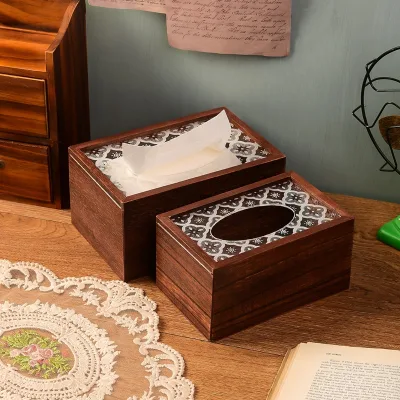
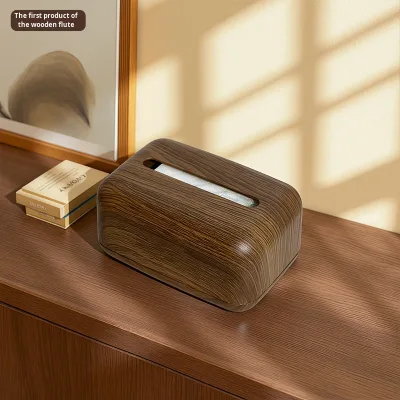


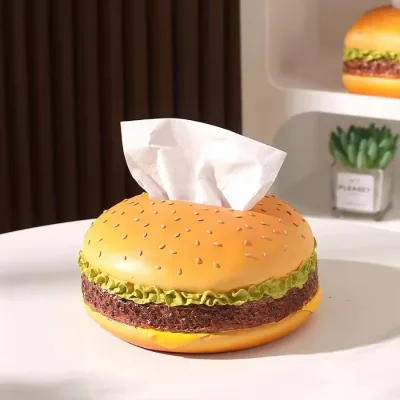




Comprehensive Sourcing Guide
Strategic Sourcing Guide for Vintage Retro Style Tissue Boxes
The global market for home and hospitality accessories has seen a sustained shift toward aesthetic items that blend functionality with nostalgic design elements. For procurement professionals seeking "vintage retro style tissue boxes," the sourcing landscape requires a nuanced approach that balances visual authenticity with rigorous supply chain verification. This guide provides a disciplined framework for evaluating suppliers, understanding technical specifications, and managing the procurement lifecycle for these specific decorative storage solutions. The objective is to equip buyers with the knowledge to identify reliable partners without relying on unverified marketing claims or speculative data.
Understanding Product Attributes and Design Variations
The core of sourcing a Vintage Retro Style Tissue Box lies in defining the specific aesthetic parameters that align with the "retro" designation. In the context of modern manufacturing, this style often manifests through specific material choices, color palettes, and geometric forms. Based on available product data, the market offers a diverse range of finishes that can satisfy retro design requirements. Common materials identified in the sector include Wood MDF, solid Wood, and ABS Plastic. Each material offers a distinct pathway to achieving a vintage look; for instance, Wood MDF and solid Wood can be treated to simulate walnut grain or other classic timber finishes, while ABS Plastic can be molded to replicate mid-century modern shapes with a matte or glossy finish.
Color is a critical differentiator in this category. Procurement teams must verify whether the supplier offers "Silver" finishes, "Walnut grain" variations in both light and dark tones, or "Picture" based customizations that allow for photographic reproduction of vintage patterns. The shape of the unit is equally important; while many modern tissue boxes are rectangular, the vintage aesthetic often embraces specific proportions. Data indicates that dimensions such as 22139cm, 22116.5cm, and 131313cm are prevalent. Buyers should note that "One Size" is a common specification, but the actual physical dimensions must be verified against the specific retro silhouette required for the end-use environment.
| Attribute Category | Observed Specifications | Sourcing Consideration |
|---|---|---|
| Material | Wood MDF, Wood, ABS Plastic | Verify grain texture and finish durability. |
| Shape | Rectangle | Confirm proportions match the intended retro era (e.g., 1950s vs. 1970s). |
| Color | Silver, Walnut (Light/Dark), As Photo | Ensure color consistency across batches. |
| Dimensions | 12209.5cm to 22139cm | Check internal volume for standard tissue pack sizes. |
| Style | Modern, Classic, Simple Modern, Minimalism | Align style keywords with the specific "vintage" sub-genre. |
Technical Specifications and Customization Capabilities
When evaluating potential suppliers for vintage retro tissue boxes, technical specifications extend beyond mere dimensions to include customization capabilities and packaging standards. A significant advantage in this sector is the availability of customization. Many suppliers explicitly state that "Customization" is available and that "Customized Logo" is acceptable. This is a vital feature for B2B buyers looking to brand products for hotels, restaurants, or corporate offices. The ability to imprint a logo or alter the design to fit a specific brand identity is often a prerequisite for large-scale procurement.
Packaging standards are another technical aspect that requires attention. The supply chain data indicates options ranging from "Gift Box" or "Customized Package" to standard "Carton" packaging. For a vintage product, the unboxing experience is part of the product value proposition. Buyers should inquire whether the supplier can provide eco-friendly or premium packaging that complements the retro aesthetic, rather than standard industrial cartons that might damage the product during transit. Furthermore, the "Process" column in supplier data often lists "Handmade/Other." This suggests that some units may involve artisanal finishing, which can impact consistency and lead times. Procurement teams must clarify the balance between handmade uniqueness and mass-production consistency to ensure the final product meets quality expectations.
Compliance, Certification, and Origin Verification
In the realm of international trade, verifying the origin and compliance status of a product is non-negotiable. The provided data points to specific geographic origins, including "Hebei" and "Shandong, China." These regions are known for manufacturing wood products and plastic goods. However, "China" is also listed as a general origin. Buyers must not assume that products from these locations automatically meet international safety or environmental standards. Instead, the procurement strategy must include a verification step where the buyer requests specific documentation regarding the materials used.
For wood-based products, such as those made from Wood MDF or solid Wood, buyers should verify compliance with formaldehyde emission standards (such as E1 or E0) and any relevant phytosanitary certificates if the wood is raw. For ABS Plastic products, compliance with flammability and heavy metal restrictions (like RoHS or REACH) is essential, particularly for products intended for the European or North American markets. The data mentions "High Qualtiy" as an attribute, but this is a marketing claim rather than a certified standard. Procurement teams must treat such claims as observations to be validated through third-party testing reports or factory audits.
Additionally, the "prod_standard" field in the data lists dimensions (e.g., 22139cm) rather than industry safety standards. This highlights a gap where the buyer must define the standard. Is the standard related to the fit of the tissue box, or does it refer to a safety certification? Since no specific safety certifications (like CE, UL, or ISO) are explicitly confirmed in the provided facts, the buyer must explicitly request these documents before placing an order. Relying on the absence of negative data is risky; proactive verification is the only safe procurement strategy.
Cost Drivers and Minimum Order Quantity (MOQ) Analysis
Understanding the cost structure of vintage retro tissue boxes is essential for budgeting and negotiation. The observed price range in the market spans from $0.03 to $27.00 USD. This wide variance is driven by several factors, including material cost, complexity of the retro design, and the level of customization. A simple ABS plastic box with a basic walnut grain finish will likely sit at the lower end of this spectrum, while a handcrafted Wood MDF box with custom engraving and premium packaging will command a price closer to the upper limit.
Minimum Order Quantity (MOQ) is another critical cost driver. The data shows an MOQ range of 2 to 1000 units, with specific listings indicating MOQs of 100pcs and 200pcs. This flexibility allows buyers to test the market with smaller orders or commit to larger volumes for better unit economics. However, the "Selling Units" are often listed as "Single item," which can complicate bulk pricing negotiations. Buyers should clarify whether the price per unit decreases significantly as the order volume moves from the MOQ of 100 to 1000.
The "Style" and "Design" attributes also influence cost. Products described as having "Unique Designs" or "Customizable" features often carry a premium due to the tooling or setup costs involved. For buyers seeking a "Classic" or "Simple Modern" retro look, the cost may be lower if the design is a standard SKU. Conversely, "Handmade" processes, while adding value, can introduce variability in cost and require higher MOQs to amortize labor costs. Buyers must weigh the aesthetic benefits of a unique, handmade retro piece against the budgetary constraints of a mass-produced alternative.
Supplier Evaluation and Quality Control Protocols
Evaluating suppliers for vintage retro tissue boxes requires a multi-faceted approach that goes beyond checking basic product listings. The "Quality" attribute is frequently listed as "High Qualtiy," but this is a subjective observation. A robust supplier evaluation process should include a request for a product sample that matches the specific "vintage" criteria. The sample must be inspected for finish consistency, structural integrity, and the accuracy of the "Walnut grain" or "Silver" coloration.
Quality control (QC) protocols should be established before mass production begins. For wood products, checking for warping, splintering, or uneven varnish is critical. For plastic products, checking for mold lines, color bleeding, or structural weakness is necessary. The "Feature" attribute often lists "Durable," but this claim must be tested. Buyers should request data on drop tests or wear tests, especially for products intended for high-traffic areas like hotels and restaurants. The "Usage" data suggests applications in "Home Hotel Restaurant Cars," which implies varying levels of durability requirements. A box for a car may need to withstand vibration and temperature changes, while a hotel box must resist frequent handling and cleaning.
Supplier communication is also a key evaluation metric. The ability to provide "Customized Logo" and "Customized Package" options indicates a supplier's flexibility. Buyers should assess the responsiveness of the supplier in providing design proofs and their willingness to accommodate specific retro design requests. A supplier that can provide detailed CAD drawings or 3D renders before production starts is preferable to one that relies solely on static images.
Typical Applications and Long-Term Procurement Strategy
The versatility of vintage retro style tissue boxes makes them suitable for a wide array of applications. The data explicitly lists usage in "Home," "Hotel," "Restaurant," "Cars," "Wedding," and "Office" settings. This broad applicability means that a single product line can serve multiple market segments. For the hospitality industry, the retro aesthetic can enhance the ambiance of a boutique hotel or a themed restaurant. In the corporate sector, these boxes can be used in executive offices or reception areas to add a touch of personality.
Long-term procurement considerations involve building a sustainable supply chain. Buyers should consider the lifecycle of the product. Wood MDF and solid wood are generally biodegradable or recyclable, which aligns with growing sustainability trends. However, the adhesives and finishes used in the manufacturing process must be environmentally compliant. The "Process" being "Handmade/Other" suggests a lower carbon footprint in terms of energy consumption compared to fully automated plastic injection molding, but it may also imply higher labor costs and potential supply chain bottlenecks.
To mitigate risks, buyers should diversify their supplier base. Relying on a single source for a product with a specific "Vintage Retro" aesthetic can be risky if that supplier faces production delays or quality issues. Establishing relationships with multiple suppliers who can offer similar styles but different material compositions (e.g., one specializing in wood, another in plastic) provides flexibility. Additionally, buyers should plan for seasonal demand fluctuations, particularly for wedding and holiday-related purchases, ensuring that lead times are accounted for in the procurement schedule.
In conclusion, sourcing vintage retro style tissue boxes requires a careful balance of aesthetic appreciation and rigorous supply chain management. By focusing on verified technical specifications, demanding proof of compliance, and maintaining a clear understanding of cost drivers and quality control, buyers can secure high-quality products that meet their specific needs. The market offers a rich variety of options, from simple rectangular boxes to custom-designed pieces, but the success of the procurement effort depends on the buyer's ability to navigate the details and avoid unverified claims.
FAQs
What customization options are available for vintage retro style tissue boxes?
Customization is available for these tissue boxes, including customized logos and packaging. Buyers can request specific designs or branding, with options for gift boxes or customized packages to suit hotel and restaurant needs.
Which materials are commonly used for vintage retro style tissue boxes?
Common materials include Wood MDF, solid Wood, and ABS Plastic. These materials allow for various finishes like walnut grain or silver, enabling the creation of classic or modern retro aesthetics for home and office use.
Can I find vintage retro style tissue boxes with specific dimensions?
Yes, various dimensions are available such as 22*13*9cm, 13*13*13cm, and 12*20*9.5cm. These sizes accommodate standard tissue packs and fit different spaces in cars, hotels, or residential settings.
What is the minimum order quantity for vintage retro style tissue boxes?
Minimum order quantities range from 2 to 1000 units, with specific listings showing 100pcs or 200pcs. This flexibility allows buyers to test the market with small orders or commit to larger volumes for better pricing.
Where are vintage retro style tissue boxes typically manufactured?
Products originate from regions in China, specifically Hebei and Shandong. These locations are known for manufacturing wood and plastic goods, though buyers must verify specific compliance standards for international trade.
How does the price vary for vintage retro style tissue boxes?
Prices range from 0.03 to 27 USD depending on material and customization. Simple ABS plastic boxes are cheaper, while handcrafted wood models with unique designs and premium packaging command higher prices.