Source Vintage Quick Dry Swim Trunks for Beach, Pool, and Surf
Explore 30 options for Vintage Quick Dry Swim Trunks featuring polyester and nylon blends. Compare mid-waist styles with drawstring closures, available in solid, striped, and leopard prints. These men's shorts offer quick-dry and anti-UV features for casual and water sports use.
Key considerations
Products List


Men Swim Trunks Quick Dry Swim Shorts Mesh Lining Drawstring Bathing Suits
$1.00 - $3.00
MOQ: 500 Pieces


Fashion Men Holiday Beach Fashion Patchwork Swimming Boxers Trunks Swimwear
$1.00 - $3.00
MOQ: 500 Pieces
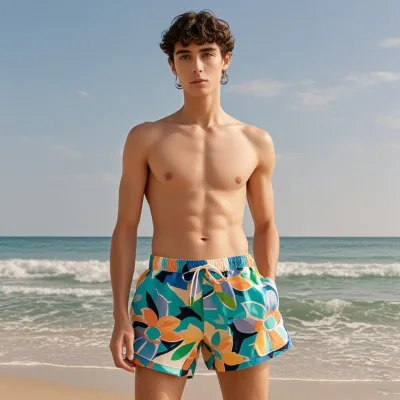


Mens Swim Trunks Quick Dry Board Shorts 80s 90s Vintage Swimwear with Lining Shorts
$4.00 - $5.50
MOQ: 1000 Pieces


Men's Swim Trunks with Compression Liner 5 Inch Bathing Suit Beach Swimsuits
$4.00 - $5.50
MOQ: 1000 Pieces


Quick Dry Boardshorts Swimming Trunks Vintage Print Beach Surf Shorts for Men
$3.80 - $7.50
MOQ: 100 Pieces


Boys' Retro Style Swim Trunks with Vintage Stripe Design Boys' Swim Trunk
$3.99 - $5.99
MOQ: 100 Pieces


Comprehensive Sourcing Guide
Vintage Quick Dry Swim Trunks Sourcing Guide
Sourcing vintage-style quick dry swim trunks requires balancing aesthetic authenticity with functional performance standards. Buyers must navigate a market where visual cues like leopard prints, cargo pockets, and mid-rise waists coexist with technical fabrics such as nylon-spandex blends. The observed product landscape indicates a strong emphasis on customization, with many suppliers offering OEM services and digital printing options for logos. This flexibility allows brands to create unique collections that appeal to niche markets seeking retro aesthetics combined with modern utility.
Procurement teams should prioritize suppliers who demonstrate clear material transparency and consistent quality control processes. The presence of features like anti-UV protection, quick-dry capabilities, and breathable fabrics suggests a mature supply chain capable of meeting performance expectations. However, verifying these claims through sample testing remains essential. Buyers must ensure that the "vintage" label does not compromise the integrity of the quick-dry technology, as fabric weight and weave density significantly impact both comfort and drying speed in aquatic environments.
Product Scope and Observed Listing Signals
The current market offers a diverse range of styles, including Bermuda shorts, board shorts, and hot shorts, often featuring patterned designs such as leopard prints, stripes, or solid colors. Materials predominantly include polyester, nylon, and blends with spandex or cotton, providing varying degrees of stretch and durability. Observed listings highlight customization availability, with options for digital printing, embroidery, and specific logo placements on the front. These attributes cater to brands looking for distinct visual identities while maintaining the functional requirements of swimwear.
Packaging and sizing standards vary across suppliers, with some offering carton packing and others using polybags. Sizes range from XS to 3XL, with some products specifying exact dimensions or weight classes. The observed price range of 1-8.9 USD suggests a competitive market with options for both budget-conscious and premium segments. Buyers should note that features like drawstring closures, mid-rise waists, and specific fabric weights (80-160 grams) are common differentiators. Understanding these signals helps in filtering suppliers who align with specific brand positioning and quality expectations.
Technical Specifications to Verify
Fabric composition is a critical verification point, as materials like nylon, polyester, and spandex blends offer different performance characteristics. Buyers must confirm the exact percentage of each fiber to ensure desired stretch, durability, and quick-dry properties. The observed fabric weights, ranging from 80 to 160 grams, directly influence the garment's feel and drying time. Thicker fabrics may offer more durability but slower drying, while lighter options provide better breathability. Verifying these specifications through physical samples is essential to avoid discrepancies between marketing claims and actual product performance.
Construction details such as weave methods, closure types, and decoration elements also require scrutiny. Observed features include drawstring closures, embroidered or printed logos, and decorations like vintage crystals or lace. The type of printing, whether heat-transfer, digital, or silk screen, affects the longevity of the design. Buyers should inspect seam strength, especially in high-stress areas, and verify that the fabric type, whether corduroy, oxford, or woolen, matches the intended use. Ensuring these technical aspects are correctly specified prevents issues with fit, comfort, and aesthetic appeal in the final product.
Compliance and Safety Documentation
While specific certification statuses are not universally listed, buyers must ensure that all swimwear complies with relevant safety and environmental standards. This includes verifying that dyes and finishes used in the printing process are non-toxic and safe for skin contact, especially for products intended for swimming pools or water sports. Documentation should confirm that materials meet regional regulations for chemical restrictions, such as REACH in Europe or CPSIA in the United States. Requesting test reports for colorfastness, shrinkage, and fabric integrity is crucial to ensure product durability and safety.
Environmental claims, such as eco-friendly materials, require substantiation through credible certifications or supplier declarations. Buyers should inquire about the sourcing of raw materials and the manufacturing processes to ensure they align with sustainability goals. Transparency in the supply chain, including information about labor practices and waste management, is increasingly important for brand reputation. Verifying these aspects through audits or third-party assessments helps mitigate risks associated with non-compliance and supports the brand's commitment to responsible sourcing.
Cost Drivers and Commercial Terms
Pricing is influenced by material costs, customization complexity, and order volume. The observed MOQ range of 1-1000 units offers flexibility for small businesses and larger enterprises alike. Higher customization levels, such as digital printing or specific embroidery, may increase unit costs. Buyers should negotiate clear terms regarding sample orders, with some suppliers offering support for 7-day sample lead times. Understanding the cost breakdown helps in budgeting accurately and avoiding hidden fees associated with tooling, setup, or expedited shipping.
Commercial terms also include payment methods, shipping arrangements, and return policies. Buyers should clarify responsibilities for import duties, taxes, and logistics costs. Lead times for production and delivery vary based on order size and customization requirements. Establishing clear communication channels and agreeing on milestones for production updates can help manage expectations and prevent delays. Flexibility in terms, such as partial shipments or staggered deliveries, may be available for larger orders, providing additional operational advantages.
Supplier Qualification and Quality Control
Evaluating supplier capabilities involves assessing their production capacity, quality control processes, and past performance. Buyers should request references or case studies to verify the supplier's ability to deliver consistent quality. Inspecting their facilities, either virtually or in person, provides insights into their manufacturing standards and equipment. Suppliers with established OEM services often have robust quality assurance protocols, including in-line inspections and final random inspections. Verifying these processes ensures that products meet specified standards before shipment.
Communication and responsiveness are key indicators of a reliable supplier. Buyers should assess how quickly and clearly suppliers respond to inquiries and address concerns. A supplier's willingness to provide detailed product information and support sample testing demonstrates professionalism. Building a relationship with a supplier who prioritizes transparency and collaboration can lead to better outcomes in terms of product quality and service. Regular feedback loops and performance reviews help maintain high standards and foster long-term partnerships.
Long-Term Procurement Checks
Sustainable sourcing practices require ongoing monitoring of supplier performance and adherence to agreed-upon standards. Buyers should conduct periodic audits to ensure compliance with quality, safety, and ethical guidelines. Tracking key performance indicators, such as defect rates, delivery times, and customer feedback, helps identify areas for improvement. Maintaining open communication with suppliers allows for timely adjustments to processes or materials as needed. This proactive approach ensures that the supply chain remains resilient and responsive to market changes.
Continuous improvement initiatives, such as exploring new materials or technologies, can enhance product offerings and competitiveness. Buyers should stay informed about industry trends and innovations in swimwear design and functionality. Collaborating with suppliers on product development can lead to unique offerings that differentiate the brand in the market. Regularly reviewing and updating procurement strategies ensures alignment with business goals and customer expectations, supporting long-term success and growth in the competitive swimwear sector.
FAQs
What materials are used for Vintage Quick Dry Swim Trunks?
These trunks are made from Polyester, Nylon, Spandex, Cotton, or Silk blends. The fabric weight ranges from 80 to 160 grams. You can find options with Quick Dry and Anti-Uv features suitable for water sports and casual wear.
Which sizes are available for these swim trunks?
Available sizes include S, M, L, XL, XXL, and up to 3 XL. Some listings also offer Xs-XL ranges. The standard sizing follows S, M, L, XL, XXL conventions to ensure a proper fit for various body types.
Can I customize the logo and design on these shorts?
Yes, customization is available with OEM services. You can choose Digital Printing, Heat-transfer Print, or Silk screen print methods. The logo position is typically on the front, allowing for personalized branding on your swimwear.
How long does it take to get a sample order?
A sample order lead time is supported within 7 days. This allows for quick evaluation of the product quality before placing larger orders. The single package size is 40X30X3 cm with a gross weight of 0.300 kg.
What patterns and styles are offered for these trunks?
Styles range from Vintage, Casual, to Hip Hop and Gothic. Patterns include Pure Colour, Striped, Leopard-print, and various floral or character prints. The waist type is Mid, and they feature Drawstring closures for a secure fit.
Where are these swim trunks manufactured and shipped from?
The products originate from China. They are packed in Cartons or Polybags depending on the specific listing. Buyers can expect sourcing from verified Chinese manufacturers offering various technical finishes like Embroidered, WASHED, or Beaded details.
What features do these quick dry swim trunks provide?
Key features include Quick Dry, Anti-Wrinkle, Waterproof, Breathable, and Windproof properties. They are also Eco-Friendly and offer Anti-Uv protection. These attributes make them ideal for swimming pools and other water sports activities.