Source Vintage Rhinestone Hair Band for Wedding, Party, Daily
Explore 30 options for Vintage Rhinestone Hair Band accessories suitable for weddings, parties, and daily wear. Compare materials like velvet, satin, and cotton, along with customization services and OEM capabilities from Zhejiang suppliers.
Key considerations
Products List

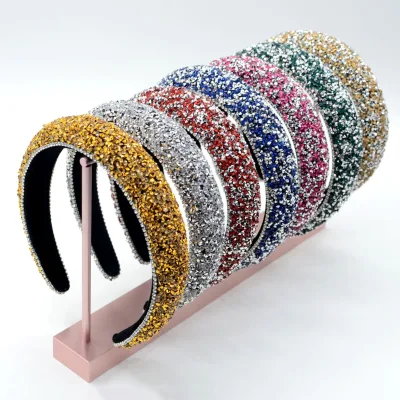
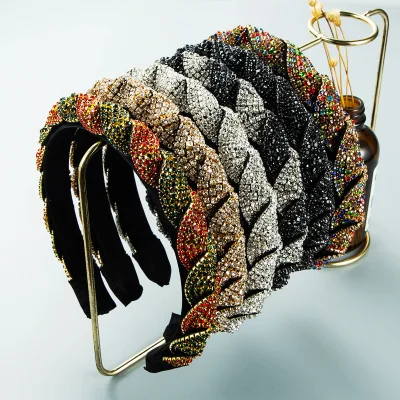
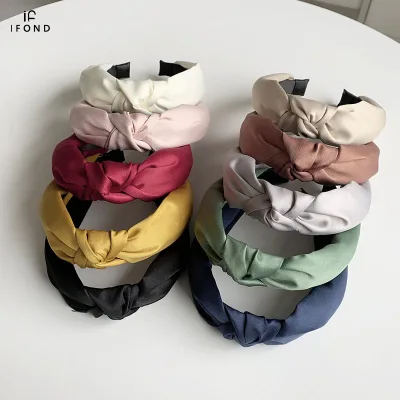


Handmade Fashion Jewelry Women Hair Accessories Hairband Simple Knot Braid
$0.89 - $2.58
MOQ: 200 Pieces
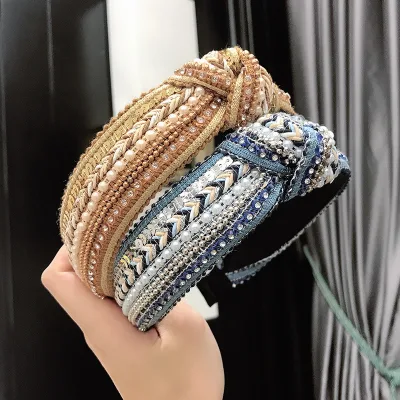




Comprehensive Sourcing Guide
Vintage Rhinestone Hair Band Sourcing Guide
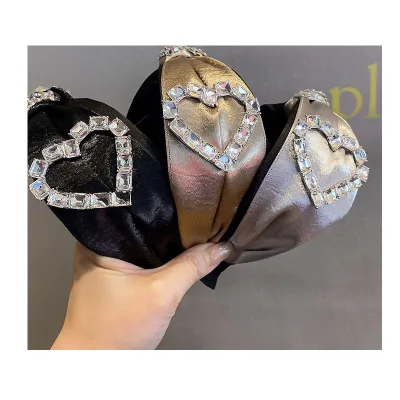
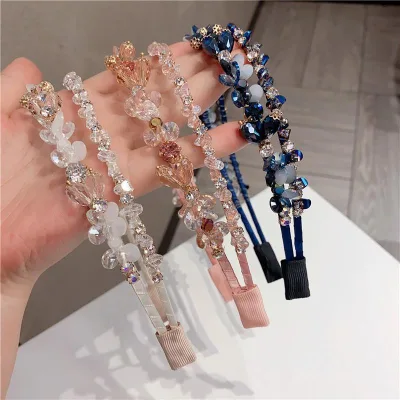
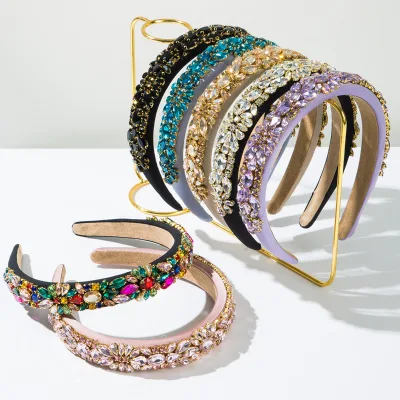
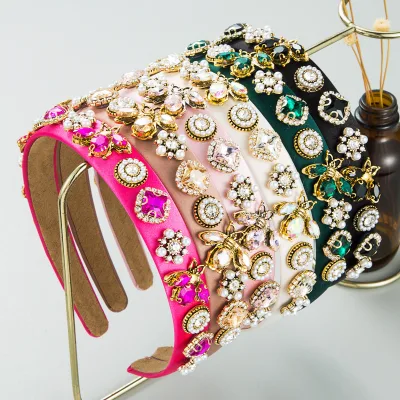
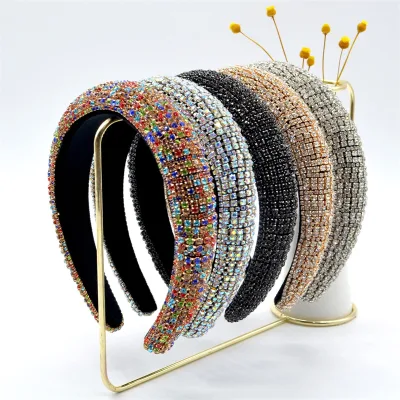
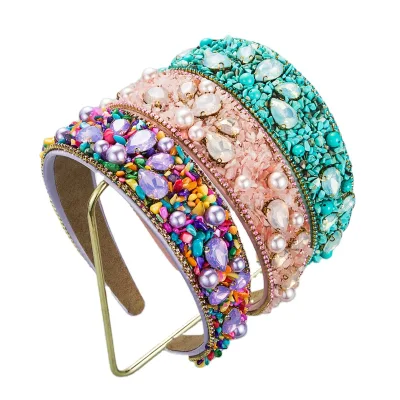
Sourcing vintage-style rhinestone hair bands requires a clear distinction between the aesthetic intent and the specific material realities found in current listings. While the core keyword suggests a retro aesthetic, the observed product data indicates a diverse range of materials including velvet, cotton, satin, and fabric, often combined with rhinestone elements to achieve the desired look. Buyers must recognize that "vintage" in this context often refers to the design style—featuring bowknots, gradient colors, and solid colors—rather than a specific historical manufacturing period, as the products are modern items produced in regions like Yiwu and Zhejiang, China.
The procurement strategy should focus on aligning the visual requirements with the actual product attributes listed, such as the presence of rhinestones, bowknots, and specific colorways like black, white, or silver. Since the observed listings include variations from simple elastic hair bands to decorated headbands with specific model numbers like HO-01751 and IF240148, buyers need to verify that the supplier can deliver the exact combination of elements, such as satin finishes or velvet textures, that match the vintage aesthetic without compromising on the structural integrity of the hair accessory.
Product Scope and Observed Listing Signals
The market for these accessories spans multiple product types, ranging from standard headbands to elastic hair bands and hairpins, each serving different functional needs for daily use, parties, or weddings. The observed data confirms that these items are suitable for girls, youth, and women, with styles categorized as fashion-forward and designed for spring, autumn, or year-round wear. This broad scope means that a single supplier may offer a catalog containing velvet headbands with rhinestone details alongside satin options, requiring buyers to specify their exact preference to avoid receiving a product that matches the vintage look but not the intended material feel.
Listing signals indicate a high degree of customization availability, with many suppliers offering OEM and ODM services to tailor the product to specific brand needs. The observed attributes include specific elements like rhinestones, bowknots, and gradient colors, alongside standard features like "decorate" and "Headband" functionality. Buyers should note that while the core keyword implies a specific vintage style, the actual product scope includes a wide array of finishes and shapes, such as flower-shaped hairpins or solid color bands, necessitating a careful review of the provided images and model numbers to ensure the visual output matches the vintage expectation.
Technical Specifications to Verify
Verifying the physical dimensions and weight of the hair bands is critical, as the observed data presents varying specifications such as a size of 15cm, a weight of 6g, or a standard weight of 30g depending on the model. Buyers must confirm whether the product is an elastic band or a rigid headband, as the "Type" attribute varies between "Headbands" and "Elastic Hair Bands," which directly impacts comfort and fit for the end user. The model numbers, such as IF240153 or JY20211125004, serve as unique identifiers for these technical variations, and relying on a generic description without cross-referencing these specific codes can lead to receiving a product with incorrect sizing or weight characteristics.
Material composition is another vital technical specification, with observed listings featuring velvet, cotton, satin, fabric, and rhinestone as primary components. The "Material" attribute is not uniform across all listings; some products are described as having a velvet base while others are cotton or satin, and the rhinestone element is often an additive feature rather than the sole material. Buyers should explicitly request material samples to verify the texture and durability of the fabric, ensuring that the chosen material, whether it is the softness of velvet or the sheen of satin, aligns with the quality expectations for a vintage-style accessory intended for daily or special occasion use.
Compliance and Safety Documentation
Safety compliance is a non-negotiable aspect of sourcing hair accessories, particularly those adorned with rhinestones that may come into contact with the skin or hair. The observed product data explicitly mentions "Nickel&Lead Free" testing, which is a crucial safety standard for jewelry and hair accessories to prevent allergic reactions or toxicity. Buyers must verify that the specific model they intend to purchase has undergone this testing and request the corresponding test reports, as the presence of rhinestones and metal components increases the risk of heavy metal exposure if the plating or setting is not compliant with international safety standards.
In addition to material safety, certification status provides a layer of assurance regarding the supplier's ethical and quality management systems. The observed listings reference certifications such as BSCI, SGS, BV, and Intertek, which indicate that the supplier adheres to specific social compliance and quality control benchmarks. While these certifications are listed as available attributes, buyers should confirm that the specific production batch they are ordering is covered under these valid certificates, ensuring that the manufacturing process meets the required standards for labor practices and product quality before finalizing the procurement agreement.
Cost Drivers and Commercial Terms
The cost of vintage rhinestone hair bands is influenced by several factors, including the complexity of the design, the type of materials used, and the level of customization required. The observed price range of 0.05 to 6.95 USD reflects the variance between simple fabric bands and more elaborate designs featuring multiple rhinestones, bowknots, or gradient color effects. Buyers should understand that the lower end of the price spectrum likely corresponds to basic models with minimal embellishment, while the higher end includes products with intricate detailing, specific material combinations like velvet and satin, and custom branding services.
Commercial terms such as Minimum Order Quantity (MOQ) and lead times are significant variables in the procurement process, with observed MOQs ranging from 2 to 1000 units. The wide range in MOQ suggests that suppliers are flexible, catering to both small trial orders and large-scale production runs, but buyers must clarify the specific MOQ for their desired model number and customization level. Additionally, the availability of sample making services and mold making capabilities allows for prototyping, which can impact the overall cost structure and timeline, requiring buyers to negotiate these terms clearly to balance budget constraints with the need for product validation.
Supplier Qualification and Quality Control
Supplier qualification should be assessed based on their ability to provide consistent quality across different product types, from velvet headbands to satin hairpins. The observed data indicates that suppliers offer services like sample making and mold making, which are essential for verifying that the final product matches the vintage aesthetic and technical specifications. Buyers should prioritize suppliers who demonstrate a clear understanding of the specific elements required, such as the placement of rhinestones or the finish of the bowknots, and who can provide samples that reflect the "as Pic" standard mentioned in the product attributes.
Quality control measures must be rigorous, especially given the diverse range of materials and the potential for defects in rhinestone settings or fabric stitching. The observed packaging, typically an OPP bag, is a standard method for protecting the product during transit, but buyers should verify if additional protective measures are available for higher-value items. Furthermore, the presence of certifications like BSCI and SGS suggests a baseline for quality management, but buyers should implement their own inspection protocols to ensure that the final shipment meets the agreed-upon standards for weight, size, and visual appearance before accepting the goods.
Long-Term Procurement Checks
Establishing a long-term procurement relationship requires ongoing verification of the supplier's ability to maintain consistency in product attributes and compliance standards. Buyers should regularly audit the supplier's production capabilities to ensure that the materials, such as velvet or satin, and the decorative elements, like rhinestones and bowknots, remain consistent with the initial samples and agreed specifications. This is particularly important for vintage-style items where the aesthetic details are crucial, and any deviation in color, texture, or design can significantly impact the marketability of the product.
Continuous monitoring of market trends and supplier performance is essential to adapt to changing consumer preferences and regulatory requirements. The observed data shows a variety of models and styles, indicating a dynamic market where new designs like gradient colors or specific shapes like flowers may emerge. Buyers should maintain open communication with suppliers to stay informed about new product developments and ensure that the sourcing strategy remains aligned with the evolving demands of the vintage hair accessory market, while also keeping a close watch on any changes in certification status or safety testing requirements.
FAQs
What materials are used for vintage rhinestone hair bands?
These headbands are crafted from velvet, cotton, satin, and fabric. Some designs feature rhinestone elements for decoration. The specific material depends on the model number and style selected for your order.
Can I request customization for these hair accessories?
Customization is available for these fashion headbands. Suppliers offer sample making services and accept OEM and ODM requests. You can specify details like color, elements, and packaging to match your brand needs.
Which certifications do these hair bands meet?
Products often carry BSCI, SGS, BV, and Intertek certifications. They are tested to be nickel and lead free for safety. These standards ensure the accessories meet international quality and safety requirements for export.
How are these vintage rhinestone hair bands packaged?
Items are typically packed in individual OPP bags. Some listings specify one piece per bag for protection. The packaging is designed to keep the headbands clean and ready for retail display or direct shipping.
What is the typical weight of these hair accessories?
The weight varies by model, ranging from 6 grams to 30 grams. Specific items like the velvet headband weigh 6 grams, while others may be heavier. This lightweight design ensures comfort for daily use or parties.
Where are these hair bands manufactured?
Products originate from Yiwu and Zhejiang, China. These regions are known for producing fashion accessories like headbands and hairpins. The location supports efficient sourcing and logistics for international buyers seeking these items.
What occasions are suitable for wearing these headbands?
These fashion headbands are suitable for daily use, parties, and weddings. They are designed for girls and youth and fit spring, autumn, or whole-year seasons. The versatile style complements various outfits and events.