Source Vitamin C Turmeric Facial Toner for Brightening Firming
Compare 30 listings of Vitamin C Turmeric Facial Toner from verified manufacturers in Guangdong. Buyers can evaluate ingredients like hyaluronic acid and retinol, check certifications such as GMP and FDA, and review customization options for private label services.
Key considerations
Products List
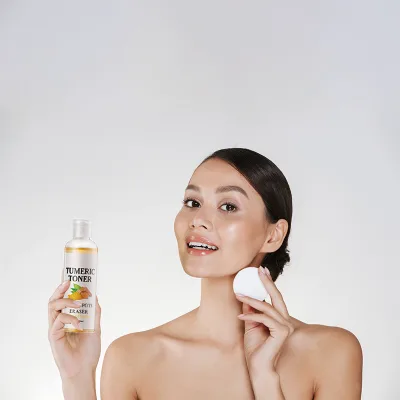


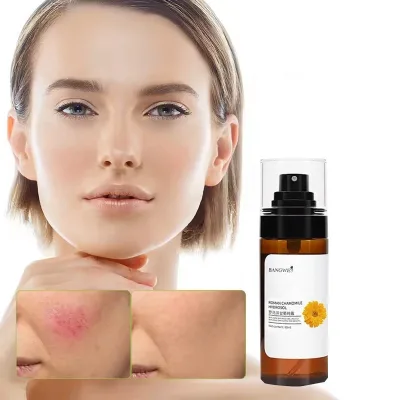
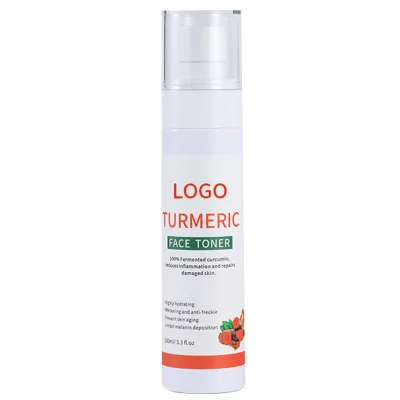
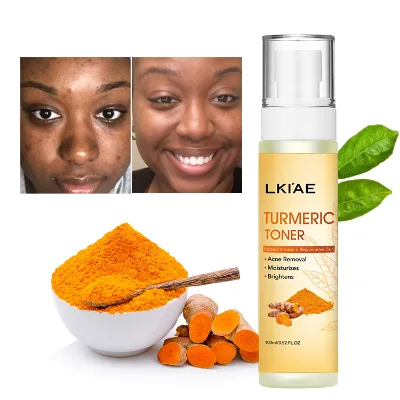
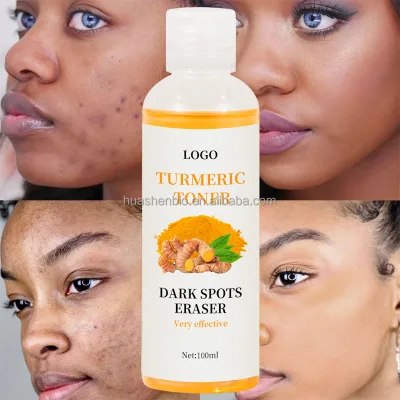
Beauty Cosmetics Skin Care Acne Treatment Turmeric Face Toner Brightening OEM
$1.80 - $2.50
MOQ: 100 Pieces


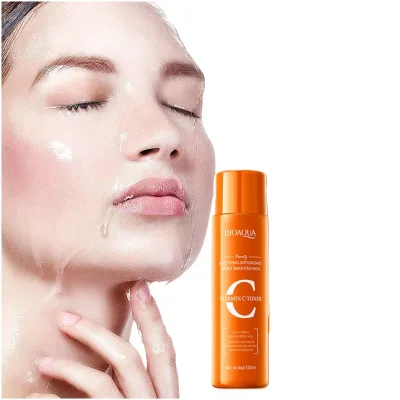
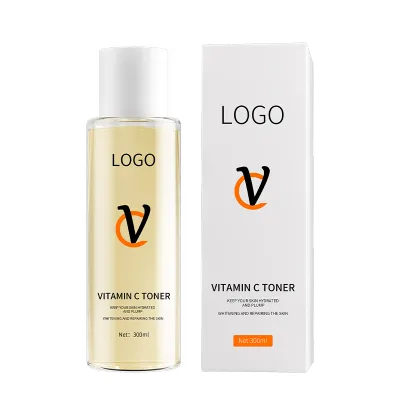
Beauty Cosmetics Skin Care Vitamin C Toner Skin Whitening Moisturizer Toner
$3.80 - $5.00
MOQ: 100 Pieces
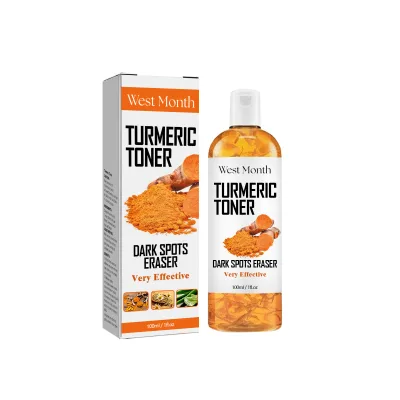


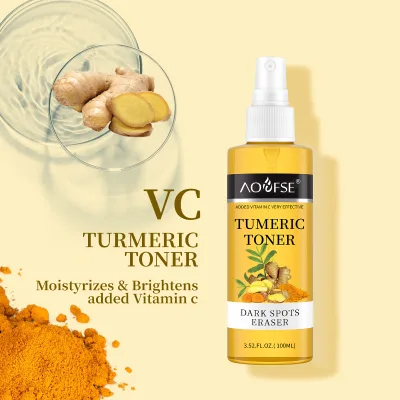
Factory Wholesale Whitening Vitamin C Face Toner Organic Glow Skin Toner
$0.90 - $1.20
MOQ: 1000 Pieces

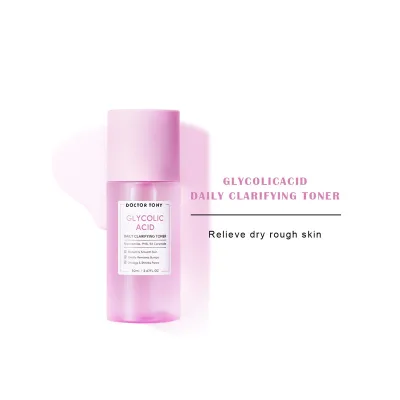
High Quality Anti Aging Hydrating Moisturizing Pomegranate Facial Toner
$1.20 - $2.30
MOQ: 1000 Pieces


Comprehensive Sourcing Guide
Vitamin C Turmeric Facial Toner Sourcing Guide
Sourcing vitamin C and turmeric facial toners requires a nuanced understanding of both the cosmetic formulation landscape and the manufacturing capabilities of suppliers, particularly those based in key production hubs like Guangdong, China. These products are positioned as multi-functional skincare solutions, often marketed under OEM or ODM frameworks that allow brands to customize ingredients, packaging, and branding. The core appeal lies in the synergistic combination of Vitamin C for brightening and antioxidant protection, and turmeric for its anti-inflammatory and soothing properties. Buyers must navigate a market where "luxury" styling and professional skin care claims are common, necessitating rigorous verification of actual ingredient concentrations and efficacy claims versus marketing language.
The procurement process for these toners is characterized by significant flexibility in volume and customization. Suppliers frequently offer private label services, allowing buyers to tailor the product to specific skin types, including combination, normal, dry, sensitive, and oily skin. This adaptability is crucial for brands targeting diverse consumer demographics, from adults seeking anti-aging benefits to those addressing acne or pigmentation issues. However, this flexibility comes with the responsibility of ensuring that the customized formula maintains stability and safety, particularly when combining active ingredients like retinol, hyaluronic acid, and collagen with the base toner formulation.
Product Scope and Observed Listing Signals
The observed market signals indicate a strong emphasis on multi-functional benefits, with products frequently advertised as toners, anti-aging agents, exfoliators, and acne treatments simultaneously. Listings often highlight features such as whitening, firming, and moisturizing, suggesting that buyers should expect a broad spectrum of claimed effects rather than a single-target solution. The presence of ingredients like Vitamin E, glycerin, and organic components further supports the positioning of these toners as comprehensive skincare staples. Buyers should interpret these feature lists as marketing observations rather than guaranteed clinical outcomes, requiring independent verification of the actual ingredient profile and concentration levels in the final product.
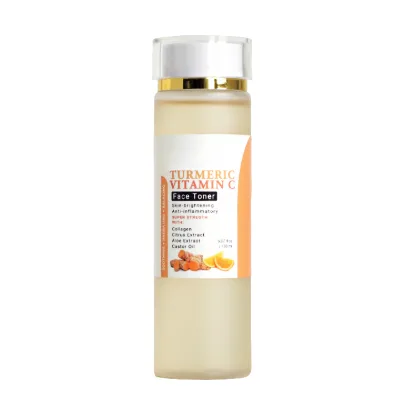
Packaging and presentation play a significant role in the perceived value of these products, with many listings describing the style as "luxury" and the color profile as orange, likely reflecting the natural hue of turmeric. The standard volume observed is 100ml, though customized options up to 1000ml are available, catering to both retail consumers and bulk institutional buyers. The single package size and gross weight data suggest a focus on efficient logistics, but buyers must verify if the "normal package" or "paper box" options meet their specific branding and sustainability requirements. Understanding these physical attributes is essential for calculating landed costs and ensuring the product aligns with the brand's aesthetic and logistical standards.
Technical Specifications to Verify
When evaluating technical specifications, the form of the product is consistently listed as a liquid, which is standard for toners, but buyers must verify the viscosity, clarity, and sedimentation behavior of the final formulation. The inclusion of active ingredients such as retinol and vitamin C requires careful attention to stability, as these compounds can degrade when exposed to light or air. Buyers should request detailed ingredient lists that specify the concentration of key actives, particularly turmeric and vitamin C, to ensure they meet the desired efficacy levels. Additionally, the shelf life of three years is a common claim, but this should be validated through stability testing data provided by the supplier to ensure the product remains effective and safe throughout its intended use period.
Customization options extend beyond ingredients to include packaging and labeling, with services like OEM, ODM, and private labeling widely available. Buyers should clarify the extent of customization allowed, including the ability to modify the formula for specific skin concerns such as pore shrinking, nourishing, or dark spot removal. The availability of samples is a critical technical step, allowing buyers to assess the texture, scent, and immediate skin feel before committing to large orders. It is also important to verify the compatibility of the toner with other products in the buyer’s lineup, ensuring that the pH level and active ingredients do not conflict with existing formulations.
Compliance and Safety Documentation
Compliance is a non-negotiable aspect of sourcing facial toners, with certifications such as CE, FDA, GMP, and MSDS frequently cited by suppliers. Buyers must verify the validity and scope of these certifications, ensuring that they apply specifically to the manufacturing facility and the product category in question. The presence of these certifications indicates a baseline level of regulatory adherence, but it does not guarantee that every batch meets the same standards. Buyers should request copies of the relevant certificates and cross-reference them with official regulatory databases to confirm their authenticity and current status.
Safety documentation, particularly the Material Safety Data Sheet (MSDS), is crucial for understanding the handling, storage, and transportation requirements of the product. Buyers should ensure that the MSDS accurately reflects the final formulation, including any preservatives or stabilizers used to maintain the integrity of vitamin C and turmeric extracts. Additionally, the claim of being paraben-free, silicone-free, and vegan should be verified through third-party testing or supplier declarations, as these are significant selling points for modern consumers. Ensuring that the product meets the regulatory requirements of the target market, whether it is the European Union, the United States, or other regions, is essential for avoiding legal issues and ensuring market access.
Cost Drivers and Commercial Terms
The cost structure for vitamin C and turmeric facial toners is influenced by several factors, including the complexity of the formula, the quality of raw materials, and the level of customization required. The observed price range of $0.61 to $5 per unit suggests a wide variation in product quality and branding, with higher prices likely corresponding to premium ingredients, advanced packaging, or stricter quality control measures. Buyers should analyze the cost breakdown to understand the value proposition, paying attention to the proportion of cost attributed to active ingredients versus base components and packaging.
Commercial terms, including Minimum Order Quantity (MOQ) and payment methods, vary significantly among suppliers. While some suppliers offer an MOQ as low as 100 pieces, others may require orders of 3000 pieces or more, impacting the buyer’s inventory management and cash flow. Payment options such as PayPal, Western Union, and Telegraphic Transfer (TT) provide flexibility, but buyers should assess the security and convenience of each method. It is also important to clarify the terms for sample orders, as some suppliers offer them freely, while others may charge a fee that is refundable upon placing a bulk order.
Supplier Qualification and Quality Control
Supplier qualification involves a thorough assessment of the manufacturer’s capabilities, including their production capacity, quality control processes, and experience in the skincare industry. Buyers should prioritize suppliers with a proven track record in producing facial toners, particularly those with expertise in handling sensitive ingredients like vitamin C and turmeric. The location of the supplier, often in Guangdong or Guangzhou, China, is a significant factor, as these regions are known for their robust manufacturing infrastructure and supply chain efficiency. However, buyers must conduct on-site audits or request detailed facility reports to verify the hygiene and operational standards of the production environment.
Quality control measures should be clearly defined and agreed upon before production begins. This includes specifications for raw material sourcing, in-process testing, and final product inspection. Buyers should establish clear acceptance criteria for parameters such as pH, viscosity, microbial count, and active ingredient concentration. Regular communication with the supplier during the production process is essential to address any issues promptly and ensure that the final product meets the agreed-upon standards. Implementing a robust quality assurance plan helps mitigate the risk of receiving substandard products and protects the brand’s reputation in the market.
Long-Term Procurement Checks
Long-term procurement success depends on establishing a sustainable relationship with suppliers that prioritizes continuous improvement and adaptability. Buyers should regularly review supplier performance metrics, including on-time delivery, product quality consistency, and responsiveness to issues. Building a partnership based on transparency and mutual benefit can lead to better pricing, priority production slots, and collaborative innovation in product development. It is also important to stay informed about changes in regulatory requirements and market trends, ensuring that the sourced products remain compliant and competitive over time.
Continuous monitoring of ingredient supply chains is crucial, particularly for key components like vitamin C and turmeric, which can be subject to price volatility and quality fluctuations. Buyers should work with suppliers to secure stable sources of high-quality raw materials and implement contingency plans for potential supply disruptions. Additionally, staying engaged with consumer feedback and market data can help identify opportunities for product refinement and expansion. By maintaining a proactive approach to procurement, buyers can ensure that their vitamin C and turmeric facial toner offerings continue to meet the evolving needs of their customers and maintain a strong position in the skincare market.
FAQs
What are the main ingredients in this toner?
The main ingredients include Turmeric, Chamomile, Vitamin E, Retinol, Vitamin C, Hyaluronic Acid, Glycerin, and Collagen. These components work together to provide moisturizing, lightening, and firming benefits for all skin types.
Can I get this product with custom packaging?
Yes, customization is available for this product including private label services. The standard packaging is a paper box, but you can request specific volume options like 100ml or 80ml depending on your needs.
What certifications does the manufacturer hold?
The product holds CE, FDA, GMP, and MSDS certifications. These standards ensure the manufacturing process meets safety and quality requirements for export to international markets from Guangdong, China.
How long is the shelf life of the toner?
The shelf life is three years from the date of manufacture. This duration applies to the liquid form stored under normal conditions, ensuring stability for the Vitamin C and Retinol ingredients.
What is the minimum order quantity for this item?
The minimum order quantity is 100 pieces for standard orders. Some listings indicate a higher threshold of 1000 pieces, so you should confirm the specific MOQ with the supplier before placing an order.
Does the toner help with acne treatment?
Yes, the toner functions as an acne treatment and helps shrink pores. It also offers soothing and calming effects while removing dark spots and correcting pigmentation for a brighter complexion.
Is the product suitable for sensitive skin?
Yes, the formula is designed for all skin types including sensitive, dry, and oily skin. It is paraben-free, silicone-free, and oil-free to minimize irritation while providing deep hydration.