Source VVT Engine Camshaft Phaser for Toyota, Hyundai, Land Rover
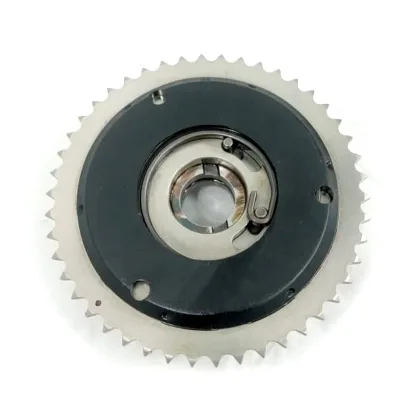
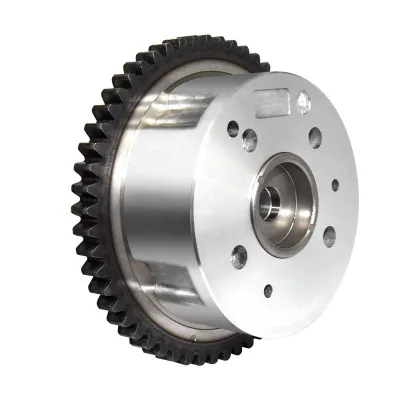
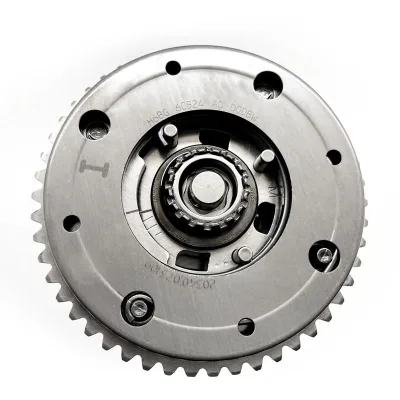
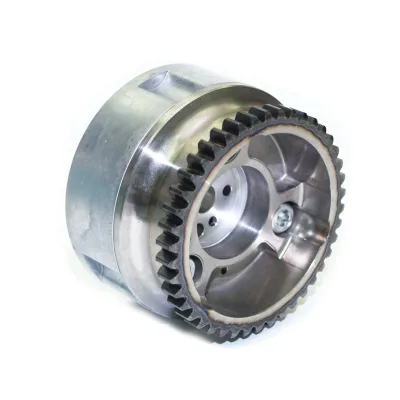
Find 30 VVT Engine Camshaft Phaser options from China suppliers. Compare aluminum and steel models for Toyota, Hyundai, and Land Rover vehicles. Review OEM numbers, certifications, and packaging details to select the right replacement part for your automotive repair needs.
Key considerations
Products List


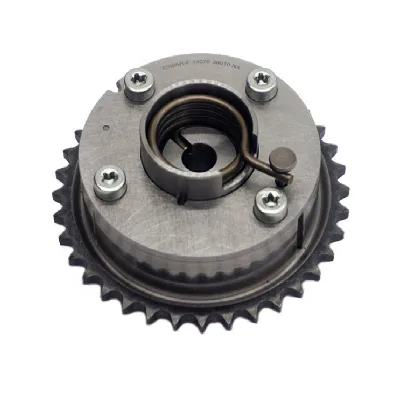

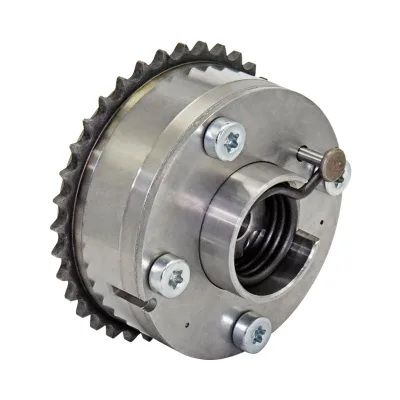
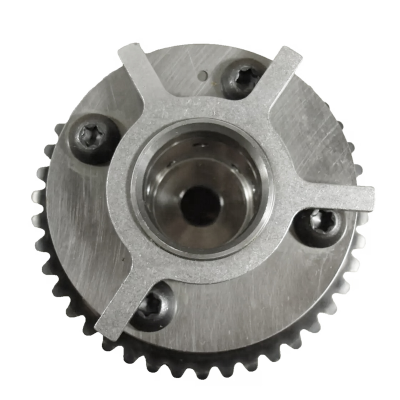
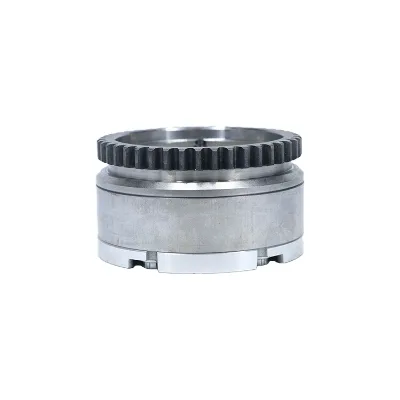
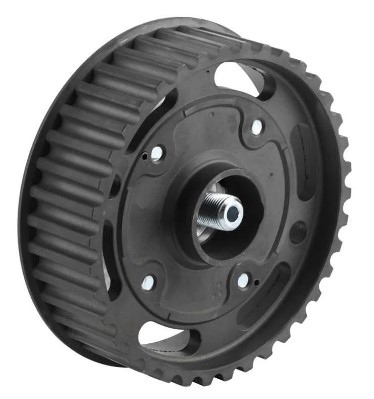


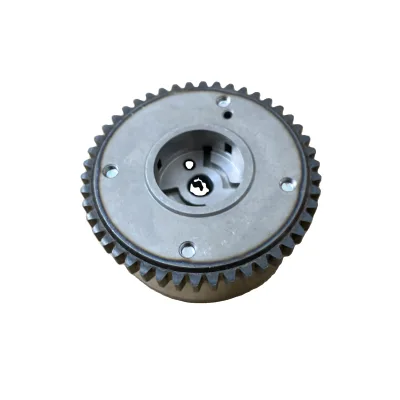
Comprehensive Sourcing Guide
VVT Engine Camshaft Phaser Sourcing Guide
Buyers must first distinguish between standard and non-standard components when evaluating listings for vvt engine camshaft phasers. The market data indicates a split between standard OE replacements, such as those matching Hyundai IVVT specifications, and custom powder metallurgy parts designed for specific non-standard applications. Understanding this distinction is critical because standard components often rely on established casting or machining processes, whereas custom solutions may utilize powder metallurgy to achieve complex geometries that traditional methods cannot easily produce.
Procurement decisions should also account for the specific vehicle platforms supported by the available inventory. Listings frequently reference compatibility with Toyota engine families like the 1AR, 2AR, 3AR, and 5AR series, alongside specific Land Rover part numbers. Buyers should verify that the listed OE numbers, such as 24350-23800 or 13070-36010, align precisely with their fleet requirements before proceeding, as the phaser's internal geometry and oil flow characteristics are often unique to the engine generation.
Product Scope and Observed Listing Signals
The observed product range reveals significant variation in material composition and manufacturing techniques, which directly impacts durability and performance. Some listings specify aluminum alloy construction using casting techniques, while others highlight steel components produced via powder metallurgy processes. This divergence suggests that buyers must carefully review the material specification for each unit, as the density and tensile strength of the chosen material will influence the phaser's ability to withstand high engine temperatures and mechanical stress over time.
Packaging and origin details provide additional context regarding the supply chain's maturity and logistics readiness. Products are commonly shipped in cartons, PE bags, or bubble bags, with some suppliers offering palletized shipping for bulk orders. The majority of observed listings originate from China, with specific manufacturing hubs noted in Jiangsu and Shanghai. Buyers should consider these origin points when calculating total landed costs, as regional logistics networks and export procedures can vary significantly between different Chinese provinces.
Technical Specifications to Verify
Verification of the phaser's mechanical properties is essential to ensure compatibility with the engine's variable valve timing system. Key attributes to confirm include the type of inlet, such as subsonic or adjustable air inlets, and the specific placement relative to the automobile front grille. For high-performance applications, buyers should also check for shock wave numbers and internal pressure ratings, as these factors determine how the phaser manages airflow and pressure fluctuations within the engine bay during operation.
Dimensional and structural integrity must be validated against the original equipment manufacturer's standards. Listings often cite specific models like HLXCL-366 or KZBA007, which serve as reference points for the component's physical footprint. Buyers should ensure that the product size matches the OEM standard size and that the hardness, yield strength, and tensile strength values meet the required thresholds for the specific engine application. Discrepancies in these mechanical properties can lead to premature failure or improper timing adjustment.
Compliance and Safety Documentation
Certification status serves as a primary indicator of a supplier's adherence to international quality management systems. The available data shows a mix of certifications, including ISO9001, TS16949, CCC, ISOCE, and RoHS compliance. Buyers should prioritize suppliers who can provide valid documentation for these standards, as they indicate a commitment to consistent manufacturing processes and environmental safety. The presence of multiple certifications often suggests a more robust quality control infrastructure capable of supporting large-scale B2B orders.
Safety and regulatory compliance extend beyond general certifications to include specific component standards. Some listings identify the product as a standard component, while others classify it as non-standard, requiring custom engineering validation. Buyers must verify that the product meets the relevant safety standards for the target market, particularly if the components are destined for North America or other regions with strict automotive regulations. Ensuring that the supplier can provide traceability for materials and processes is crucial for maintaining compliance throughout the supply chain.
Cost Drivers and Commercial Terms
Pricing in this sector is influenced by the complexity of the manufacturing process and the volume of the order. The observed price range spans from $0.10 to $102.20, reflecting the difference between simple standard replacements and complex custom-engineered parts. Buyers should anticipate that powder metallurgy parts, which require specialized tooling and sintering processes, may command a higher price point compared to standard cast components. Understanding these cost drivers helps in budgeting for both initial procurement and long-term replacement cycles.
Commercial terms such as Minimum Order Quantity (MOQ) and lead times are critical factors in supply chain planning. The market data indicates an MOQ range from 1 to 10,000 units, offering flexibility for both small-scale repairs and large fleet replenishments. Delivery times typically range from 16 to 30 days, depending on the supplier's location and current production capacity. Buyers should negotiate clear terms regarding these variables to avoid production delays, especially when sourcing custom parts that may require additional setup time.
Supplier Qualification and Quality Control
Supplier qualification should focus on the consistency of their production capabilities and their ability to maintain quality over time. Many suppliers offer customization services, allowing for tailored solutions that meet specific engine requirements. However, buyers must verify that the supplier has the necessary infrastructure to handle these customizations without compromising on quality. The availability of a warranty, such as 12 months or 60,000 kilometers, is a strong indicator of the supplier's confidence in their product's reliability and durability.
Quality control processes must be rigorously evaluated to ensure that every unit meets the specified technical requirements. Buyers should request evidence of in-process inspections and final testing protocols, particularly for critical attributes like tensile strength and hardness. The presence of a dedicated quality assurance team and a clear process for handling non-conforming products is essential. Additionally, verifying the supplier's track record in delivering consistent quality across different batches will help mitigate the risk of receiving defective components.
Long-Term Procurement Checks
Establishing a long-term partnership requires regular performance reviews and continuous monitoring of supplier capabilities. Buyers should implement a system to track key performance indicators such as on-time delivery rates, defect rates, and responsiveness to technical inquiries. This data-driven approach allows for proactive identification of potential issues before they impact production schedules. Maintaining open communication channels with suppliers ensures that any changes in product specifications or manufacturing processes are communicated promptly.
Future-proofing the procurement strategy involves staying informed about industry trends and technological advancements in vvt engine technology. As engine designs evolve, the requirements for camshaft phasers may change, necessitating updates to the product specifications. Buyers should work closely with suppliers to anticipate these changes and ensure that the supply chain remains agile enough to adapt. Regular audits and collaborative planning sessions can help maintain a resilient supply chain capable of meeting future demands.
FAQs
What is the product description for this camshaft phaser?
The product is described as a Camshaft Phaser designed for replace or repair purposes. It features an adjustable air inlet and is available for customization. The unit is manufactured using casting or powder metallurgy techniques depending on the specific model variant.
Which certifications do the VVT Engine Camshaft Phaser products hold?
Products hold certifications including CCC, ISO9001, TS16949, ISOCE, and RoHS. These standards ensure quality and compliance for automotive applications. Some items are classified as standard components while others are non-standard, all meeting specific industry requirements for safety and performance.
Can I find VVT Engine Camshaft Phaser parts with specific OE numbers?
Yes, parts are available with OE numbers such as 24350-23800, 24350-2e011, and 13070-36010. These components fit models like Hyundai IVVT and Toyota 1AR 3AR engines. The condition is new, and they are sized to OEM standards for direct replacement.
How is the VVT Engine Camshaft Phaser packaged for shipping?
Packaging options include cartons, PE bags, bubble bags, boxes, and shipping pallets. Standard packing often specifies five pieces per carton. Custom packaging is available as required by the buyer to ensure safe transport and storage of the aluminum alloy or steel components.
What is the lead time for ordering these camshaft adjusters?
The delivery time ranges from 16 to 30 days for standard orders. This timeline applies to new condition parts sourced from manufacturers in China or Jiangsu. Buyers should account for this duration when planning repairs or inventory replenishment for their automotive needs.
Which materials are used to manufacture the VVT Engine Camshaft Phaser?
Materials include Aluminum Alloy and Steel, selected based on the specific component design. The steel variants exhibit a density of 6.9g/cm3 with a tensile strength of 462MPa. These properties ensure durability and performance under the high-pressure conditions typical of subsonic or supersonic inlets.
What warranty is provided for the camshaft adjuster products?
A warranty of 12 months or 60,000 kilometers is provided for the camshaft adjuster. This coverage applies to new condition parts that meet OEM standard sizes. Buyers can rely on this guarantee for peace of mind regarding the longevity and reliability of the purchased components.