Source VVT Timing Gear Camshaft Adjuster for Toyota Fiat Changan
Explore 30 listings for the VVT Timing Gear Camshaft Adjuster designed for Toyota, Fiat, and Changan models. Buyers can compare specifications like OE numbers, delivery times, and warranty periods to find the right supplier for their automotive needs.
Key considerations
Products List

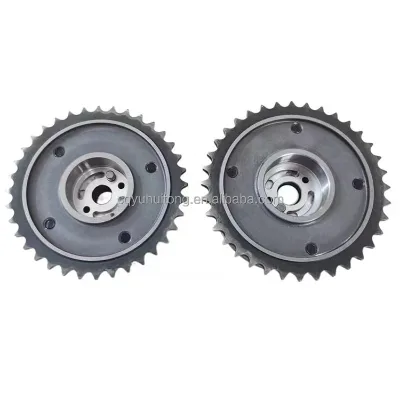
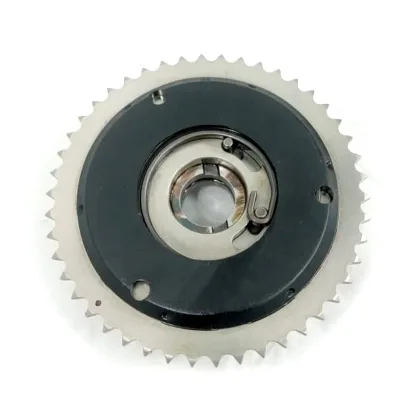
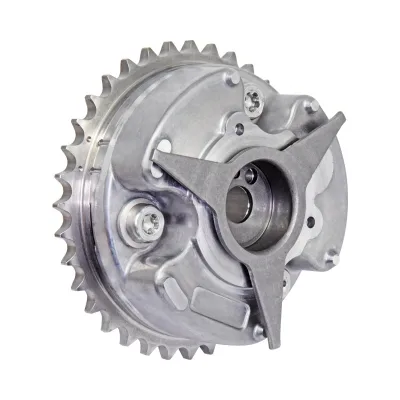
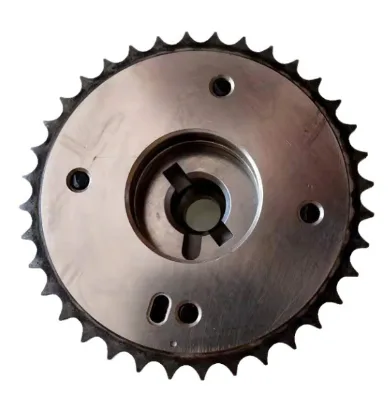


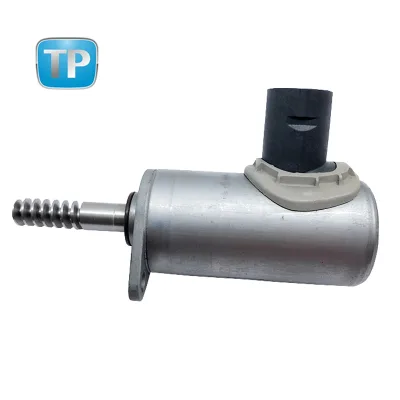
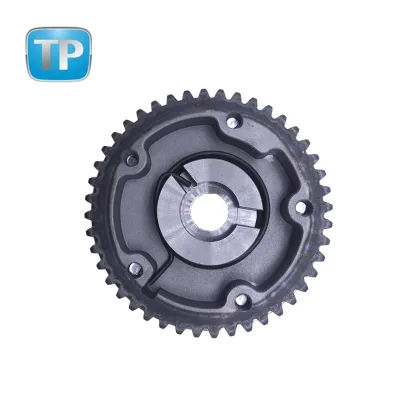
Auto Engine Timing Chain Kit Camshaft Adjuster 03c109088f for Germany Car
$40.00 - $55.00
MOQ: 1 Pieces


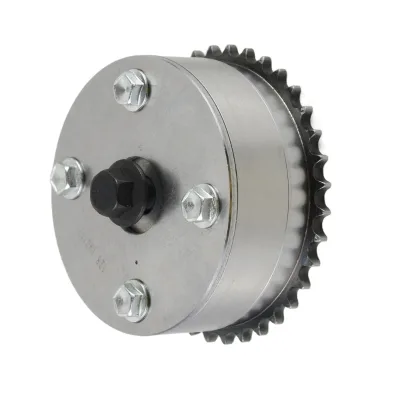

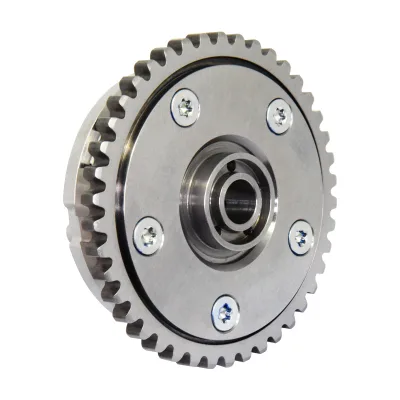
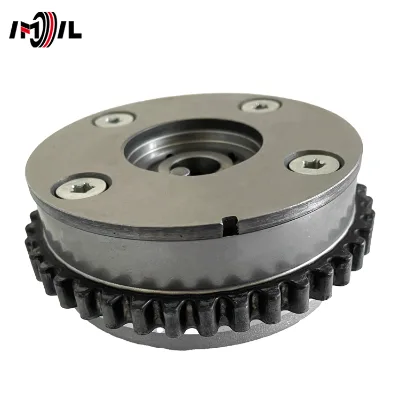
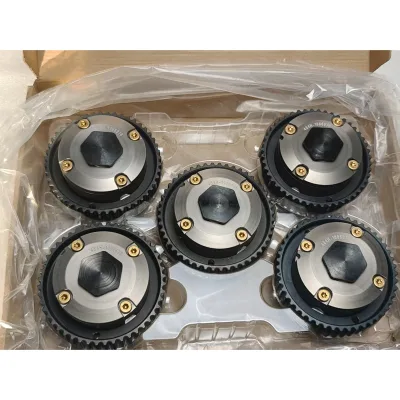


Comprehensive Sourcing Guide
Strategic Sourcing Guide for VVT Timing Gear and Camshaft Adjuster Procurement
Technical Specifications and Component Variability
The procurement of Variable Valve Timing (VVT) components, specifically camshaft adjusters and timing gears, requires a granular understanding of the diverse technical architectures available in the global market. These components are not monolithic; they vary significantly based on engine design, manufacturer specifications, and the specific timing mechanism employed. When sourcing these parts, buyers must distinguish between different operational modes and physical configurations. For instance, the market includes units designed with specific inlet characteristics, such as subsonic inlets or DSI (Dynamic Supersonic Inlet) configurations, which are critical for optimizing airflow and pressure dynamics within the engine block.
Material composition is a primary determinant of performance and longevity. High-grade steel is frequently cited as the standard material for these components, offering a balance of durability and machinability. Specific metallurgical properties, such as a density of approximately 6.9 g/cm³, tensile strength reaching 462 MPa, and yield strength of 345 MPa, are indicators of the structural integrity required to withstand the high-stress environment of an internal combustion engine. Furthermore, hardness ratings, such as 130 HRB, are essential metrics to verify that the component can resist wear and deformation under continuous operation.
The physical dimensions and packaging specifications also play a role in logistics and compatibility. Buyers should expect variations in single package sizes, which can range from compact dimensions like 15x15x8 cm to slightly larger units at 17x17x8 cm, depending on the specific model and brand. The gross weight of individual units can vary from negligible amounts to approximately 1.8 kg, influencing shipping costs and handling requirements. It is imperative to match the product model number, such as HLXCL-366, or the specific OE number, like JL478QEE or 55263219, to ensure the component fits the intended vehicle architecture. The "Single volume" and "Single gross weight" fields often appear as zero or specific values in listings, and buyers must verify these against the actual physical product to avoid discrepancies in freight calculations.
Compliance, Certification, and Regulatory Standards
Navigating the regulatory landscape is a critical step in the procurement of automotive parts. While the core keyword focuses on VVT gears and adjusters, the underlying compliance requirements often extend to broader manufacturing standards. In the context of global trade, certifications such as CCC (China Compulsory Certification), ISOCE, and RoHS are frequently observed as markers of adherence to safety and environmental regulations. These certifications indicate that the manufacturing process has undergone specific scrutiny regarding hazardous substances and electrical safety, although the specific application of these standards to mechanical timing components must be verified on a case-by-case basis.
Buyers must also consider the "TSClassification" and other technical classifications that may appear in product descriptions. These classifications often relate to the operational limits of the component, such as subsonic inlet designs, which imply specific aerodynamic or pressure constraints. When evaluating a supplier, it is essential to request documentation that proves the validity of these certifications. The presence of a certification label does not automatically guarantee that every unit in a batch meets the standard; rather, it suggests that the manufacturing facility is certified to produce under those guidelines.
Furthermore, the "Condition" of the product is a fundamental compliance attribute. Listings often specify "100% -new" or simply "New," which distinguishes the item from refurbished or used parts. This distinction is vital for warranty claims and long-term reliability. The "Quality" attribute, often described as "High-Quality," is a subjective claim that must be substantiated by objective data, such as tensile strength and hardness values, or by third-party inspection reports. Buyers should not rely solely on marketing descriptors but should demand evidence that the product meets the rigorous demands of modern automotive engineering.
Cost Drivers and Pricing Dynamics
The pricing of VVT timing gears and camshaft adjusters is influenced by a complex interplay of factors, including material costs, manufacturing complexity, and market demand. The observed price range in the market spans from $0.01 to $110.70 USD, a variance that reflects the difference between generic aftermarket components and specialized OEM-equivalent parts. This wide range underscores the importance of defining the specific requirements before engaging in price negotiations. A low unit price may indicate a generic part with standard tolerances, whereas a higher price point often correlates with precise engineering, specific brand licensing (such as NMN), and higher quality control standards.
Minimum Order Quantity (MOQ) is another significant cost driver. The market exhibits an MOQ range from 1 set to 10,000 units. For small-scale buyers or those testing a new supplier, an MOQ of 1 set or 20 pieces can be advantageous, allowing for lower capital expenditure and reduced inventory risk. However, larger orders often unlock economies of scale, potentially reducing the per-unit cost. Buyers must balance the cost of goods against the cost of capital tied up in inventory. The "Supply Ability" of the supplier, noted as 500 sets per month in some contexts, also impacts pricing; suppliers with higher capacity may offer more competitive rates for bulk orders, provided the demand is consistent.
Payment terms and logistics costs further influence the total cost of ownership. Standard payment methods include TT (Telegraphic Transfer), Western Union, and PayPal, each carrying different implications for transaction fees and security. Additionally, the "Delivery" time, ranging from 7-15 working days to 15 working days, affects the urgency and potential need for expedited shipping. Buyers should calculate the total landed cost, including shipping, insurance, and potential duties, rather than focusing solely on the unit price. The "Packing" method, whether neutral, PE bag, bubble bag, or carton, also affects the final cost, as specialized packaging may be required to prevent damage during transit.
Typical Applications and Vehicle Compatibility
Understanding the specific applications of VVT components is crucial for ensuring compatibility and performance. These parts are designed for a wide array of vehicle makes and models, with specific engineering requirements for each. For example, the camshaft adjuster is explicitly listed for the Changan CS35 V7, a vehicle equipped with a 4-cylinder engine. Similarly, other components are tailored for Fiat models, identified by specific OE numbers like 55263219 and 13050-31010, and are compatible with Toyota 1GRFE 4.0L engines. The "Car Make" attribute often specifies the engine configuration, such as "4 Cylinder," which is a key identifier for the timing system's complexity.
The "Placement" of these components is another critical factor. VVT adjusters and timing gears are typically located near the automobile front grille or within the engine block, depending on the specific design. This placement influences the thermal and mechanical stresses the component must endure. The "Type" of VVT system, such as VVT-i or other proprietary technologies, must match the vehicle's original design to ensure proper timing and engine efficiency. The "Product Name" may vary, with terms like "Camshaft Phaser" or "Variable Timing Sprocket" being used interchangeably, but the underlying function remains the same: to adjust the timing of the camshaft relative to the crankshaft.
Buyers must verify the "Car Model" and "OE NO." against their inventory or the vehicles they service. The "Size" of the component, often described as "Standard Size" or "OEM Standard," is a general descriptor that should be cross-referenced with precise measurements. The "Brand Name," such as NMN, may indicate a specific manufacturer or a private label, and buyers should assess the reputation of the brand in relation to the specific vehicle application. The "Main Market" for these products is often North America, suggesting that the components are designed to meet the standards and demands of that region, but they are sourced from origins like Guangdong, China, highlighting the global nature of the supply chain.
Supplier Evaluation and Reliability Assessment
Evaluating a supplier for VVT timing components requires a multi-faceted approach that goes beyond simple price comparison. The "Place of Origin" is a significant indicator, with Guangdong, China, being a prominent hub for automotive parts manufacturing. However, the location alone does not guarantee quality. Buyers should assess the supplier's "Supply Ability," which indicates their capacity to meet demand without compromising quality or delivery schedules. A supplier claiming a supply ability of 500 sets per month must demonstrate the infrastructure to maintain this volume consistently.
The "Warranty" offered by the supplier is a strong indicator of their confidence in the product. Warranties can range from 1 month to 12 months, with longer periods often reflecting higher quality standards and better after-sales support. A 12-month warranty on a camshaft phaser suggests a robust product, whereas a 1-month warranty may indicate a higher risk or a lower-quality component. Buyers should also review the "Condition" of the product, ensuring it is "100% -new" and not refurbished, as this directly impacts the warranty validity and the component's lifespan.
Communication and transparency are key aspects of supplier evaluation. The "Delivery" time, whether 7-15 days or 15 working days, should be clearly defined and adhered to. Suppliers who provide accurate lead times and maintain consistent communication are more likely to be reliable partners. The "Packing" standards, such as the use of PE bags, bubble bags, and cartons, also reflect the supplier's attention to detail and commitment to protecting the product during transit. Buyers should request samples or inspection reports to verify the "Quality" and "Hardness" claims before committing to a large order.
Quality Control and Long-Term Procurement Strategy
Implementing a robust quality control (QC) strategy is essential for mitigating the risks associated with sourcing VVT timing components. Given the critical nature of these parts to engine performance, even minor defects can lead to catastrophic failure. Buyers should establish clear acceptance criteria based on the technical specifications provided, such as tensile strength, yield strength, and hardness. The "Single gross weight" and "Single volume" should be verified against the physical product to ensure consistency and prevent substitution of inferior materials.
Long-term procurement considerations involve building a sustainable relationship with suppliers who can deliver consistent quality over time. This includes monitoring the "Delivery" performance and ensuring that the "Supply Ability" aligns with the buyer's demand fluctuations. The "Payment" terms should be structured to protect the buyer's interests, with options like TT or PayPal offering varying levels of security. Buyers should also consider the "Selling Units" and "MOQ" to optimize their inventory management, balancing the need for stock with the cost of holding inventory.
Finally, buyers should maintain a proactive approach to market intelligence. The "Main Market" trends, such as the dominance of North American demand, can provide insights into future product developments and pricing strategies. By staying informed about the "Product Name" variations and "Car Model" updates, buyers can anticipate changes in the supply chain and adjust their procurement strategies accordingly. The goal is to secure a reliable supply of high-quality VVT timing gears and camshaft adjusters that meet the rigorous demands of modern automotive engineering while maintaining cost efficiency and operational reliability.
FAQs
What certifications apply to these camshaft adjusters?
These components carry CCC, ISOCE, and RoHS certifications. Buyers should verify that specific batches meet these standards as the listing indicates the manufacturing facility is certified rather than guaranteeing every single unit.
Which materials are used for the VVT timing gear?
The parts are constructed from steel with a density of 6.9g/cm3. This material offers a tensile strength of 462MPa and a yield strength of 345MPa to withstand high engine stress.
Can I customize the product specifications for my order?
Customization is available for these camshaft adjusters. Buyers can request specific modifications to meet unique vehicle requirements while maintaining the core structural integrity of the steel component.
How long is the delivery time for these parts?
Delivery typically takes 7 to 15 working days depending on the specific supplier. Some listings indicate a standard lead time of 15 working days for production and shipping.
What is the minimum order quantity for a single item?
The minimum order quantity can be as low as 1 set for testing purposes. However, some specific listings require a minimum of 20 pieces or 20 PCS for certain models.
Which car models are compatible with this adjuster?
These parts fit models like the Changan CS35 V7 and various Fiat vehicles. Specific compatibility depends on the OE number, such as JL478QEE or 55263219, matching the engine type.
What warranty is provided for the new camshaft phaser?
Warranty periods range from 1 month to 12 months depending on the supplier. A 12-month warranty is available for high-quality units, while others may offer shorter coverage periods.