Source VW Engine Camshaft Adjuster for Audi, VW, and Tractor
Find a VW Engine Camshaft Adjuster from 30 verified listings. Compare steel and aluminum options for Audi and VW applications. Evaluate OEM numbers, warranty terms, and shipping methods to select the right part for repair or replacement needs; compare the available evidence and request quotations based on your requirements.
Key considerations
Products List

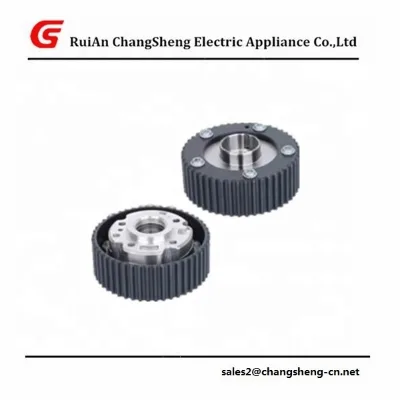
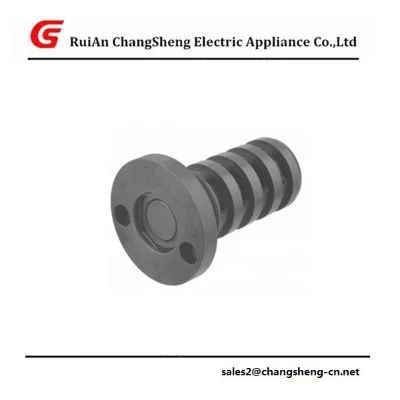
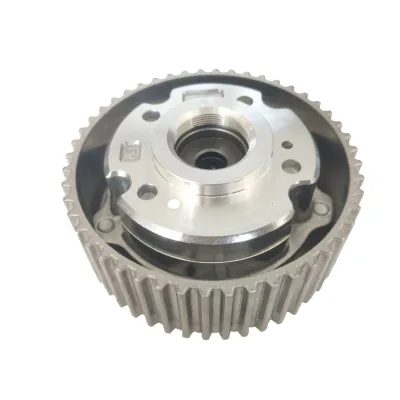
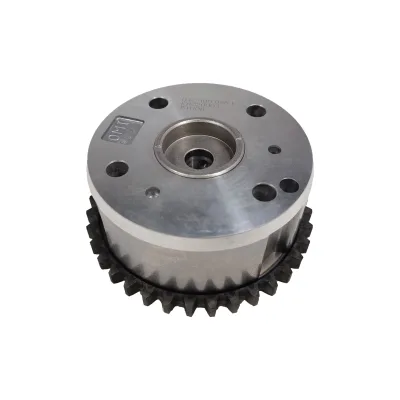


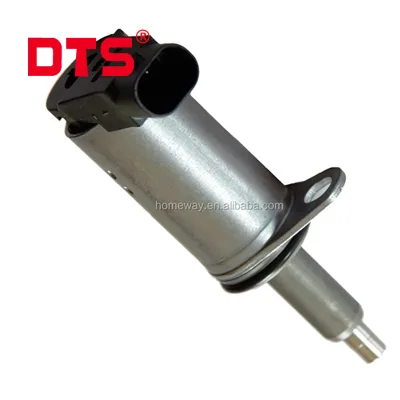


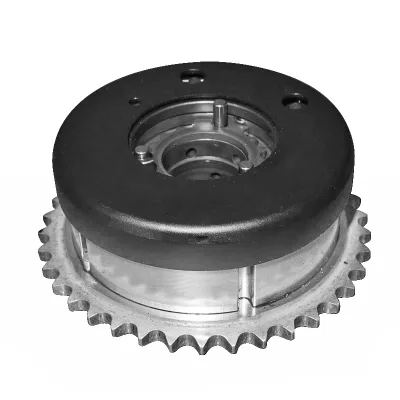


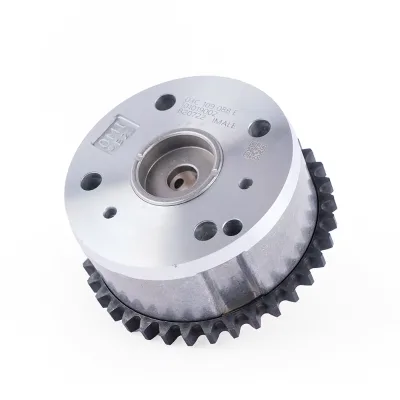


Comprehensive Sourcing Guide
VW Engine Camshaft Adjuster Sourcing Guide
Procuring camshaft adjusters for Volkswagen engines requires a disciplined approach to part identification and supplier verification. The market offers various listings, but buyers must distinguish between generic aftermarket components and precise replacements that match original equipment specifications. This guide outlines the critical steps for sourcing these engine parts, ensuring that the selected components meet the rigorous demands of modern automotive engineering. By focusing on verified attributes and clear commercial terms, procurement teams can mitigate the risks associated with incompatible or low-quality parts.
The following sections provide a structured framework for evaluating suppliers and products. We will examine the observed listing signals, technical specifications, compliance requirements, cost drivers, supplier qualifications, and long-term procurement checks. Each section is designed to help buyers make informed decisions based on factual data and industry best practices. This approach ensures that the sourcing process is efficient, transparent, and aligned with the operational needs of the business.
Product Scope and Observed Listing Signals
The current market for VW engine camshaft adjusters presents a diverse range of products, with observed prices ranging from 1 to 100 USD and minimum order quantities (MOQs) varying from 1 to 3000 pieces. Listings often highlight competitive pricing and high-quality guarantees, but buyers must scrutinize these claims against specific product attributes. For instance, some products are marketed with OEM numbers such as 06H 109 257 C and 022109087N, while others reference OE numbers like 04C109088G. These identifiers are crucial for ensuring compatibility with specific VW engine models, and buyers should verify that the listed OEM numbers match their vehicle’s requirements before placing an order.
Additionally, product descriptions frequently mention customization options and various packing methods, including neutral packing, carton packing, and paper packing. The place of origin is typically listed as China, with specific provinces like Zhejiang and Henan mentioned. Buyers should note that some listings specify a delivery time of 3-7 days, while others offer shipping via DHL, UPS, EMS, FedEx, or ocean freight. Understanding these logistical details is essential for planning inventory and managing supply chain risks. The presence of warranty terms, such as 1 year or 12 months, also provides a layer of protection for buyers, but the specific conditions of these warranties should be clearly understood.
Technical Specifications to Verify
Verifying technical specifications is paramount when sourcing camshaft adjusters, as even minor discrepancies can lead to engine performance issues. Buyers should confirm the material composition, with steel and aluminum being common materials observed in listings. The model numbers, such as 200-04400-6050, CS-526, and DZ001, serve as unique identifiers that must be cross-referenced with the vehicle’s service manual. Furthermore, the condition of the parts is typically listed as new, but buyers should request additional details regarding the manufacturing process and quality control measures to ensure durability and reliability.
The application of these parts is primarily for auto engine parts, with some listings specifying use in tractors, which may indicate a broader compatibility range. However, buyers should exercise caution when interpreting such broad applications, as engine-specific requirements can vary significantly. The camshaft shape is sometimes described as crankshaft, which may be a misclassification, and buyers should seek clarification on the actual geometry and fitment. Additionally, the purpose of the part is often stated as for replace/repair, addressing issues like abnormal noise during cold start and idling vibration. Confirming these details with the supplier can prevent mismatches and ensure that the purchased parts effectively resolve the intended mechanical issues.
Compliance and Safety Documentation
Compliance and safety documentation are critical components of the sourcing process, ensuring that the procured parts meet regulatory standards and industry best practices. Buyers should request certificates of conformity and material safety data sheets (MSDS) from suppliers to verify that the camshaft adjusters are manufactured in accordance with relevant environmental and safety regulations. Although specific certifications are not always listed in product descriptions, buyers should proactively ask for this information to ensure that the parts are safe for use in automotive applications.
Furthermore, buyers should verify that the suppliers adhere to recognized quality management systems, such as ISO 9001, to ensure consistent product quality. While the provided facts do not explicitly mention these certifications, they are standard expectations in the automotive parts industry. Buyers should also inquire about the testing procedures used to validate the performance and durability of the camshaft adjusters. This includes checks for material strength, dimensional accuracy, and functional performance under various operating conditions. By demanding comprehensive documentation, buyers can mitigate the risks associated with non-compliant or substandard parts.
Cost Drivers and Commercial Terms
Understanding the cost drivers and commercial terms is essential for effective procurement of VW engine camshaft adjusters. The observed price range of 1 to 100 USD suggests that costs can vary significantly based on factors such as material quality, manufacturing complexity, and supplier location. Buyers should analyze these price variations to identify the most cost-effective options without compromising on quality. Additionally, the MOQs, which range from 1 to 3000 pieces, offer flexibility for different procurement needs, from small-scale repairs to large-scale inventory replenishment.
Commercial terms, including shipping methods and delivery times, also impact the total cost of ownership. Listings indicate delivery times of 3-7 days for some products, while others may involve longer lead times depending on the shipping method chosen. Buyers should consider the trade-offs between faster delivery and higher shipping costs, as well as the potential benefits of bulk ordering to reduce per-unit costs. Warranty terms, such as 1 year or 12 months, provide additional value by offering protection against defects. Buyers should negotiate clear warranty conditions and return policies to ensure that they are adequately protected in case of product failures.
Supplier Qualification and Quality Control
Supplier qualification and quality control are vital for ensuring the reliability and consistency of the procured camshaft adjusters. Buyers should conduct thorough due diligence on potential suppliers, verifying their business credentials, manufacturing capabilities, and track record in the automotive parts industry. This includes checking for any history of quality issues or customer complaints, as well as assessing the supplier’s ability to meet specific technical requirements. Suppliers with a strong reputation for quality and reliability are more likely to deliver products that meet the buyer’s expectations.
Quality control measures should be clearly defined and enforced throughout the production process. Buyers should request information on the supplier’s quality control protocols, including inspection procedures, testing methods, and defect rate monitoring. Additionally, buyers should consider implementing their own quality control checks upon receipt of the products, such as visual inspections and functional tests. By establishing a robust quality control framework, buyers can minimize the risk of receiving defective or non-compliant parts, ensuring that the camshaft adjusters perform as intended in the vehicle.
Long-Term Procurement Checks
Long-term procurement checks are necessary to maintain the quality and reliability of the sourced camshaft adjusters over time. Buyers should establish a regular review process to evaluate supplier performance, product quality, and market trends. This includes monitoring supplier delivery times, product defect rates, and customer feedback to identify any emerging issues. By maintaining a proactive approach to supplier management, buyers can address potential problems before they escalate and ensure a stable supply chain.
Additionally, buyers should stay informed about changes in automotive technology and regulatory requirements that may impact the sourcing of camshaft adjusters. This includes keeping abreast of new OEM specifications, material standards, and environmental regulations. By continuously updating their sourcing strategies, buyers can adapt to changing market conditions and ensure that they are always sourcing the most appropriate and compliant products. Regular communication with suppliers and industry peers can also provide valuable insights and best practices for long-term procurement success.
FAQs
What is the material composition of the camshaft adjuster?
The camshaft adjuster is constructed from steel or aluminum depending on the specific model variant. Some units feature steel construction while others utilize aluminum for weight reduction. This material selection ensures durability and performance under engine operating conditions for both VW and Audi applications.
Which car makes are compatible with this camshaft adjuster?
This component is designed for fitment on Audi and Volkswagen vehicles. It serves as a direct replacement for specific engine models requiring camshaft adjustment. The product listing confirms compatibility with these major automotive brands for repair and replacement purposes.
How long is the warranty period for this part?
The product comes with a warranty period of one year or twelve months. This guarantee covers quality assurance for the camshaft adjuster. Buyers can rely on this coverage for peace of mind regarding the durability and performance of the purchased engine part.
Can I request custom specifications for this camshaft adjuster?
Yes, customization is available to meet specific customer needs. The product standard can be adjusted according to the buyer's requirements. This flexibility allows for tailored solutions while maintaining the high quality expected from the manufacturer in Zhejiang or Henan, China.
What is the minimum order quantity for this item?
The minimum order quantity varies between one piece and ten pieces depending on the specific listing. Some suppliers accept single items while others require a batch of ten. This range provides flexibility for both small repair shops and larger wholesale distributors seeking engine parts.
How quickly can I receive the camshaft adjuster after ordering?
Delivery time is typically three to seven days after the order is confirmed. Shipping methods include DHL, UPS, EMS, FedEx, or ocean freight. This lead time ensures timely arrival of the new condition parts for urgent engine repair and maintenance needs.