Source VW AUDI Tailgate Lock for Repair, Replacement, and Upgrades
Find reliable VW AUDI Tailgate Lock options for repair, replacement, and upgrades. Compare 30 products from Chinese manufacturers, noting OE numbers like 191827571E and 7E0827505B, steel construction, and delivery times of 7-25 days for global sourcing needs; compare the available evidence and request quotations based on your requirements.
Key considerations
Products List
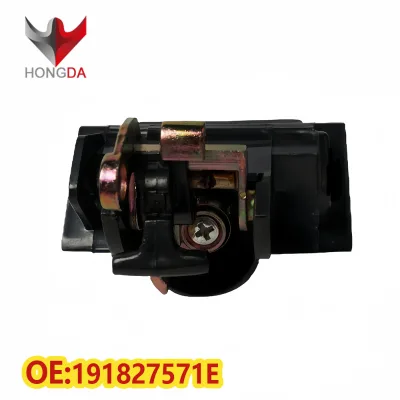

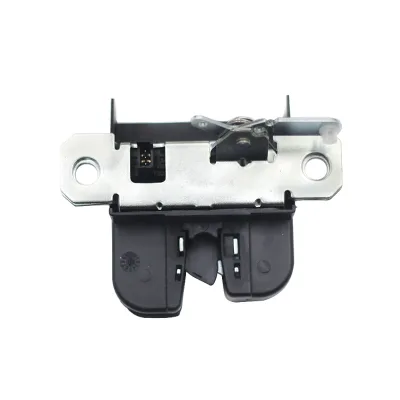
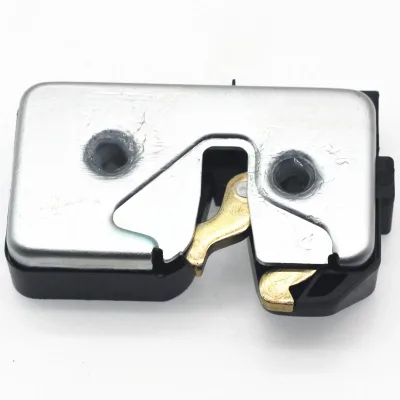
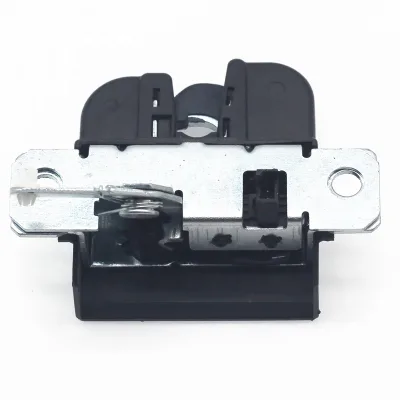
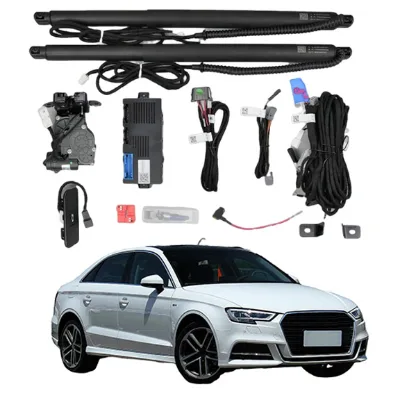


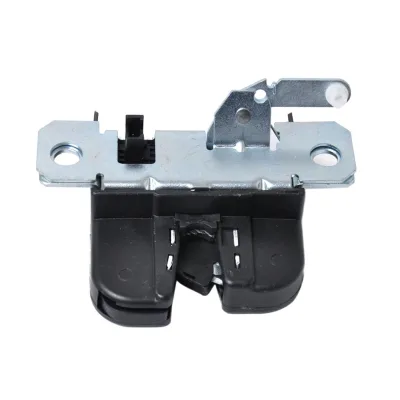
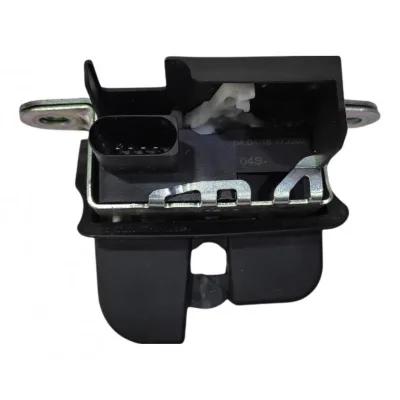
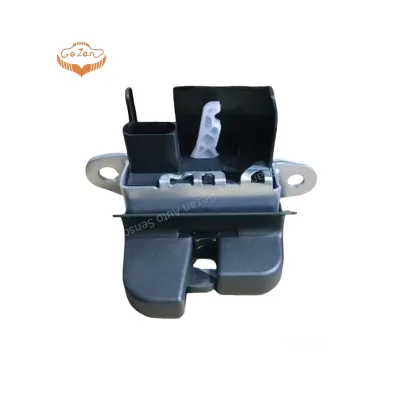
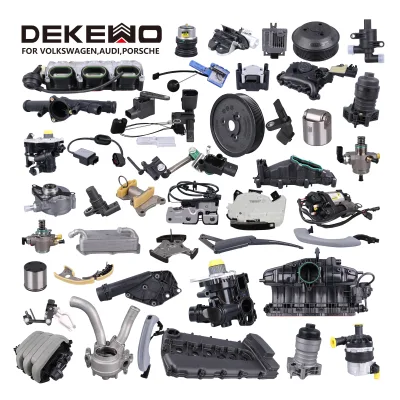
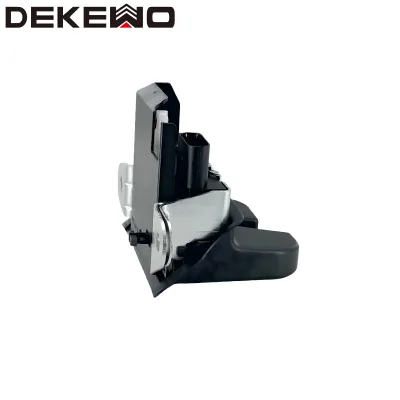
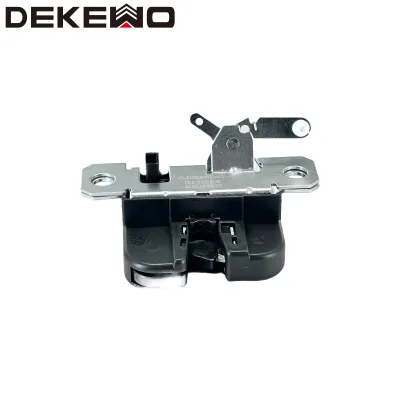


Comprehensive Sourcing Guide
VW AUDI Tailgate Lock Sourcing Guide
Procuring replacement tailgate locks for Volkswagen and Audi vehicles requires a precise understanding of mechanical versus electronic actuation systems. Buyers must first distinguish between simple mechanical latches and complex rear door lock mechanisms that integrate with central locking modules. The observed market data indicates a strong presence of mechanical key-operated units, often categorized under truck or general automotive lock types, which suggests a significant portion of available inventory targets aftermarket repair scenarios rather than original equipment manufacturer (OEM) direct supply chains.
Verification of the specific vehicle model is critical before initiating any purchase order. While some listings explicitly mention compatibility with VW Passat, others reference generic VW applications or even truck locks, creating potential confusion for buyers seeking precise fitment. It is essential to cross-reference the OE number provided in the listing with the vehicle’s build date and trim level. Misidentifying the lock type can lead to installation failures, particularly when the new unit lacks the necessary electrical connectors or mechanical linkages required by the specific tailgate assembly.
Product Scope and Observed Listing Signals
The current market landscape for these components shows a wide variance in product descriptions and technical attributes. Listings frequently highlight high-quality steel construction and neutral packaging, indicating a focus on durability and private-label distribution channels. The observed price range spans from low-cost mechanical replacements to higher-priced electronic assemblies, reflecting the disparity between basic latch mechanisms and integrated locking systems. Buyers should note that some entries list certifications such as ISO9001 and TS16949, which serve as indicators of manufacturing process adherence rather than individual product performance guarantees.
Shipping and logistical parameters also vary significantly across suppliers. Observed delivery times range from seven to twenty-five days, with shipping options including sea, land, and air freight. This flexibility allows buyers to balance cost against urgency, though air freight will substantially increase the total landed cost. Additionally, the minimum order quantity (MOQ) is often listed as low as one piece, facilitating sample testing for small repair shops, while bulk buyers may negotiate custom packaging solutions to streamline their inventory management processes.
Technical Specifications to Verify
Accurate identification of the OE number is the most critical technical step in the sourcing process. Common part numbers observed in the market include 191827571E, 1J6827505B, and 7E0827505B, each corresponding to different vehicle generations or body styles. Buyers must verify the physical dimensions and connector pin configurations, as some units feature a 3-pin connector while others may be purely mechanical. The single gross weight of items typically ranges from one to five kilograms, which impacts shipping calculations and handling requirements during installation.
Material composition and lock core design are also key verification points. Most listed units are constructed from steel, offering robust resistance to wear and environmental factors. The lock core type is often described as European style, with theft-proof performance rated at Class A, which is standard for many European vehicle markets. However, buyers should confirm whether the unit includes the key or if it is sold as a bare lock cylinder. The steering wheel lock type mentioned in some listings, such as top hook lock, may indicate cross-category listing errors, so careful scrutiny of the product title and images is necessary to ensure the item matches the intended tailgate application.
Compliance and Safety Documentation
While specific safety test results are not always detailed in standard listings, buyers should request documentation that confirms the product meets relevant automotive industry standards. Certifications like ISO9001 and TS16949 suggest that the supplier’s manufacturing facility adheres to quality management systems, which is a positive indicator for consistency and reliability. However, these certifications do not replace the need for individual product validation, especially for safety-critical components like door locks that must function reliably in emergency situations.
Warranty terms provide a layer of protection for buyers against premature failure. Observed warranty periods typically range up to one year, which is a standard expectation for aftermarket automotive parts. Buyers should clarify whether the warranty covers only the manufacturing defect or also includes labor costs for replacement. Additionally, understanding the return policy for defective units is crucial, as international shipping costs can be prohibitive. Clear communication regarding warranty claims and the required proof of failure can prevent disputes and ensure a smoother procurement experience.
Cost Drivers and Commercial Terms
The final cost of a tailgate lock is influenced by several factors, including the complexity of the mechanism, the materials used, and the shipping method chosen. Mechanical locks are generally less expensive than electronic assemblies, which require integrated circuitry and sensors. Buyers should also consider the cost of customization, such as neutral packaging or branded labeling, which may incur additional fees. The observed MOQ of one piece allows for low-risk testing, but bulk orders may offer volume discounts that reduce the per-unit cost significantly.
Lead times and payment terms are other critical commercial considerations. With delivery times ranging from seven to twenty-five days, buyers must plan their inventory replenishment cycles accordingly to avoid stockouts. For urgent repairs, air freight may be necessary, but this will increase the total cost. It is advisable to negotiate clear payment terms, such as a deposit followed by balance upon shipment, to mitigate financial risk. Understanding the total landed cost, including duties and taxes, is essential for accurate budgeting and pricing strategies for end customers.
Supplier Qualification and Quality Control
Evaluating supplier credibility is paramount when sourcing automotive parts from international markets. Buyers should prioritize suppliers who provide detailed product specifications, clear images, and responsive communication. The presence of certifications like ISO9001 and TS16949 is a positive sign, but buyers should also verify the supplier’s track record through customer reviews and order history. Requesting samples before placing large orders is a best practice to assess the physical quality, fitment, and functionality of the lock mechanism.
Quality control processes should be transparent and well-documented. Buyers should inquire about the supplier’s inspection procedures, including pre-shipment checks and packaging standards. Neutral packaging is commonly offered, which can help protect the product during transit and allow for private labeling. Additionally, understanding the supplier’s approach to handling defective items is crucial. A reliable supplier will have a clear process for returns and replacements, ensuring that any quality issues are resolved promptly without significant disruption to the buyer’s operations.
Long-Term Procurement Checks
Establishing a long-term relationship with a reliable supplier requires ongoing monitoring and evaluation. Buyers should regularly review supplier performance metrics, such as on-time delivery rates, product quality consistency, and responsiveness to inquiries. Building a diversified supplier base can mitigate risks associated with supply chain disruptions or sudden price increases. Regular communication with suppliers about market trends and new product developments can also help buyers stay ahead of competitors and offer the latest solutions to their customers.
Continuous improvement in the procurement process is essential for maintaining competitiveness. Buyers should periodically reassess their sourcing strategies, considering factors such as cost efficiency, quality standards, and supplier reliability. Implementing a structured supplier evaluation system can help identify areas for improvement and ensure that the chosen suppliers continue to meet the buyer’s requirements. By focusing on long-term partnerships and continuous improvement, buyers can secure a stable supply of high-quality tailgate locks for their VW and Audi vehicle repair needs.
FAQs
What is the minimum order quantity for VW AUDI Tailgate Lock?
The minimum order quantity is 1 piece for this product. This allows buyers to test the item before placing larger orders. The stock quantity available is 500 pieces, ensuring immediate availability for small batch purchases without waiting for production.
Which certifications do VW AUDI Tailgate Lock manufacturers hold?
Manufacturers hold ISO9001 and TS16949 certifications for quality management. These standards ensure the steel components meet automotive industry requirements. Buyers can verify these credentials to confirm the supplier adheres to strict production and safety protocols for replacement parts.
How long is the delivery time for VW AUDI Tailgate Lock orders?
The delivery time ranges from 7 to 25 days after order confirmation. Shipping methods include sea, land, or air transport depending on urgency. This timeframe accounts for processing and logistics from the origin in Guangdong or Zhejiang, China.
Can I customize the packaging for VW AUDI Tailgate Lock?
Yes, customization is available for neutral packaging or branded cartons. The standard single package size is 80x50x60 cm with a gross weight of 5 kg. Buyers can request specific packing requirements to suit their distribution needs or retail presentation.
What is the warranty period for VW AUDI Tailgate Lock products?
The product comes with a 1-year warranty covering manufacturing defects. This applies to the mechanical lock core and steel body components. Buyers should inspect the item upon arrival to ensure it matches the new condition and OEM specifications provided.
Which car models are compatible with VW AUDI Tailgate Lock?
These locks are designed specifically for VW and VW Passat models. The OE numbers include 191827571E and 7E0827505B for precise fitment. The mechanical key type ensures compatibility with existing vehicle locking systems for direct replacement.