Source Wall-Mounted PP AC Wind Deflector for Home, Office, Hotel
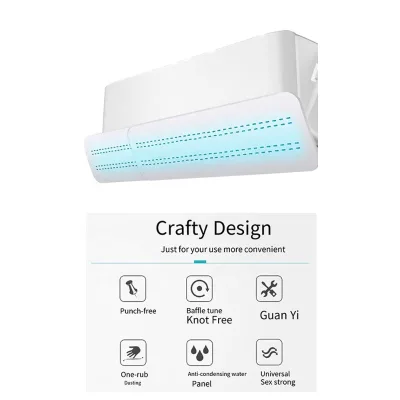
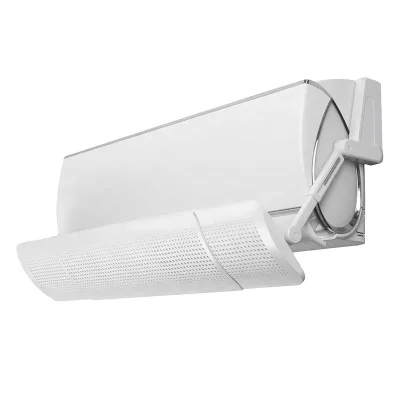
Compare 30 Wall-Mounted PP AC Wind Deflector options from verified suppliers. These units feature polyester powder coating, anti-corrosion properties, and customizable sizes for residential and commercial air conditioning systems.
Key considerations
Products List


Split Air Conditioner Wall Mount Window Brackets Folding Outdoor AC Bracket
$3.20 - $4.50
MOQ: 1000 Pieces


Wall-Mounted Bracket Air Conditioner Support AC Outdoor Folding Bracket
$2.80 - $3.00
MOQ: 1000 Pieces


Premium Aluminum Wind Deflector for Air Conditioners - Titanium Enhanced
$0.10 - $4.00
MOQ: 5000 Pieces


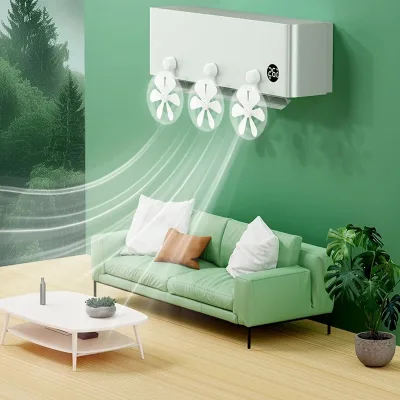
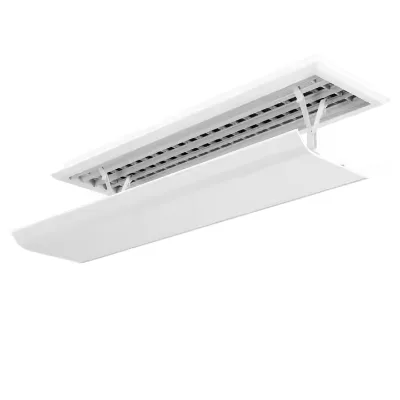
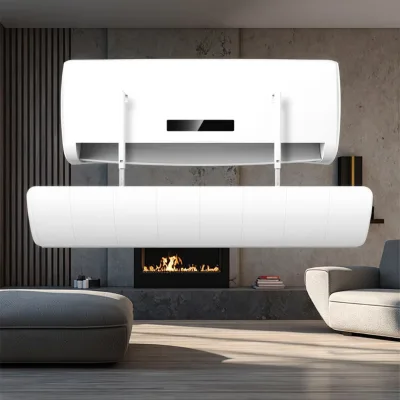
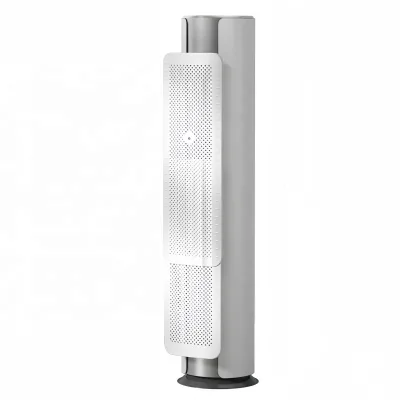



Comprehensive Sourcing Guide
Wall-Mounted PP AC Wind Deflector Sourcing Guide
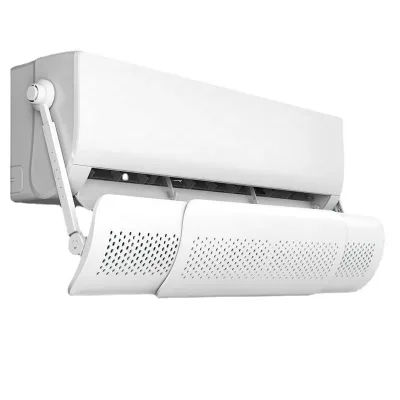
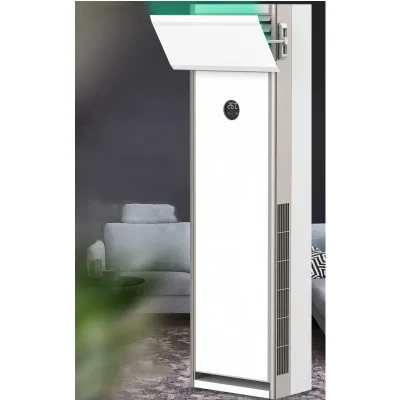
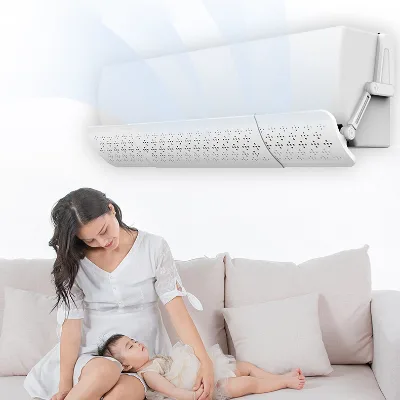
Sourcing wall-mounted polypropylene (PP) air wind deflectors requires a clear understanding of the distinction between the deflector itself and the structural brackets that support it. While the core keyword focuses on the deflector, the supply chain for these components often intersects with AC bracket manufacturing, particularly when buyers seek integrated solutions for outdoor unit mounting or indoor airflow management. The observed market data indicates a diverse range of products, from simple plastic deflectors to heavy-duty metal brackets, necessitating precise specification to avoid procurement errors. Buyers must distinguish between the airflow regulation component, typically made from PP or similar polymers, and the load-bearing hardware, which may be constructed from stainless steel, iron, or aluminum. This distinction is critical because the material properties, certification requirements, and installation methods for a lightweight plastic deflector differ significantly from those of a structural metal bracket.
The procurement landscape for these items is characterized by a wide variance in product attributes, including customization options, surface treatments, and origin locations. Suppliers listed in the observed data originate from regions such as Zhejiang and Tianjin in China, offering products that range from standard sizes to fully customized dimensions. The presence of both "Air Grille" and "AC Bracket" classifications in the same dataset suggests that many manufacturers operate as multi-category suppliers, capable of producing both the aesthetic airflow components and the functional mounting hardware. For the buyer, this means that a single supplier might offer a complete solution, but it also requires rigorous verification to ensure that the specific material grade and structural integrity meet the project’s technical requirements. Understanding this overlap is the first step in defining a clear request for quotation (RFQ) that separates the deflector’s airflow performance from the bracket’s load-bearing capacity.
Product Scope and Observed Listing Signals
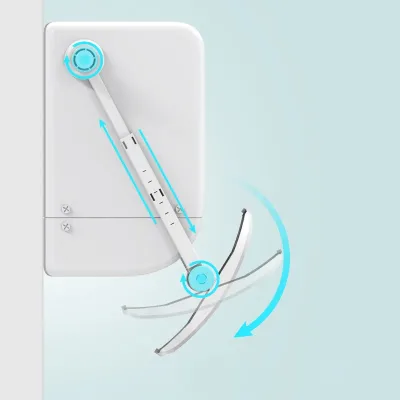
The product scope for wall-mounted PP AC wind deflectors encompasses a variety of forms, including adjustable and unadjustable designs, with some listings explicitly noting "Triangle Bracket" structures or "Split/Folding" types. The observed data highlights that customization is widely available, allowing buyers to tailor the size, color, and even the printing on the product to match specific architectural or branding needs. The material composition varies, with some items identified as PP (polypropylene) while others are listed as stainless steel or iron, indicating that the term "AC wind deflector" may be used loosely in some listings to describe the entire assembly rather than just the plastic component. Buyers should pay close attention to the "prod_model" and "prod_standard" fields, as these often contain specific identifiers like "TB-107A" or "Domi," which can help in tracking down exact product matches across different supplier catalogs.
Observed listing signals reveal a strong emphasis on surface treatment and durability, with polyester powder coating mentioned as a common process for metal variants, while plastic deflectors rely on the inherent properties of PP for corrosion resistance. The color options are predominantly white or pure, aligning with standard aesthetic preferences for indoor and outdoor HVAC installations. Additionally, the presence of "Anti-Corrosion" as a key advantage suggests that these products are designed for environments where exposure to moisture or temperature fluctuations is a concern. The loading weight specifications, ranging from 150kg to 300kg in some listings, likely refer to the capacity of the associated brackets rather than the deflector itself, highlighting the importance of verifying the load-bearing capabilities of the entire mounting system. Buyers should interpret these signals as indicators of a mature supply chain that offers both standard and specialized solutions, but they must verify the specific material and structural details for their intended application.
Technical Specifications to Verify
When evaluating technical specifications, the thickness of the material is a critical parameter, with observed values ranging from 1.5mm to 2.2mm for metal components, while plastic deflectors may have different dimensional tolerances. The size specifications vary from standard dimensions like 703015 to fully customizable options, meaning that buyers must provide precise measurements or request samples to ensure fitment. The structure of the product, whether it is a simple flat deflector or a complex triangle bracket, must be clearly defined in the RFQ to avoid receiving incompatible parts. Additionally, the "Adjusted" attribute, which can be either "Adjustable" or "Unadjustable," is a key functional specification that determines how the airflow direction can be controlled after installation, impacting the user experience and energy efficiency of the air conditioning system.
Material selection is another vital technical consideration, with options including PP, stainless steel, and iron, each offering different benefits in terms of weight, durability, and cost. Stainless steel variants are often preferred for their high strength and corrosion resistance, making them suitable for harsh outdoor environments, while PP deflectors are lightweight and cost-effective for indoor use. The surface treatment, such as polyester powder coating, adds an extra layer of protection against weathering and UV degradation, which is essential for products installed in direct sunlight. Buyers should also verify the "Maximum Load" capacity, which is listed as 200kg in some cases, to ensure that the mounting system can safely support the weight of the air conditioning unit. These technical details must be cross-referenced with the product’s intended usage, whether it is for a split system, outdoor unit, or wall-mounted installation, to ensure optimal performance and safety.
Compliance and Safety Documentation
Compliance and safety documentation are paramount when sourcing HVAC components, as these products must meet specific regional and international standards to ensure user safety and environmental sustainability. The observed data indicates that many suppliers hold certifications such as RoHS, CE, ISO9001, and CCC, which are critical for verifying that the materials used are free from hazardous substances and that the manufacturing processes adhere to quality management systems. RoHS certification, in particular, is essential for ensuring that the plastic and metal components do not contain restricted hazardous substances, which is a requirement in many markets, including the European Union. Buyers should request copies of these certificates and verify their validity with the issuing bodies to avoid compliance risks during customs clearance or product registration.
The CE mark indicates conformity with health, safety, and environmental protection standards for products sold within the European Economic Area, while the CCC mark is mandatory for certain products sold in China. ISO9001 certification demonstrates that the supplier has a robust quality management system in place, which can reduce the risk of defects and inconsistencies in production. However, buyers should not rely solely on these certifications; they should also inquire about specific test reports for load-bearing capacity, material durability, and flame resistance, especially for products that will be installed in high-traffic or high-risk areas. The presence of a "1 Year Warranty" in some listings provides an additional layer of protection, but buyers should clarify the terms and conditions of this warranty to understand what is covered and how claims are processed.
Cost Drivers and Commercial Terms
Cost drivers for wall-mounted PP AC wind deflectors and associated brackets include material costs, manufacturing complexity, and customization requirements. The use of stainless steel or specialized powder coatings will generally result in higher prices compared to standard PP or iron components, while custom sizes, colors, or printing options can add significant costs to the base price. The observed price range of 0.1-80 USD reflects this variability, with lower prices likely corresponding to simple, standard-sized deflectors and higher prices for heavy-duty, customized brackets. Buyers should be aware that the MOQ (Minimum Order Quantity) can also impact the unit price, with lower MOQs often resulting in higher per-unit costs due to setup and production inefficiencies.
Commercial terms such as packaging, loading weight, and sample availability are also important factors in the procurement process. The observed data shows that products are typically packed in cartons, with some options for customized color boxes, which can affect shipping costs and product protection during transit. The loading weight specifications, ranging from 150kg to 300kg, are crucial for calculating freight costs and ensuring that the shipping method is appropriate for the volume and weight of the order. Additionally, the availability of free samples allows buyers to verify the quality and fit of the product before committing to a large order, which can help mitigate the risk of receiving non-conforming goods. Buyers should negotiate these terms carefully to ensure that the total landed cost aligns with their budget and project requirements.
Supplier Qualification and Quality Control
Supplier qualification is a critical step in ensuring the reliability and consistency of the supply chain for wall-mounted AC wind deflectors. Buyers should verify the supplier’s manufacturing capabilities, including their production capacity, quality control processes, and experience in producing HVAC components. The observed data indicates that suppliers are located in Zhejiang and Tianjin, regions known for their manufacturing expertise, but buyers should still conduct due diligence to confirm the supplier’s legitimacy and financial stability. Requesting references from previous clients and visiting the factory, if possible, can provide valuable insights into the supplier’s operational efficiency and commitment to quality.
Quality control measures should be clearly defined in the purchase agreement, including inspection criteria, acceptance standards, and procedures for handling defects. Buyers should specify the required tolerances for dimensions, thickness, and surface finish, as well as the acceptable level of cosmetic defects. The presence of ISO9001 certification suggests that the supplier has a structured quality management system, but buyers should also request detailed quality control reports for each batch of production. Implementing a pre-shipment inspection (PSI) can help identify any issues before the goods are dispatched, reducing the risk of receiving non-conforming products. Additionally, establishing a clear communication channel with the supplier for addressing quality issues can help resolve problems quickly and maintain a positive business relationship.
Long-Term Procurement Checks
Long-term procurement checks involve monitoring the supplier’s performance over time to ensure consistent quality, timely delivery, and competitive pricing. Buyers should establish key performance indicators (KPIs) such as on-time delivery rate, defect rate, and responsiveness to inquiries, and review these metrics regularly to identify areas for improvement. The availability of customization and OEM services suggests that suppliers are flexible and capable of adapting to changing market demands, but buyers should ensure that these capabilities are maintained over the long term. Regular audits of the supplier’s quality management system and production processes can help identify potential risks and ensure that the supplier continues to meet the required standards.
Additionally, buyers should stay informed about changes in regulations, standards, and market trends that may impact the procurement of AC wind deflectors and brackets. For example, updates to RoHS or CE regulations may require suppliers to adjust their materials or manufacturing processes, which could affect lead times and costs. Building a strong relationship with the supplier and maintaining open communication can help buyers stay ahead of these changes and ensure a smooth procurement process. By implementing these long-term checks, buyers can mitigate risks, optimize costs, and ensure a reliable supply of high-quality wall-mounted PP AC wind deflectors for their projects.
FAQs
What certifications do wall mounted pp ac wind deflectors have?
These products typically carry RoHS and CE certifications to ensure safety and environmental compliance. Some listings also include ISO9001 and CCC marks depending on the specific manufacturer and region of origin.
Can I customize the size and color of the air grille?
Yes, customization is available for both size and color to meet specific project requirements. Buyers can request specific dimensions or colors like white, and some suppliers offer custom packaging options.
What is the minimum order quantity for these air deflectors?
The standard minimum order quantity is 1000 units for most suppliers. However, observed ranges vary from 1 to 5000 units depending on the specific vendor and product configuration selected.
How thick are the materials used for the AC bracket?
The thickness specifications commonly range from 1.5mm to 2.2mm for the metal components. Some specific models may list a fixed thickness of 2.0mm for enhanced durability and load bearing.
Where are these air conditioner brackets manufactured?
Manufacturing origins are primarily located in Zhejiang and Tianjin, China. These regions are known for producing metal brackets and plastic deflectors with polyester powder coating for anti-corrosion properties.
What surface treatment is applied to the metal brackets?
The metal components undergo polyester powder coating to provide a durable and anti-corrosion finish. This treatment ensures longevity when the brackets are used for outdoor air conditioner units.
What is the maximum load capacity for the AC bracket?
The maximum load capacity can reach up to 200kg for specific heavy-duty models. Loading weights generally range between 150kg and 300kg depending on the structural design and material thickness.