Source warehouse boundary anti-corrosion fence for residential, school, and villa use
Explore 30 listings for warehouse boundary anti-corrosion fence options suitable for residential, school, and villa applications. Buyers can compare metal and plastic materials, surface treatments like galvanized or PVC coated finishes, and security features including anti-climb designs.
Key considerations
Products List

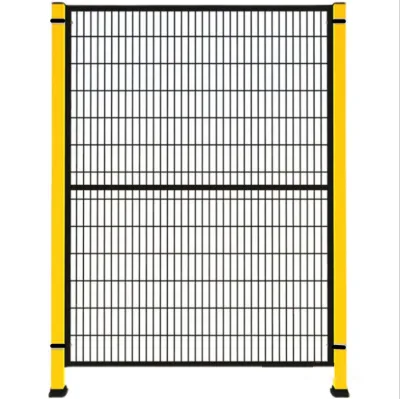


Comprehensive Sourcing Guide
Strategic Sourcing Guide for Warehouse Boundary Anti-Corrosion Fencing
Understanding Technical Specifications and Material Composition
When sourcing a warehouse boundary anti-corrosion fence, the primary objective is to secure a perimeter that withstands environmental exposure while maintaining structural integrity over decades. The core material selection dictates the baseline performance. Available market data indicates that metal is the predominant material for high-security perimeter applications, specifically utilizing steel tubes and wire mesh configurations. For anti-corrosion requirements, the surface treatment process is critical. The supply chain frequently offers galvanized finishes, which provide a robust barrier against rust, or PVC-coated options that add an additional layer of chemical and physical protection.
The structural geometry of the fence panels is equally vital for warehouse applications. Buyers should verify the panel dimensions against their specific site requirements. Standard observations in the market include panel heights ranging from 1800mm to 3000mm, with some configurations extending up to 3000mm to deter climbing. The length of these panels typically falls between 2 meters and 3 meters. The wire diameter for mesh-based systems is often observed in the 3mm to 4mm range, providing a balance between visibility and strength. For tubular post systems, the post shape is frequently square tube, with fence heights customizable between 1000mm and 3000mm.
The weave technique and hole geometry also influence the security profile. Some systems utilize a plain weave or twist method, resulting in mesh weights between 60GSM and 150GSM. Others employ a stamping technique to create specific hole shapes, such as square openings with dimensions like 76.2mm by 12.7mm or 75mm by 12mm. These precise dimensions are essential for preventing unauthorized entry while allowing for airflow and visibility. The color options generally include standard industrial finishes like Black, White, Green (RAL6005), Grey (RAL7016), and Black (RAL9005), though customization is often available to match corporate branding or site safety standards.
Compliance, Certification, and Security Standards
Verifying compliance is a non-negotiable step in the procurement of boundary fencing, particularly for industrial warehouses where liability and security are paramount. While specific certification statuses vary by manufacturer, buyers must actively seek documentation for recognized international standards. The market frequently references ISO and CE certifications as indicators of quality management and safety compliance. It is important to note that certification claims should be validated against the specific product batch, as attributes like "ISO" or "CE" may appear in product descriptions but require verification of the actual certificate for the ordered goods.
Security standards for warehouse boundaries often exceed basic residential requirements. The target application for high-security fencing includes prison security, airport security, and industrial zones. These environments demand features such as anti-climb, anti-theft, and anti-cut capabilities. The "358 fence" configuration is a notable example in this category, designed specifically for high-security applications. This type of fencing is characterized by its welded wire mesh construction, which offers superior resistance to cutting and climbing compared to standard chain-link or twisted wire alternatives.
Buyers should also evaluate the product standard documentation provided by suppliers. While some products are listed as "Customized" or "Make-to-order," others adhere to specific manufacturing standards such as 4mm wire thickness with 12.7mm by 76.2mm hole dimensions. The "standard" attribute in product listings often refers to the manufacturing tolerance and material grade rather than a universal government code. Therefore, procurement teams must request detailed technical data sheets that confirm the material grade, coating thickness, and structural load ratings. For barrier applications, the degree of distortion is a key metric; flexible barriers may be suitable for certain zones, while rigid structures are required for high-security perimeters.
Cost Drivers and Pricing Variables
The pricing of warehouse boundary fencing is influenced by a complex interplay of material costs, manufacturing processes, and logistical factors. The observed price range in the market spans from $1 to $2,200 USD, reflecting the vast difference between small accessory components and complete, high-security perimeter systems. This wide variance underscores the importance of defining the exact scope of the project before soliciting quotes. A simple galvanized mesh roll will cost significantly less than a fully fabricated, PVC-coated, anti-climb welded wire fence system with custom posts and gates.
Material volume and surface treatment are primary cost drivers. The choice between galvanized and PVC-coated finishes impacts the unit price, with PVC coating generally commanding a premium due to the additional manufacturing steps and material costs. Similarly, the wire diameter and panel thickness directly correlate with material usage. A fence with a 4mm wire diameter and a 150GSM weight will be more expensive than a lighter 60GSM alternative. Customization is another significant factor; while many suppliers offer standard colors and dimensions, requests for custom colors, specific hole shapes, or unique panel lengths can increase production costs and lead times.
Logistics and packaging also play a role in the final landed cost. Transportation methods, whether by ship or air, affect the overall budget, with air freight being a premium option for urgent deliveries. Packaging requirements, such as palletizing or bulk shipping versus individual packing boxes or trays, influence handling costs. Furthermore, the Minimum Order Quantity (MOQ) can impact the unit price. The observed MOQ range spans from 1 to 1000 units. Buyers ordering in bulk may negotiate better per-unit rates, while those with smaller requirements might face higher costs or be restricted to specific standard models. Understanding these variables allows procurement teams to create realistic budgets and avoid unexpected cost overruns during the negotiation phase.
Typical Applications and Functional Requirements
Warehouse boundary fencing serves multiple functional roles beyond simple demarcation. The primary application is to define the perimeter of industrial facilities, including residential, house, school, and villa settings, though the requirements for a warehouse are distinct. In an industrial context, the fence must act as a deterrent against unauthorized access, theft, and sabotage. The "High Security Fence" category is specifically designed for these environments, offering features like anti-climb and anti-cut capabilities. This makes it suitable for protecting high-value assets in logistics hubs, manufacturing plants, and storage facilities.
The application extends to specialized security zones such as prison security fences and airport security fences. These environments require fences that can withstand extreme pressure and attempts to breach the perimeter. The "358 fence" and "Clear View Fence" are common solutions in these sectors, providing a balance of visibility and strength. The visibility aspect is crucial for security personnel to monitor the perimeter effectively without blind spots. Additionally, the fence may serve as a protective mesh or screen, preventing debris from escaping the site or protecting the facility from external environmental hazards.
For general warehouse use, the fence must also accommodate the operational flow of the facility. This includes the integration of gates and trellis systems. The product type often includes fencing, trellis, and gates as a cohesive system. The customization of the fence height and post spacing allows for adaptation to different site layouts. Whether the application requires a flexible barrier for a specific zone or a rigid structure for the main perimeter, the selection must align with the specific security risks and operational needs of the warehouse. The ability to customize the product to specific requirements ensures that the fence integrates seamlessly with the existing infrastructure and security protocols.
Supplier Evaluation and Operational Capabilities
Selecting the right supplier is critical for ensuring the longevity and reliability of the warehouse boundary fence. Buyers should evaluate suppliers based on their production capabilities, origin, and delivery reliability. The supply chain for these products is concentrated in specific regions, with Qingdao and Anping, Hengshui, China being prominent origins. These locations are known for their manufacturing expertise in metal fencing and wire products. When evaluating a supplier, buyers should verify their production capacity and ability to meet the required specifications, such as the specific weave technique or surface treatment.
Lead time is a crucial operational metric. The observed delivery time for these products ranges from 30 to 40 working days. This timeline can vary based on the complexity of the order, the level of customization, and the current production load of the supplier. Buyers must factor this lead time into their project schedule to avoid delays in the construction or security upgrade of the warehouse. Additionally, the guarantee period is a key indicator of supplier confidence. Many suppliers offer a guarantee period of 5 years or as per the buyer's requirements, which suggests a commitment to product durability.
The supplier's ability to handle transportation and packaging is also essential. Options for shipping include sea freight or air freight, and packaging can range from rolls and pallets to bulk shipments or individual packing boxes. Buyers should assess the supplier's logistics network to ensure that the products can be delivered safely and efficiently to the site. The "Make-to-order" nature of many products means that the supplier must have a flexible production line capable of adapting to specific customer needs. Verifying the supplier's track record in delivering similar projects, particularly in high-security environments, can provide valuable insights into their reliability and quality standards.
Quality Control and Long-Term Procurement Considerations
Ensuring the quality of the warehouse boundary fence requires a rigorous quality control (QC) process. Buyers should implement a verification strategy that includes checking the material composition, surface treatment thickness, and structural dimensions against the agreed specifications. The surface treatment, whether galvanized or PVC coated, must be uniform and free from defects that could compromise the anti-corrosion properties. The wire diameter and hole size must be within the specified tolerances to ensure the fence meets the security requirements.
Long-term procurement considerations involve evaluating the lifecycle cost of the fence. While the initial purchase price is important, the total cost of ownership includes maintenance, repair, and replacement costs over the fence's lifespan. A fence with a 5-year guarantee or longer indicates a higher quality product that may reduce long-term maintenance expenses. Buyers should also consider the adaptability of the fence system. As warehouse security needs evolve, the ability to modify or extend the fence system without replacing the entire structure is a valuable feature.
The customization options available in the market, such as specific colors, hole shapes, and panel dimensions, allow for a tailored solution that meets the unique needs of the facility. However, customization also introduces complexity to the QC process. Buyers must ensure that the customized elements are manufactured to the same high standards as the standard products. Finally, the procurement strategy should include a clear definition of the acceptance criteria, including test results and performance claims, to ensure that the delivered product meets the required security and durability standards. By focusing on these quality and long-term factors, buyers can secure a reliable and effective boundary solution for their warehouse operations.
FAQs
What surface treatments are available for anti-corrosion fences?
Galvanized and PVC coated finishes are the primary surface treatments available. These options provide robust barriers against rust and chemical exposure, with some products offering powder coated alternatives for enhanced durability in harsh environments.
Which certifications should I verify for high-security fencing?
Buyers should actively seek documentation for ISO and CE certifications as indicators of quality. While these appear in product descriptions, verification against the specific product batch is required to ensure compliance with international safety standards.
How long is the typical delivery time for these fences?
The standard delivery time ranges from 30 to 40 working days. This timeline may vary based on the complexity of the order, the level of customization required, and the current production load of the supplier.
What is the minimum order quantity for purchasing fence panels?
The observed minimum order quantity ranges from 1 to 1000 units depending on the supplier. Buyers ordering in bulk may negotiate better per-unit rates, while smaller requirements might be restricted to specific standard models.
Can I customize the color and dimensions of the fence?
Customization is available for colors, dimensions, and specific hole shapes to match site requirements. Standard options include Black, White, Green, and Grey, but buyers can request specific RAL colors or unique panel lengths for branding.
Where are the primary manufacturing origins for these products?
The supply chain is concentrated in Qingdao and Anping, Hengshui, China. These regions are known for their manufacturing expertise in metal fencing and wire products, offering a wide range of specifications and customization capabilities.
What security features do high-security fences offer?
High-security fences offer anti-climb, anti-theft, and anti-cut capabilities suitable for industrial zones. These features make them ideal for protecting high-value assets in logistics hubs, manufacturing plants, and storage facilities against unauthorized access.