Source Wardrobe Deodorant Container for Cosmetics, Chemical, Personal Care
Compare 30 verified options for Wardrobe Deodorant Container from Zhejiang and Ningbo suppliers. These plastic bottles feature screw caps, silk screen printing, and customizable volumes ranging from 4.5g to 20ml for cosmetic and chemical applications; compare the available evidence and request quotations based on your requirements.
Key considerations
Products List
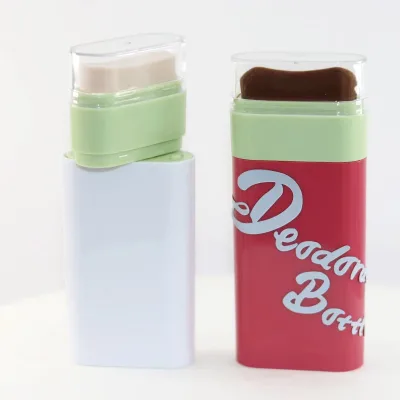
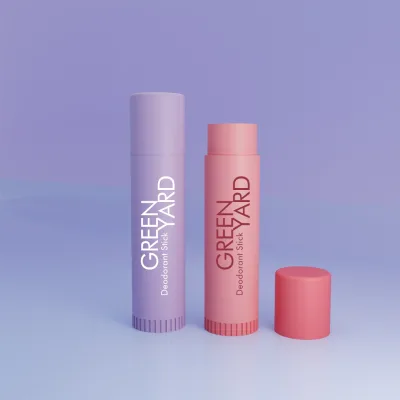
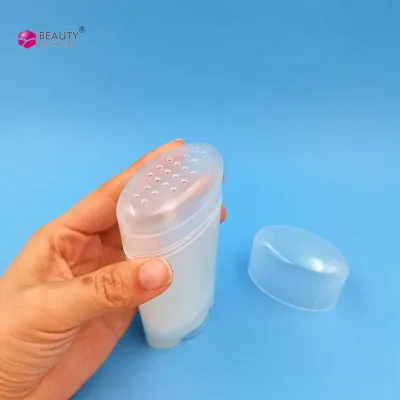
Deodorant Stick Container 15Ml Deodorant Stick Container Deodorant Stick Container Neon
$0.05 - $0.10
MOQ: 5000 Minimum

Direct Sale Plastic Deodorant Cream Bottle 50g Deodorant Stick Container
$0.12 - $0.65
MOQ: 10000 Pieces


Freshness Deodorant Stick Container Antiperspirant Deodorant Stick for Men
$0.12 - $0.65
MOQ: 10000 Pieces


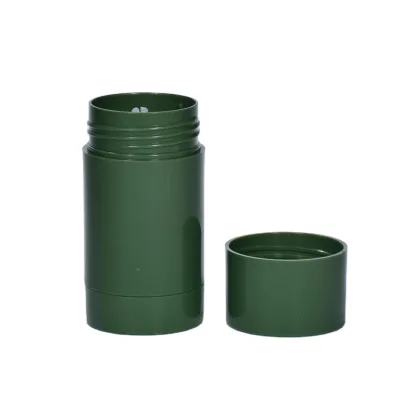


Reusable Plastic Deodorant Stick Container for Long-Lasting Fresh Scent and Odor Protection
$0.17 - $0.18
MOQ: 10000 Pieces

Modern Deodorant Bottle with Convenient Stick Container and High-Quality Plaster
$0.17 - $0.18
MOQ: 10000 Pieces

Dual - Roller Bottles-Plastic Deodorant Containers-Essential Oil Applicator Bottles
$0.07 - $0.09
MOQ: 10000 Pieces




Comprehensive Sourcing Guide
Wardrobe Deodorant Container Sourcing Guide
Sourcing the right packaging for wardrobe deodorants requires a clear understanding of the specific material and functional demands of this niche market. Buyers must distinguish between standard cosmetic jars and specialized containers designed for long-term odor control in enclosed spaces. The observed market data indicates a strong presence of plastic-based solutions, particularly those utilizing Polypropylene (PP) for their durability and chemical resistance. These materials are essential for maintaining the integrity of the product over extended periods, ensuring that the container does not degrade or react with the deodorizing agents inside.
Procurement teams should also consider the aesthetic and functional versatility offered by current suppliers. Many available options feature customizable colors and shapes, ranging from simple cylinders to more complex irregular forms. This flexibility allows brands to align their packaging with broader marketing strategies while ensuring the physical design supports the product’s usage. Understanding these variations is critical for selecting a container that not only protects the product but also enhances the consumer’s unboxing experience and brand perception.
Product Scope and Observed Listing Signals
The current market landscape for wardrobe deodorant containers reveals a diverse array of product types, primarily centered around plastic construction. Suppliers frequently offer items made from PP, with shapes varying from standard cylinders to round or irregular bottles. These containers are often marketed for industrial use in cosmetics and personal care, suggesting their suitability for holding solid or cream-based deodorizing agents. The presence of screw cap sealing types indicates a focus on airtight preservation, which is vital for maintaining the efficacy of odor-absorbing materials over time.
Listing signals also highlight significant customization capabilities, including silk screen printing and logo application. Buyers can expect options for custom colors and packaging, with some suppliers offering free samples to evaluate quality before committing to large orders. The observed price range is relatively low, suggesting that these items are cost-effective for high-volume procurement. However, the minimum order quantities (MOQ) can vary widely, from small batches of five to large industrial orders of twenty thousand units, requiring buyers to align their order size with their inventory management strategies.
Technical Specifications to Verify
When evaluating technical specifications, the material composition is a primary concern. Buyers should verify that the body material is indeed Polypropylene (PP), as this ensures compatibility with various chemical formulations used in deodorants. The thickness of the plastic should be confirmed to prevent cracking or deformation, especially if the container is subjected to temperature fluctuations in storage or transport. Additionally, the sealing mechanism, typically a screw cap, must be tested for tightness to prevent leakage or evaporation of the active ingredients, which could compromise the product’s performance.
Volume and dimensional accuracy are also critical factors. Listings show volumes ranging from small 4.5g containers to larger 20ml options, with some standard sizes like 75g noted. Buyers must ensure that the single package size, often around 10x10x10 cm, fits within their logistical constraints. The gross weight of approximately 0.100 kg per unit should be factored into shipping cost calculations. Verifying these specifications against actual samples is essential to avoid discrepancies between the ordered product and the final delivered goods, ensuring consistency in the supply chain.
Compliance and Safety Documentation
Compliance with international standards is a non-negotiable aspect of sourcing packaging for personal care and household products. Buyers should request documentation confirming that the supplier holds relevant certifications, such as ISO standards, which indicate a commitment to quality management systems. While specific certification details may vary, the presence of ISO marks suggests that the manufacturing processes adhere to recognized quality benchmarks. This documentation is crucial for mitigating risks associated with product liability and ensuring that the packaging materials are safe for consumer use.
In addition to general quality certifications, buyers should inquire about specific safety data sheets and material safety information. Although not all listings explicitly detail these documents, they are essential for verifying that the plastic components do not leach harmful substances into the deodorant. Eco-friendly claims should be substantiated with evidence, such as recyclability certifications or the use of sustainable materials. Ensuring that the supplier can provide comprehensive safety documentation helps protect the brand’s reputation and ensures compliance with regulatory requirements in target markets.
Cost Drivers and Commercial Terms
Several factors influence the final cost of wardrobe deodorant containers, with material type and customization level being primary drivers. The use of PP is generally cost-effective, but complex shapes or custom colors may increase production expenses. Buyers should also consider the impact of printing methods, such as silk screen printing, which can add to the unit cost depending on the complexity of the design. Understanding these cost drivers allows for more accurate budgeting and negotiation with suppliers, ensuring that the final price aligns with the project’s financial constraints.
Commercial terms, including minimum order quantities and delivery times, play a significant role in the procurement process. Observed MOQs range from small quantities to large industrial orders, with delivery times typically around 25 to 35 days. Buyers should negotiate terms that balance inventory costs with supply chain reliability, considering the potential for delays in production or shipping. Additionally, the availability of free samples, with the buyer covering freight costs, can be a valuable tool for evaluating quality before committing to a large order, reducing the risk of costly mistakes.
Supplier Qualification and Quality Control
Qualifying suppliers requires a thorough assessment of their manufacturing capabilities and quality control processes. Buyers should verify the supplier’s location, with many operating in Zhejiang, China, a hub for plastic packaging production. This regional concentration can offer advantages in terms of supply chain efficiency and cost competitiveness. However, it is essential to conduct on-site audits or request detailed reports on their production lines to ensure that they meet the required quality standards. This due diligence helps identify potential risks and ensures that the supplier can consistently deliver high-quality products.
Quality control measures should be clearly defined and agreed upon before production begins. Buyers should specify inspection criteria, such as dimensional accuracy, seal integrity, and print quality, and request pre-shipment inspections. Establishing a clear communication channel for addressing defects or discrepancies is crucial for maintaining product quality. Additionally, buyers should consider the supplier’s ability to handle custom orders, including logo printing and packaging customization, to ensure that the final product meets their brand’s specific requirements.
Long-Term Procurement Checks
Long-term procurement success depends on establishing a sustainable relationship with suppliers who can adapt to changing market demands. Buyers should regularly review supplier performance metrics, including on-time delivery rates, product quality consistency, and responsiveness to issues. This ongoing evaluation helps identify potential problems early and allows for proactive management of the supply chain. Building a strong partnership with reliable suppliers can lead to better pricing, improved service, and greater flexibility in handling urgent orders or changes in product specifications.
Additionally, buyers should stay informed about industry trends and regulatory changes that may impact packaging requirements. This includes monitoring developments in sustainable materials and eco-friendly practices, which are increasingly important to consumers and regulators. By staying ahead of these trends, buyers can ensure that their packaging choices remain competitive and compliant. Regularly updating supplier contracts and quality agreements to reflect current standards and expectations is essential for maintaining a robust and resilient procurement strategy in the long run.
FAQs
What materials are used for wardrobe deodorant containers?
The containers are primarily made from PP plastic, ensuring durability and chemical resistance for personal care products. Some variants feature a clear finish, while others allow for custom colors to match brand aesthetics. The body material is selected for its eco-friendly properties and suitability for cosmetic applications, providing a reliable barrier for deodorant contents.
Can I customize the logo on these containers?
Yes, customized logo printing is available using silk screen or screen printing techniques. This allows for clear brand visibility on the cylindrical or irregular shaped bottles. The customization service supports various design requirements, ensuring that your specific branding needs are met effectively for both male and female personal care product lines.
What is the typical delivery time for orders?
The standard delivery time is approximately 25 days for most orders. Some specific models or larger production runs may require 25 to 35 days to complete. This timeline accounts for manufacturing, quality checks, and packaging preparation, ensuring that products are ready for shipment within the agreed period after order confirmation.
What is the minimum order quantity for these items?
The minimum order quantity varies, with some listings starting at 10,000 pieces. Other options may have an MOQ of 10,000 or up to 20,000 units depending on the specific model. Buyers should check the specific product page for the exact MOQ, as it depends on the customization level and production capacity required.
Are these containers certified for safety and quality?
Yes, the products hold ISO certifications, indicating adherence to quality management standards. Some listings also mention CE certification, ensuring compliance with relevant safety regulations. These certifications provide assurance regarding the manufacturing process and product quality, making them suitable for international trade and personal care applications.
What volume options are available for these containers?
Available volumes include 20 ml for cylindrical bottles and options like 4.5g or 14g for irregular shapes. Some models are specified for 75g capacity. These varied sizes cater to different deodorant formats, allowing buyers to select the appropriate container size for their specific product formulation and market requirements.