Source washable eco-friendly baby play gym with 6 toys for Home, Nursery, and Daycare
Find and compare 30 washable eco-friendly baby play gym with 6 toys from verified Chinese manufacturers. Evaluate options based on material, size, and certification to find the best fit for your sourcing needs.
Key considerations
Products List
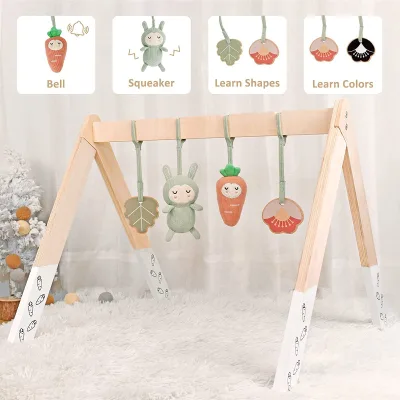
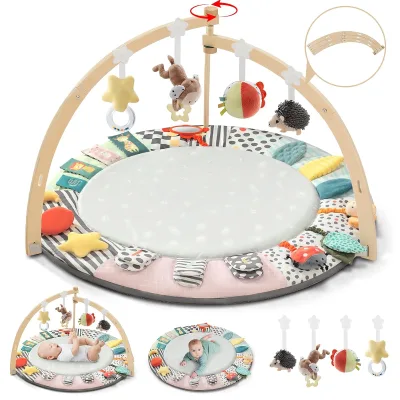
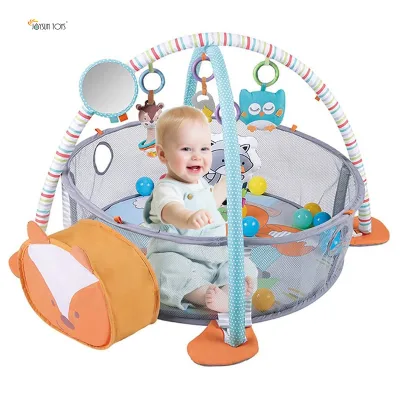
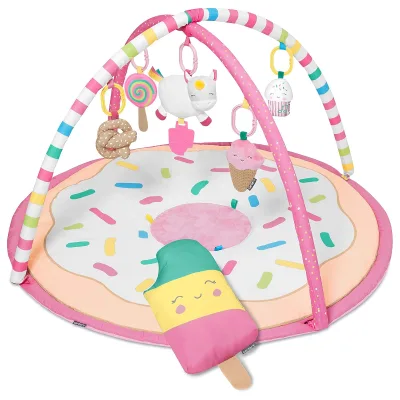
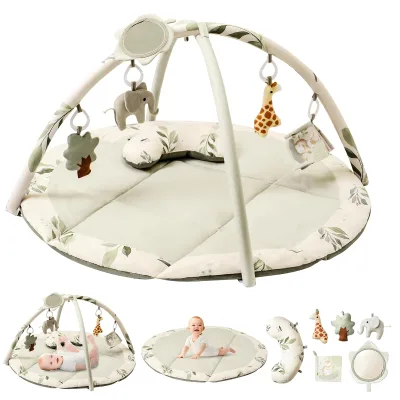
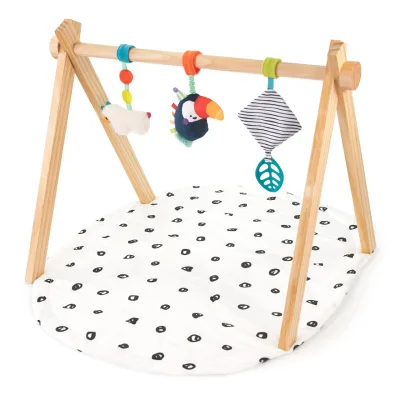


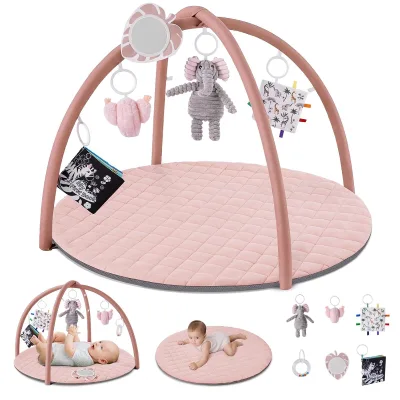
Baby Multi-Functional Playmat Gym Rack Early Educational Toy Newborn Gift
$9.28 - $10.00
MOQ: 500 Pieces


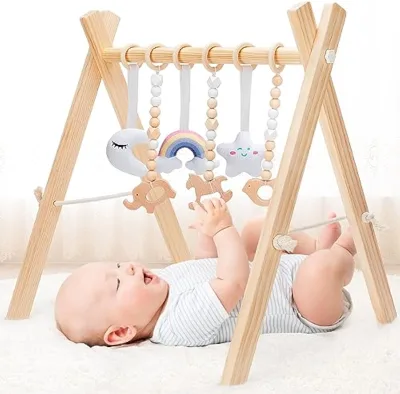
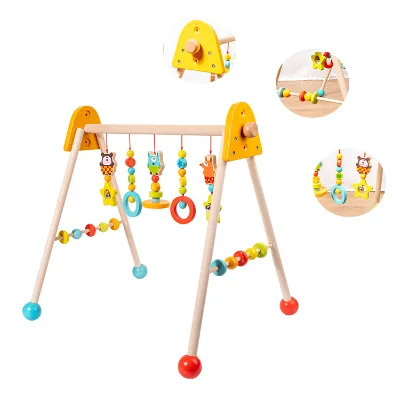
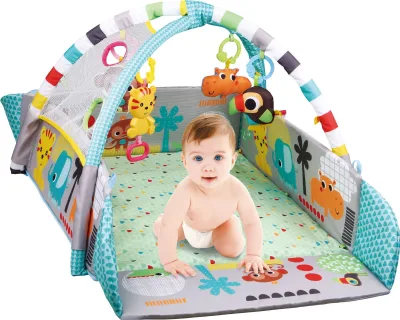
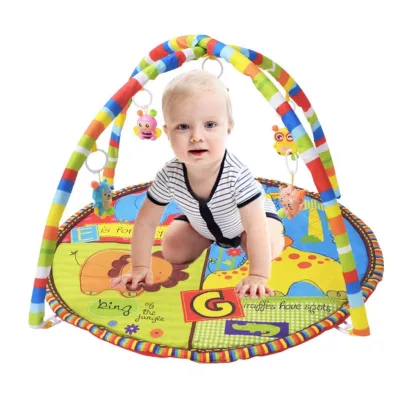


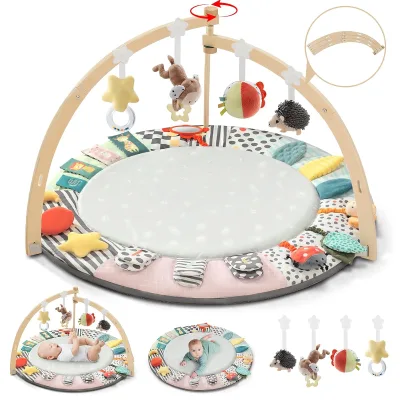
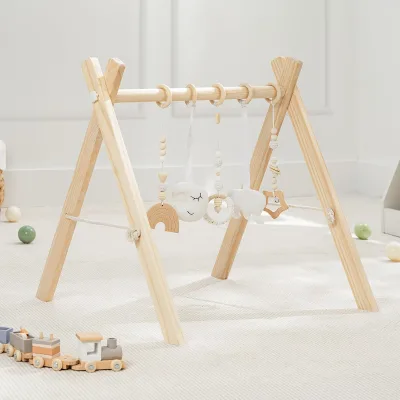
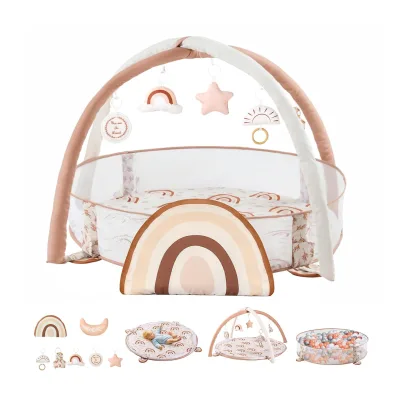
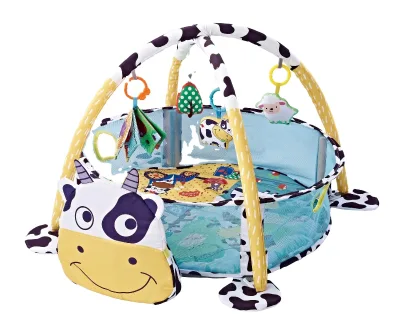
2-in-1 Baby Play Mat & Activity Center Gym Infant Toys for Tummy Time with Ocean Balls
$10.20 - $16.10
MOQ: 120 Pieces




Comprehensive Sourcing Guide
Washable Eco-Friendly Baby Play Gym with 6 Toys Sourcing Guide
Sourcing a washable, eco-friendly baby play gym equipped with six toys requires a careful balance between material safety, functional durability, and commercial viability. Buyers must navigate a market where "eco-friendly" and "washable" are often used as marketing terms rather than verified technical specifications. The core challenge lies in distinguishing between products that genuinely meet rigorous safety and environmental standards and those that merely claim to do so. This guide provides a structured approach to evaluating suppliers, verifying technical attributes, and ensuring that the final product aligns with the stringent requirements of modern childcare markets.
The procurement process begins with a clear definition of what constitutes a "washable" and "eco-friendly" product in the context of baby toys. While many suppliers list these features, the underlying materials and manufacturing processes vary significantly. For instance, wood-based gyms may offer a natural aesthetic and perceived eco-friendliness, but they require specific treatments to be washable and safe for infants. Conversely, plastic or fabric-based mats may offer superior washability but raise concerns about chemical emissions and long-term durability. Understanding these material distinctions is critical for making informed sourcing decisions that protect brand reputation and ensure child safety.
Product Scope and Observed Listing Signals
The current market landscape for baby play gyms reveals a diverse range of product types, from wooden activity centers to soft plastic mats. Observed listings indicate a price range of $2.50 to $30.61 USD, reflecting significant variation in material quality, complexity, and brand positioning. Minimum Order Quantities (MOQs) typically range from 2 to 1,000 units, with common thresholds at 200 and 500 pieces. This variability allows buyers to tailor their procurement strategy based on inventory capacity and market demand, but it also necessitates careful evaluation of supplier flexibility and production capabilities.
Product attributes observed in the market include specific model numbers such as AZ-84 and Amazon 97, alongside brand names like BEIYANG and Joysun toys. Materials range from wood to plastic ABS, with sizes varying from compact mats measuring 85x85 cm to larger wooden structures. Some products are explicitly labeled as educational toys or soft toys, targeting different developmental stages for infants aged 0 to 24 months. Buyers should note that while some listings mention European standards or specific certifications like EN71, these claims must be independently verified through documentation rather than accepted at face value.
Technical Specifications to Verify
Verifying the technical specifications of a baby play gym is essential to ensure it meets functional and safety requirements. Key attributes to confirm include the material composition, dimensions, and weight. For example, wooden play gyms may have dimensions around 20x23.5x16 inches, while plastic mats might measure 88x88 cm. The thickness of the material, such as 2 cm for certain mats, impacts comfort and durability. Buyers should request detailed technical drawings or product samples to verify these specifications, as discrepancies can lead to logistical issues or customer dissatisfaction.
The inclusion of six toys is a specific feature that requires careful evaluation. Buyers must verify the type, size, and attachment mechanism of these toys to ensure they are safe for infants and do not pose choking hazards. Additionally, the washability of the product should be assessed based on the material's resistance to water, detergents, and frequent cleaning. For wooden products, this may involve checking for water-resistant coatings, while for fabric or plastic items, it may involve testing for colorfastness and material integrity after repeated washing.
Compliance and Safety Documentation
Compliance with safety standards is non-negotiable for baby products. Buyers must ensure that suppliers provide valid certification documents, such as EN71 for European markets or other relevant regional standards. While some listings mention compliance with European standards, buyers should request the actual test reports from accredited laboratories to verify these claims. This due diligence helps mitigate the risk of product recalls and legal liabilities, ensuring that the play gym meets all necessary safety requirements for the target market.
In addition to safety certifications, buyers should inquire about environmental certifications, such as OEKO-TEX, which indicate that the materials used are free from harmful substances. Although the confidence level for such certifications may vary, requesting proof of compliance demonstrates a supplier's commitment to quality and sustainability. Buyers should also verify that the products are labeled correctly, including age recommendations, warning labels, and care instructions, to ensure they meet regulatory requirements in the destination country.
Cost Drivers and Commercial Terms
Understanding the cost drivers for baby play gyms is crucial for effective budgeting and negotiation. Factors such as material costs, manufacturing complexity, and packaging requirements significantly influence the final price. For instance, wooden products may incur higher material and processing costs compared to plastic alternatives. Additionally, the inclusion of six toys adds to the overall cost, requiring careful evaluation of the value proposition. Buyers should request detailed cost breakdowns to understand how these factors impact the unit price and identify areas for potential cost savings.
Commercial terms, including payment methods, lead times, and shipping arrangements, also play a significant role in the procurement process. Common payment terms include T/T (Telegraphic Transfer), and sample times can range from 3 to 10 days. Buyers should negotiate clear terms regarding MOQs, production lead times, and quality assurance processes to ensure a smooth transaction. It is also important to consider the total landed cost, including shipping, duties, and taxes, to accurately assess the profitability of the sourcing decision.
Supplier Qualification and Quality Control
Supplier qualification is a critical step in ensuring the reliability and consistency of the supply chain. Buyers should conduct thorough due diligence on potential suppliers, including verifying their business licenses, production capabilities, and quality management systems. Visiting the factory or requesting virtual tours can provide valuable insights into the manufacturing process and help assess the supplier's ability to meet quality standards. Additionally, buyers should inquire about the supplier's experience in exporting to the target market and their track record with similar products.
Quality control measures should be established to ensure that the final product meets the agreed-upon specifications and safety standards. This may include pre-production samples, in-process inspections, and final random inspections before shipment. Buyers should also consider engaging third-party inspection services to provide an independent assessment of the product quality. Establishing clear quality criteria and communication channels with the supplier helps minimize the risk of defects and ensures that the products delivered are consistent with the buyer's expectations.
Long-Term Procurement Checks
Long-term procurement success depends on continuous monitoring and evaluation of supplier performance. Buyers should establish key performance indicators (KPIs) to track metrics such as on-time delivery, product quality, and responsiveness to issues. Regular communication with the supplier helps maintain a strong partnership and allows for timely resolution of any problems that may arise. Additionally, buyers should stay informed about changes in regulatory requirements and market trends to ensure that the products remain compliant and competitive.
Feedback from end-users and market analysis can provide valuable insights into product performance and customer satisfaction. Buyers should encourage feedback from retailers and consumers to identify areas for improvement and potential new product opportunities. By maintaining a proactive approach to supplier management and market analysis, buyers can build a resilient supply chain that supports long-term growth and success in the baby product industry.
FAQs
What materials are used for the baby play gym?
The product is constructed from wood or plastic ABS depending on the specific model. Some versions feature eco-friendly, anti-slip, and water-proof properties suitable for home use.
Can I request custom branding for this product?
Yes, OEM and ODM services are acceptable for this product line. Buyers can request specific branding options while adhering to the standard packaging and material requirements provided by the manufacturer.
What is the minimum order quantity for this item?
The minimum order quantity varies between 200 and 500 pieces depending on the specific model selected. Buyers should verify the exact MOQ for their chosen product variant before placing an order.
How long does it take to receive a sample?
Sample preparation typically takes between 3 to 10 days depending on the specific product model. This timeframe allows for the preparation of the requested sample unit for buyer evaluation.
Which certifications does the baby mat hold?
Selected models comply with European Standards and hold EN71 certification. These certifications ensure the product meets safety requirements for children aged 0 to 24 months in various markets.
Where are these products manufactured?
Products originate from manufacturing facilities located in Guangdong and Shandong, China. This regional origin is consistent across the available product listings for this category of baby play equipment.