Source Washable Infrared Heating Pad for Clothes, Cushions, and Therapy
Find 30 Washable Infrared Heating Pad options for B2B sourcing. Compare features like carbon fiber elements, USB and DC voltage inputs, and temperature controls ranging from 38°C to 65°C. Evaluate sizes from 14cm round pads to 54x20cm rectangular designs suitable for clothing and cushion integration.
Key considerations
Products List


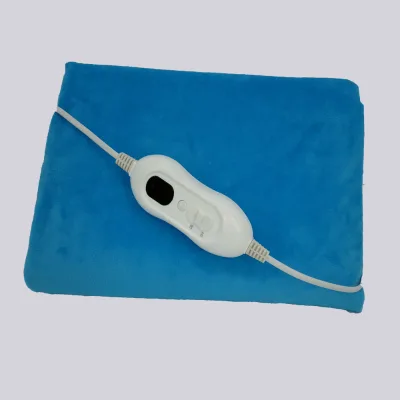
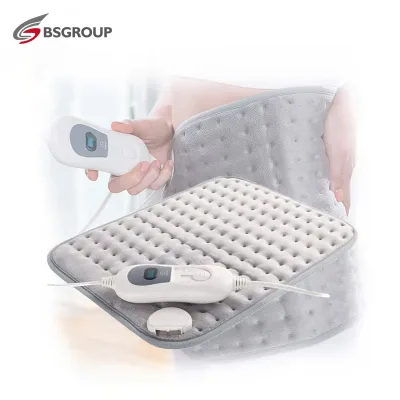
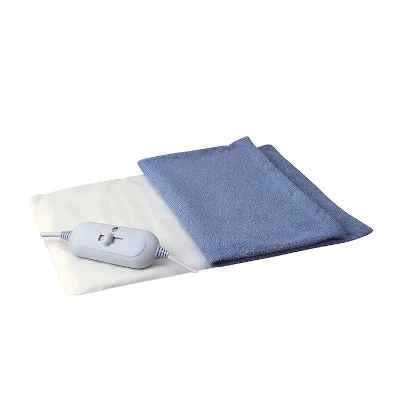
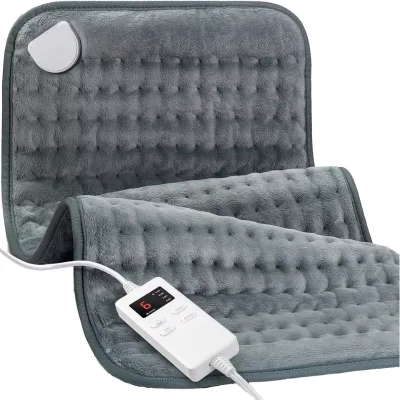
Electric Heating Pad, Heated Warming Pads for Back Pain Neck and Shoulders
$6.18 - $18.88
MOQ: 500 Pieces

Washable Infrared Heating Pad with Overheat Protection for Safe and Comfortable Use
$135.00 - $199.00
MOQ: 50 Pieces

Smart Infrared Heating Pad with Timer and Remote Control for Targeted Pain Relief
$135.00 - $199.00
MOQ: 50 Pieces

ISO13485 Manufacturer Infrared Heating Pad for Full Body Pain Relief and Recovery
$89.00 - $189.00
MOQ: 2 sets

ISO13485 Certified Infrared Heating Pad with Tourmaline & Jade for Body Pain Relief
$91.00 - $120.00
MOQ: 50 Pieces




Comprehensive Sourcing Guide
Washable Infrared Heating Pad Sourcing Guide
Procuring washable infrared heating pads requires a nuanced understanding of the intersection between textile durability and electronic safety. Buyers must recognize that "washable" implies a specific construction where heating elements are either fully encapsulated or easily removable, preventing water damage to the circuitry. This distinction is critical for maintaining product longevity and ensuring user safety during routine maintenance. The market offers various configurations, from single-pad designs to multi-pad sets, each serving different comfort and therapeutic needs.
The sourcing landscape includes products ranging from simple USB-powered units to more complex 12V systems with advanced temperature controls. Observations indicate a wide variance in materials, including carbon fiber and composite fibers, which influence heat distribution and response time. Buyers should prioritize suppliers who provide clear documentation on the washability of the outer fabric versus the internal heating components. This clarity prevents post-purchase disputes and ensures that the final product meets the intended use case for both home and commercial applications.
Product Scope and Observed Listing Signals
The current market presents a diverse array of infrared heating pads, with observed product names including reusable heating pads, electric heating pads, and far infrared heating pads. These listings reveal a spectrum of designs, from square-shaped heating wires to round composite fiber pads. The observed price range spans from $0.1 to $240, reflecting significant differences in material quality, component complexity, and brand positioning. Buyers should interpret this wide range as an indicator that price alone is not a reliable proxy for quality or safety standards.
Observed minimum order quantities (MOQs) vary from 1 to 10,000 units, suggesting flexibility for both small-scale testers and large-volume distributors. Product attributes highlight specific features such as 5V USB power, 12V DC power, and temperature ranges between 38°C and 65°C. Some listings specify sizes like 54x20cm or 14x14cm, while others offer customized dimensions. These signals help buyers narrow down options based on their target market's preference for portability versus coverage area, ensuring alignment with consumer expectations for size and power source.
Technical Specifications to Verify
Verifying technical specifications is paramount when sourcing infrared heating pads, particularly regarding voltage and plug types. Listings show options for 5V USB and 12V DC connections, each with distinct safety profiles and power delivery capabilities. Buyers must confirm that the heating element, whether carbon fiber or composite, is securely integrated to prevent short circuits. The observed temperature control mechanisms, such as switch buttons or dual-button interfaces, should be tested for responsiveness and accuracy to ensure consistent heat output within the specified range.
Size and weight are critical factors for user comfort and portability. Observed sizes range from compact 14cm diameter pads to larger 54x20cm units, with weights varying from 27g to 65g. Buyers should verify that the padding material, often described as cotton or similar fabrics, provides adequate insulation and comfort. Additionally, the presence or absence of LCD displays and the number of pads in a set (single, four, or five pieces) should be clearly defined in the product specifications to avoid miscommunication with suppliers and end-users.
Compliance and Safety Documentation
Compliance with safety standards is non-negotiable for infrared heating pads, especially those marketed as washable. The CE certification observed in some listings indicates adherence to European health, safety, and environmental protection standards. Buyers must request detailed test reports for electrical safety, including insulation resistance and leakage current tests, to ensure the product is safe for human contact. Without these documents, the risk of electrical hazards increases significantly, potentially leading to product recalls and legal liabilities.
Furthermore, buyers should verify that the materials used in the heating pad, such as the outer fabric and internal wiring, are free from harmful substances. The "washable" claim must be substantiated by durability tests that simulate repeated washing cycles without degrading the heating element or compromising electrical integrity. Suppliers should provide clear instructions on how to clean the product safely, distinguishing between machine-washable and hand-washable components. This documentation is essential for consumer trust and regulatory compliance in international markets.
Cost Drivers and Commercial Terms
Cost drivers for infrared heating pads include the type of heating element, the complexity of the control circuitry, and the quality of the outer fabric. Carbon fiber and composite fiber elements offer different heat distribution properties and costs, influencing the final price. The observed price range of $0.1 to $240 reflects these variations, with higher prices often correlating with advanced features like precise temperature control or durable, washable designs. Buyers should analyze the cost structure to identify areas where value can be added without significantly increasing the unit price.
Commercial terms such as MOQ, lead times, and payment conditions play a crucial role in the procurement process. The wide MOQ range of 1 to 10,000 units allows for flexible ordering strategies, from small batch testing to large-scale production. Buyers should negotiate terms that align with their inventory management capabilities and cash flow requirements. Additionally, understanding the packaging details, such as bag or carton options, helps in planning logistics and storage. Clear communication on these terms ensures a smooth transaction and minimizes unexpected costs.
Supplier Qualification and Quality Control
Supplier qualification is a critical step in sourcing infrared heating pads, requiring a thorough assessment of their manufacturing capabilities and quality control processes. Buyers should verify the supplier's experience in producing electronic textiles and their ability to maintain consistent quality across batches. The observed customization options, including size and shape, indicate that suppliers should have flexible production lines capable of meeting specific buyer requirements. Requesting samples is essential to evaluate the build quality, heat distribution, and overall user experience.
Quality control measures should include rigorous testing of electrical components and durability of the washable features. Buyers should inquire about the supplier's defect rate and their process for handling non-conforming products. The presence of OEM services suggests that suppliers are open to branding and packaging customization, which can be a valuable asset for buyers looking to establish their own brand identity. Establishing a strong relationship with a qualified supplier ensures long-term reliability and support for future orders.
Long-Term Procurement Checks
Long-term procurement checks involve monitoring supplier performance and market trends to ensure continued value and compliance. Buyers should regularly review supplier audits and quality reports to identify any emerging issues or improvements. The dynamic nature of the infrared heating pad market means that new technologies and materials may emerge, offering better performance or cost efficiency. Staying informed about these developments allows buyers to make strategic decisions about product upgrades or sourcing shifts.
Additionally, buyers should maintain open communication with suppliers to address any post-sale issues promptly. This includes handling warranty claims, providing feedback on product performance, and collaborating on future product development. The observed customization and OEM options suggest that suppliers are willing to adapt to changing market demands. By fostering a collaborative relationship, buyers can ensure that their sourcing strategy remains aligned with customer needs and regulatory requirements, securing a competitive advantage in the long run.
FAQs
What certifications do the heating pads have?
The heating pads carry CE certification as a standard compliance feature. This ensures the products meet essential safety requirements for the European market. Buyers can verify this attribute directly in the product specifications before placing any bulk orders for their specific needs.
Can I customize the size of the heating pad?
Customization is available for the heating pad dimensions to suit specific application needs. The standard sizes include 54 by 20 cm or 14 by 14 cm, but OEM services welcome requests for tailored measurements. This flexibility allows buyers to adapt the product for various clothing or cushion applications effectively.
What is the minimum order quantity for these pads?
The minimum order quantity ranges from one unit up to ten thousand units depending on the supplier. This wide range accommodates both small trial orders and large-scale commercial procurement requirements. Buyers should confirm the specific MOQ with the manufacturer before finalizing their purchase agreement.
How is the temperature controlled on the heating pad?
Temperature control is managed through a switch button or two-button interface on the device. The heating temperature typically ranges between 38 to 65 degrees Celsius depending on the specific model selected. This allows users to adjust the warmth level safely for personal comfort or therapeutic applications.
What voltage options are available for the heating pads?
The heating pads operate on low voltage options such as 5V or 12V for safety. The 5V models are safe for human body contact and often use USB plugs, while 12V versions utilize DC plugs. These low-voltage designs ensure safe operation for portable heating applications in various settings.
Which heating element material is used in the pads?
The pads utilize heating elements made from carbon fiber or composite fiber materials. These materials provide efficient heat distribution and are designed for durability during repeated use. The choice of fiber ensures the product remains effective for applications like clothes warming or cushion heating.
How are the products packaged for shipping?
Products are packaged in bags or cartons to ensure safe transport during shipping. The packaging protects the individual heating pads from damage while keeping them organized for bulk delivery. This standard packing method is used for all models including single pads and multi-piece sets.