Source Washable Handmade Prayer Mat for Home Hotel Office
Compare 30 Washable Handmade Prayer Mat options from verified suppliers. These mats feature non-slip backing, stain resistance, and customizable designs suitable for home, hotel, and office use. Buyers can review specifications like polyester or polypropylene materials, low or high pile heights, and various color choices to find the best fit for their needs.
Key considerations
Products List
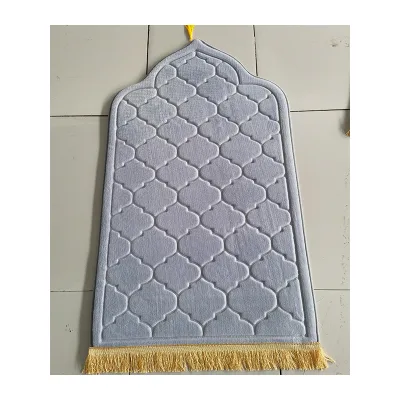
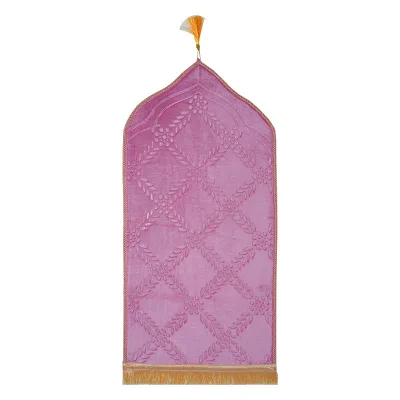
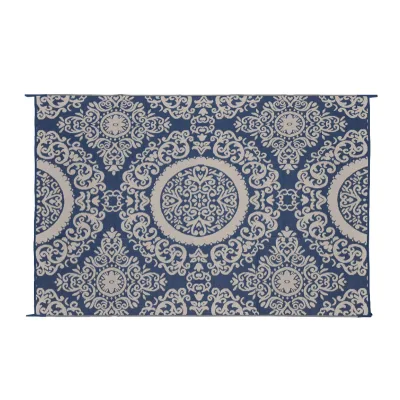
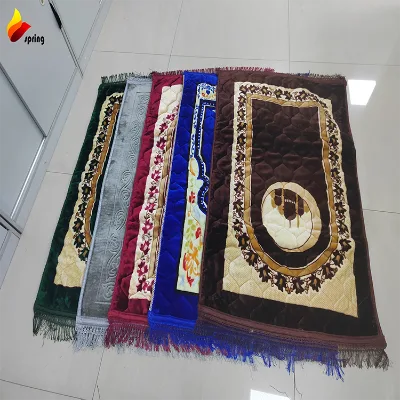
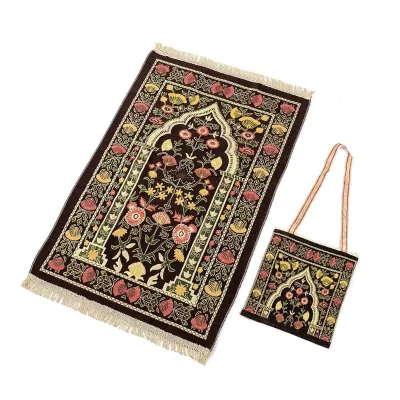
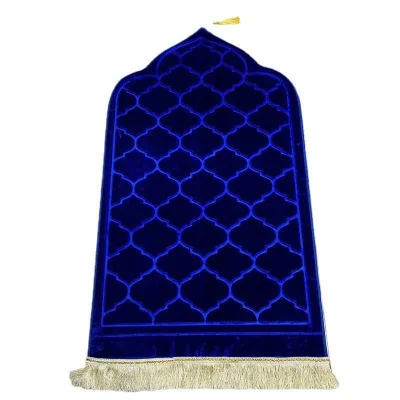
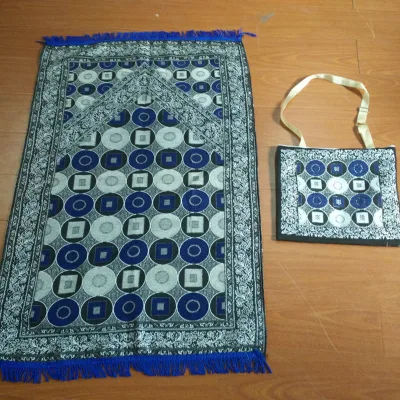
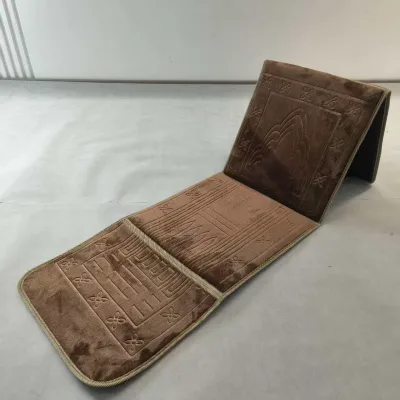
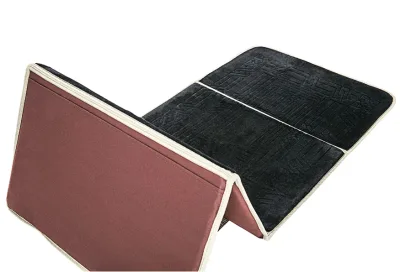
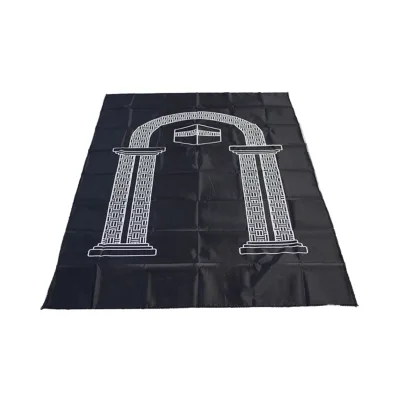
Traditional Foldable Prayer Mat Portable Blanket Travel Worship Prayer Mat
$2.94 - $3.99
MOQ: 200 pieces
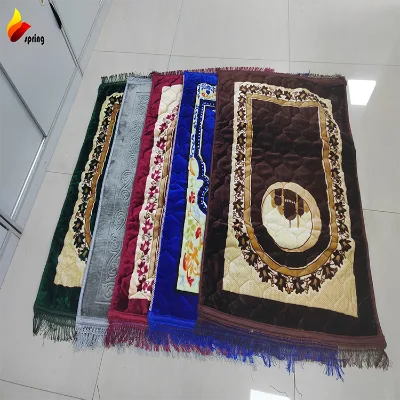
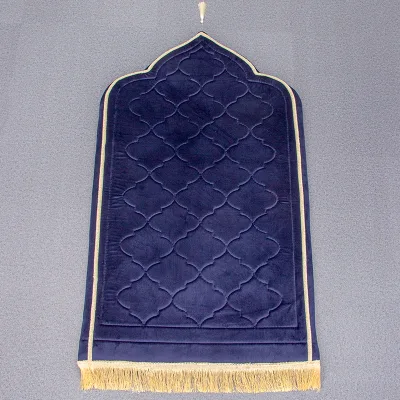


Muslim Prayer Mats, Dubai Mat Wholesale, Prayer Mat Processing, Custom Rugs
$1.00
MOQ: 100 Square Meters


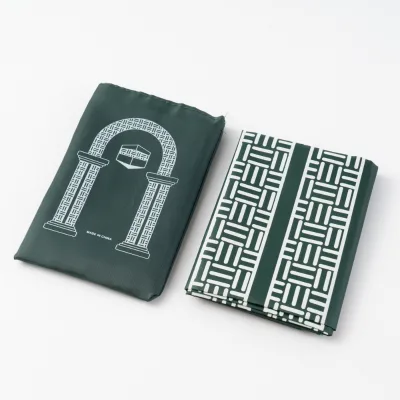
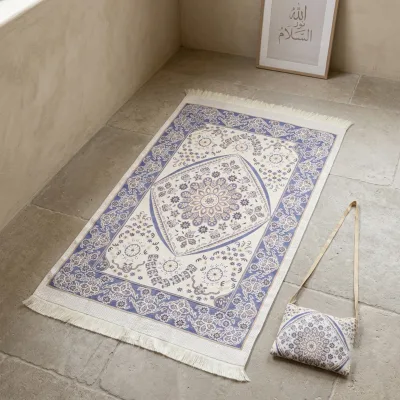
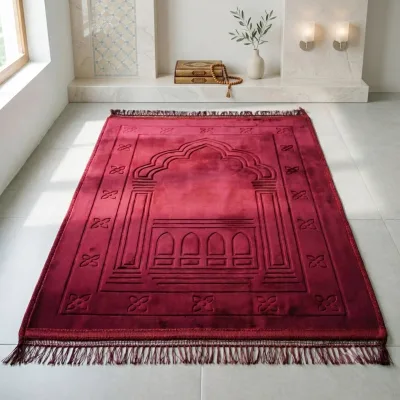
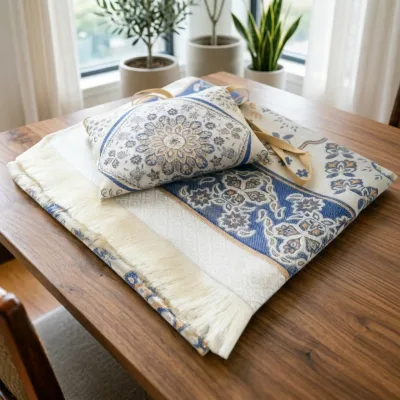
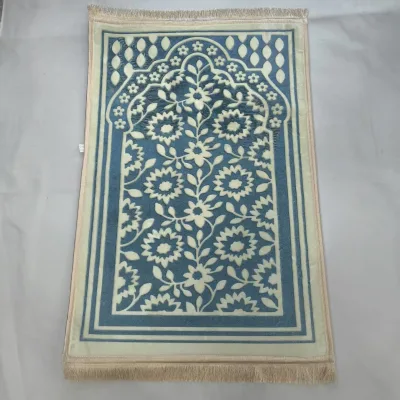


Comprehensive Sourcing Guide
Washable Handmade Prayer Mat Sourcing Guide
Procuring washable handmade prayer mats requires distinguishing between machine-made and handcrafted production methods, as the supplied data indicates a mix of machine-made polyester and woven polypropylene options. Buyers must verify the specific manufacturing technique claimed by the supplier, noting that "machine made" and "woven" are distinct processes with different implications for texture, durability, and labor costs. The observed product listings show a variety of pile heights, ranging from low to high, which directly influences the tactile experience and the ease of cleaning required for daily religious use.
Commercial terms often vary significantly based on the customization level, with some suppliers offering OEM services and others providing standard solid color or geometric patterns. The observed minimum order quantities (MOQ) range from single items to 1000 pieces, allowing flexibility for both small retailers and large distributors. However, buyers should carefully review the sample availability and lead times, as some listings indicate specific sample turnaround windows of 5-7 days, while others may have different logistical requirements for bulk orders.
Product Scope and Observed Listing Signals
The market for prayer mats includes diverse applications ranging from home and hotel use to travel and camping scenarios, necessitating a clear definition of the intended environment before selection. Observed listings highlight features such as stain resistance, non-slip backing, and reversibility, which are critical for maintaining hygiene in high-traffic areas like living rooms, bedrooms, and outdoor spaces. The material composition varies between polyester and polypropylene, each offering distinct benefits regarding softness, water absorption, and resistance to wear during frequent washing cycles.
Visual and structural attributes also play a pivotal role in the selection process, with patterns ranging from solid colors to geometric designs and customizable options. The physical dimensions observed include standard sizes like 65*115cm alongside customized specifications, ensuring that the mat fits various prayer spaces and storage constraints. Buyers should pay close attention to the listed locations, such as dining rooms, offices, and hallways, to ensure the product's aesthetic and functional properties align with the specific setting where it will be deployed.
Technical Specifications to Verify
Verifying the backing material is essential for ensuring safety and stability during use, as observed listings specify anti-slip plastic dots to prevent movement on smooth surfaces. The pile height is another critical technical parameter, with products available in both low and high pile variants that affect the comfort level and the depth of cleaning required. Buyers must confirm the single package dimensions and gross weight, as these factors influence shipping costs and storage efficiency, with observed weights ranging from 1.000 kg to 1.500 kg per unit.
The construction technique, whether machine-made or woven, dictates the structural integrity and the longevity of the mat under repeated washing. Specifications such as the model number and brand name help in tracking specific product lines, while the acceptance of customized logos and colors allows for brand differentiation. It is vital to cross-reference the stated material, such as polyester or polypropylene, with the actual sample to ensure the claimed properties like washability and stain resistance are physically present and durable.
Compliance and Safety Documentation
While specific certifications like OEKO-TEX or GOTS are mentioned in background contexts, buyers should explicitly request current compliance documentation to verify that the materials meet international safety standards for textiles. The absence of guaranteed certification status in the provided facts means that relying on supplier assertions without third-party verification can pose risks regarding chemical residues or allergen content. Procurement teams must ensure that the supplier can provide test reports confirming the safety of the dyes and fibers used, particularly for products intended for close contact with skin during prayer.
Safety features such as non-slip backing and washability are functional claims that require validation through performance testing rather than just marketing descriptions. Buyers should inquire about the specific testing protocols used to verify the anti-slip properties and the durability of the stain-resistant treatment after multiple wash cycles. Ensuring that the product meets relevant safety standards for the target market is crucial, as this protects the buyer from liability and ensures the product remains safe for use in diverse environments like hotels and public spaces.
Cost Drivers and Commercial Terms
The cost of prayer mats is influenced by several factors, including the complexity of the pattern, the type of material used, and the level of customization required for branding. Observed price ranges vary from 0.58 to 10 USD, reflecting differences in production methods, material quality, and order volume. Buyers should analyze the trade-off between unit price and minimum order quantity, as lower prices often require higher volume commitments, while smaller orders may incur higher per-unit costs due to setup and handling fees.
Commercial terms such as sample availability, lead times, and packing specifications significantly impact the total cost of ownership and supply chain efficiency. Some suppliers offer customized packing solutions, which can reduce damage during transit but may increase initial costs. Additionally, the acceptance of OEM services allows for brand integration, but this often involves additional fees and longer lead times. Buyers must negotiate clear terms regarding payment schedules and shipping responsibilities to avoid unexpected expenses that could erode profit margins.
Supplier Qualification and Quality Control
Evaluating supplier qualifications involves assessing their production capacity, technical expertise, and history of fulfilling orders for similar products. The observed data indicates that suppliers are located in regions like Tianjin and Guangxi, China, which are known for textile manufacturing, but buyers should verify the specific factory capabilities to ensure they can meet quality and volume requirements. Checking for OEM/ODM acceptance and the ability to handle customized logos and colors is essential for maintaining brand consistency and meeting specific market demands.
Quality control measures must be robust to ensure that every batch of prayer mats meets the specified standards for washability, durability, and safety. Buyers should implement a rigorous inspection process that includes checking the pile height, backing adhesion, and color fastness before shipment. Establishing clear communication channels with the supplier for real-time updates on production progress and quality issues can help mitigate risks and ensure that the final product aligns with the buyer's expectations and the initial sample approval.
Long-Term Procurement Checks
Sustaining a successful procurement relationship requires regular performance reviews to ensure that the supplier continues to meet quality standards and delivery timelines. Buyers should monitor the consistency of product attributes, such as the material composition and finish, across multiple orders to detect any potential degradation in quality over time. Establishing a feedback loop with the end-users can provide valuable insights into the product's performance in real-world conditions, allowing for timely adjustments to specifications or supplier selection.
Long-term checks also involve staying informed about market trends and technological advancements in textile manufacturing that could offer better alternatives or cost efficiencies. Buyers should periodically reassess the supplier's compliance with evolving safety standards and environmental regulations to ensure continued market access and brand reputation. By maintaining a proactive approach to supplier management and quality assurance, buyers can secure a reliable supply chain that supports their business growth and customer satisfaction goals.
FAQs
What materials are used for washable prayer mats?
Washable prayer mats are commonly made from polyester or polypropylene. Polyester offers durability and easy cleaning, while polypropylene provides a lightweight, water-resistant option. Both materials support machine washing and maintain their shape after repeated use, making them suitable for regular household or commercial cleaning routines.
Can I customize the size and logo on prayer mats?
Yes, suppliers typically accept custom sizes and logos for prayer mats. Standard dimensions like 65x115cm are common, but customized sizes are available upon request. You can also add your own logo or branding. Ensure you provide clear design files and confirm the minimum order quantity for custom production with the manufacturer.
What is the typical MOQ for prayer mat orders?
The minimum order quantity for prayer mats often starts at 100 pieces, though this can vary by supplier. Some manufacturers may require higher quantities for custom designs or specific material choices. Always verify the current MOQ with the supplier, as it may differ for standard stock items versus fully customized orders.
How long does sample production take for prayer mats?
Sample production for prayer mats usually takes 5 to 7 days. This timeframe allows the manufacturer to prepare the specific material, weaving, and finishing required for your design. Confirm the exact lead time with the supplier, as complex patterns or custom backing materials may extend the preparation period.
Are prayer mats suitable for outdoor use?
Many prayer mats are designed for both indoor and outdoor use. Features like non-slip backing and stain-resistant materials make them durable for camping or travel. Check the specific product specifications to ensure the mat is rated for outdoor conditions, particularly if you need water resistance or UV stability.
What backing options are available for prayer mats?
Common backing options include anti-slip plastic dots, which provide stability on smooth floors. Some mats also feature cushioned backing for added comfort during prayer. The choice of backing affects the mat's weight and portability. Select a backing type that matches your intended usage environment, such as home, hotel, or outdoor settings.
Can prayer mats be washed in a machine?
Yes, most washable prayer mats are designed for machine washing. Use a gentle cycle with cold water to preserve the pile and colors. Avoid using bleach or harsh detergents that might damage the material. Air drying is recommended to maintain the mat's shape and prevent shrinkage or warping after washing.