Source Washable Reversible Stain Resistant Carpet for Home Hotel Outdoor
Compare 30 listings of Washable Reversible Stain Resistant Carpet from direct factories in Shandong. Buyers can evaluate customization options, material blends, and cleaning features for commercial and residential projects.
Key considerations
Products List

Fashion Entrance Carpet for Bedroom Stain-Resistant Cotton Woven Floor Mats Carpet Washable Braided
$56.00 - $59.00
MOQ: 200 Square Meters


Factory Direct Sale Easy to Clean Printed Mat for Indoor and Outdoor Use
$3.45
MOQ: 1000 Square Meters

Waterproof and Scratch-Resistant Coated Carpet with Anti-Slip Features
$0.25 - $0.35
MOQ: 20000 Square Feet


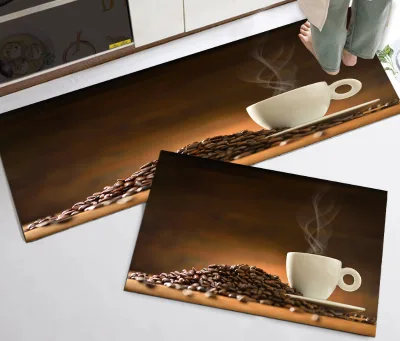


Quality Plain Carpet, Non Woven, Available in Various Widths and Lengths
$0.34 - $0.37
MOQ: 500 Square Meters


High Quality Disposable Anti Slip Plain Carpet for Outdoor or Indoor
$0.34 - $0.37
MOQ: 500 Square Meters


Washable Carpet Wool Carpets Wall to Wall Carpet Rug New Zealand Carpet Restaurant Carpet
$80.00 - $110.00
MOQ: 1 Square Meters


PVC Double-Striped Mat (roll) , Anti-Slip Carpet Embedded Backing
$2.39 - $2.49
MOQ: 1000 Square Meters


Customized logo full carpet, providing carpet with logo printed on it
$2.32 - $5.98
MOQ: 1000 Square Meters

Modern Non-Slip PP Indoor Floor Carpet Mat Washable Mat for Home Use
$3.99 - $4.99
MOQ: 1000 Square Meters

High Quality Polyester Double Stripe Carpet Mat with Anti Slip Backing
$2.39 - $2.49
MOQ: 1000 Square Meters
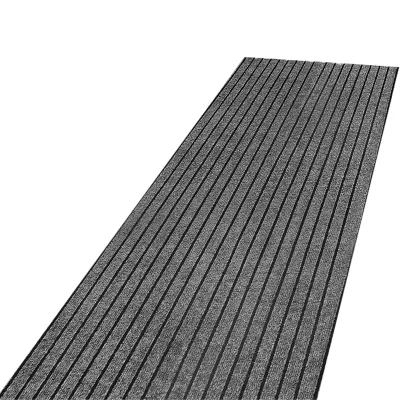
Superior Custom Size Indoor Rubber Backing Hallway Carpet Entryway Office or Door Mats
$2.00 - $2.20
MOQ: 1000 square
Comprehensive Sourcing Guide
Strategic Sourcing Guide for Washable Reversible Stain Resistant Carpets
The global B2B market for floor coverings has seen a significant shift toward high-performance textiles that balance aesthetic versatility with rigorous functional requirements. For procurement professionals seeking washable, reversible, and stain-resistant carpets, the supply landscape offers a diverse array of options, particularly from manufacturing hubs in China. This guide provides a disciplined, evidence-based framework for sourcing these products, focusing on technical specifications, compliance verification, and supplier evaluation strategies derived from current market data.
Technical Specifications and Material Composition
When evaluating washable and stain-resistant carpets, the primary focus must be on the material composition and construction methods that enable these specific performance attributes. The supplied market data indicates a prevalence of blended materials, specifically combinations of wool, polyester, nylon, and polypropylene. For applications requiring high durability and stain resistance, synthetic fibers such as nylon and polypropylene are often preferred due to their inherent resistance to moisture and chemical cleaning agents. The "Chemical Fiber" category is explicitly noted in several product listings, suggesting a strong market presence of synthetic blends that facilitate machine washing and waterproofing.
Construction techniques play a pivotal role in determining the carpet's ability to be both washable and reversible. The observed "Technics" include Braided, Non-Woven, Cut Pile, Loop Pile, Multi-Level Loop, and Cut-Loop configurations. Braided and Non-Woven constructions are particularly relevant for heavy-duty commercial and outdoor applications where structural integrity during washing is critical. The "Dyed Method" is frequently listed as "Solution Dyed," a process where color is integrated into the fiber before extrusion. This method is a critical technical differentiator, as it ensures that the color is locked into the material, providing superior resistance to fading and staining compared to surface-dyed alternatives.
The pile weight, observed in the range of 4.5 to 8.5 lbs per square meter, serves as a key indicator of density and durability. Heavier piles generally offer better cushioning and longevity but may require more rigorous drying protocols after washing. The backing material, identified as cotton in several instances, provides a natural foundation that can enhance the carpet's ability to hold shape during the washing process, though buyers must verify the compatibility of the backing with waterproof treatments.
Compliance, Certification, and Safety Standards
In the B2B sector, verifying that a carpet meets international safety and quality standards is non-negotiable. The supplied data explicitly mentions that products are "ISO, CE, SGS Certified." These certifications are essential markers for buyers operating in regulated markets. ISO certification typically indicates adherence to quality management systems, ensuring consistent production processes. CE marking is a mandatory conformity mark for products sold within the European Economic Area, signifying that the product meets EU safety, health, and environmental requirements. SGS certification often relates to third-party testing for quality and safety, providing an additional layer of assurance regarding the product's claims.
Buyers must scrutinize the specific scope of these certifications. For carpets intended for commercial or public use, fire resistance is a paramount concern. The data highlights "Fire Resistance" as a specific feature, which is critical for compliance with building codes in hotels, offices, and public spaces. Procurement teams should request test reports that verify the fire rating against relevant standards, such as ASTM E84 or EN 13501, rather than relying solely on the general claim of certification.
Furthermore, the "Cleaning & Maintenance" attributes listed include "Waterproof," "Stain Resistant," and "Machine Washable." While these are desirable traits, they must be backed by empirical test data. Buyers should verify that the "Waterproof" claim refers to the entire carpet assembly, including the backing, to prevent delamination or mold growth during washing. The presence of "Hand Wash" and "Machine Wash" options suggests versatility, but the specific temperature limits and detergent compatibility should be confirmed to ensure the carpet's longevity.
Cost Drivers and Pricing Dynamics
Understanding the cost structure of washable carpets is vital for budgeting and negotiation. The observed price range in the market spans from $0.25 to $110 USD per unit, a vast disparity that reflects differences in material quality, construction complexity, and order volume. The lower end of the spectrum likely corresponds to non-woven or simple polypropylene options with standard dimensions, while the higher end encompasses luxury designs, custom patterns, and high-density blends involving wool or premium nylon.
The Minimum Order Quantity (MOQ) is another significant cost driver, with observed ranges from 1 to 20,000 units. High MOQs often correlate with lower unit costs due to economies of scale in production and shipping. For buyers with smaller requirements, the unit price may be higher, but the flexibility allows for testing the product in a specific environment before committing to large volumes. The "Customization" attribute is available across the market, which inherently increases costs. Custom colors, patterns, and dimensions require dedicated production runs, impacting both the unit price and the lead time.
Production location also influences cost. The data points to "Shandong, China" and specific cities like "Laiwu," "Jinan," and "Jinan City" as primary origins. These regions are known for their textile manufacturing infrastructure, which can offer competitive pricing. However, buyers must factor in logistics, tariffs, and import duties when calculating the landed cost. The "Factory: Direct Factory" attribute suggests that sourcing directly from the manufacturer can eliminate intermediary markups, potentially offering better margins for large-volume buyers.
Typical Applications and Usage Scenarios
The versatility of washable, stain-resistant carpets is evident in the wide range of applications listed. The "Usage" field includes Tapestry, Prayer, Outdoor, Hotel, Home, Exercise, Decoration, Commercial, Bath, and Auto. This breadth indicates that these products are suitable for both residential and high-traffic commercial environments.
In commercial settings such as hotels and offices, the "Design" attributes of "Luxury" and "Business" are highly relevant. These carpets must not only be durable and easy to clean but also maintain a professional aesthetic. The "Anti-Slip" feature is a critical safety requirement for commercial and outdoor applications, particularly in areas prone to moisture. For residential use, the "Modern" and "Customized Design" options allow for integration into contemporary interior schemes.
The "Outdoor" and "Bath" usage categories highlight the importance of the "Waterproof" and "Stain Resistant" features. Carpets intended for these environments must withstand exposure to water, humidity, and potential chemical cleaners without degrading. The "Auto" application suggests a need for compact, durable mats that can be easily removed and washed, often utilizing the "Runner" or "Oval" shapes observed in the product specifications.
Supplier Evaluation and Sourcing Strategy
Evaluating suppliers requires a multi-faceted approach that goes beyond price comparison. The "OEM&ODM: Available" attribute indicates that many suppliers offer original equipment manufacturing and design services, allowing buyers to create branded products. This is particularly valuable for companies looking to differentiate their offerings. However, buyers must assess the supplier's capacity to handle custom orders without compromising quality or delivery timelines.
The "Craftsmanship" options, including "Hand-Knotted" and "Hand-Tufted," suggest a level of artisanal quality that may appeal to luxury markets. Buyers should verify the consistency of these handcrafted processes, as manual production can introduce variability. The "Surface Styles" listed as "Solid Color, Stripes, Patterns, Customized" provide a wide range of aesthetic choices, but the consistency of pattern alignment and color matching must be verified through samples.
When selecting a supplier, buyers should prioritize those with transparent communication regarding their "prod_standard" and "prod_model" specifications. The data lists specific models such as "HENGCHENG," "HC-05," "Double-Striped Carpet," and "Plain Thick Red Carpet for Weddings." These model numbers can serve as reference points for quality benchmarks. Additionally, the "prod_packing" methods, ranging from "Roll" to "Bag" and "Carton," should be evaluated to ensure they protect the product during transit and storage.
Quality Control and Long-Term Procurement Considerations
Implementing a robust quality control (QC) protocol is essential for maintaining the integrity of the supply chain. Buyers should establish clear acceptance criteria based on the observed specifications, such as pile weight, backing material, and certification status. Regular inspections, including pre-shipment and during-production checks, can help identify defects early. The "Art/Collectible Value" attribute, which claims to add "Decorative & Investment Value," should be treated with caution; while it may enhance the product's appeal, it should not replace rigorous functional testing.
Long-term procurement considerations involve assessing the supplier's ability to scale and adapt. The "Hours of Use" listed as "Half a Year" for some products suggests a potential limitation in durability for high-traffic areas. Buyers should seek clarification on the expected lifespan under specific usage conditions. The "Standard" dimensions, such as "1x50 m," "1.2x50m," "1.5x50 m," and "30x30cm," "45x45cm," provide a baseline for standardization, but custom sizes may be required for specific projects.
The following table summarizes key technical attributes and their implications for procurement:
| Attribute | Observed Values | Procurement Implication |
|---|---|---|
| Material | Blended, Wool/Polyester/Nylon/Polyproylene, Chemical Fiber | Verify fiber blend ratios for stain resistance and washability. |
| Construction | Cut Pile, Loop Pile, Braided, Non-Woven | Select based on traffic level and cleaning method requirements. |
| Certification | ISO, CE, SGS | Request valid certificates and test reports for fire and safety. |
| Cleaning | Machine Washable, Waterproof, Stain Resistant | Confirm washing protocols and drying times to prevent damage. |
| Origin | Shandong, China (Laiwu, Jinan) | Factor in logistics costs and lead times from these specific regions. |
| Packing | Roll, Bag, Carton | Ensure packaging protects against moisture and compression during shipping. |
Conclusion
Sourcing washable, reversible, and stain-resistant carpets requires a meticulous approach that balances technical performance with commercial viability. By leveraging the observed data on materials, construction, and certifications, buyers can make informed decisions that align with their specific project requirements. The availability of customization, OEM/ODM services, and diverse product models from manufacturers in Shandong, China, offers significant opportunities for differentiation. However, success depends on rigorous supplier evaluation, strict quality control measures, and a clear understanding of the cost drivers and application constraints. As the market continues to evolve, maintaining a focus on verified performance metrics and compliance standards will ensure the procurement of high-quality floor coverings that meet the demands of modern commercial and residential environments.
FAQs
What materials are used for washable reversible stain resistant carpets?
These carpets typically use blended materials including wool, polyester, nylon, and polypropylene. Chemical fiber options are also available to ensure durability and resistance to moisture during machine washing.
Can these carpets be customized for specific design needs?
Yes, customization is available for colors, patterns, and dimensions. Buyers can request specific designs such as solid colors, stripes, or custom patterns to match their interior requirements.
Which certifications do these carpets typically hold for safety?
Products often carry ISO, CE, and SGS certifications to verify quality and safety standards. These marks indicate compliance with international regulations for fire resistance and general product safety.
How are these carpets constructed for durability and washing?
Construction methods include cut pile, loop pile, braided, and non-woven techniques. The pile weight ranges from 4.5 to 8.5 lbs per square meter to ensure density and longevity.
Where are these carpets manufactured and what is the origin?
Manufacturing primarily occurs in Shandong, China, with specific origins in Laiwu, Jinan, and Jinan City. Direct factory sourcing is available to ensure competitive pricing and quality control.
What cleaning methods are supported by these carpets?
The carpets support machine washing, hand washing, and are designed to be waterproof and stain resistant. Some products also feature solution-dyed methods to prevent color fading during cleaning.