Source Handmade Carved Music Bobblehead Figurine for Gifts, Decor, and Collectibles
Find and compare 30 Handmade Carved Music Bobblehead Figurine options from verified suppliers. Evaluate resin materials, custom sizes, and packaging details to select the best wholesale units for promotional gifts, home decor, and souvenir collections.
Key considerations
Products List
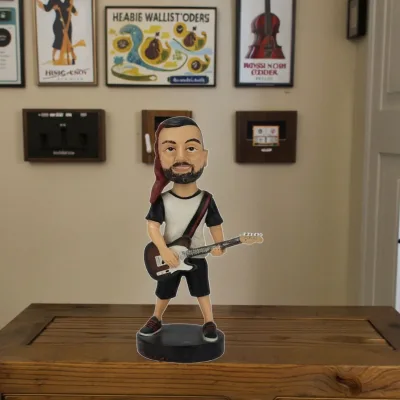
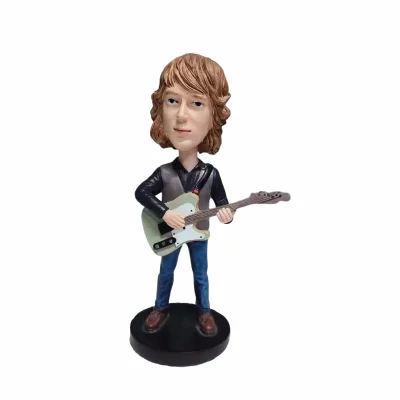
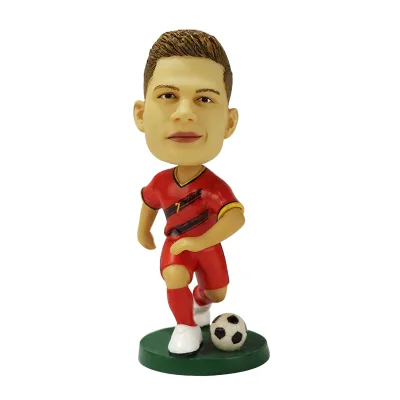
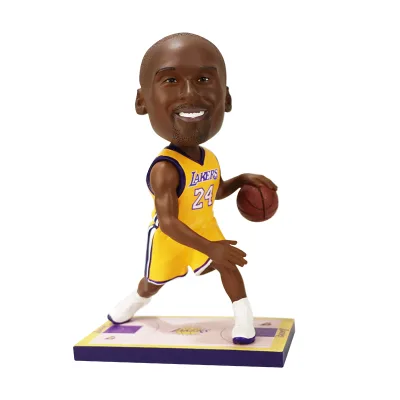
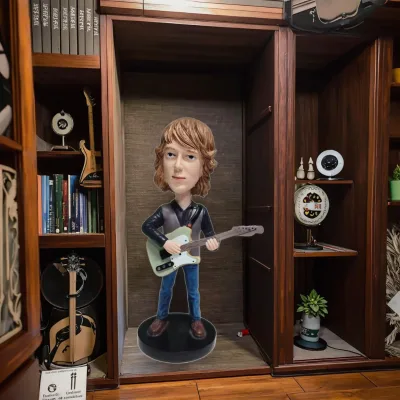
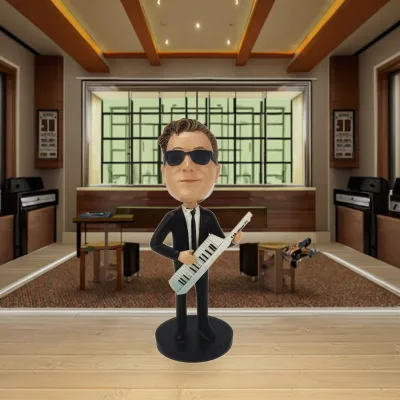
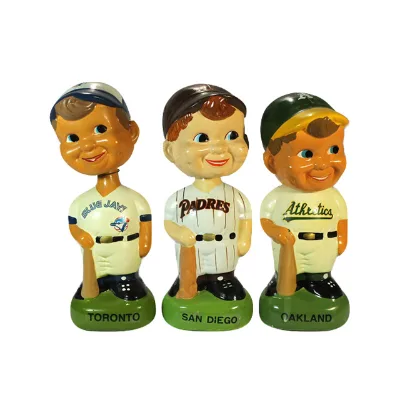
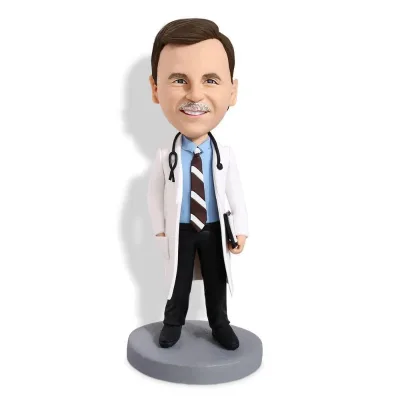
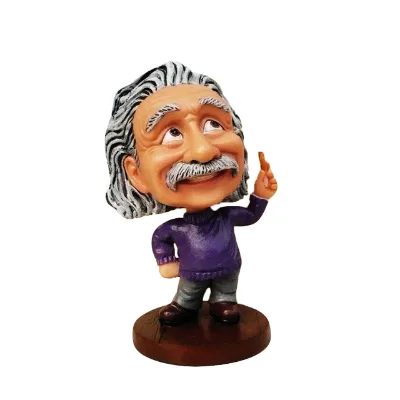
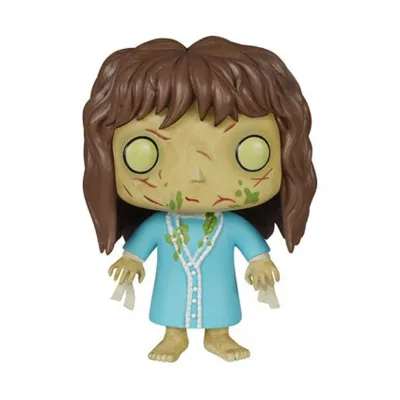


Factory Custom Resin Bobble Head Personalized Bobblehead Statues Low MOQ
$1.30 - $1.80
MOQ: 300 Pieces


Wholesale Resin Bobblehead Dolls Customized Bobble Head Figurine Sculpture
$1.50 - $4.50
MOQ: 500 Pieces

Custom Resin Material Music Funny Figure Boy Figurines for Home Decoration
$1.50 - $5.00
MOQ: 500 Pieces

Custom Handmade Craved Resin Deers Playing Music Figurine Home Decoration
$2.50 - $5.50
MOQ: 500 Pieces

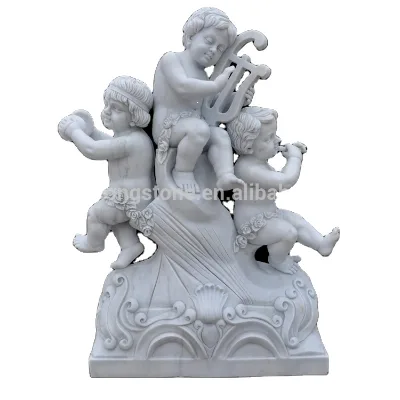
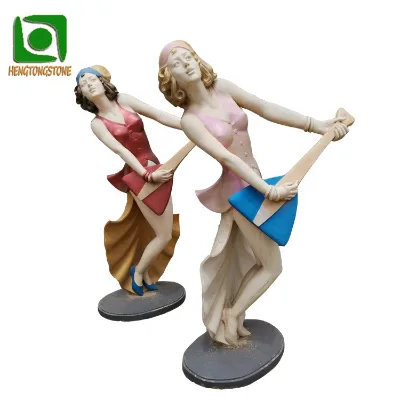
Music Theme Outdoor Decorative Resin Fiberglass Handmade Orchestra Girls Figure Statue
$1221.37 - $1832.05
MOQ: 1 Minimum
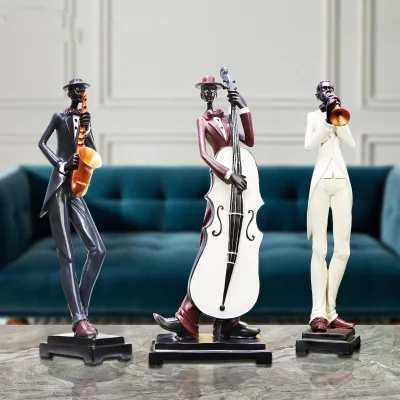
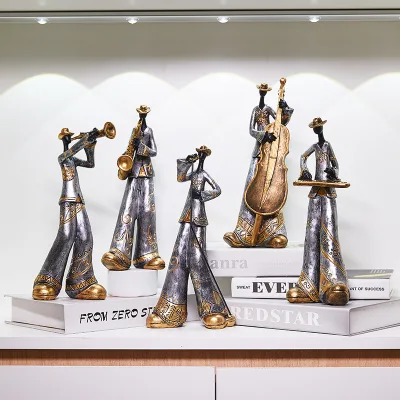


Resin Customized Bobbleheads Figurine for Promotional Gifts Bobble Head
$2.05 - $2.15
MOQ: 2000 Pieces


Comprehensive Sourcing Guide
Handmade Carved Music Bobblehead Figurine Sourcing Guide
Sourcing handmade carved music bobblehead figurines requires a nuanced understanding of the intersection between artisanal craftsmanship and mass-production logistics. These items are typically categorized under resin-based collectibles, where the "handmade" and "hand-painted" attributes denote significant labor intensity rather than automated manufacturing. Buyers must recognize that while the core material is often resin, the value proposition lies in the sculptural detail, the bobble mechanism’s durability, and the artistic finish that mimics traditional carving or sculpture. The observed market signals indicate a wide variance in product complexity, ranging from simple guitar-themed figures to more intricate rock singer designs, each demanding specific quality control protocols.
The procurement strategy for these figurines hinges on balancing aesthetic fidelity with commercial viability. Suppliers in key manufacturing hubs, such as Fujian, China, offer a concentration of expertise in this niche, leveraging established supply chains for resin molding and painting. However, the term "handmade" does not imply one-off artisanal creation in a B2B context; it usually refers to hand-finishing steps applied to mass-produced molds. Buyers need to verify whether the "carved" description refers to the initial mold design or post-production detailing, as this distinction impacts lead times and unit costs. Understanding these operational realities is crucial for setting realistic expectations regarding production volume and consistency.
Product Scope and Observed Listing Signals
The current market landscape for music-themed bobbleheads reveals a diverse range of product types, including guitarist figures, rock singer designs, and 3D guitar figurines. Observed listings show that these products are frequently marketed with specific artistic themes, such as "Music" style or "Sculpture" patterns, and are often described as having irregular or custom shapes. The material composition is predominantly resin, which allows for detailed replication of musical instruments and dynamic poses. Buyers should note that while some products are labeled with specific model numbers like BBH-026 or ZY25070804, others are presented as fully customized items, indicating a flexible production capability among suppliers.
Packaging and dimensional data provide critical insights into the logistical handling of these items. Single package sizes vary significantly, from compact 7x7x13 cm boxes for smaller figurines to larger 15x13x22 cm packages for more substantial designs. The gross weight per unit typically hovers around 0.35 kg, which is a key factor in calculating freight costs. Furthermore, packing methods often include protective layers such as styrofoam, polybags, and white boxes, with carton quantities ranging from 12 pieces per master carton. These specifications suggest that buyers must account for both the fragility of the bobble mechanism and the volume of the packaging when planning warehousing and distribution.
Technical Specifications to Verify
When evaluating technical specifications, the model number and size customization options are primary verification points. Suppliers may offer standard models like Goodya or GY-240516, but also provide "One Size" or fully customized dimensions to meet specific branding or display requirements. Buyers must confirm whether the "customized" size refers to the physical dimensions of the figurine or the packaging, as this affects the single package size and gross weight calculations. Additionally, the shape of the product, whether described as irregular, custom, or specific to a musician’s pose, should be validated against physical samples to ensure it aligns with the intended aesthetic.
The production technique and finish are equally critical for quality assurance. Many listings highlight "hand-painted" techniques and "handmade" features, which require rigorous inspection to ensure consistency across batches. Buyers should verify the application of decals or decoupage techniques, particularly for products like the ZY25080404 model, where surface details must be sharp and durable. The bobble mechanism itself, while not always detailed in standard specs, is a functional component that must withstand repeated motion without detaching or breaking. Confirming the durability of the neck joint and the stability of the base is essential for preventing customer complaints related to product failure.
Compliance and Safety Documentation
Safety compliance is paramount for resin-based collectibles, especially those marketed as gifts or souvenirs. Buyers must ensure that suppliers provide documentation verifying that the resin materials are free from harmful substances such as lead, cadmium, or phthalates, particularly if the products are intended for markets with strict consumer safety regulations. While specific certification statuses are not universally listed, buyers should request test reports from accredited laboratories to confirm compliance with standards like ASTM F963 for toy safety or EN71 for European markets. This verification is crucial for mitigating liability risks and ensuring that the products can be legally sold in target jurisdictions.
Labeling and packaging compliance also fall under the safety and regulatory umbrella. Products intended for international sale must carry appropriate warning labels, such as choking hazard warnings for small parts, and country-of-origin markings. Buyers should verify that the supplier’s packaging includes all necessary regulatory information, including the brand name, model number, and material composition. Additionally, if the products are marketed as "home decoration" or "art & collectible," buyers must ensure that the labeling does not inadvertently classify them as toys, which would trigger stricter safety requirements. Clear distinction in marketing and labeling helps avoid regulatory misclassification and potential customs delays.
Cost Drivers and Commercial Terms
The cost structure for handmade music bobbleheads is influenced by several key factors, including material costs, labor intensity, and order volume. The observed minimum order quantities (MOQs) range from 300 to 500 pieces, reflecting the balance between production efficiency and artisanal labor. Higher MOQs may lead to better unit prices, but buyers must consider their inventory capacity and sales velocity before committing to large orders. The production time, typically ranging from 30 to 45 days, also impacts cash flow and supply chain planning, as longer lead times require earlier ordering and potentially higher safety stock levels.
Commercial terms such as sample times and shipping ports play a significant role in the overall procurement cost. Sample times of 7-15 days allow for quality verification before mass production, but expedited sampling may incur additional fees. Shipping from ports like Xiamen is common for suppliers in Fujian, and buyers should factor in freight costs, which can vary based on volume and weight. The single gross weight of approximately 0.35 kg per unit, combined with packaging dimensions, determines the volumetric weight for shipping calculations. Buyers should negotiate clear terms regarding who bears the risk of loss during transit and ensure that insurance coverage is adequate for high-value collectible items.
Supplier Qualification and Quality Control
Supplier qualification for handmade figurines requires a focus on production capability and quality management systems. Buyers should verify the supplier’s experience in producing resin-based art and collectibles, particularly their ability to maintain consistency in hand-painted finishes. Requesting references or case studies of previous music-themed projects can provide insight into the supplier’s expertise. Additionally, assessing the supplier’s facility for cleanliness and organization is important, as dust and debris can compromise the quality of painted surfaces. Suppliers who accept customized logos and designs demonstrate flexibility, but buyers must ensure that these customization processes are well-controlled to avoid errors.
Quality control protocols must be explicitly defined and agreed upon before production begins. Buyers should establish clear acceptance criteria for visual defects, such as paint smudges, uneven coloring, or misaligned parts. The bobble mechanism’s range of motion and stability should be tested on a sample basis to ensure it meets functional standards. Implementing a pre-shipment inspection (PSI) is highly recommended to catch any defects before the goods leave the factory. Buyers should also define the acceptable defect rate and the process for handling non-conforming products, including whether replacements or refunds are provided. Clear communication of these standards helps prevent disputes and ensures that the final product meets buyer expectations.
Long-Term Procurement Checks
Long-term procurement success depends on establishing a robust relationship with suppliers and continuously monitoring performance. Buyers should conduct regular audits of supplier quality and delivery performance, tracking metrics such as on-time delivery rates and defect percentages. Building a pipeline of alternative suppliers can mitigate risks associated with production delays or quality issues. Additionally, staying informed about changes in material costs and labor rates in key manufacturing regions like Fujian can help buyers anticipate price fluctuations and negotiate better terms. Regular communication with suppliers about market trends and consumer preferences can also drive innovation and product improvement.
Sustainability and ethical sourcing are increasingly important considerations for long-term procurement strategies. Buyers should inquire about the supplier’s practices regarding waste management and the use of eco-friendly materials, as these factors can impact brand reputation. Verifying that the supplier adheres to fair labor practices is also essential for maintaining ethical standards. By integrating these considerations into their procurement strategy, buyers can build a resilient and responsible supply chain that supports both business growth and social responsibility. Continuous evaluation and adaptation of procurement practices ensure that the business remains competitive and compliant in a dynamic market environment.
FAQs
What materials are used for handmade carved music bobblehead figurines?
These figurines are primarily crafted from resin to ensure durability and detailed sculpting. The products feature hand-painted techniques and are designed as custom products or irregular shapes to match specific artistic requirements for collectors and home decoration.
How long does production take for custom music bobblehead orders?
Standard production time ranges from 30 to 45 days depending on order complexity. Sample preparation requires 7 to 15 days before full manufacturing begins, ensuring the handmade and artistic features meet the buyer's specific customization needs.
Which minimum order quantities apply to these resin bobblehead figurines?
Minimum order quantities vary by supplier, with observed ranges starting at 300 pieces and extending up to 2000 pieces. Buyers should verify specific MOQs as some listings require 500 pieces while others may have different thresholds based on the product model.
Can buyers request customized logos on these music bobblehead figurines?
Yes, customized logos are accepted for these resin figurines to support business gifts and souvenir applications. The products are designed as custom items with flexible shapes and sizes, allowing for personalized branding on the artistic and collectible pieces.
What are the typical packaging details for shipping these figurines?
Items are typically packed individually in polybags with styrofoam protection and white boxes. Bulk cartons often contain 12 pieces per carton, ensuring safe transport for home decoration and holiday gift applications while maintaining the handmade quality of the product.
Where are these handmade music bobblehead figurines manufactured?
The products originate from Fujian, China, with shipments typically departing from Xiamen Port. This location supports the manufacturing of various models including guitarists and rock singers, ensuring the artistic and collectible nature of the resin figurines is preserved.