Source Watch Display Stand for Window, Exhibition, Showcase
Compare 30 Watch Display Stand options from Guangdong suppliers. Buyers can evaluate materials like wood and acrylic, custom sizes, and OEM services for retail and exhibition use. These items support window displays, showcase setups, and exhibition stands with flexible customization.
Key considerations
Products List
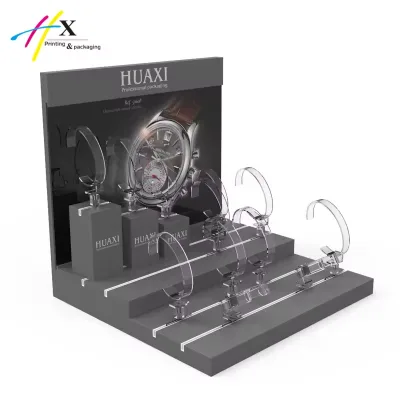
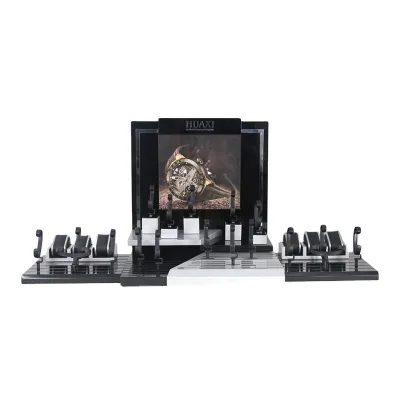
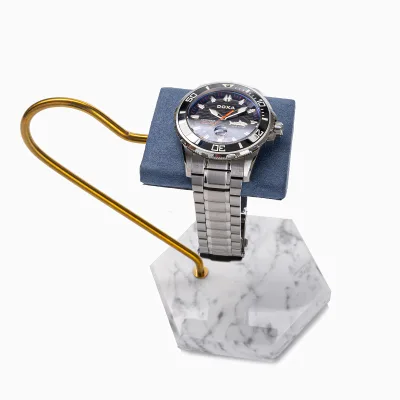


Showcase Acrylic Watch Display Stand Acrylic Rotating Watch Display Case
$10.00 - $200.00
MOQ: 100 Pieces


Acrylic Watch Display Stand for Men's Watch Home or Store Selling Shows
$10.00 - $80.00
MOQ: 100 Pieces


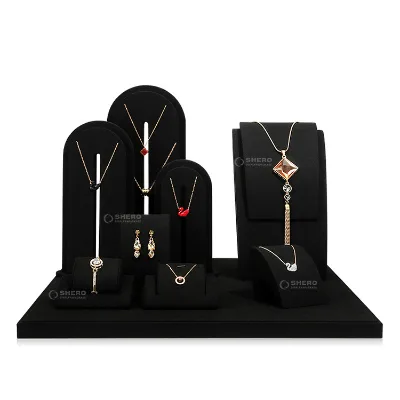
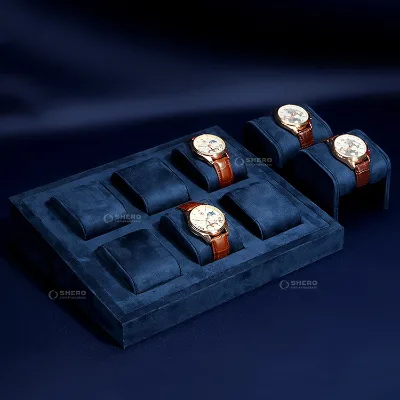
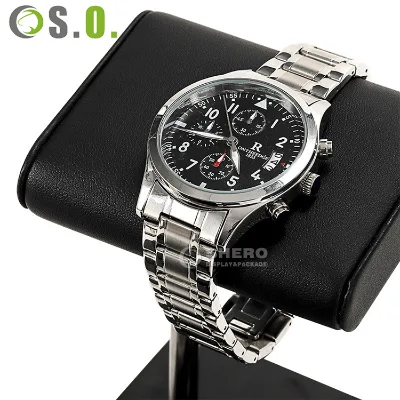
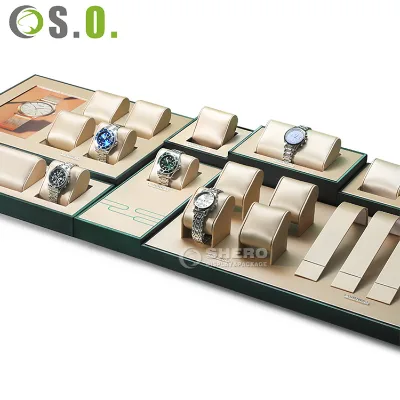


High Quality Jewelry Display Stand Showcase Display Rack Watch Classical Jewelry Display Cabinet
$118.20 - $139.70
MOQ: 20 Pieces


Comprehensive Sourcing Guide
Watch Display Stand Sourcing Guide
Sourcing the right Watch Display Stand requires balancing aesthetic appeal with functional durability, ensuring that the presentation enhances the perceived value of the timepieces. Buyers must first define the specific use case, whether for high-end retail windows, exhibition booths, or internal showcase units, as this dictates the material choice and structural integrity needed. The market offers a variety of options ranging from simple acrylic holders to complex wooden structures, each serving different branding and security needs.
Procurement teams should also consider the logistical aspects of the display, including packaging efficiency and assembly requirements. Since these items are often shipped in bulk, understanding the single package dimensions and gross weight is crucial for calculating freight costs and warehouse storage space. A clear understanding of these physical attributes helps in selecting suppliers who can meet both the visual standards of the brand and the practical constraints of global supply chains.
Product Scope and Observed Listing Signals
The current market landscape for watch display stands includes a diverse range of materials, primarily wood, acrylic, and composite options like MDF. Listings indicate that products are often customized in color, with white, black, and blue being common finishes, while surface treatments may include matte gray or white options to suit modern retail aesthetics. The product scope extends from basic holders to elaborate display cases, with some units featuring custom logos and specific model numbers such as Ty54, DS577, and HX-H1, reflecting the OEM nature of the supply.
Observed listing signals reveal that suppliers frequently offer OEM and ODM services, allowing brands to tailor the size and design to their specific requirements. The typical size range varies significantly, from compact units measuring 16x16x20cm to larger displays accommodating multiple watches. Buyers should note that while some products are described as handmade, others are mass-produced with standardized packaging, which impacts the lead time and the level of customization available for large orders.
Technical Specifications to Verify
When evaluating technical specifications, buyers must verify the exact dimensions and weight of the display units to ensure they fit the intended retail space. Single package sizes can vary widely, with some units measuring 50x30x25cm and others up to 60x50x40cm, directly impacting shipping volume and cost. It is essential to confirm the material composition, whether it is solid wood, acrylic, or a combination, as this affects the durability and the overall look of the display under different lighting conditions.
Additionally, the structural design and assembly method are critical technical factors. Some displays are designed for easy assembly, while others may require professional installation. Buyers should also check the anti-theft features, as many standard displays are not equipped with locking mechanisms, which may necessitate additional security measures for high-value inventory. Verifying the single gross weight, which can range from 4.86kg to 18kg, helps in planning the handling equipment needed in the store or warehouse.
Compliance and Safety Documentation
Compliance and safety documentation are vital for ensuring that the display stands meet international standards for quality and environmental impact. Suppliers often cite adherence to ISO9001 and ISO14001 standards, which indicate a commitment to quality management and environmental responsibility. Buyers should request certificates of conformity to verify these claims, ensuring that the manufacturing processes are regulated and consistent, which reduces the risk of defects in the final product.
Furthermore, buyers must ensure that the materials used, such as wood and acrylic, comply with local regulations regarding flammability and chemical emissions. While specific test results are not always listed, it is prudent to ask for material safety data sheets (MSDS) or relevant test reports. This is particularly important for displays used in indoor environments where air quality and fire safety are paramount, protecting both the brand reputation and customer safety.
Cost Drivers and Commercial Terms
Cost drivers for watch display stands include the choice of material, the level of customization, and the order quantity. Materials like marble or leather, as seen in some premium listings, will significantly increase the unit price compared to standard acrylic or wood options. The complexity of the design, such as handmade features or custom logos, also adds to the production cost. Buyers should analyze the price range, which can vary from $0.39 to $217.9, to understand the value proposition of different suppliers.
Commercial terms such as MOQ and lead times are also key factors in the total cost of ownership. The observed MOQ ranges from 5 to 200 sets, with some suppliers requiring a minimum of 10 sets. Buyers should negotiate flexible terms for initial orders to test the market, while also considering the supply ability, which can be up to 5000 pieces per month. Understanding the packaging details, including the use of EPE sheets and export cartons, helps in estimating additional costs for protective materials and handling.
Supplier Qualification and Quality Control
Supplier qualification involves verifying the manufacturer's capability to deliver consistent quality and meet production deadlines. Buyers should assess the supplier's experience in OEM services and their ability to handle custom orders, as indicated by the acceptance of customer-specific designs. It is important to check the supplier's location, with many manufacturers based in Guangdong, China, a hub for such production, which can offer logistical advantages but requires careful management of communication and quality assurance.
Quality control processes should be clearly defined, with suppliers providing details on their inspection procedures. Buyers should request samples to evaluate the finish, stability, and overall craftsmanship before placing large orders. Additionally, understanding the supplier's return policy and warranty terms is essential for mitigating risks associated with damaged goods or defects. Establishing a strong relationship with a qualified supplier ensures a smoother procurement process and better support for future orders.
Long-Term Procurement Checks
Long-term procurement checks focus on the sustainability and scalability of the supplier relationship. Buyers should regularly review the supplier's performance metrics, including on-time delivery rates and product quality consistency. It is advisable to conduct periodic audits or request updated certifications to ensure that the supplier continues to meet the required standards. This proactive approach helps in maintaining a reliable supply chain and avoiding disruptions in the retail display inventory.
Furthermore, buyers should stay informed about market trends and new material innovations that could enhance the appeal of their watch displays. Engaging in continuous dialogue with suppliers about potential improvements or cost-saving opportunities can lead to better product offerings. By maintaining a flexible and informed procurement strategy, brands can adapt to changing consumer preferences and market conditions, ensuring that their watch displays remain effective tools for sales and brand promotion.
FAQs
What materials are used for watch display stands?
Watch display stands are typically crafted from wood, acrylic, or a combination of both. Some premium options utilize marble and leather for a luxurious finish. These materials provide durability and aesthetic appeal, allowing for versatile designs that suit various retail environments and branding needs.
Can I customize the logo on the display stand?
Yes, custom logos are available for most watch display stands. Manufacturers offer OEM and ODM services to accommodate specific branding requirements. You can often choose from gray or white matte finishes, and the surface can be tailored to match your company's visual identity and marketing goals.
What is the typical MOQ for these products?
The minimum order quantity usually ranges from 5 to 200 sets, with some suppliers setting a standard MOQ of 10 sets. This flexibility allows businesses to test market demand with smaller initial orders. Larger quantities may unlock better pricing tiers and production efficiency for bulk retail deployments.
Where are these display stands manufactured?
These products are primarily manufactured in Guangdong, China, with dispatch ports in Guangzhou or Shenzhen. The region is known for its robust manufacturing infrastructure and expertise in producing high-quality retail fixtures. This location supports efficient logistics and timely delivery for international buyers seeking reliable supply chains.
How are the display stands packaged for shipping?
Standard packaging includes EPE sheets, cardboard boxes with lids, and master export cartons to ensure safety. Alternative options like bubble bags or folding boxes are also available. This robust packaging protects the items during transit, minimizing damage risks and ensuring the products arrive in pristine condition for retail display.
Are these displays suitable for indoor exhibitions?
Yes, these stands are designed for indoor use in exhibitions, specialty stores, and supermarkets. They are not typically antitheft devices but serve as effective visual merchandising tools. Their compact sizes and elegant designs help attract customer attention and enhance the presentation of watches in various commercial settings.