Source Watch Maintenance Waterproof Oil for clocks, watches, and tools
Compare 30 listings for Watch Maintenance Waterproof Oil from verified suppliers. Buyers can evaluate specifications, pricing, and customization options for lubrication needs in horology and repair tools.
Key considerations
Products List




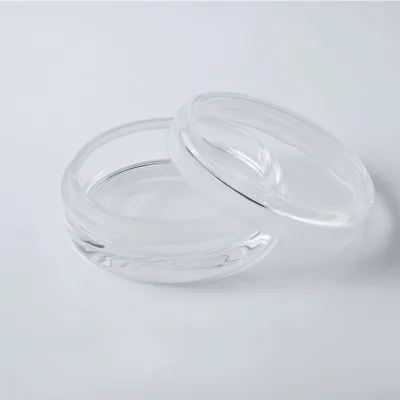
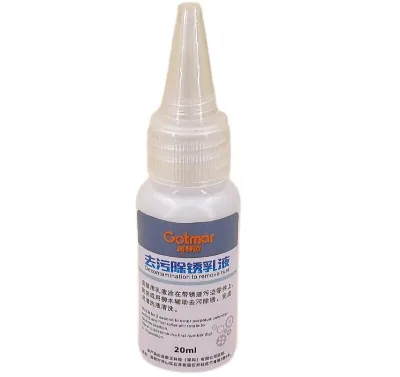


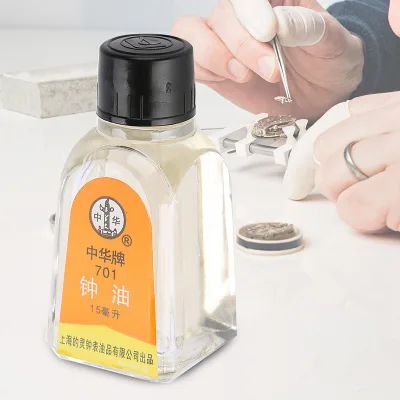

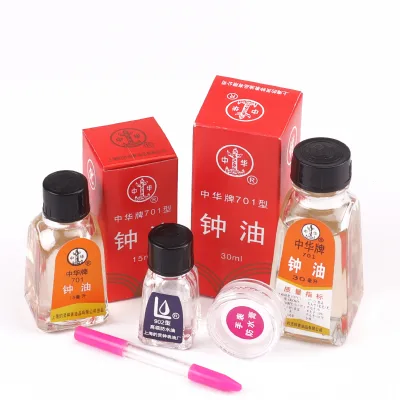
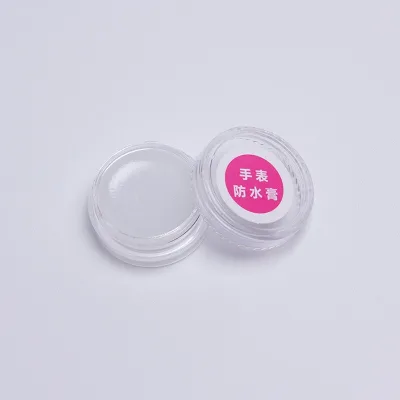
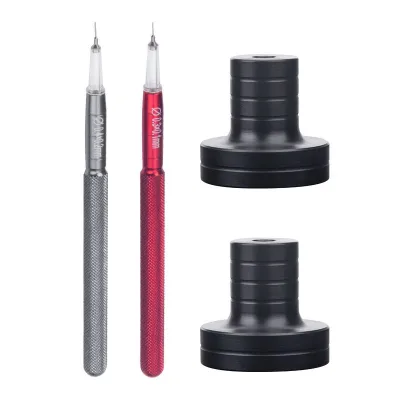


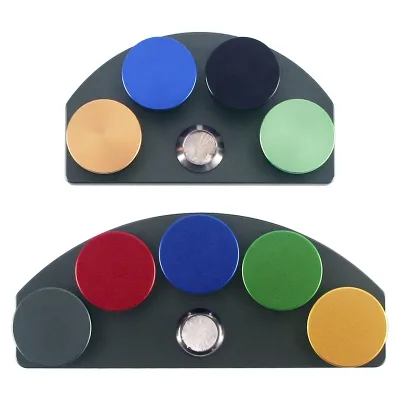
Comprehensive Sourcing Guide
Strategic Sourcing Guide for Watch Maintenance Waterproof Oil
Understanding Product Categories and Technical Specifications
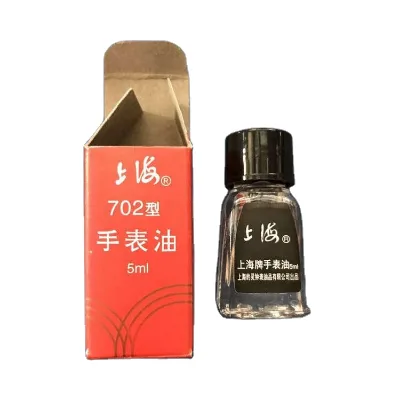
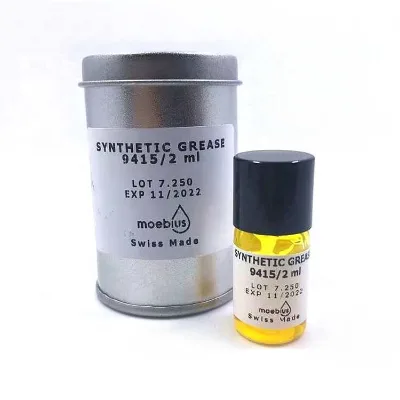
When sourcing products under the core keyword of Watch Maintenance Waterproof Oil, buyers must first distinguish between specialized lubricants and general maintenance fluids. The market presents a diverse array of items, ranging from precision tools to chemical formulations. A critical observation in the current supply landscape is the existence of products explicitly labeled as "Watch Oil" or "Clock Oil," often categorized under tools or specialized liquids. These items are frequently associated with brands such as "chicheng" or "MOEBIUS," indicating a market populated by both specialized tool manufacturers and chemical suppliers.
Technical specifications for these products vary significantly based on their intended application. For instance, some listings describe a "High Quality 5ml Watch Oiler Watch Repair Tools clock Oil," which suggests a focus on the delivery mechanism and volume rather than the chemical composition alone. In contrast, other entries highlight specific chemical attributes, such as "Additives: Viscosity Index Improvers, Anti-Wear Additives, Antioxidants." This indicates that some suppliers offer formulations designed to enhance the longevity and performance of the lubricant under stress. The physical state of the product is another key differentiator; while some are described simply as "liquid," others may be formulated as creams or specialized pastes, though the primary focus for watch maintenance remains on fluid dynamics.
Volume and packaging are equally critical technical parameters. Buyers encounter a wide range of single volumes, from small 5ml units suitable for individual repair tasks to larger containers like "30g" or "100ml" tubes. Packaging details often specify "pp bag+carton box" or "Canned" formats, which directly impact the product's shelf life and suitability for bulk transport. The "Single volume" is sometimes recorded as "0 cm³" in generic listings, a data anomaly that requires verification to ensure the actual liquid capacity matches the buyer's needs. Furthermore, the "Color" of the oil, ranging from "Beige" to "Brown" or "as picture," serves as a visual identifier for the specific formulation, though it does not inherently dictate performance.
Compliance, Certification, and Origin Verification
Navigating the compliance landscape for watch maintenance oils requires a rigorous approach to verifying supplier credentials and product origins. The supply chain for these items is global, with notable concentrations in specific regions. Data indicates products originating from "Henan, China," "Jiangsu, China," and "Switzerland." The geographical origin often correlates with the perceived quality and manufacturing standards; for example, items listed with a "Place of Origin: Switzerland" may carry different market expectations compared to those from Chinese manufacturing hubs.
Certification status is a vital component of the compliance check. While some suppliers explicitly list "ISO" certification under their product attributes, this should not be assumed for all listings. Buyers must verify if the ISO certification applies to the manufacturing facility, the specific product batch, or the company as a whole. In the absence of explicit certification data, the buyer should request documentation to confirm adherence to international quality management systems. Additionally, the "prod_standard" field often lists values like "100ml" or "30g," which appear to be volume-based standards rather than regulatory compliance codes. This discrepancy highlights the need for buyers to clarify whether a listed standard refers to a size specification or a formal industry regulation.
The "prod_packing" and "prod_standard" fields also offer clues about regulatory compliance. For instance, a listing with "prod_standard: Customized by customers" suggests a flexible manufacturing process that may require specific compliance agreements for each order. Conversely, products with fixed standards like "ISO" imply a baseline of adherence to established norms. Buyers should also scrutinize the "Place of Origin" against their own import regulations. Products from "China" or "Switzerland" may face different tariff structures or safety assessments depending on the destination market. Ensuring that the supplier can provide a Certificate of Analysis (CoA) or a Material Safety Data Sheet (MSDS) is essential, especially when the product contains additives like "Anti-Wear Additives" or "Antioxidants."
Cost Drivers and Pricing Structures
The pricing structure for Watch Maintenance Waterproof Oil is influenced by a complex interplay of factors, including volume, customization, and supply chain logistics. The observed price range in the market spans from $0.05 to $160 USD, a variance that reflects the difference between bulk industrial lubricants and specialized, high-precision repair tools. The lower end of the spectrum typically corresponds to generic oils or tools with minimal packaging, while the higher end often includes branded products with specialized formulations or small-batch customizations.
Minimum Order Quantity (MOQ) is a significant cost driver. Listings show an MOQ range from 1 piece to 5000 pieces. For small repair shops or individual technicians, an MOQ of 10 or 100 pieces may be manageable, but for large-scale industrial applications, the cost per unit often decreases as the order volume increases. Some suppliers set a "Customised Starting Quantity" of 3000 pieces, which can be a barrier for smaller buyers seeking custom formulations. Conversely, other suppliers offer an MOQ of just 10 pieces, facilitating entry for new businesses or those testing new products.
Supply ability also impacts cost. Suppliers with a "Supply Ability" of "500 pieces per Month" may charge a premium due to limited capacity, whereas those with higher throughput can offer more competitive pricing. The "Port of dispatch," such as "lianyungang," influences shipping costs and lead times, which are factored into the final landed cost. Additionally, the "Service" offered, such as "OEM/ODM" or "24hours" support, adds value and may be reflected in the price. Buyers must balance the upfront cost of the product with the long-term value of reliable supply, technical support, and customization capabilities.
Typical Applications and Functional Performance
The functional performance of watch maintenance oils is defined by their specific applications within the horology industry. The primary use case is "Lubrication," ensuring the smooth movement of delicate watch components. However, the market also includes products marketed for "Color Restoration" in shoe polish, which, while not directly related to watch maintenance, indicates a broader category of maintenance fluids that buyers must distinguish. For watch-specific applications, the core function is to reduce friction and wear in the movement, often requiring oils with specific viscosity properties.
The "Additives" listed, such as "Viscosity Index Improvers," "Anti-Wear Additives," and "Antioxidants," play a crucial role in performance. Viscosity index improvers help maintain consistent lubrication across temperature fluctuations, which is critical for watches worn in varying environments. Anti-wear additives protect the metal components from degradation, extending the life of the timepiece. Antioxidants prevent the oil from breaking down over time, ensuring long-term stability. These chemical properties are essential for maintaining the precision and accuracy of mechanical watches.
In addition to lubrication, some products are categorized as "Tools" or "Repair Tools," such as the "High Quality 5ml Watch Oiler." These items are designed to facilitate the application of the oil rather than serving as the lubricant itself. The distinction between the oil and the application tool is vital for buyers to ensure they are purchasing the complete solution required for their maintenance needs. The "Application" field often specifies "Dental Areal" or "Dentist Working Partner" for other product types, highlighting the importance of verifying that the product is intended for horological use and not for unrelated medical or industrial applications.
Supplier Evaluation and Service Capabilities
Evaluating suppliers for Watch Maintenance Waterproof Oil requires a holistic assessment of their capabilities, service offerings, and reliability. Key attributes to consider include the "Service" provided, such as "OEM/ODM" capabilities, which allow buyers to customize the product to their specific brand or technical requirements. Suppliers offering "24hours" service indicate a commitment to rapid response and support, which is crucial for businesses facing urgent maintenance needs.
The "Brand Name" is another factor in supplier evaluation. Established brands like "chicheng" or "MOEBIUS" may offer a level of trust and consistency, but new or lesser-known suppliers can also provide high-quality products. Buyers should verify the supplier's "Supply Ability" to ensure they can meet demand fluctuations. A supplier with a "Supply Ability" of "500 pieces per Month" may struggle to fulfill large orders, whereas a supplier with higher capacity can scale with the buyer's growth.
Customer service and after-sales support are equally important. Attributes like "After-Sale Service: Online Technical Support" suggest that the supplier is willing to assist with technical queries and troubleshooting. This is particularly valuable for buyers who may not have extensive expertise in watch maintenance. The "Packaging Details," such as "pp bag+carton box" or "Canned," also reflect the supplier's attention to detail and commitment to product integrity during transit.
Quality Control and Long-Term Procurement Strategies
Implementing a robust quality control strategy is essential for ensuring the reliability of Watch Maintenance Waterproof Oil. Buyers should verify the "Quality" claims, such as "High-Quality Standard," by requesting third-party test results or certifications. The "prod_standard" and "prod_packing" fields provide initial indicators of quality, but direct verification is necessary. For products with specific additives, buyers should ensure that the formulation meets the required specifications for viscosity and chemical stability.
Long-term procurement strategies should focus on building relationships with reliable suppliers who can offer consistent quality and competitive pricing. Buyers should consider the "Customisation" availability, as this can provide a competitive advantage by allowing for branded or specialized products. The "MOQ" and "Customised Starting Quantity" should be evaluated in the context of the buyer's inventory management and cash flow.
Finally, buyers should monitor the "Lead Time" and "Port of dispatch" to ensure timely delivery. A supplier with a "Port of dispatch" like "lianyungang" may have different logistics capabilities compared to others. By maintaining a diverse supplier base and regularly auditing product quality, buyers can mitigate risks and ensure a steady supply of high-performance watch maintenance oils. This proactive approach will help maintain the integrity of the supply chain and support the long-term success of the buyer's operations.
FAQs
What materials are used in Watch Maintenance Waterproof Oil?
The product is formulated as a liquid with specific additives like viscosity index improvers and anti-wear agents. Some listings also mention cream formulations for different applications, but the core watch oil is a liquid designed for lubrication.
Which certifications should I verify for these lubricants?
Some suppliers explicitly list ISO certification for their manufacturing facilities. Buyers must verify if this applies to the specific product batch or the company, as not all listings provide this documentation for every item.
How does the minimum order quantity affect my purchase?
Minimum order quantities range from 10 pieces to 5000 pieces depending on the supplier. Customized orders often start at 3000 pieces, while standard items may allow smaller orders of just 10 to 100 units for testing.
Can I find watch oil manufactured in Switzerland?
Yes, some listings indicate a place of origin in Switzerland, while others are from Henan or Jiangsu in China. The origin influences perceived quality and may affect import regulations or shipping costs to your location.
What packaging options are available for bulk orders?
Packaging details vary from pp bags with carton boxes to canned formats or plastic pails and metal drums. The choice depends on the product type, with some items using paper boxes for smaller retail units.
How is the supply ability defined for these products?
Supply ability is listed as 500 pieces per month for some specialized items, while others may have higher capacity. This limit impacts the ability to fulfill large industrial orders or urgent restocking needs.
What core functions do these oils provide for watches?
The primary function is lubrication to ensure smooth movement of watch components. Some products also feature additives like antioxidants to prevent breakdown and extend the longevity of the timepiece under stress.