Source Water-Cooled V Turbo Diesel Engine for Generators, Construction, and Marine
Find and compare 30 water-cooled v turbo diesel engine options from verified suppliers. Buyers can review specifications like cylinder count, cooling type, and fuel efficiency to select the right unit for generators, construction machinery, or marine applications.
Key considerations
Products List


Factory Sells 4-Cylinder Water-Cooled Diesel Engine with Turbocharging at Low Prices
$1049.00 - $1099.00
MOQ: 1 Pieces


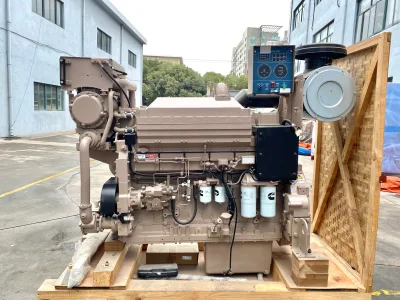


6 Cylinders Water Cooled Diesel Engine for Generator Diesel Generator Engine
$1900.00 - $2800.00
MOQ: 1 Pieces


Comprehensive Sourcing Guide
Strategic Sourcing Guide for Water-Cooled V-Turbo Diesel Engines
Understanding Technical Specifications and Configuration
When sourcing water-cooled V-turbo diesel engines, buyers must first distinguish between the specific configurations available in the current market. The core keyword implies a V-arrangement of cylinders, yet the observed product data reveals a diverse landscape of cylinder arrangements, including L-form and H-form configurations, alongside single-cylinder and six-cylinder variants. A critical observation from the available inventory is the prevalence of six-cylinder engines, specifically noted in models like the 6D10D283A, which utilize a Water-Cooled system and a Compression-Ignition mode. These units are typically Four-Stroke engines with Supercharged intake pressure impulses, indicating a design optimized for higher power density and efficiency under load.
However, buyers must exercise caution when equating "V-engine" with the entire category of diesel engines found in listings. The data shows that many units, such as the ZH4102P and ZH4105D, are Single-Cylinder or Four-Cylinder engines with an L-cylinder arrangement. While these are diesel engines, they do not fit the strict "V" configuration often associated with heavy-duty applications. Furthermore, the data indicates a mix of ignition modes; while most diesel engines rely on Compression-Ignition, some listings for specific models like the ZH4102P note Electric Ignition, which is atypical for standard diesel compression-ignition cycles and requires immediate verification. The calibration speeds also vary significantly, ranging from 1500rpm to 3000rpm, with some units operating at a specific 1500rpm. This variance suggests that the "V-turbo" designation may apply to a subset of the inventory, specifically the high-performance six-cylinder units, while other models serve different power ranges.
The cooling system is a definitive attribute for the target keyword. The provided facts explicitly confirm the presence of Water-Cooled systems in the six-cylinder models. This is distinct from air-cooled variants often found in smaller agricultural machinery. The piston movement is consistently Reciprocating across the observed diesel units. Buyers should verify if the "V" arrangement is present in the specific model they are evaluating, as the data also lists H-form arrangements and single-cylinder setups. The fuel type is universally Diesel across the combustion engine listings, but the intake pressure impulse varies between Supercharged and Naturally Aspirated. For a "turbo" diesel engine, the buyer must specifically look for the Supercharged attribute, as Naturally Aspirated models, such as those found in the ZH4102P series, lack the forced induction required for the core keyword definition.
Compliance, Certification, and Standard Verification
Navigating the compliance landscape for industrial engines requires a rigorous approach to verifying standards and certifications. The supplied product data includes references to "prod_standard" values, but these appear to be numerical codes or dimensional specifications rather than recognized international certification marks like ISO or CE. For instance, one listing cites "1210 KG" as a standard, which likely refers to a weight specification or a specific internal model code rather than a safety certification. Another entry lists "1050590880" and "950750980" as standards, which are clearly dimensional measurements in millimeters, not compliance standards.
Buyers must not assume that the presence of a "standard" field in a product listing equates to regulatory compliance. In the context of water-cooled V-turbo diesel engines, compliance typically involves adherence to emission standards (such as EPA, EU Stage V, or China Non-Road Stage IV) and safety standards for machinery. The data mentions "1210 KG" and "1050590880" as standards, but these do not provide evidence of environmental or safety certification. Therefore, the procurement strategy must include a direct request for emission compliance documentation from the supplier. The absence of explicit certification names in the provided facts means that buyers cannot rely on the listing description alone to confirm regulatory adherence.
Furthermore, the origin of the products is listed as China, with specific locations such as Shandong Weifang and Chongqing. While these are known manufacturing hubs, the origin alone does not guarantee compliance with the buyer's local regulations. The "prod_standard" values provided, such as "1210 KG," should be treated as internal product identifiers or weight limits rather than external regulatory approvals. Buyers should verify if the engine meets the specific emission and safety standards required in their destination market. The data also mentions "1016585880" and "890x410x540" as standards, which are packing dimensions. Relying on these for compliance is incorrect; they describe the logistics of the product, not its regulatory status. A robust compliance check must involve requesting third-party test reports and certification documents that are independent of the supplier's internal product codes.
Cost Drivers and Pricing Dynamics
The pricing structure for water-cooled V-turbo diesel engines is influenced by several factors, including cylinder count, cooling technology, and the complexity of the turbocharging system. The observed price range in the market spans from 10 USD to 43,000 USD, a vast disparity that reflects the diversity of the product catalog. The lower end of this range likely corresponds to smaller, single-cylinder or naturally aspirated units, while the upper end is reserved for high-output, six-cylinder, water-cooled, supercharged engines. The specific model 6D10D283A, which is a six-cylinder, water-cooled, supercharged unit, would logically fall into the higher price bracket due to its complexity and power output.
Weight is a significant cost driver in this category. The data lists weight multiples ranging from 230kg to 410kg, with some units weighing significantly more. Heavier engines generally require more raw materials, such as cast iron and steel, and often indicate a more robust construction capable of handling higher torque and power. The "Weight Multiple" attribute, while somewhat ambiguous in its definition, correlates with the physical mass of the engine, which directly impacts manufacturing costs and shipping expenses. Additionally, the cooling system type plays a role; water-cooled systems require radiators, pumps, and hoses, adding to the bill of materials compared to air-cooled alternatives.
Packaging also influences the final landed cost. The data indicates various packing methods, including Plywood, Wooden Case, and Carton Box. Plywood and wooden cases are typically more expensive and provide better protection for heavy, high-value engines, whereas carton boxes are suitable for smaller, lighter units. The choice of packaging can affect the overall cost, especially for international shipping where dimensional weight and protection requirements are critical. Buyers should consider that the lowest listed price may not include the cost of heavy-duty packaging or the specific configuration of a V-turbo engine, which could be a premium product within the catalog. The wide price range suggests that buyers must carefully match their budget to the specific technical requirements, as a generic "diesel engine" at the low end of the price spectrum will not meet the performance needs of a V-turbo application.
Typical Applications and Operational Context
The operational context of water-cooled V-turbo diesel engines is diverse, ranging from construction machinery to marine applications. The data explicitly links certain engine models to specific use places. For example, the ZH4102P is noted for use in Construction Machinery, while other models are designated for Marine use. The high-performance six-cylinder, water-cooled, supercharged engines are particularly well-suited for heavy-duty construction equipment, where sustained high loads and efficient heat dissipation are critical. The Reciprocating piston movement and Four-Stroke cycle are standard for these applications, providing the necessary torque and reliability.
Marine applications also represent a significant segment, as indicated by the "Use Place: Marine" attribute in the data. Water-cooled engines are essential in marine environments to manage the heat generated by continuous operation and to prevent overheating in confined engine rooms. The Supercharged intake pressure impulse is particularly beneficial in marine settings, where altitude and air density can vary, ensuring consistent power delivery. However, buyers must verify the specific suitability of the engine for marine environments, as the data does not explicitly confirm corrosion resistance or saltwater cooling capabilities for all listed models.
The "Use Place: Other" category suggests that these engines may also be utilized in industrial generators, agricultural machinery, or stationary power units. The variation in calibration speeds, from 1500rpm to 3000rpm, indicates that some engines are designed for generator applications (typically 1500rpm or 1800rpm for 50Hz/60Hz power), while others are optimized for vehicle or machinery propulsion. The Direct Injection method, noted in the data, is a key feature for fuel efficiency and power output, making these engines ideal for applications where fuel economy and performance are paramount. Buyers should align the engine's speed and injection system with their specific application requirements to ensure optimal performance and longevity.
Supplier Evaluation and Quality Assurance
Evaluating suppliers for water-cooled V-turbo diesel engines requires a focus on their manufacturing capabilities, quality control processes, and track record. The data identifies specific origins, such as Shandong Weifang and Chongqing, which are established industrial regions in China. However, the presence of a location does not guarantee quality; buyers must verify the supplier's production capacity and quality management systems. The "Customization: Available" attribute suggests that suppliers may offer tailored solutions, which is a positive indicator of flexibility and technical capability.
Quality control should be a primary concern, especially given the wide range of observed specifications. The data shows inconsistencies in attributes like ignition mode and cylinder arrangement, which underscores the need for rigorous verification. Buyers should request detailed technical drawings, material certifications, and quality assurance reports before placing an order. The "prod_standard" values listed in the data, such as "1210 KG" or "1050590880," should be treated as internal references rather than quality benchmarks. Instead, buyers should insist on third-party inspection reports and compliance with international standards like ISO 9001.
The packaging methods, including Plywood and Wooden Case, indicate a level of care in handling heavy machinery, but buyers should also verify the supplier's ability to protect the engine during transit. The "Weight Multiple" and dimensions provided can help in planning logistics, but the supplier's reputation for delivering products in pristine condition is equally important. Buyers should conduct factory audits or request video tours to assess the manufacturing process, ensuring that the water-cooling systems and turbochargers are assembled with precision. The "Speed" attribute, listed as a general term, requires clarification; buyers should confirm the specific RPM range and load characteristics to ensure the engine meets their operational needs.
Long-Term Procurement and Maintenance Considerations
Long-term procurement strategies for water-cooled V-turbo diesel engines must account for maintenance, spare parts availability, and lifecycle costs. The "Customization: Available" attribute is a valuable asset, allowing buyers to tailor the engine to their specific operational requirements, which can extend the service life and improve efficiency. However, customization also introduces complexity in terms of spare parts management. Buyers should ensure that the supplier can provide a comprehensive list of spare parts and that these parts are readily available.
The "Fuel: Diesel" specification is consistent across the observed models, but the efficiency and emission characteristics of the fuel system can vary. The "Direct Injection" method noted in the data is generally more efficient than indirect injection, but it requires high-quality fuel and precise maintenance. Buyers should plan for regular maintenance schedules, including coolant system checks, filter replacements, and turbocharger inspections. The "Water-Cooled" system requires attention to prevent corrosion and scaling, which can degrade performance over time.
Lead times and minimum order quantities (MOQ) are also critical factors. The observed MOQ range of 1-10 units suggests flexibility for both small and large buyers. However, the actual lead time is not specified in the data, so buyers must confirm this with the supplier. The "prod_packing" methods, such as Plywood and Wooden Case, may impact the time required for customs clearance and delivery. Buyers should factor in these logistics when planning their procurement timeline. Finally, the "Use Place" attribute indicates that the engine's application will dictate its wear and tear; marine and construction applications typically involve harsher conditions, requiring more frequent maintenance and potentially higher long-term costs. Buyers should evaluate the total cost of ownership, including maintenance, fuel, and downtime, to make an informed decision.
FAQs
What cooling system do the six-cylinder diesel engines use?
The six-cylinder diesel engines utilize a water-cooled system. This configuration is standard for models like the 6D10D283A to ensure efficient heat dissipation during high-load operations in construction machinery.
Which cylinder arrangements are available for these diesel engines?
Available cylinder arrangements include L-form, H-form, and single-cylinder configurations. While some high-performance units feature six cylinders, others are designed as single or four-cylinder engines depending on the specific model requirements.
Can buyers request customization for these combustion engines?
Yes, customization is available for these combustion engines. Buyers can request tailored specifications to meet specific operational needs, provided they coordinate directly with the manufacturers in China to define the exact requirements.
How do the intake pressure impulses differ among the models?
Intake pressure impulses vary between supercharged and naturally aspirated options. Supercharged models offer higher power density, while naturally aspirated variants are typically found in single-cylinder units like the ZH4102P series.
What is the typical weight range for these diesel engines?
The weight multiples range from 230kg to 410kg for the observed units. Heavier engines generally indicate robust construction suitable for marine or construction applications, while lighter units serve different power ranges.
Where are these engines manufactured and what are the origins?
These engines originate from China, with specific manufacturing hubs in Shandong Weifang and Chongqing. Buyers should verify the specific factory location to ensure alignment with their logistical and compliance requirements.