Source Water Cooled Turbocharger Rotor for Marine, Auto, Industrial
Compare 30 listings for Water Cooled Turbocharger Rotor components from verified Chinese manufacturers. Review specifications including rotor dimensions, cooling methods, and material types to find suitable parts for marine engines, automotive applications, and industrial machinery.
Key considerations
Products List
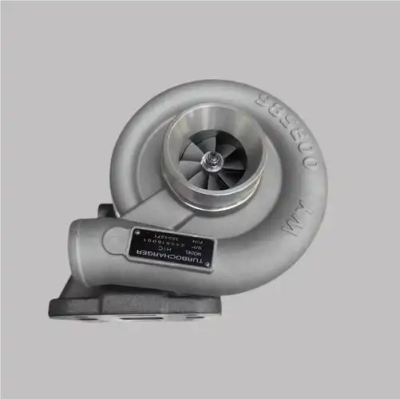


Comprehensive Sourcing Guide
Strategic Sourcing Guide for Water Cooled Turbocharger Rotors
Procuring a water-cooled turbocharger rotor requires a disciplined approach that balances precise technical specifications with rigorous supplier verification. The core component, the rotor, operates at extreme rotational speeds and temperatures, making the cooling mechanism and material integrity non-negotiable factors in the selection process. This guide outlines the essential criteria for sourcing these components, drawing on observed market data and industry standards to ensure procurement decisions are grounded in verified facts rather than assumptions.
Technical Specifications and Configuration
The technical profile of a water-cooled turbocharger rotor is defined by its interaction with the engine's cooling system and its mechanical design. Based on observed product attributes, the rotor dimensions are critical; specific listings indicate a size of 12x35cm, which serves as a reference point for compatibility checks. The cooling mechanism is explicitly identified as water-cooled, a feature essential for managing the thermal load generated during high-speed operation. This distinguishes the component from air-cooled variants and necessitates a compatible engine block or manifold design that can accommodate fluid channels.
The rotor's physical construction often involves specific materials to withstand centrifugal forces and thermal stress. While some listings reference steel body materials, others highlight specialized alloys like K18, suggesting that material selection varies by application and performance tier. The installation method is typically fixed, requiring precise alignment during assembly. Furthermore, the type of turbocharger system is often categorized as mechanical, with airflow characteristics described as axialflow. These attributes collectively define the operational envelope of the component. Buyers must verify that the rotor's speed, whether low or high, aligns with the engine's intended performance profile. The piston movement is reciprocating in the associated engine systems, and the cylinder arrangement often follows an L-form in specific marine or industrial configurations.
Compliance and Certification Verification
Navigating the certification landscape is a primary step in mitigating procurement risk. The market data reveals a diverse array of standards and certifications associated with these components. ISO 9001 is a frequently observed standard, often cited alongside machining and manufacturing process certifications. This indicates a baseline requirement for quality management systems in the supply chain. Additionally, specific product listings reference CE and ISO standards, which are crucial for market access in many regions.
Certification details often extend to specific component testing. For instance, some records mention TSETS components related to turbines, suggesting that third-party testing or specific turbine standards may apply. Other entries list SGS certification, which serves as an independent verification of quality and safety. It is imperative for buyers to request current, valid certificates for every batch of rotors purchased. The presence of a "standard" label in some listings is insufficient; buyers must demand explicit documentation of the specific standard number (e.g., ISO 9001:2015) rather than generic claims. The warranty period, often observed as 12 months or 1 year, is also a contractual metric that reflects the supplier's confidence in the product's durability and compliance with these standards.
Cost Drivers and Pricing Dynamics
Understanding the cost structure of water-cooled turbocharger rotors involves analyzing the variables that influence the final price. The observed price range in the market is exceptionally broad, spanning from $0.95 to $10,000. This vast disparity is not indicative of a single product type but rather reflects the spectrum of applications, from small automotive accessories to heavy-duty marine diesel engines. The cost is driven by material composition, such as the use of steel versus specialized alloys like K18, and the complexity of the casting method, which may involve directional crystallization.
Minimum Order Quantity (MOQ) is another significant cost driver. The observed MOQ range extends from 1 to 10,000 units. Buyers purchasing single items or small batches will face a higher unit cost compared to those placing large industrial orders. Customization availability is a key factor; products listed as "Customization: Available" often command a premium due to the engineering effort required to tailor the rotor to specific engine geometries. The packaging method, ranging from simple carton boxes to wooden cases, also impacts logistics costs. Buyers should negotiate based on volume tiers and clarify whether the quoted price includes the specific packaging required for the destination, such as the "Tanboress or Neautral Packing" observed in some listings.
Typical Applications and Industry Use Cases
The application of water-cooled turbocharger rotors is diverse, spanning multiple industries. Observed product attributes link these components to electronic accessories, automotive parts, and marine diesel engines. The specific mention of "Genuine Water Cooling Marine Diesel Engine" highlights a critical use case where reliability is paramount. In marine environments, the cooling system is often integrated with the vessel's main water supply, requiring robust seals and corrosion-resistant materials.
The automotive sector is another major application area. Listings referencing "Silicone Rubber" hoses and "Volkswagen" applications suggest that these rotors are integral to the intake and exhaust systems of passenger and commercial vehicles. The use of silicone rubber for associated hoses indicates a need for flexibility and heat resistance. Furthermore, the "Land Use, Marine" condition of use confirms that these components are designed for dual-environment durability. Whether for a four-stroke diesel engine with a naturally aspirated intake or a complex multi-cylinder setup, the rotor must be compatible with the specific fuel type and ignition mode, typically compression-ignition in diesel applications.
Supplier Evaluation and Capability Assessment
Evaluating a supplier requires a deep dive into their manufacturing capabilities and geographic footprint. The primary place of origin for these components is China, with specific mentions of Hebei as a production hub. This geographic concentration suggests a mature supply chain but also necessitates due diligence regarding the specific factory's capacity. Suppliers should demonstrate a clear capability in machining and casting, as evidenced by certifications like "Machining:M/C Machining."
The production process is another critical evaluation point. The use of resin sand cores and clay dry sand methods indicates specific casting techniques that affect the final grain structure and strength of the rotor. Buyers should inquire about the supplier's control over these processes. The "Capability: Water Rubber Hose" attribute suggests that some suppliers may offer integrated solutions or have expertise in related fluid dynamics components. When assessing suppliers, verify their ability to handle customization requests and their track record with international standards. A supplier offering "According to Your Requirements and Order" packing demonstrates flexibility, which is valuable for complex logistics.
Quality Control and Inspection Protocols
Quality control is the final gatekeeper before a rotor enters the production line. The observed surface roughness of Ra3 provides a quantitative benchmark for the finish quality of the component. Buyers must ensure that the supplier can consistently meet or exceed this specification, as surface finish directly impacts aerodynamic efficiency and wear resistance. The casting method, specifically directional crystallization, is a high-level process that requires strict quality monitoring to prevent internal defects.
Inspection protocols should include verification of the rotor's balance, as any imbalance at high speeds can lead to catastrophic failure. The "Four-Stroke" and "Low Speed" attributes suggest that the rotor is designed for specific operational cycles, and quality checks must validate performance under these conditions. The warranty of 12 months serves as a post-purchase quality assurance metric; however, pre-shipment testing is essential. Buyers should request test reports that confirm the rotor meets the specified standards, such as ISO 9001, and verify that the material composition matches the claimed specifications (e.g., Steel or K18).
Long-Term Procurement Considerations
Sourcing water-cooled turbocharger rotors is a long-term commitment that extends beyond the initial purchase. The availability of spare parts and the consistency of the supply chain are vital for maintaining operational uptime. The "12 Months" warranty period sets a baseline for support, but buyers should negotiate extended service agreements for critical applications. The "Customization: Available" attribute implies that the supply chain should be agile enough to adapt to future engine modifications or design changes.
Sustainability and lifecycle management are also emerging considerations. The use of specific materials and the efficiency of the cooling system contribute to the overall environmental footprint of the engine. Buyers should evaluate the supplier's environmental compliance and their ability to provide recyclable packaging options, moving beyond the standard "Carton Box with Wooden Case" to more sustainable alternatives where feasible. Finally, the integration of the rotor into the broader system, including the "Electric Motor" type or "Diesel Engine" type, requires a holistic view of the procurement strategy to ensure seamless compatibility and performance over the product's lifespan.
FAQs
What is the warranty period for water cooled turbocharger rotors?
The warranty period is typically 12 months or 1 year for these components. This coverage applies to genuine water cooling marine diesel engines and associated parts, ensuring reliability during the specified term.
Which certifications are standard for Water Cooled Turbocharger Rotor manufacturers?
ISO 9001 is the most frequently observed certification for these manufacturers. Additional standards like CE, SGS, and specific machining certifications often accompany the product to verify quality management systems and component safety.
Can I request customization for Water Cooled Turbocharger Rotor specifications?
Yes, customization is available for water cooled turbocharger rotors to meet specific engine geometries. Buyers can request tailored dimensions and packaging, such as wooden cases or neutral packing, based on their order requirements.
What material is used for the body of water cooled turbocharger rotors?
The body material is typically steel, though specialized alloys like K18 are also used. These materials are selected to withstand the high centrifugal forces and thermal stress generated during high-speed operation.
How is the cooling mechanism configured for water cooled turbocharger rotors?
The cooling mechanism is explicitly water-cooled to manage the thermal load effectively. This design distinguishes the component from air-cooled variants and requires a compatible engine block with fluid channels for proper function.
What is the minimum order quantity for water cooled turbocharger rotors?
The minimum order quantity ranges from 1 to 10,000 units depending on the supplier. Buyers purchasing single items face higher unit costs compared to those placing large industrial orders with customized requirements.
Where are water cooled turbocharger rotors typically manufactured?
These components are primarily manufactured in China, with Hebei identified as a specific production hub. This geographic concentration suggests a mature supply chain with established capabilities in machining and casting processes.