Source Waterproof Camouflage Foundation Palette for Events
Find 30 waterproof camouflage foundation palette options for professional makeup artists, theatrical productions, and special effects applications. Compare dry powder, liquid, and cream forms with customizable packaging and global shipping terms to meet diverse client needs.
Key considerations
Products List


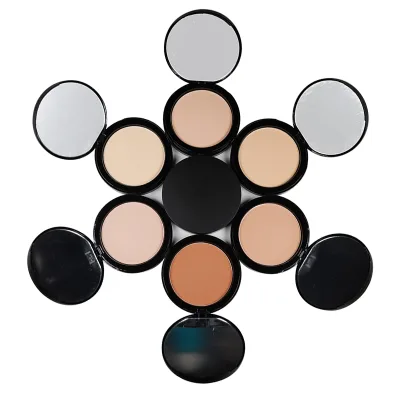

Make up Eye Shadow Makeup Professional Waterproof Eyeshadow Plastic Palette
$0.18 - $2.35
MOQ: 10000 Pieces


Comprehensive Sourcing Guide
Water Proof Camouflage Foundation Palette Sourcing Guide
Sourcing water-proof camouflage foundation palettes requires a nuanced understanding of both cosmetic formulation and supply chain logistics. These products are designed for high-coverage, long-wear applications, often used in professional makeup, theatrical settings, or for consumers seeking durable facial coverage. The term "camouflage" typically implies a higher pigment load and opacity compared to standard foundations, while "water-proof" indicates resistance to moisture, sweat, and humidity. Buyers must navigate a market where product forms vary significantly, ranging from dry powders to liquid and cream formulations, each requiring distinct handling and storage protocols.
The procurement landscape for these items is characterized by a wide range of customization options and varying minimum order quantities (MOQs). Suppliers often offer OEM/ODM services, allowing brands to tailor packaging, color palettes, and specific functional attributes such as waterproofing or sun protection. However, this flexibility comes with the need for rigorous verification of production capabilities and quality control measures. Buyers should approach sourcing with a clear definition of their technical requirements, ensuring that the supplier’s capabilities align with the specific performance claims and regulatory standards required for their target markets.
Product Scope and Observed Listing Signals
The observed product scope for water-proof camouflage foundations includes a variety of forms, primarily dry powders, liquids, and creams. Listings indicate that dry powder eyeshadows and highlighters are common, with specific models like TK-ES25008 representing powder-based products. However, for foundation applications, liquid and cream forms are equally prevalent, with models such as F8521, F8541, and T1 appearing in supplier catalogs. The main ingredients often cited include mineral, chemical, and herbal components, suggesting a diverse range of formulation bases. Buyers must carefully distinguish between eye makeup products and facial foundations, as the technical specifications for coverage and skin compatibility differ significantly between these categories.
Color options are typically multi-colored, with some listings specifying eight distinct color choices to allow for custom blending and shade matching. This is particularly relevant for camouflage products, where precise color correction is essential. The standard weight or volume varies, with powder products often standardized at 3.5g and liquid or cream products available in 30ml, 50ml, or 100ml containers, or fully customized sizes. Packaging is generally described as carton or paper carton packing, with dimensions such as 483636cm noted for bulk shipping. These signals suggest that suppliers are equipped to handle both small-scale custom orders and large-volume standard shipments, but buyers must verify the exact packaging requirements for their specific product type to avoid logistical mismatches.
Technical Specifications to Verify
When evaluating technical specifications, the form of the product is a critical decision point. Dry powder foundations offer ease of application and longer shelf life but may lack the seamless blendability of liquid or cream formulas. Liquid and cream foundations, often associated with models like F8528 or F8544, provide higher coverage and a more natural finish but require careful assessment of their stability and separation risks during transport. Buyers should verify the specific viscosity, drying time, and texture of liquid and cream products, as these attributes directly impact user experience and product performance. Additionally, the presence of additional functions such as sunscreen or waterproofing should be confirmed through technical data sheets rather than marketing claims.
Customization is a key feature in this category, with suppliers offering tailored solutions for packaging, logo placement, and product standards. The standard product weight or volume can be customized, allowing brands to align with their branding and pricing strategies. However, customization often impacts lead times and MOQs. Buyers must clarify whether the customization applies to the formula, the packaging, or both, and understand the associated costs and timeframes. For instance, while some listings indicate a production time of 7-30 days, customized orders may require additional time for formula development and packaging approval. It is essential to establish clear specifications for color accuracy, ingredient lists, and functional performance before placing an order.
Compliance and Safety Documentation
Compliance and safety are paramount when sourcing cosmetic products, particularly those intended for facial application. The observed certifications include GMPC, ISO, MSDS, FDA, and GMP, which are critical indicators of a supplier’s adherence to quality and safety standards. GMPC (Good Manufacturing Practice for Cosmetics) and ISO certifications suggest that the supplier follows established manufacturing protocols, while MSDS (Material Safety Data Sheet) provides essential information on the chemical composition and handling of the product. FDA registration or compliance is often required for products sold in the United States, ensuring that the product meets specific regulatory requirements for safety and labeling.
Buyers must verify the specific scope of these certifications, as they may apply to different product lines or manufacturing facilities. For example, a supplier might have GMPC certification for their powder products but not for their liquid formulations. It is crucial to request copies of these certificates and confirm their validity and relevance to the specific products being sourced. Additionally, buyers should ensure that the supplier provides complete ingredient lists and safety data sheets for all components, including preservatives and pigments. This documentation is essential for regulatory compliance in the buyer’s target market and for addressing any potential consumer safety concerns.
Cost Drivers and Commercial Terms
The cost of water-proof camouflage foundation palettes is influenced by several factors, including the product form, customization level, and order volume. The observed price range of $0.18 to $3.50 USD reflects the diversity of products available, from basic powder formulations to more complex liquid or cream products with custom packaging. MOQs range from 50 to 12,000 pieces, allowing for flexibility in order sizes but also impacting unit costs. Higher MOQs typically result in lower unit prices, but buyers must balance this with their inventory management capabilities and cash flow constraints.
Commercial terms such as EXW, FOB, CIF, CFR, DAP, and DDP offer various levels of responsibility and cost allocation between the buyer and supplier. EXW (Ex Works) places the maximum responsibility on the buyer for logistics and insurance, while DDP (Delivered Duty Paid) includes delivery to the buyer’s doorstep, including duties and taxes. Buyers should carefully evaluate these terms based on their logistics capabilities and risk tolerance. Additionally, sample times and lead times are important considerations, with samples often available within one week and production lead times ranging from 20 to 30 days. Understanding these timelines is crucial for planning inventory and meeting market demand.
Supplier Qualification and Quality Control
Supplier qualification involves assessing the manufacturer’s production capabilities, quality control systems, and track record. Buyers should verify the supplier’s production capacity and ability to meet specific technical requirements, such as waterproofing or high coverage. This can be done by requesting product samples and conducting independent testing to verify performance claims. It is also important to assess the supplier’s quality control processes, including raw material inspection, in-process monitoring, and final product testing. Suppliers with robust quality control systems are more likely to deliver consistent product quality and minimize the risk of defects.
Communication and responsiveness are also key indicators of supplier reliability. Buyers should evaluate the supplier’s ability to provide timely updates, address concerns, and resolve issues. Clear communication channels and a proactive approach to problem-solving are essential for a successful sourcing relationship. Additionally, buyers should consider the supplier’s experience in exporting to their target market, as this can indicate familiarity with local regulatory requirements and cultural preferences. Building a strong relationship with a qualified supplier can lead to better pricing, improved product quality, and more reliable delivery times.
Long-Term Procurement Checks
Long-term procurement success depends on continuous monitoring of supplier performance and market trends. Buyers should establish key performance indicators (KPIs) to track supplier reliability, product quality, and delivery times. Regular audits and reviews can help identify potential issues early and ensure that the supplier continues to meet the buyer’s standards. Additionally, buyers should stay informed about changes in regulatory requirements and market demands, adjusting their sourcing strategies accordingly. This proactive approach can help mitigate risks and ensure that the buyer remains competitive in the market.
Sustainability and ethical sourcing are increasingly important considerations in the cosmetics industry. Buyers should assess the supplier’s commitment to sustainable practices, such as the use of eco-friendly packaging and responsible ingredient sourcing. This can enhance the brand’s reputation and appeal to environmentally conscious consumers. Furthermore, buyers should consider diversifying their supplier base to reduce dependency on a single source and mitigate supply chain risks. By maintaining a flexible and resilient sourcing strategy, buyers can ensure long-term success and adaptability in a dynamic market environment.
FAQs
What certifications do the products hold?
The products hold GMPC, ISO, MSDS, FDA, and GMP certifications. These standards ensure safety and quality for international buyers seeking compliant cosmetics.
Can I customize the product specifications?
Yes, customization is available for specifications and packaging. Buyers can request specific weights like 3.5g or 58g, and choose from various color options.
What is the minimum order quantity required?
The minimum order quantity ranges from 50 to 12000 pieces depending on the specific item. Buyers should verify the exact MOQ for their selected model.
How long does production take to complete?
Production time typically takes between 7 to 30 days. Sample requests can be fulfilled within one week, while bulk orders follow the standard lead time.
Which shipping methods are available for delivery?
Available shipping methods include air freight, sea freight, and express delivery. Buyers can select the most suitable option based on their urgency and budget.
What forms of makeup are offered in this range?
The range includes powder, liquid, and cream forms. These options cater to different application needs such as waterproof eye makeup or face makeup.