Source Waterproof Cosmetic Bottle Labels for Packaging
Compare 30 listings for waterproof cosmetic bottle labels from verified suppliers. Buyers can evaluate materials like vinyl and coated paper, printing methods, and customization options for beverage and cosmetic applications; compare the available evidence and request quotations based on your requirements.
Key considerations
Products List
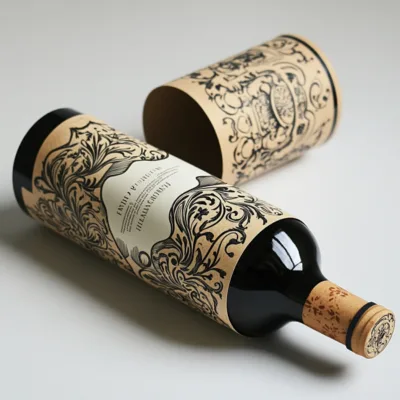
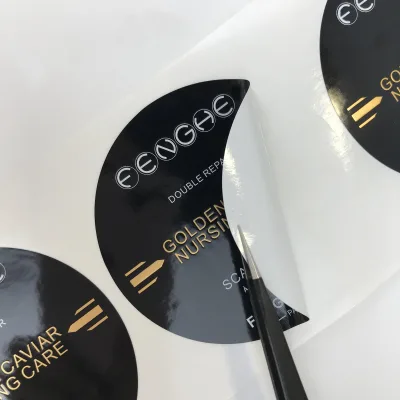
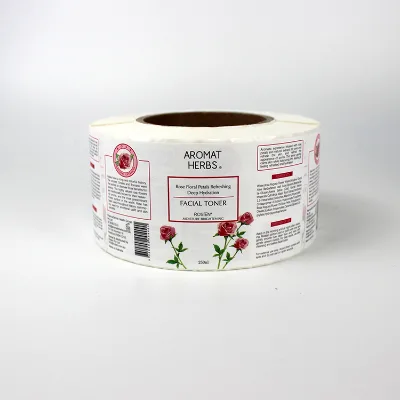
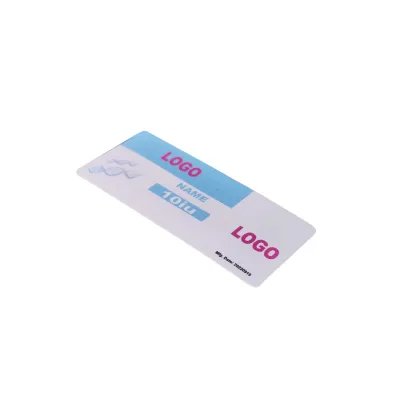


Custom Adhesive Labels for Plastic Bottles High Quality Water Bottle Label
$0.02 - $0.05
MOQ: 3000 Pieces

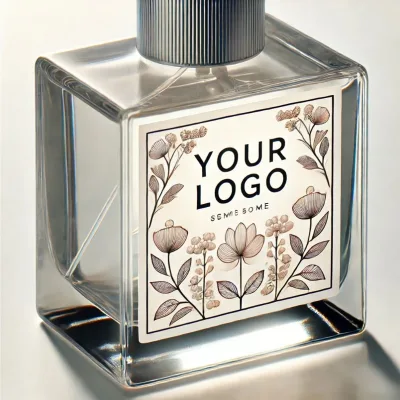


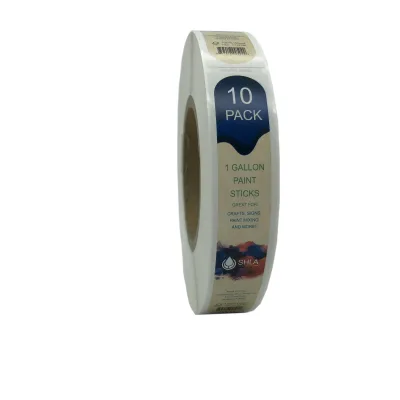
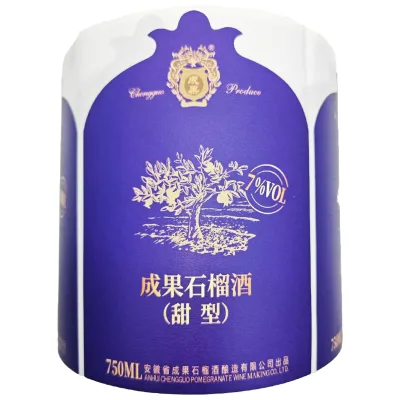


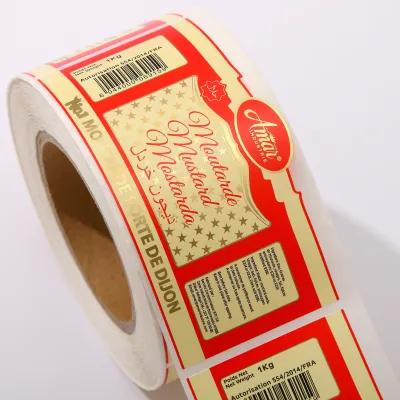

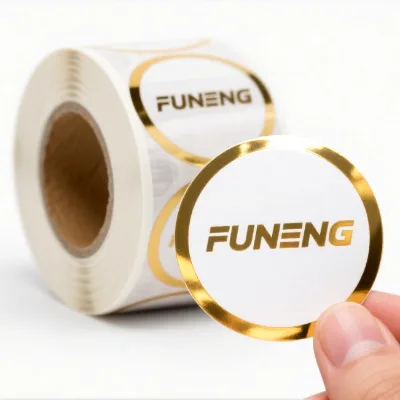
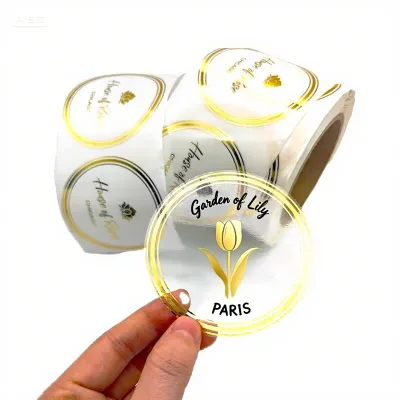
Comprehensive Sourcing Guide
Water Proof Cosmetic Bottle Labels Sourcing Guide
Sourcing water-proof cosmetic bottle labels requires a strategic balance between material durability and aesthetic precision. Buyers must prioritize labels that withstand moisture, oils, and frequent handling without delaminating or fading. The core challenge lies in selecting substrates that adhere reliably to curved or irregular bottle surfaces while maintaining brand integrity under harsh conditions. This guide outlines the essential verification steps for procurement teams seeking high-performance adhesive solutions.
Effective sourcing begins with understanding the specific environmental stresses your product will face. Whether for shower gels, essential oils, or premium skincare, the label must resist water, heat, and chemical exposure. Procurement specialists should focus on suppliers who offer customizable finishes and robust adhesive technologies. By aligning material choices with end-use scenarios, buyers can minimize returns and enhance shelf appeal, ensuring the packaging performs as well as the product itself.
Product Scope and Observed Listing Signals
The market for cosmetic labels features a wide array of materials, including coated paper, vinyl, and PVC, each offering distinct advantages for different applications. Vinyl and PVC options are particularly prevalent for water-proof requirements due to their inherent resistance to moisture and tearing. Buyers often encounter listings that highlight features such as heat resistance, oil proofing, and strong stickiness, which are critical for bottles that may be stored in humid environments or handled frequently by consumers.
Observed listing signals indicate a strong emphasis on customization, with many suppliers accepting custom orders for size, shape, and printing methods. Common shapes include round, oval, rectangular, and irregular die-cut forms, allowing for unique brand differentiation. The presence of features like holographic effects, anti-counterfeit measures, and barcode compatibility suggests that modern cosmetic labels serve not only aesthetic purposes but also supply chain security and inventory management functions.
Technical Specifications to Verify
Verifying technical specifications is paramount to ensuring label performance. Buyers should confirm the core diameter of the label rolls, which typically ranges from 1 inch to 3 inches, to ensure compatibility with existing labeling machinery. The adhesive type must be evaluated for its ability to bond with various bottle materials, such as glass, PET, or HDPE, without leaving residue or lifting at the edges. Additionally, the surface finishing options, including glossy UV varnish or silver stamping, should be tested for durability against abrasion and chemical exposure.
Printing quality and color consistency are also critical technical factors. Suppliers often offer CMYK and Pantone offset printing, laser printing, and digital printing options. Buyers must verify that the chosen printing method can achieve the desired color fidelity and resolution, especially for intricate logos or fine text. The label’s resistance to ultraviolet light and heat should be confirmed to prevent fading or discoloration during storage or transportation, ensuring the product maintains its visual appeal throughout its lifecycle.
Compliance and Safety Documentation
Compliance with safety and environmental standards is non-negotiable for cosmetic packaging. Buyers must ensure that label materials and adhesives are free from harmful substances that could migrate into the product or pose risks to consumers. Documentation should verify that the materials are eco-friendly and recyclable where applicable, aligning with growing consumer demand for sustainable packaging solutions. Suppliers should provide clear information on the composition of the label to facilitate proper disposal and recycling processes.
Additionally, labels intended for food or beverage adjacent products may require specific certifications to ensure they do not contaminate the contents. Buyers should request material safety data sheets (MSDS) and compliance certificates from suppliers to verify adherence to relevant regulations. It is also important to check for anti-counterfeit features that comply with industry standards for brand protection, ensuring that the labels can effectively deter fraud while meeting all legal requirements for labeling and disclosure.
Cost Drivers and Commercial Terms
Several factors influence the cost of water-proof cosmetic labels, including material selection, printing complexity, and order volume. Vinyl and PVC materials generally command higher prices than coated paper due to their superior durability and water resistance. Complex printing techniques, such as holographic effects or multi-layer die-cutting, also increase production costs. Buyers should negotiate based on the total cost of ownership, considering not just the unit price but also the potential savings from reduced waste and improved labeling efficiency.
Commercial terms, such as minimum order quantities (MOQ) and lead times, vary significantly among suppliers. Some suppliers offer low MOQs to accommodate small batch runs, while others require larger volumes for cost-effective production. Buyers should clarify payment terms, shipping responsibilities, and return policies to avoid unexpected expenses. Understanding these commercial dynamics allows procurement teams to optimize their purchasing strategy, balancing cost efficiency with the need for flexibility and rapid turnaround times.
Supplier Qualification and Quality Control
Qualifying suppliers involves a thorough assessment of their manufacturing capabilities and quality control processes. Buyers should verify that suppliers have experience in producing labels for the cosmetic industry, as this sector has stringent requirements for aesthetics and durability. Requesting samples and conducting physical tests, such as adhesion strength and water resistance, is essential to validate the supplier’s claims. Additionally, suppliers should have robust quality assurance protocols in place to ensure consistent product quality across large production runs.
Communication and responsiveness are also key indicators of supplier reliability. Buyers should evaluate how quickly suppliers respond to inquiries and their willingness to accommodate custom requests. Establishing a clear channel for feedback and issue resolution is crucial for maintaining a productive partnership. Regular audits and performance reviews can help identify potential issues early, ensuring that the supplier continues to meet the buyer’s expectations for quality, delivery, and service throughout the engagement.
Long-Term Procurement Checks
Long-term procurement success depends on continuous monitoring and adaptation to market changes. Buyers should regularly review supplier performance metrics, including on-time delivery rates, defect rates, and customer satisfaction scores. This data-driven approach helps identify trends and areas for improvement, allowing for proactive management of the supply chain. Additionally, staying informed about emerging materials and technologies can provide competitive advantages, such as adopting new eco-friendly substrates or advanced printing techniques that enhance label functionality.
Building a resilient supply chain also involves diversifying suppliers to mitigate risks associated with single-source dependencies. Buyers should cultivate relationships with multiple qualified suppliers to ensure continuity of supply in case of disruptions. Regularly updating specifications and requirements based on feedback from marketing and sales teams ensures that the labels remain aligned with brand strategy and consumer preferences. By maintaining a strategic focus on quality, cost, and innovation, buyers can secure a reliable supply of high-performance cosmetic labels.
FAQs
What materials are available for custom adhesive labels?
Coated paper and vinyl are the primary materials used for these custom adhesive labels. Coated paper offers an eco-friendly option suitable for general packaging, while vinyl provides superior durability and water resistance. Buyers can select the material that best fits their specific application needs and environmental goals.
Can I order custom shapes for these stickers?
Yes, custom order services accept various shapes including round, oval, rectangular, heart, and irregular forms. Die-cutting printing allows for precise custom shapes to match brand identities. This flexibility ensures that the final product aligns perfectly with specific design requirements and packaging aesthetics.
What printing methods are supported for these labels?
Multiple printing methods are supported, including offset printing, digital printing, and laser printing. CMYK and Pantone color matching ensures accurate brand colors. Additional finishing options like UV varnishing and gold stamping are available to enhance the visual appeal and durability of the final printed labels.
Are these labels suitable for beverage packaging?
Yes, these labels are designed for industrial use in beverage packaging. They feature strong stickiness and waterproof properties to withstand condensation and moisture. The durable construction ensures that branding remains intact and legible throughout the product's lifecycle, making them ideal for bottled drinks and containers.
What is the minimum order quantity for production?
The minimum order quantity varies, with some listings accepting orders as low as one piece. Other standard batches may require a minimum of one hundred pieces. This range allows both small-scale testing and large-volume production runs to be accommodated by the manufacturing suppliers effectively.
Where are these custom labels manufactured?
These custom labels are manufactured in China, with origins reported in Shanghai, Guangdong, and Fujian provinces. This geographic concentration provides access to established supply chains and printing infrastructure. Buyers can source directly from these regions to benefit from competitive pricing and efficient logistics for global distribution.