Source Waterproof Rectangular Postage Stamps for Events, Crafts, and Office
Compare 30 options for waterproof rectangular postage stamps suitable for events, crafts, and office use. These customizable stamps feature various materials like plastic and rubber, with sizes ranging from 38mm to 82mm and MOQs starting at 200 pieces.
Key considerations
Products List


$1.60 - $2.00
MOQ: 5000 Pieces


Custom Text 26*26mm Large Return Address Stamp Self-Inking Rubber Stamp
$0.61 - $0.65
MOQ: 3000 pieces






Comprehensive Sourcing Guide
Strategic Sourcing Guide for Custom Rectangular Stamping Solutions
The global market for custom office and craft supplies has seen a significant shift toward personalized branding tools, with rectangular stamps emerging as a versatile category for both administrative efficiency and creative projects. While the core keyword often references "waterproof rectangular postage stamps," the actual product landscape for this specific item type is complex. Buyers must distinguish between genuine postage stamps, which are government-issued and strictly regulated, and the broader category of custom rectangular stamps used for office, event, and craft applications. The available supply chain data indicates a robust market for custom rubber and plastic stamps designed for office supplies, school events, and gift-giving, rather than official postal currency. This guide provides a disciplined approach to sourcing these custom stamping solutions, focusing on technical specifications, material integrity, and supplier verification to ensure procurement success.
Technical Specifications and Material Composition
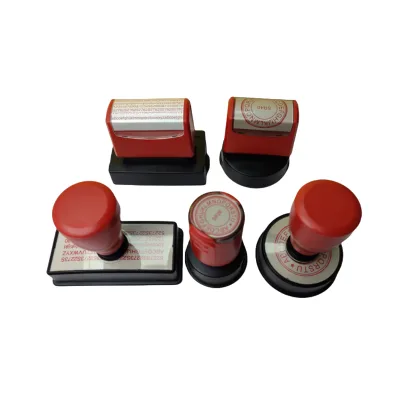
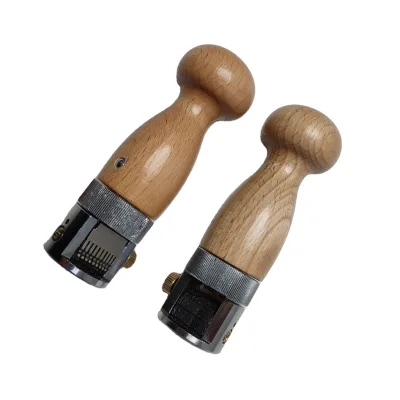
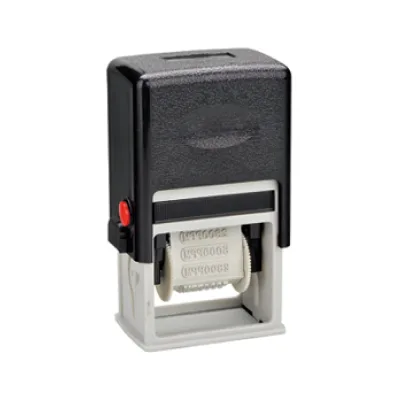
When evaluating rectangular stamps, the primary technical differentiator lies in the material composition and the resulting durability. The observed product data reveals a diverse range of materials, including plastic, rubber, and composite blends of plastic and rubber. For applications requiring high-frequency use in an office environment, the distinction between a standard plastic body and a rubber die is critical. Rubber is frequently cited as the material for the stamping surface, offering superior ink transfer and detail resolution for custom designs. Conversely, plastic components often form the handle or the housing, providing structural rigidity.
Size specifications vary significantly across the supply base, ranging from compact units measuring 384082mm to larger formats up to 803725mm or 822780mm. The weight of these units also fluctuates, with observed values spanning from 35g to 72g. A heavier unit, such as one weighing 72g, may indicate a more substantial build or a larger ink reservoir, whereas lighter units around 35g are often suited for portable or craft applications. Buyers must verify that the specific dimensions align with the intended stamping surface area. Furthermore, the product models identified in the market, such as YTD-1, YTD-2, and CSI, suggest that manufacturers offer distinct series tailored to different functional needs, such as date stamping versus pattern stamping.
Design Customization and Functional Versatility
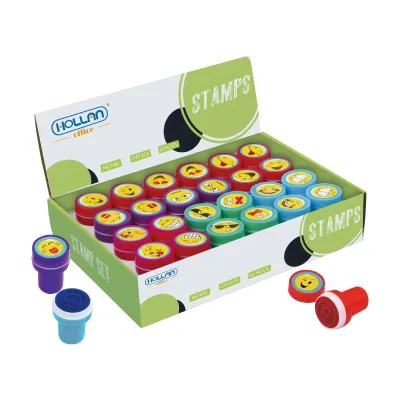
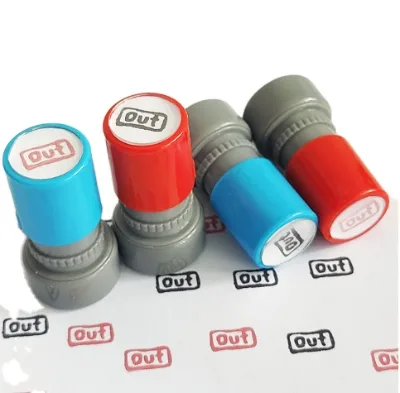
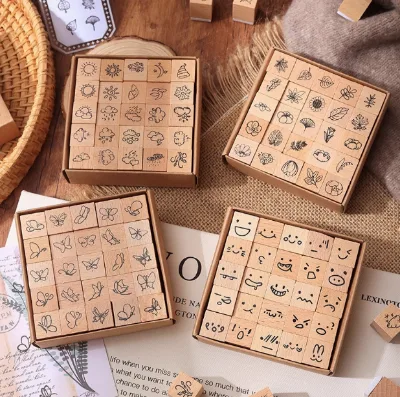
The hallmark of this product category is the high degree of customization available. The supply data explicitly confirms that "Customized Designs" and "Custom Logo Acceptable" are standard attributes. This allows businesses to imprint unique branding, dates, or specific patterns onto documents, packaging, or craft materials. The theme of these stamps is predominantly "Pattern," though they are also utilized for functional purposes like date stamping. The application scope is broad, covering office supplies, school activities, home use, and event management.
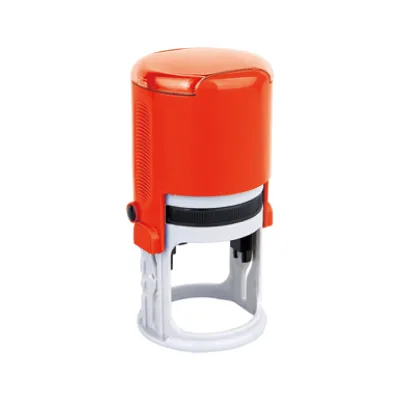
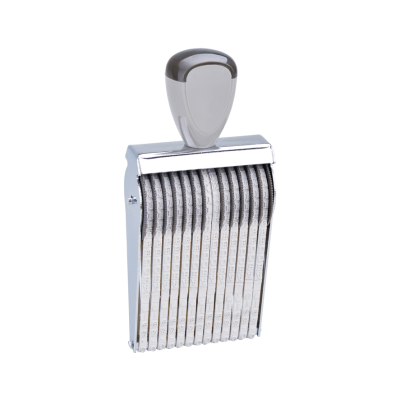
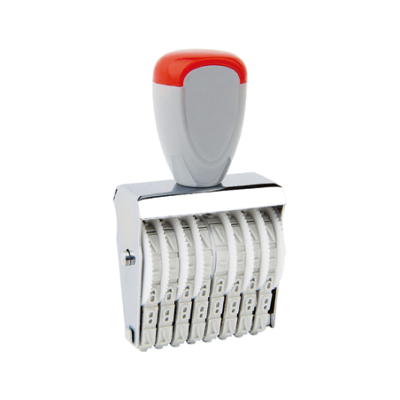
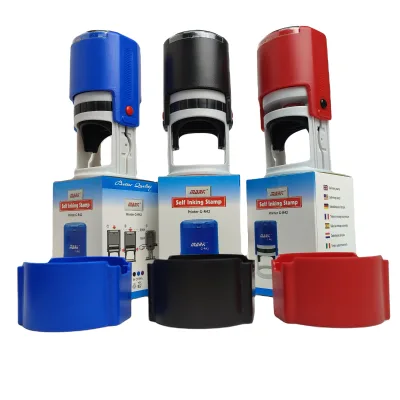
The mechanism of the stamp is another vital technical consideration. The market offers various types, including "Roller Stamps," "Self-Inking Stamps," and standard manual stamps. Self-inking mechanisms are particularly relevant for office environments where speed and consistency are paramount, as they eliminate the need for a separate ink pad. The "Without Rechargeable Battery" attribute confirms that these are typically mechanical or ink-based systems rather than electronic devices, which simplifies maintenance and reduces the risk of power-related failures. The ability to select "Custom Color" for the product body further enhances brand alignment, allowing the physical tool to match corporate identity guidelines.
Compliance, Certification, and Quality Verification
In the B2B procurement of office supplies, verifying the quality and safety of materials is essential. While the specific term "waterproof" in the context of postage stamps usually refers to the ink's resistance to moisture rather than the stamp's physical construction, buyers should ensure that the ink used in these custom stamps is permanent and smudge-resistant. The supply data highlights "SGS" as a certification present in the product listings. SGS is a recognized global inspection, verification, testing, and certification company. The presence of this certification suggests that the manufacturer has undergone third-party verification for product quality and safety standards.
However, buyers must exercise caution and not assume that every listed product automatically meets all regulatory requirements. The certification status should be verified on a per-supplier basis. When sourcing from China, specifically from regions like Zhejiang, it is prudent to request current test reports or certificates of analysis to confirm that the materials (plastic, rubber) meet relevant safety standards for the intended market. The "50 ps per box" standard mentioned in the data likely refers to a specific packaging or production batch standard, but this should be clarified with the supplier to ensure it aligns with the buyer's inventory requirements.
Cost Drivers and Pricing Structures
Understanding the cost drivers for custom rectangular stamps is crucial for budgeting. The observed price range in the market is broad, spanning from 0.1 to 19 USD. This wide variance is driven by several factors, including the complexity of the custom design, the volume of the order, the material quality, and the packaging type. A unit priced at the lower end of the spectrum may be a basic plastic stamp with a simple design, while a unit at the higher end could feature a self-inking mechanism, premium rubber die, and custom branding.
The Minimum Order Quantity (MOQ) is a significant factor influencing the unit cost. The data shows MOQs ranging from 200 pieces to 10,000 pieces, with specific examples citing 200, 2,000, and 3,000 pieces. Higher MOQs generally correlate with lower per-unit costs due to economies of scale in production and mold setup. Buyers must balance their budget constraints with their inventory needs. For small businesses or trial runs, suppliers offering lower MOQs (e.g., 200 PCS) are essential, even if the unit price is slightly higher. Conversely, large enterprises can leverage high-volume orders to secure more competitive pricing. The "Trade Assurance" payment method mentioned in the data provides a layer of financial security, ensuring that payments are protected until the goods are delivered as agreed.
Supplier Evaluation and Operational Logistics
Selecting the right supplier requires a rigorous evaluation process. The supply data indicates that the origin of these products is primarily China, with specific mentions of Zhejiang as a manufacturing hub. This region is known for its strong manufacturing infrastructure in the stationery and office supply sector. When evaluating potential partners, buyers should look for suppliers who explicitly state "Customization: Available" and "Sample: Availible." The availability of samples is a critical step in the sourcing process, allowing buyers to physically inspect the ink quality, stamp clarity, and build quality before committing to a large order.
Packaging is another logistical consideration. The observed packing methods include "Carton Box," "Paper Box / Poly Bag," and "Polybag." The choice of packaging affects the protection of the stamps during transit and the presentation of the final product. For fragile items or those requiring high-end presentation, a carton box may be necessary. For bulk orders where individual presentation is less critical, polybagging may suffice. Lead times and production capacity should be discussed directly with the supplier, as these are not fixed in the general market data but are dependent on the specific order volume and customization complexity.
Long-Term Procurement and Quality Control
Sourcing custom stamps is not merely a one-time transaction but part of a long-term supply chain strategy. Consistency in quality is paramount, especially when stamps are used for official documents or branded materials. The "Customized" attribute implies that the production process involves creating a specific die or mold for the buyer. Once this tooling is created, the supplier must maintain strict quality control to ensure that every subsequent unit matches the original sample.
Buyers should establish clear quality control protocols, including random sampling during production and pre-shipment inspections. The weight and dimensions of the stamps should be checked against the agreed specifications to ensure consistency. For example, if the agreed weight is 43.5g, a significant deviation in a batch could indicate a manufacturing defect or a change in material density. Additionally, the durability of the ink and the stamp face should be tested over time to ensure that the "waterproof" or permanent nature of the ink does not degrade with use.
Comparative Analysis of Product Attributes
To assist in decision-making, the following table summarizes the key attributes observed in the market for rectangular stamps, highlighting the variations buyers must navigate.
| Attribute Category | Observed Variations | Procurement Consideration |
|---|---|---|
| Material | Plastic, Rubber, Plastic+Rubber | Select based on durability needs; Rubber for detail, Plastic for housing. |
| Type | Roller Stamp, Self-Inking Stamp, Manual Stamp | Self-inking preferred for high-volume office use; Roller for continuous patterns. |
| Size | 384082mm to 822780mm | Verify dimensions match the target surface area and stamping frequency. |
| Weight | 35g to 72g | Heavier units may offer better stability; lighter units for portability. |
| MOQ | 200 PCS to 3,000+ PCS | Align order volume with budget and storage capacity. |
| Customization | Custom Logo, Custom Color, Custom Design | Essential for branding; confirm design proofing process. |
| Certification | SGS (Observed) | Request current certificates to verify safety and quality standards. |
| Origin | China (Zhejiang) | Verify logistics capabilities and lead times from the specific region. |
Conclusion
Sourcing custom rectangular stamps requires a nuanced understanding of the product's technical specifications, material properties, and the supplier's capabilities. While the market offers a wide array of options from basic plastic units to complex self-inking systems, the buyer must carefully evaluate each component against their specific operational needs. The presence of certifications like SGS and the availability of customization options provide a strong foundation for procurement, but due diligence in verifying samples, quality control, and supplier reliability remains essential. By focusing on these evidence-based criteria, buyers can secure high-quality stamping solutions that enhance efficiency and branding across office, school, and craft applications.
FAQs
Can I get custom designs for these rectangular stamps?
Yes, customized designs and custom logos are available for these stamps. Buyers can select specific patterns and colors to match their branding needs for office or craft applications.
What materials are used to make these rectangular stamps?
These stamps are constructed from plastic, rubber, or a combination of both materials. Rubber is often used for the stamping surface to ensure detail, while plastic provides structural rigidity.
Which certification verifies the quality of these stamp products?
SGS certification is observed for some of these stamp products to verify quality and safety standards. Buyers should request current certificates to confirm compliance for their specific market requirements.
How much is the minimum order quantity for these stamps?
The minimum order quantity varies, with observed values ranging from 200 to 3,000 pieces depending on the model. Lower MOQs allow for smaller trial runs while higher volumes reduce unit costs.
What are the typical dimensions for these rectangular stamps?
Dimensions vary by model, with sizes observed ranging from 38*40*82mm to 82*27*80mm. Buyers must verify specific dimensions to ensure they match the intended stamping surface area and usage.
Can I order samples before committing to a large order?
Yes, samples are available for these stamp products to verify ink quality and build. This step allows buyers to inspect the product before placing bulk orders with suppliers in China.
What is the origin location for these stamp manufacturers?
The products originate from China, with specific manufacturing hubs identified in Zhejiang. This region is known for its strong infrastructure in producing stationery and office supply items.