Source Waterproof 12V LED Module for signage, displays, and outdoor lighting
Compare 30 Waterproof 12V LED Module options from verified suppliers. These modules feature IP ratings, various power levels, and beam angles suitable for signage, displays, and outdoor lighting applications.
Key considerations
Products List


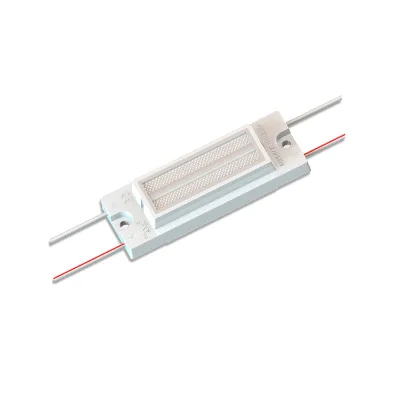
Comprehensive Sourcing Guide
Strategic Sourcing Guide for Waterproof 12V LED Modules
Procuring waterproof 12V LED modules requires a disciplined approach that balances technical performance with supply chain reliability. The market for these components is vast, ranging from low-power indicator lights to high-intensity signage solutions. Buyers must navigate a landscape where product attributes are often listed as observations rather than universal guarantees. This guide outlines the critical factors for sourcing these modules, focusing on verified specifications, compliance standards, and long-term value.
Technical Specifications and Performance Parameters
When evaluating waterproof 12V LED modules, the primary focus must be on the specific electrical and optical characteristics that define the product's utility. The supply data indicates a diverse range of power configurations. Some modules operate at low power levels, such as 0.3W to 0.5W per LED, while others are designed for higher output, reaching 3W or more. A critical distinction in the observed data is the variation in LED chip power; some units list a single LED power of less than 0.3W, whereas others specify a power of 1W or greater. This variance directly impacts the brightness and heat dissipation requirements of the final application.
The optical output is equally critical. Beam angles observed in the market range significantly, from 140 degrees to 170 degrees. A wider beam angle, such as 160 or 170 degrees, is typically preferred for general illumination or signage where broad coverage is necessary. Conversely, narrower angles might be required for accent lighting. The color temperature options are also diverse, with data showing a range from 2700K to 12000K. This allows for customization from warm white to cool daylight, and some listings indicate the availability of specific colors like red, yellow, and blue.
Physical dimensions are another key specification. Modules vary in size, with observed dimensions including 7113.57.3mm, 7114.57.6mm, and 7212.55.2mm. These compact form factors are essential for applications with space constraints, such as recessed signage or tight enclosures. The operating temperature range is a vital safety metric, with observed data specifying an operating range of -30°C to 50°C and a storage range of -30°C to 55°C. Buyers must ensure that the selected module can withstand the environmental extremes of its intended installation site.
Waterproofing and Environmental Durability
The core requirement for these products is their ability to withstand moisture. The term "waterproof" is frequently used, but the specific rating determines the level of protection. The most robust rating observed in the supply data is IP68, which implies complete protection against dust and prolonged immersion in water. Other listings mention "IPWaterproof" or general waterproof claims without a specific numerical rating. It is imperative for buyers to verify the exact IP rating rather than relying on the general term.
The construction of the module also contributes to its durability. The housing material is typically plastic, which offers a balance of weight and resistance to corrosion. Some products utilize specific standards like LED COB (Chip on Board) or 2835 LED technology, which can influence the thermal management and light distribution. The encapsulation method is crucial for maintaining the IP rating over time. Buyers should inquire about the sealing process used to protect the internal electronics from humidity and water ingress, especially for applications involving outdoor signage or marine environments.
Compliance, Certification, and Safety Standards
In the B2B procurement of electronic components, compliance is non-negotiable. The supply data highlights several critical certifications that indicate a supplier's adherence to international safety and environmental standards. Common certifications observed include TUV-CE, RoHS, and En62471. These are essential for selling products in the European and global markets. RoHS compliance ensures the absence of hazardous substances, while CE marking indicates conformity with health, safety, and environmental protection standards for products sold within the European Economic Area.
For markets in North America, certifications such as UL, ETL, and FCC are often required. The data also mentions Ukca, which is the United Kingdom Conformity Assessed mark, relevant for post-Brexit trade. Additionally, En62471 is a specific standard for the photobiological safety of lamps and lamp systems, ensuring that the light emitted does not pose a risk to human eyes or skin. Buyers must verify that the specific batch of products they purchase carries these certifications, as compliance can vary between production runs. The presence of these certifications is a strong indicator of a supplier's commitment to quality and regulatory adherence.
Cost Drivers and Pricing Dynamics
The pricing of waterproof 12V LED modules is influenced by several factors, including power output, certification levels, and order volume. The observed price range in the market is extensive, spanning from $0.05 to $589. This wide disparity suggests that the cost is heavily dependent on the specific configuration and the scale of the purchase. Low-cost modules may be basic units with minimal certifications or lower power ratings, while higher-priced units likely include advanced features, higher power outputs, or comprehensive certification packages.
Minimum Order Quantity (MOQ) is another significant cost driver. The observed MOQ ranges from 1 unit to 5,000 units. For small-scale prototyping or replacement needs, buyers can source single units, but the unit cost will likely be higher. For large-scale production, negotiating an MOQ closer to the 5,000-unit range can significantly reduce the per-unit cost. Customization is available in the market, which can also impact pricing. Custom colors, specific beam angles, or unique dimensions may incur additional tooling or setup costs. Buyers should clearly define their requirements early to avoid unexpected price escalations.
Typical Applications and Use Cases
The versatility of waterproof 12V LED modules makes them suitable for a wide array of applications. One specific use case identified in the data is signage, particularly for applications requiring a depth of 6cm. These modules are ideal for channel letters and illuminated signs where space is limited but high visibility is required. The compact size and specific beam angles allow for even light distribution across the signage surface.
Beyond signage, these modules are used in architectural lighting, landscape illumination, and marine applications. The IP68 rating makes them suitable for underwater or near-water environments, such as pool lighting or boat instrumentation. The wide operating temperature range ensures reliability in both hot and cold climates, making them suitable for outdoor installations in diverse geographical locations. The availability of different color temperatures and colors allows for creative lighting designs in commercial and residential settings.
Supplier Evaluation and Quality Control
Selecting the right supplier is as important as selecting the right product. Buyers should evaluate suppliers based on their ability to provide consistent quality and reliable delivery. The origin of the products is a relevant factor, with data indicating origins in China and specific regions like Jiangsu, China. While origin alone does not determine quality, it can provide insight into the manufacturing ecosystem and logistics capabilities.
Quality control processes should be a primary consideration. Buyers should request documentation regarding the manufacturing process, including how the waterproofing is tested and verified. The lifespan of the LED modules is a critical metric, with observed data indicating a lifespan of 50,000 hours. However, this figure should be verified under actual operating conditions. Suppliers should provide test reports or data sheets that confirm the longevity and performance of their products.
Packaging is another aspect of quality control. Some suppliers use static-resistant bags with cartons to protect the modules during shipping, while others use standard cartons. Proper packaging ensures that the modules arrive in pristine condition, free from physical damage or electrostatic discharge. Buyers should also inquire about the warranty terms, with 3 years being a common offering in the market. A robust warranty indicates the supplier's confidence in their product's durability.
Long-Term Procurement Considerations
Sourcing waterproof 12V LED modules is not just a one-time transaction but a long-term partnership. Buyers should consider the availability of replacement parts and the consistency of product specifications over time. The modular nature of these products means that future expansions or repairs may require identical components. Ensuring that the supplier can maintain consistent quality and specifications is crucial for long-term projects.
Customization options should be leveraged to future-proof the procurement strategy. As technology evolves, the ability to adapt the lighting solution to new requirements can save costs and improve efficiency. Buyers should also monitor the supply chain for potential disruptions, such as raw material shortages or changes in regulatory standards. Maintaining a relationship with a reliable supplier who can provide timely updates and support is essential for mitigating these risks.
In conclusion, sourcing waterproof 12V LED modules requires a comprehensive understanding of technical specifications, compliance requirements, and market dynamics. By carefully evaluating the factors outlined in this guide, buyers can make informed decisions that ensure the success of their projects. The key is to balance cost, quality, and performance while maintaining a focus on long-term reliability and supplier trust.
FAQs
What certifications are available for Waterproof 12V LED Module products?
Common certifications include TUV-CE, RoHS, En62471, UL, ETL, FCC, and Ukca. These ensure compliance with international safety and environmental standards for various global markets.
Which waterproof rating is observed for these LED modules?
The highest observed rating is IP68, indicating complete protection against dust and prolonged water immersion. Some listings also mention general waterproof claims without specific numerical ratings.
How long is the typical lifespan for these waterproof 12v led modules?
The observed lifespan is 50,000 hours under standard operating conditions. This duration supports long-term reliability for outdoor signage and architectural lighting applications.
Can I find Waterproof 12V LED Module products with customization options?
Yes, customization is available for these modules. Buyers can often request specific colors, beam angles, or dimensions to suit unique project requirements.
What is the price range for Waterproof 12V LED Module units?
The observed price range spans from 0.05 to 589 USD. Costs vary significantly based on power output, certification levels, and order volume.
Which beam angles are available for these LED modules?
Observed beam angles range from 140 to 170 degrees. Wider angles like 160 or 170 degrees are suitable for general illumination and broad signage coverage.