Source Waterproof CDX Plywood for Yachts, Boats, and Marine
Find 30 listings for waterproof CDX plywood for yachts and marine applications. Compare specifications including 9-18mm thickness, WBP glue, and formaldehyde standards to select the right material for construction projects; compare the available evidence and request quotations based on your requirements.
Key considerations
Products List




Comprehensive Sourcing Guide
Waterproof CDX Plywood for Yachts Sourcing Guide
Procuring marine-grade plywood requires distinguishing between standard construction grades and specialized marine products designed for constant water exposure. While the market offers various plywood types, true marine plywood utilizes waterproof phenolic resins and high-quality veneers to prevent delamination under harsh conditions. Buyers must verify that the core material and adhesive system meet specific durability standards before committing to large orders for yacht construction.
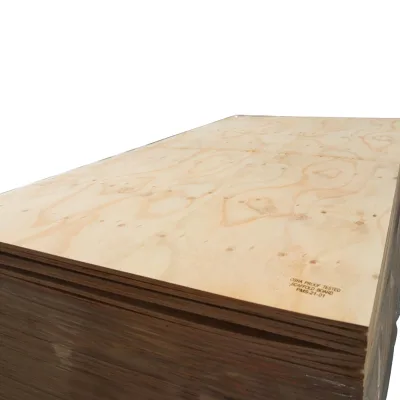
The observed product landscape includes options ranging from standard export packages to specialized marine plywood with film-faced surfaces. Some listings indicate specific thicknesses and dimensions suitable for hull planking, while others focus on structural components. It is critical to confirm that the selected product explicitly supports outdoor and marine usage, as standard indoor grades will fail rapidly in a wet environment.
Product Scope and Observed Listing Signals
Buyers should scrutinize product listings for explicit mentions of marine-grade construction and waterproof bonding agents. The available data highlights products with WBP glue and specific plywood types like 9-ply or 13-ply configurations, which are often associated with higher structural integrity. However, not all listed items are suitable for yachts; some are intended for general construction or furniture, requiring careful filtering based on the core material and glue type.
Observations show a variety of materials including oak, birch, and poplar, each offering different density and strength characteristics. Listings for marine plywood often specify film-faced surfaces in black or brown, which provide an additional layer of protection against moisture and abrasion. Procurement teams must verify that the specific product model, such as those with 18mm thickness, aligns with the structural demands of the intended yacht application.
Technical Specifications to Verify
Technical verification begins with confirming the adhesive type, as WBP glue is a standard requirement for marine environments to ensure water resistance. Buyers must also check the core material composition, ensuring it consists of high-quality veneers without voids that could compromise structural strength. The density of the wood, often cited around 550kg/Cbm, serves as a key indicator of the material's durability and suitability for marine applications.
Dimensional accuracy is equally critical, with standard sizes like 1220x2440mm being common but custom dimensions sometimes necessary for specific yacht designs. Thickness ranges from 9mm to 18mm or even 20mm, depending on the structural load requirements of the hull or deck. Buyers should request detailed specifications for moisture content, which should typically remain below 12% to prevent warping and fungal growth during the vessel's operational life.
Compliance and Safety Documentation
Compliance with international emission standards is a non-negotiable aspect of modern marine procurement, particularly regarding formaldehyde emissions. The market data references standards such as E1 and E0 grades, which indicate low emission levels essential for enclosed spaces within a yacht. Buyers must ensure that the supplier provides valid test reports confirming the product meets these strict environmental and safety thresholds.
Safety documentation also includes verification of bonding strength classifications, which dictate the product's ability to withstand mechanical stress and water exposure. Certifications like CE, CARB P2, and JAS are frequently cited as benchmarks for quality assurance in the plywood industry. Procurement teams should demand these certificates to validate that the plywood meets the rigorous safety and performance criteria required for marine construction.
Cost Drivers and Commercial Terms
Cost drivers for marine plywood are heavily influenced by the core material, adhesive quality, and the complexity of the manufacturing process. High-grade birch or full birch plywood commands a premium price due to its superior strength and resistance to delamination compared to poplar or mixed-wood cores. Buyers should anticipate that specialized marine grades with film faces and specific thicknesses will incur higher unit costs than standard construction plywood.
Commercial terms often involve flexible payment methods such as T/T or L/C at sight, reflecting the high value of the transaction. Minimum Order Quantities can vary significantly, with some suppliers requiring a full container load while others offer smaller quantities for trial orders. Understanding these terms is vital for budgeting, as shipping costs and packaging requirements, such as break bulk or standard pallets, also impact the final landed cost.
Supplier Qualification and Quality Control
Supplier qualification requires a thorough assessment of their manufacturing capabilities and quality control protocols. Buyers should verify the supplier's origin, with many reputable manufacturers located in regions like Linyi, Shandong, China, known for plywood production. It is essential to confirm that the supplier adheres to consistent production standards and can provide samples for independent testing before finalizing a contract.
Quality control measures must include rigorous inspection of the plywood's surface, core, and bonding strength. Suppliers should demonstrate their ability to maintain strict tolerances on dimensions and moisture content to ensure product consistency. Buyers are advised to implement a pre-shipment inspection process to verify that the delivered goods match the agreed specifications and meet the required marine-grade standards.
Long-Term Procurement Checks
Long-term procurement success depends on establishing a reliable supply chain that can consistently deliver high-quality marine plywood. Buyers should maintain open communication with suppliers to monitor changes in raw material availability and production capacity. Regular audits of the supplier's facilities and quality records help ensure that the product continues to meet the demanding standards required for yacht construction over time.
Performance tracking of the plywood in actual marine environments provides valuable feedback for future sourcing decisions. Buyers should document any issues related to delamination, warping, or adhesive failure to identify potential weaknesses in the supply chain. By maintaining a detailed history of supplier performance, procurement teams can make informed decisions that balance cost, quality, and reliability for long-term projects.
FAQs
What materials are used for marine plywood construction?
Marine plywood is typically constructed from high-quality hardwoods such as oak, birch, or poplar. These materials provide the necessary structural integrity and resistance to moisture. The plies are bonded with waterproof adhesives like WBP or melamine glue to ensure durability in wet environments, making them suitable for demanding applications.
Can this plywood be used for both indoor and outdoor projects?
Yes, the product is designed for both indoor and outdoor usage. It features a bonding strength rated at I(NQF) or II(Ns) and utilizes WBP glue. This ensures the panels withstand outdoor exposure while maintaining stability for interior applications, provided the moisture content remains below 12% during storage and installation.
Which formaldehyde emission standards does the plywood meet?
The plywood meets strict formaldehyde emission standards, including Grade One and Excellent Grade classifications. It also complies with international certifications such as CE, CARB P2, and JAS. These standards ensure low emissions, making the material safe for residential and commercial use while adhering to environmental regulations in various global markets.
What are the standard specifications and thickness options available?
Standard specifications include sizes like 1220x2440mm and 1250x2500mm with thicknesses ranging from 9mm to 21mm. Common options include 15mm and 18mm panels. The plywood is available in 9-ply or 13-ply constructions, allowing buyers to select the appropriate density and strength for specific structural requirements or design preferences.
How is the plywood packaged for international shipping?
The plywood is packaged in standard export packages or break bulk packages on container standard pallets. Wooden pallets are used to ensure safe handling and protection during transit. This packaging method helps prevent damage and moisture exposure, ensuring the product arrives in optimal condition for immediate use in construction or manufacturing projects.
What payment terms are accepted for bulk orders?
Accepted payment terms include T/T or L/C at sight. These methods provide secure financial transactions for both buyers and suppliers. Buyers should confirm specific payment details with the supplier before placing orders, especially for large quantities, to ensure smooth processing and timely delivery of the plywood materials to the designated destination.