Source Waterproof Ceramic NFC Ring for door locks, sharing info, and promotions
Explore 30 listings for the Waterproof Ceramic NFC Ring, comparing features like ISO 14443A protocol, HF 13.56Mhz frequency, and ceramic or carbon fiber materials. Buyers can evaluate options for door locks, information sharing, and promotional campaigns with varying MOQs and customization support.
Key considerations
Products List
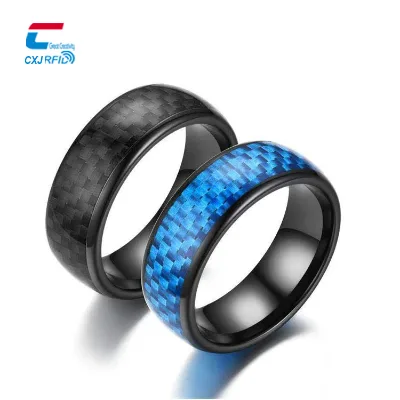
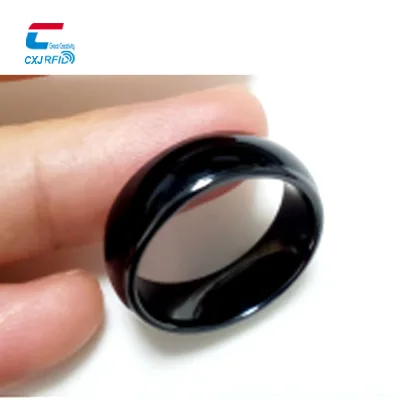
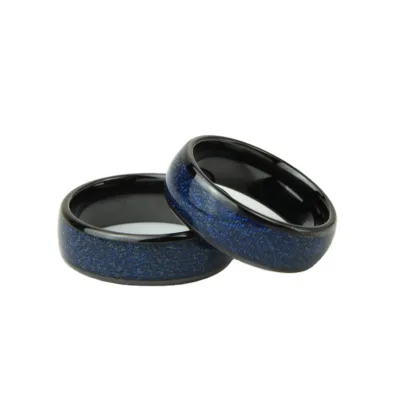
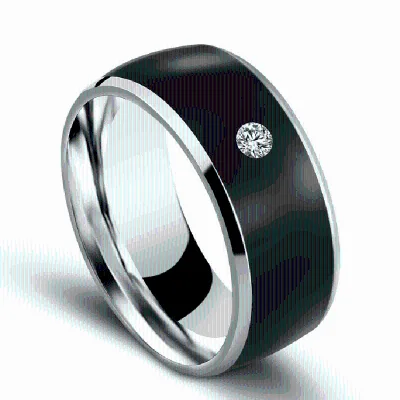
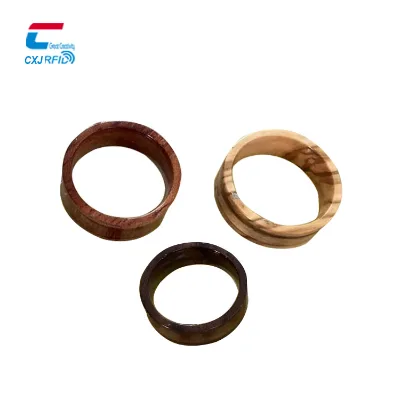
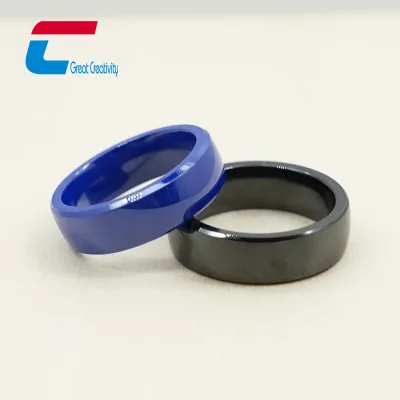


Semi-Ceramic Social Media NFC Ring Wearable NFC Mobile Phone Ring NFC Tag Ring Smart
$2.80 - $6.00
MOQ: 50 piece/pieces

New Custom Programmable Waterproof Ceramic Ring Smart Programmable NFC Ring Smart Ring
$5.50 - $6.50
MOQ: 50 piece/pieces

Semi-Ceramic Payment Use NFC Ring Wearable NFC Ring NFC Tag Ring Smart
$2.80 - $6.00
MOQ: 50 piece/pieces

Multifunctional Fashion Waterproof Ring NFC Chip Ceramic Smart NFC RFID Ring
$19.99 - $33.00
MOQ: 10 Pieces


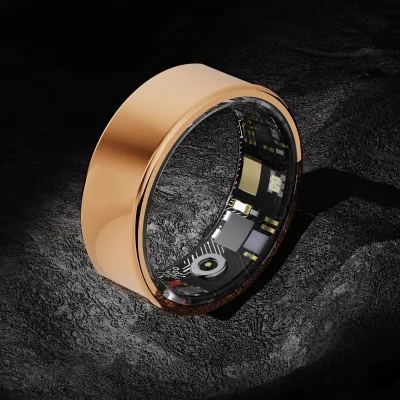
Comprehensive Sourcing Guide
Strategic Sourcing Guide for Waterproof Ceramic NFC Rings
Understanding the Core Product Architecture and Technical Specifications
The Waterproof Ceramic NFC Ring represents a specialized intersection of durable materials and near-field communication technology, designed primarily for industrial, promotional, and consumer access control applications. When sourcing this specific category, buyers must first distinguish between the material compositions and communication protocols that define the product's functionality. The core material for high-durability variants is ceramic, often combined with carbon fiber or metal components in other models to enhance structural integrity while maintaining a sleek aesthetic. The ceramic composition is particularly valued for its resistance to corrosion, impact, and environmental degradation, making it suitable for environments where standard metal or plastic rings might fail.
At the heart of the device is the NFC (Near Field Communication) and RFID (Radio Frequency Identification) technology, operating on the HF (High Frequency) 13.56 MHz band. This frequency aligns with the ISO 14443A protocol, a global standard ensuring interoperability with a vast array of readers, including door locks, payment terminals, and access control systems. The communication interface is not merely a feature but a critical specification that dictates compatibility. Buyers should verify that the selected unit explicitly supports the ISO 14443A standard to ensure seamless integration with existing infrastructure. The memory capacity of these chips is a vital technical parameter; observed specifications indicate a 144-byte memory configuration, which is sufficient for storing unique identifiers and basic user data without the need for complex external databases.
The physical dimensions of the ring are another primary consideration. Sourcing data indicates that models exist in US standard sizes ranging from 6 to 12, while other variants offer fully customized sizing to accommodate specific user demographics. The single package size for these units is compact, typically measuring around 3x1x1 cm or 2x5 cm depending on the model, which significantly influences shipping costs and packaging logistics. The weight is also minimal, with single gross weights ranging from 0.010 kg to 0.100 kg, ensuring that the ring remains comfortable for extended wear. The "waterproof" or "weatherproof" designation is a key attribute, suggesting that the ceramic casing and internal sealing are engineered to withstand exposure to moisture, sweat, and varying weather conditions, a necessity for wearable technology intended for daily use.
Compliance Verification and Protocol Standards
In the realm of NFC technology, compliance is not a single certification but a verification of adherence to established international protocols. The primary standard governing the operation of these rings is ISO 14443A. This standard defines the air interface and initialization procedures for proximity cards and devices operating at 13.56 MHz. When evaluating a supplier, buyers must confirm that the chip embedded within the ceramic ring is certified to operate strictly within this protocol. Deviations from this standard can lead to compatibility issues with standard readers, rendering the product useless for its intended purpose.
Beyond the communication protocol, the physical construction must meet specific durability expectations. While specific third-party certification marks (such as IP ratings for water resistance) are not universally listed in all product descriptions, the "waterproof" and "weatherproof" claims observed in the market require rigorous verification. Buyers should request test reports or evidence of sealing processes that validate the ring's ability to function after exposure to water. The material composition, specifically the use of ceramic, inherently offers high resistance to chemical corrosion and physical abrasion, but the internal chip protection is equally critical.
It is important to note that while the supply chain often originates from manufacturing hubs like Guangdong, China, the final product's compliance with international standards depends on the specific chip manufacturer and the assembly quality. Buyers should not assume that a product labeled as "waterproof" automatically meets specific IP (Ingress Protection) codes without explicit documentation. The verification process involves checking if the supplier can provide data on the read/write cycles, which are observed to reach up to 100,000 times, indicating the longevity of the chip's memory under normal usage conditions. This metric serves as a proxy for the overall quality of the internal components and the reliability of the soldering or bonding processes used to integrate the chip with the ceramic body.
Cost Drivers and Pricing Dynamics
The pricing structure for waterproof ceramic NFC rings is influenced by a complex interplay of material costs, customization levels, and order volume. The base cost is driven by the raw materials, with ceramic and carbon fiber generally commanding higher prices than standard metal alloys due to the complexity of the molding and firing processes. The integration of the NFC chip, specifically those supporting the 144-byte memory and ISO 14443A protocol, adds a significant component cost that fluctuates with global semiconductor market trends.
Customization is a major cost driver. While standard black or customized color options are available, the inclusion of laser logos, engraved markings, or silk printing requires additional production steps. The "customized logo" support mentioned in product attributes implies that the printing process is not a standard off-the-shelf feature but a value-added service that increases the unit price. Furthermore, the choice of packaging plays a role in the final cost. Options range from simple OPP bags to white box packaging or OEM-specific cartons. The latter, which often includes branding and specific retail-ready configurations, incurs higher packaging and labor costs.
Order volume is perhaps the most significant factor in determining the final unit price. The market data indicates a wide range in Minimum Order Quantities (MOQ), from as low as 100 pieces to as high as 500 pieces depending on the model and supplier. Suppliers with a supply ability of 2,000,000 to 5,000,000 pieces per month are capable of handling large-scale orders, which typically results in a lower per-unit cost due to economies of scale. Conversely, smaller orders may attract a premium price to cover setup and machine calibration costs. The observed price range of $0.52 to $35 USD reflects this spectrum, where the lower end likely represents bulk orders of standard models, and the higher end corresponds to small batches of highly customized, premium material variants. Buyers must balance the need for customization against the budget constraints imposed by the MOQ and unit price structure.
Typical Applications and Use Cases
The versatility of the Waterproof Ceramic NFC Ring allows it to serve a diverse array of applications across multiple industries. The primary application identified is access control, where the ring functions as a key for door locks. The durability of the ceramic material makes it ideal for high-traffic environments where keys might be lost or damaged, offering a hands-free solution for employees or residents. The "share information" capability suggests secondary uses in networking and data exchange, allowing users to tap the ring against a reader to transfer contact details or access digital profiles.
In the promotional and corporate sector, these rings are increasingly used as high-value marketing tools. The "Industrial Use: Promotion" attribute highlights their suitability for corporate gifts, conference swag, or brand awareness campaigns. The ability to customize the logo and color allows companies to create a cohesive brand identity. The aesthetic appeal of the ceramic material, combined with the "good looking" design noted in product descriptions, makes it a preferred choice over traditional plastic or metal key fobs.
Furthermore, the waterproof nature of the ring expands its utility to lifestyle and fitness applications. Users can wear the ring while swimming, showering, or engaging in outdoor activities without fear of damage. This durability supports its use in smart home ecosystems, where the ring could trigger automated actions or unlock smart devices. The read/write cycle count of 100,000 times ensures that the ring can withstand frequent interactions, making it suitable for daily commuting or repeated access attempts. Whether used for secure building entry, event check-ins, or personal data sharing, the ring's design prioritizes both functionality and wearability.
Supplier Evaluation and Supply Chain Considerations
Selecting the right supplier for waterproof ceramic NFC rings requires a thorough evaluation of their production capabilities, logistics, and quality assurance processes. The supply chain for these products is heavily concentrated in manufacturing regions such as Guangdong, China, which is a global hub for electronics and consumer goods. The "Port of dispatch: Shenzhen port" is a common logistical detail, indicating that suppliers are well-positioned for international shipping. However, buyers must verify the specific lead times and shipping terms, as these can vary significantly based on order size and customization requirements.
When evaluating suppliers, the "Supply Ability" metric is crucial. A supplier claiming a capacity of 2,000,000 to 5,000,000 pieces per month demonstrates the infrastructure to handle large-scale production runs. This capacity suggests a robust supply chain capable of meeting urgent demand spikes. However, buyers should also assess the supplier's flexibility regarding sample availability. The presence of "Sample Available" and "Sample: Available" attributes indicates that reputable suppliers are willing to provide prototypes for testing before committing to a bulk order. This step is essential for verifying the physical quality, fit, and functionality of the ring.
The customization support offered by the supplier is another key evaluation criterion. The ability to provide "Customized logo" printing, "Customized Color," and "OEM package" options shows a supplier's willingness to adapt to specific buyer needs. Buyers should inquire about the minimum order quantities for these customizations, as they often differ from standard SKU requirements. Additionally, the packaging details, ranging from bulk packages to individual OPP bags and cartons, should be aligned with the buyer's distribution strategy. A supplier that offers flexible packaging solutions can help reduce waste and improve the unboxing experience for end-users.
Quality Control and Long-Term Procurement Strategy
Ensuring the quality of waterproof ceramic NFC rings requires a proactive approach to quality control (QC) throughout the procurement lifecycle. Given the technical nature of the product, QC should focus on both the physical integrity of the ceramic casing and the functional performance of the NFC chip. Buyers should implement a rigorous inspection process that includes checking the waterproof seals, verifying the read/write cycles, and testing the communication interface against the ISO 14443A standard. The "read&write cycles: 100,000 times" specification serves as a benchmark for durability, and random sampling should be used to confirm that the actual performance meets or exceeds this figure.
Long-term procurement strategies should prioritize building relationships with suppliers who demonstrate consistency in quality and delivery. The "Single gross weight" and "Single package size" data points are useful for calculating shipping costs and optimizing logistics over time. Buyers should also consider the "Packaging Details" to ensure that the product arrives in a condition that minimizes damage during transit. For large-scale orders, establishing a clear quality agreement that defines acceptable defect rates and return policies is essential.
Furthermore, buyers should plan for the lifecycle of the product. The "Memory: 144 byte" capacity is fixed, so future software updates or data expansion requirements must be considered during the initial sourcing phase. If the application evolves, the current chip may become obsolete, necessitating a new product specification. Therefore, maintaining open communication with the supplier regarding future technology trends and chip availability is a critical component of a sustainable procurement strategy. By focusing on these quality and strategic factors, buyers can ensure a reliable supply of high-performance waterproof ceramic NFC rings that meet their specific operational needs.
FAQs
What communication protocols do these rings support?
These rings support the ISO 14443A protocol operating at HF 13.56 MHz. This ensures compatibility with standard door locks and access control systems. The memory capacity is typically 144 bytes for storing unique identifiers.
Can I get a sample before placing a bulk order?
Yes, samples are available for most models to verify quality and fit. You can request a sample to check the ceramic material and waterproof features before committing to the minimum order quantity of 100 to 500 pieces.
What is the minimum order quantity for custom logos?
The minimum order quantity varies by model, ranging from 100 to 500 pieces. Customized logo printing via laser or silk screen is supported, but specific MOQs depend on the chosen model and packaging requirements.
How durable is the ceramic material against water?
The rings are designed to be waterproof and weatherproof for daily wear. The ceramic construction resists corrosion and impact, making them suitable for use in wet environments or during outdoor activities without damage.
Which sizes are available for the NFC rings?
Available sizes include US standard sizes 6 through 12 or fully customized dimensions. You can select specific sizes based on the model number, such as CXJ-NR2201, or request custom sizing for your target demographic.
What is the typical supply capacity of the manufacturers?
Manufacturers can supply between 2,000,000 and 5,000,000 pieces per month. This high capacity ensures they can handle large-scale orders while maintaining consistent quality and meeting tight delivery schedules from Shenzhen port.
Can the rings be customized with specific colors?
Yes, customized colors are available beyond the standard black option. Buyers can request specific color variations to match brand identity, provided the order meets the minimum quantity requirements for custom production runs.