Source Waterproof Cosmetic Lab Vial Labels for Medicine, Food, and Agro
Compare 30 listings for Waterproof Cosmetic Lab Vial Labels from verified Chinese manufacturers. Buyers can evaluate custom sizes, printing methods, and MOQs for medicine, food, and agro pesticide packaging needs.
Key considerations
Products List
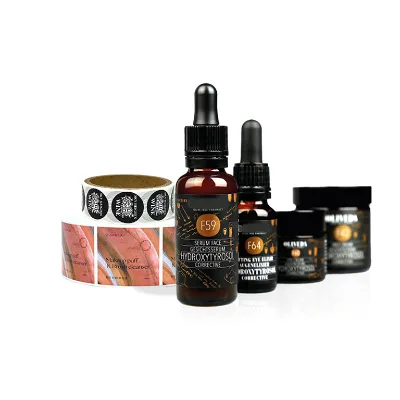


High Quality Personal Care Product Chemical Label 10ml Vial with Colorful Labels
$0.40 - $0.50
MOQ: 100 Pieces


Custom Self-Adhesive Medicine & Cosmetic Drug 2ml 3ml 10ml Bottle Label
$0.15 - $0.23
MOQ: 5000 Pieces
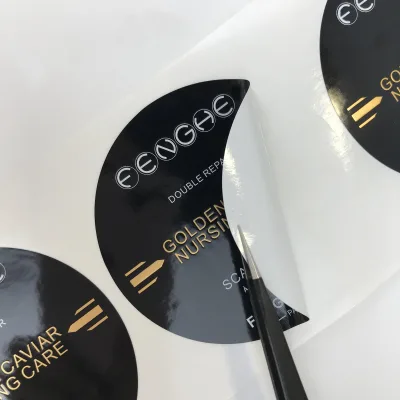


Premium Custom Printed Labels for Cosmetic Bottles and Packaging Solutions
$0.02 - $0.10
MOQ: 1000 Pieces
Comprehensive Sourcing Guide
Waterproof Cosmetic Lab Vial Labels Sourcing Guide
Sourcing adhesive labels for cosmetic and pharmaceutical vials requires a precise balance of material durability, print fidelity, and regulatory compliance. Buyers must navigate a supply chain where the label serves not only as a branding element but as a critical component of product safety and traceability. The following guide outlines the essential verification steps, technical considerations, and commercial terms necessary to secure high-quality labeling solutions that meet industry standards.
Product Scope and Observed Listing Signals
The market for custom printed labels encompasses a wide range of materials, including paper, PP, PVC, PET, and PE, each offering distinct advantages for different packaging environments. Observations from current listings indicate that suppliers frequently offer customized printing options, with specific emphasis on waterproof and eco-friendly features. These attributes are particularly relevant for cosmetic and laboratory applications where exposure to moisture, chemicals, or varying temperatures is common. Buyers should verify that the selected material aligns with the specific chemical resistance requirements of the vial contents and the external handling conditions.
Listing signals also reveal a strong emphasis on customization, with suppliers accepting custom orders and offering free design services. The observed product names often reference pharmaceutical vial paper box label packaging, suggesting a versatility in application that extends beyond simple bottle labeling to include secondary packaging elements. However, buyers must distinguish between primary container labels and auxiliary packaging labels, as the regulatory and performance requirements for each can differ significantly. Understanding the specific use case, whether for a bottled beverage, medicine, or cosmetic product, is the first step in narrowing down the appropriate supplier capabilities.
Technical Specifications to Verify
Material selection is the most critical technical decision, with PET and PVC being prominent choices for their durability and resistance to water and abrasion. The observed specifications highlight a range of printing processes, including embossing, debossing, silk screen, flexographic, digital, UV, and laser engraving. Each process offers unique tactile and visual effects, such as spot UV or gold stamping, which can enhance brand perception. Buyers should evaluate the compatibility of the chosen printing method with the label material to ensure long-term adhesion and legibility, especially when the label is subjected to friction or environmental stress.
Size and shape customization are standard offerings, with suppliers providing options for rectangular, round, square, and fully customized dimensions. The observed data indicates that sizes are often listed as "custom" or "customized size," requiring buyers to provide precise die-line templates. Artwork formats typically accepted include AI, PDF, CDR, and PSD, which facilitates seamless integration into the supplier’s production workflow. It is essential to verify the minimum line weight and resolution requirements for the chosen printing process to avoid quality issues such as blurred text or misregistered colors, particularly for small-scale vial labels where detail is paramount.
Compliance and Safety Documentation
Regulatory compliance is non-negotiable for labels used in pharmaceutical and cosmetic industries, where mislabeling can lead to severe safety risks and legal consequences. Buyers must ensure that suppliers possess relevant certifications, such as ISO9001 and SGS, which indicate a commitment to quality management systems and independent verification of processes. These certifications serve as a baseline for reliability, but they do not automatically guarantee compliance with specific regional regulations, such as those enforced by the FDA or EU authorities. Therefore, buyers should request documentation that confirms the materials used are food-grade or pharmaceutical-grade where applicable.
The observed features include waterproof and eco-friendly claims, which must be substantiated by technical data sheets and safety information. Buyers should verify that the adhesives and inks used are non-toxic and do not migrate into the product or compromise the integrity of the vial. Additionally, the industrial use category often includes medicine, food, and agro-pesticide applications, each with its own set of labeling requirements. It is crucial to confirm that the label can withstand the intended shelf life and storage conditions without delaminating, fading, or losing adhesion, thereby ensuring that critical information remains legible throughout the product’s lifecycle.
Cost Drivers and Commercial Terms
Pricing for custom labels is influenced by several factors, including material type, printing complexity, order quantity, and finishing options. The observed MOQ ranges from 100 to 10,000 pieces, offering flexibility for both small-batch prototyping and large-scale production runs. Buyers should note that lower MOQs may come with higher per-unit costs due to setup fees and machine calibration time. Conversely, larger orders can benefit from economies of scale, but they require accurate forecasting to avoid excess inventory. Understanding the cost structure helps in negotiating better terms and planning budget allocations for different product lines.
Commercial terms such as payment methods, delivery times, and shipping ports are also key considerations in the procurement process. Observed terms include T/T, Western Union, and PayPal, with delivery times typically ranging from 7 to 10 days. Shipping ports like Shanghai, Ningbo, and Wuxi are common, which may impact logistics costs and lead times depending on the buyer’s location. Buyers should clarify whether the quoted price includes packaging, such as export cartons, and whether any additional fees apply for rush orders or complex finishing processes. Clear communication of these terms prevents unexpected costs and ensures smooth transaction execution.
Supplier Qualification and Quality Control
Evaluating supplier qualifications involves more than just checking certifications; it requires assessing their production capabilities and quality control processes. Buyers should inquire about the supplier’s experience with similar products, such as cosmetic or pharmaceutical labels, and request samples to evaluate print quality, adhesion, and material durability. The ability to provide free samples is a positive indicator, allowing buyers to test the labels under real-world conditions before committing to a large order. This step is crucial for identifying potential issues with color matching, die-cutting precision, or material compatibility.
Quality control measures should be explicitly defined in the purchase agreement, including inspection protocols for defects such as misalignment, smudging, or adhesive failure. Buyers should verify that the supplier conducts routine checks during production and offers pre-shipment inspections. The observed product models, such as AG233 and AG033, may represent specific line items or standards, but buyers should not assume that these models guarantee consistent quality across all orders. Establishing a clear quality assurance framework, including acceptable defect rates and remediation procedures, helps mitigate risks and ensures that the final product meets the buyer’s expectations.
Long-Term Procurement Checks
Building a sustainable supply chain for custom labels requires ongoing monitoring and relationship management. Buyers should regularly review supplier performance metrics, including on-time delivery, product quality, and responsiveness to issues. Consistent performance over time is a strong indicator of a reliable partner, while recurring problems may signal underlying operational weaknesses. Establishing a long-term contract with clear service level agreements can provide stability and potentially better pricing, but it should be accompanied by periodic reviews to ensure that both parties remain aligned on quality and delivery expectations.
As market trends and regulatory requirements evolve, buyers must stay informed about changes that may impact label specifications and compliance. This includes updates to environmental regulations, new printing technologies, or shifts in consumer preferences for sustainable packaging. Proactive engagement with suppliers can help identify innovative solutions, such as biodegradable materials or advanced printing techniques, that enhance product value. By maintaining a flexible and informed procurement strategy, buyers can adapt to changing market conditions while ensuring that their cosmetic and pharmaceutical labels continue to meet the highest standards of quality and compliance.
FAQs
Can I get custom printed Waterproof Cosmetic Lab Vial Labels?
Yes, custom printed Waterproof Cosmetic Lab Vial Labels are available with free design services. These labels support various printing methods like flexographic and digital printing to meet specific branding needs.
What materials are used for Waterproof Cosmetic Lab Vial Labels?
These labels are manufactured using durable materials such as PET, PVC, PP, and PE paper. The selected material ensures the labels remain waterproof and eco-friendly for pharmaceutical and cosmetic applications.
Which certifications do Waterproof Cosmetic Lab Vial Labels hold?
The products hold ISO9001 and SGS certifications to ensure quality and safety standards. These certifications verify that the manufacturing processes meet international requirements for adhesive and packaging materials.
How long is the delivery time for custom Waterproof Cosmetic Lab Vial Labels?
The standard delivery time is typically 7 to 10 days after order confirmation. This lead time applies to custom orders with specified sizes and printing requirements shipped from China.
What is the minimum order quantity for Waterproof Cosmetic Lab Vial Labels?
The minimum order quantity varies, with some listings starting at 100 pieces and others at 3000 pieces. Buyers should check specific supplier requirements as MOQs depend on the customization level and material selected.
Can I get free samples for Waterproof Cosmetic Lab Vial Labels?
Yes, free samples are available for potential buyers to evaluate quality and adhesion. This allows clients to verify the waterproof features and printing quality before committing to a larger bulk order.