Source Waterproof Disposable UHF Seal Tag for access control, luggage, and bags
Compare 30 Waterproof Disposable UHF Seal Tag options from verified suppliers. These tags support access control, luggage tracking, and bag security with customizable features and durable materials. Buyers can review specifications including chip types, reading distances, and working temperatures to select the right solution for their specific security needs.
Updated
Key considerations
Products List
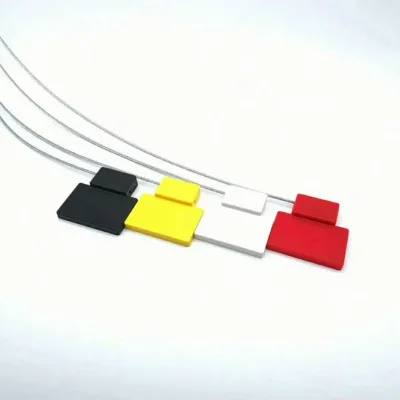
Harsh Environment Outdoor Read Write Logistic Tracking Disposable UHF Seal Tag
$0.89 - $1.99
MOQ: 100 pieces
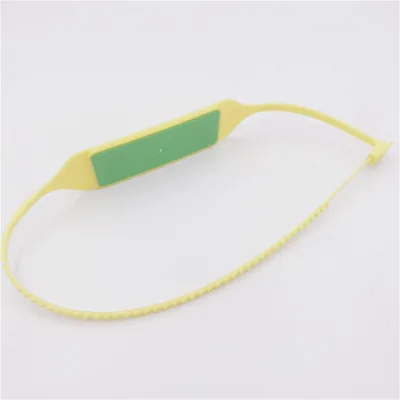
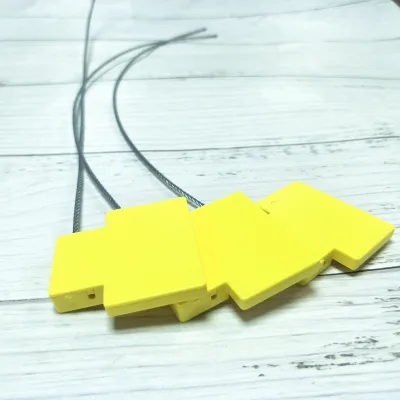
Harsh Environment Outdoor Use Custom logo Printing Uhf Rfid Cable Tie Tags
$0.89 - $1.99
MOQ: 100 pieces
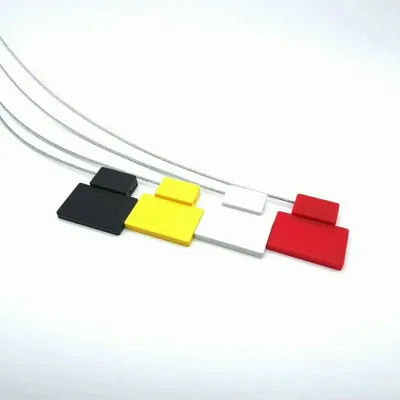
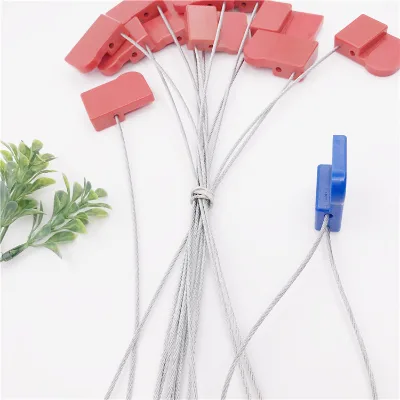
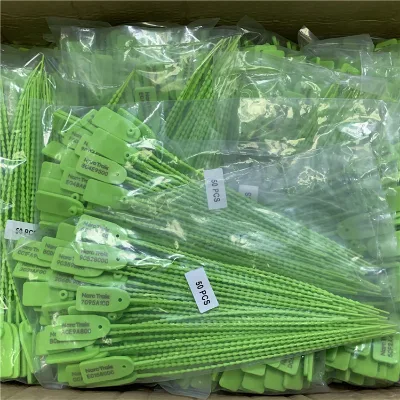
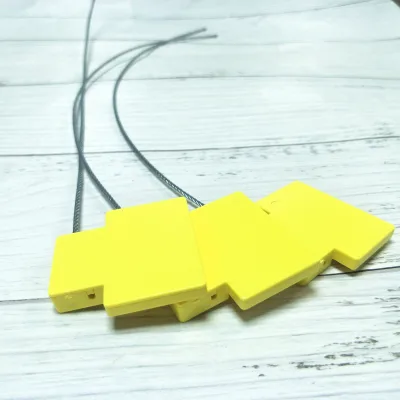
Harsh Environment Outdoor Use Custom logo Printing Uhf Rfid Cable Tie Tags
$0.9174 - $2.0491
MOQ: 100 pieces


Waterproof Plastic Traceability UHF RFID ABS Seal Tag Zip Cable Label Tag
$0.15 - $0.30
MOQ: 1000 Pieces


High quality Plastic RFID Seal Tags 900 MHz UHF RFID Reusable Cable Tie Tag
$0.15 - $0.30
MOQ: 1000 Pieces

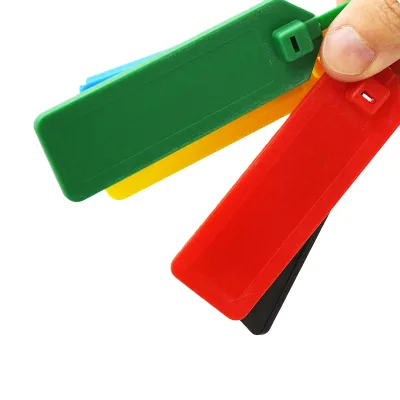

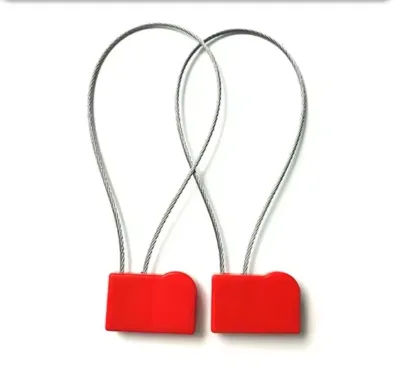
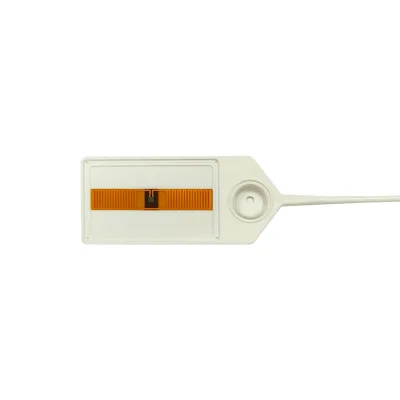
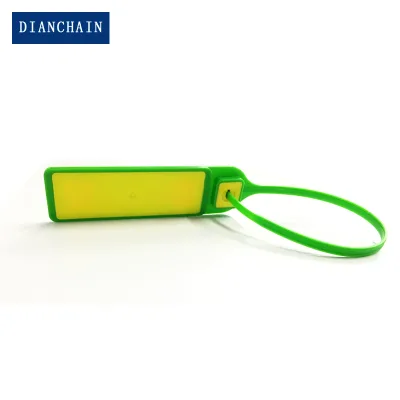


Disposable Plastic Seal Security Indicator Serial Numbered Sealing Tag
$0.0295 - $0.032
MOQ: 2000 Pieces


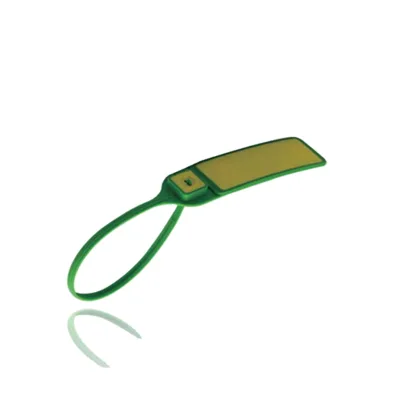
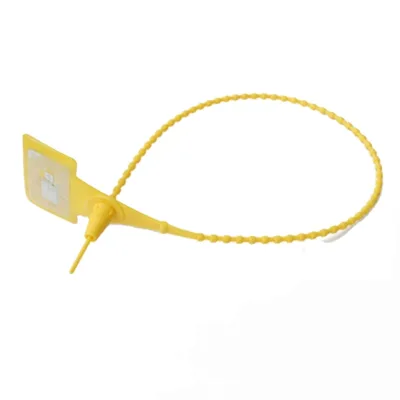
One-use Programmable Label 13.56MHz Plastic Rfid Seal Tag for Tracking
$0.0821 - $0.2578
MOQ: 100 Minimum
Comprehensive Sourcing Guide
Waterproof Disposable UHF Seal Tag Sourcing Guide
Procuring waterproof disposable UHF seal tags requires a careful balance between physical durability and electronic reliability, particularly for supply chain visibility and asset tracking. These tags are engineered to withstand harsh environmental conditions while providing secure, tamper-evident attachment to goods. Buyers must prioritize suppliers who demonstrate consistent performance in both the mechanical integrity of the seal and the RF performance of the embedded chip. The disposable nature of these tags implies a single-use lifecycle, meaning the cost-per-unit must be optimized without compromising the read range or data integrity required for automated scanning systems.
The market offers a variety of form factors, including cable ties, rigid plastic housings, and PVC cards, each suited for different attachment needs. Understanding the specific operational environment is critical, as tags must resist moisture, temperature fluctuations, and physical stress during transit. Buyers should evaluate the material composition, such as ABS, nylon, or PVC, to ensure compatibility with the items being tagged. Additionally, the choice between passive UHF and other frequencies like 13.56 MHz NFC depends on the required reading distance and the existing infrastructure of the warehouse or retail environment.
Product Scope and Observed Listing Signals
The observed product landscape includes diverse RFID solutions ranging from cable tie tags to rigid security cards, indicating a broad scope of potential applications. Listings show chips such as the NFC TAG213 and F08, operating at frequencies like 13.56 MHz and 860-960 MHz, which suggests versatility in protocol support. Some products are explicitly designed for access control or gift card applications, while others feature self-locking mechanisms for luggage or electronic products. This variety highlights the need for buyers to clearly define their specific use case, whether it involves high-volume logistics tagging or secure asset identification in controlled environments.
Observed specifications reveal significant variation in physical dimensions and environmental ratings, with some tags rated for temperatures as low as -40°C and others up to 100°C. Materials cited include ABS+nylon, PVC, and PP, often combined with steel wires for added security. The presence of certifications like CE, ISO, RoHS, and CCC in some listings provides a baseline for quality assurance, though buyers must verify these for each specific SKU. The reading distances vary from 0-3 cm for close-proximity NFC tags to 0-10 cm or more for UHF variants, directly impacting the choice of reader hardware and installation methodology.
Technical Specifications to Verify
Buyers must rigorously verify the chip type and memory capacity to ensure compatibility with their existing RFID infrastructure. For instance, tags utilizing the ISO14443A protocol are suitable for close-range applications like access control, while those supporting ISO18000-6C are better suited for longer-range UHF scanning. The memory size, such as 1K Byte, determines how much data can be stored locally, which is crucial for applications requiring unique serialization or batch information. It is essential to confirm whether the chip supports read/write operations and to check the endurance ratings, such as write cycles of 100,000 times and a storage life of 10 years, to ensure long-term data integrity.
Physical durability and environmental resistance are equally critical technical parameters that require verification. Tags intended for outdoor use or harsh industrial environments must demonstrate waterproof and weatherproof capabilities, often achieved through specific material choices like ABS+steel wire or sealed PVC housings. The working temperature range should be confirmed against the operational conditions of the supply chain, with some tags rated for -30°C to 75°C or wider extremes. Additionally, the mechanical design, such as self-locking features or tamper-proof structures, must be evaluated to prevent unauthorized removal or replacement of the tag during transit.
Compliance and Safety Documentation
Ensuring that RFID tags meet international safety and environmental standards is a non-negotiable aspect of responsible procurement. Certifications such as CE, ISO, RoHS, and CCC indicate that the products have undergone testing for electrical safety, electromagnetic compatibility, and restricted hazardous substances. Buyers should request valid certification documents from suppliers to verify that the materials used, such as ABS, nylon, or PVC, comply with regional regulations, particularly if the tags are used in consumer-facing applications or exported to strict markets. These certifications also serve as a proxy for the manufacturer’s commitment to quality management systems and consistent production standards.
Beyond regulatory compliance, buyers should inquire about the ethical sourcing of materials and the environmental impact of disposable tags. While many tags are designed for single-use, understanding the recyclability of the materials can help companies meet their sustainability goals. Some suppliers may offer eco-friendly alternatives or take-back programs for used tags. Additionally, verifying that the manufacturing process adheres to labor standards and safety protocols is important for maintaining a responsible supply chain. Buyers should include clauses in their contracts that require suppliers to maintain these certifications and provide updates if standards change.
Cost Drivers and Commercial Terms
The cost of waterproof disposable UHF seal tags is influenced by several factors, including the chip type, material composition, and order volume. Chips with higher memory capacities or specialized protocols typically command a premium, while basic NFC tags may be more cost-effective for simple identification tasks. Material choices also play a significant role, with ABS+nylon or steel-reinforced tags being more expensive than simple PP or PVC options due to enhanced durability and security features. Buyers should analyze the total cost of ownership, considering not just the unit price but also the efficiency gains from reliable read rates and reduced manual handling.
Commercial terms such as MOQ, lead times, and payment conditions vary widely among suppliers and must be negotiated based on the buyer’s volume requirements. Observed MOQs range from 1 to 10,000 units, offering flexibility for both small-scale pilots and large-scale deployments. Lead times can be affected by customization requests, such as logo printing or specific size requirements, so buyers should plan accordingly to avoid supply chain disruptions. It is advisable to request detailed quotations that break down costs for tooling, customization, and shipping, ensuring transparency and allowing for accurate budgeting and comparison across different suppliers.
Supplier Qualification and Quality Control
Selecting a reliable supplier involves assessing their manufacturing capabilities, quality control processes, and track record in the RFID industry. Buyers should verify that the supplier has experience in producing waterproof and tamper-proof tags, as this requires specialized molding and embedding techniques. Requesting samples for rigorous testing is essential to evaluate the physical durability, read range, and data integrity under real-world conditions. Suppliers who offer customization services, such as logo printing or custom sizes, should be evaluated on their ability to maintain consistent quality across different product variants.
Quality control measures should include routine testing of RF performance, mechanical strength, and environmental resistance. Buyers should inquire about the supplier’s testing protocols, such as drop tests, waterproof immersion tests, and temperature cycling, to ensure that the tags meet the specified standards. Additionally, verifying the supplier’s ability to provide traceability for each batch of tags can help in identifying and resolving any quality issues quickly. Establishing a clear communication channel for feedback and continuous improvement is also crucial for maintaining a long-term partnership and ensuring that the tags consistently meet the buyer’s operational requirements.
Long-Term Procurement Checks
Long-term success in sourcing RFID tags requires ongoing monitoring of supplier performance and market trends. Buyers should regularly review key performance indicators such as on-time delivery, defect rates, and customer support responsiveness to ensure that the supplier continues to meet expectations. As technology evolves, staying informed about new chip developments and protocol updates can help buyers future-proof their procurement strategies. Engaging in periodic reviews with suppliers can also provide opportunities to negotiate better terms, explore new product offerings, and address any emerging challenges in the supply chain.
Additionally, buyers should consider the scalability of their RFID solution as their operations grow. This includes evaluating the compatibility of the tags with expanding reader networks and software systems. Regular audits of the tag inventory and usage patterns can help identify inefficiencies and opportunities for optimization. By maintaining a proactive approach to supplier management and technology adoption, buyers can ensure that their waterproof disposable UHF seal tags continue to deliver value and support their operational goals over the long term.
FAQs
What chip options are available for waterproof disposable uhf seal tags?
Available chip options include the NFC TAG213 and the F08 chip. These chips support passive operation and are compatible with protocols such as ISO14443A and ISO18000-6C. The tags offer a reading distance of up to 10 cm and feature write cycles of 100,000 times with a 10-year storage life. This ensures reliable data retention for asset tracking and access control applications in various environments.
Can these tags withstand extreme outdoor temperatures?
Yes, the tags are designed for outdoor use with a working temperature range of -40 to 100 degrees Celsius. Some variants operate between -30 and 75 degrees Celsius. Constructed from materials like ABS, nylon, and PVC, they are waterproof and weatherproof. This durability ensures consistent performance in harsh environmental conditions without compromising the integrity of the embedded RFID data or the physical seal.
What certifications do these RFID seal tags hold?
The products hold CE, ISO, RoHS, and CCC certifications. These standards ensure compliance with international safety and environmental regulations. The tags are suitable for global deployment in logistics, security, and access control systems. Buyers can rely on these certifications to meet regulatory requirements in various markets, ensuring that the sourcing process aligns with established quality and safety benchmarks for electronic components.
How customizable are the specifications for these tags?
Customization is available for model numbers, sizes, and branding. Options include specific dimensions like 350x50x28mm or 280x33x23mm, and shapes such as square formats. Buyers can request custom logo printing and tailored material compositions like ABS+steel wire or pure nylon. This flexibility allows for precise integration into existing security infrastructure, ensuring the tags meet specific operational and aesthetic requirements for unique supply chain needs.
What is the typical reading distance for these UHF tags?
The reading distance varies by model, ranging from 0 to 3 cm for NFC variants to 0 to 10 cm for UHF versions. The UHF tags operate at 860-960 MHz, while NFC models use 13.56 MHz. This range supports both close-proximity access control and longer-range inventory scanning. The passive design eliminates the need for internal batteries, making them ideal for disposable or long-term asset tracking applications.