Aluminum Alloy Round EAS Detacher Suppliers and Manufacturers
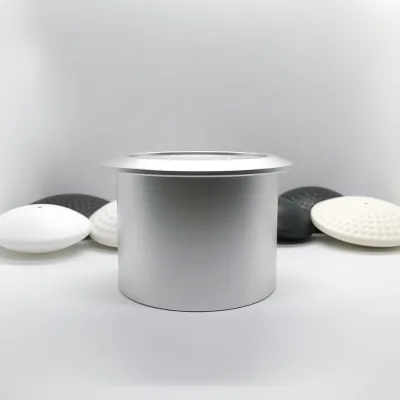
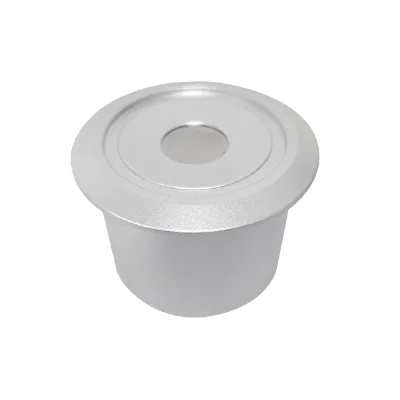
Source 21 verified suppliers for Aluminum Alloy Round EAS Detacher tools. Compare key dimensions including magnetic force, certifications like CE and RoHS, and pricing tiers. Review product specifications and contact manufacturers directly to secure competitive quotes for your retail security needs.
Updated
Suppliers List

Shandong Sanchen Electronic Technology Co., Ltd.
- Verified by CTI
- Combined
- China Shandong
- Lead time15 days
- Avg. response≤ 3h
Main productsEAS System, EAS Tag, Swing Gate, Swing Turnstile, Stainless Steel Guadrail, EAS Accessory
Main marketsDomestic


EAS Tag Remover Detacher Manufacturer Wholesale Product for EAS Systems
$90.00 - $120.00
MOQ: 2 Pieces


Shenzhen Hr-Tenda Technology Co., Ltd
- Verified by SGS
- Combined
- China Guangdong
- Lead time15 days
- Avg. response≤ 12h
Main productsEAS RF/Am System, EAS RF/Am Antenna, EAS RF/Am Board, EAS RF/Am Deactivator, EAS Accessories, RFID System and Accessories, RFID Tag
Main marketsSouth America


15000GS Magnet EAS Detacher EAS Security Magnetic Detacher Retail EAS Remover
$66.00 - $70.00
MOQ: 10 Pieces

EAS Tag Detacher EAS Hard Tag Remover Magnetic Detacher for EAS Security Tag Remover
$2.50 - $3.50
MOQ: 10 Pieces

Changzhou Tinghao Electronic Co., Ltd.
- Trading Company
- China Jiangsu
- Lead time15 days
- Avg. response≤ 1h
Main productsEm Label, Em Deactivator, Em Library System, Am System, Am Dr Label, RF Label, RF System, RFID Label, Em Security Strip, RF Hard Tag
Main marketsSouth America,Africa,Southeast Asia/ Mideast,East Asia(Japan/ South Korea),Europe,Australia,North America
Wenzhou Boshine International Trade Co., Ltd.
- Verified by TüVRheinland
- Manufacturer, Trading Company
- Lead time10 days
- Avg. response≤ 4h
Main productsEAS Antenna, Deactivator, Price Tag, Tag, Anti-theft Accessories
Main marketsSoutheast Asia(40%), Domestic Market(20%), North America(10%)
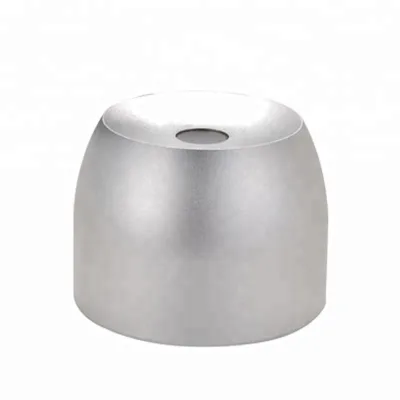
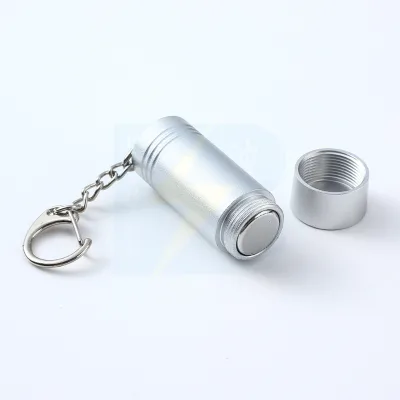
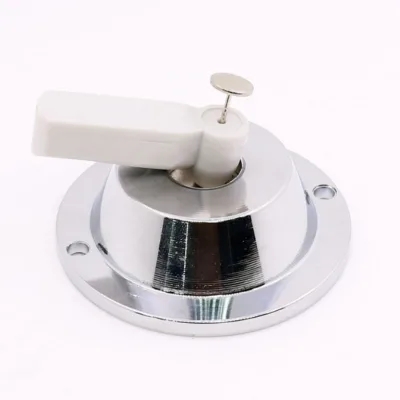
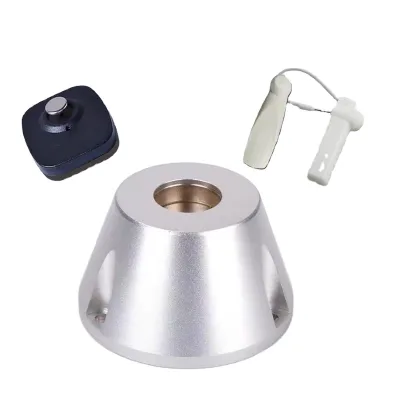
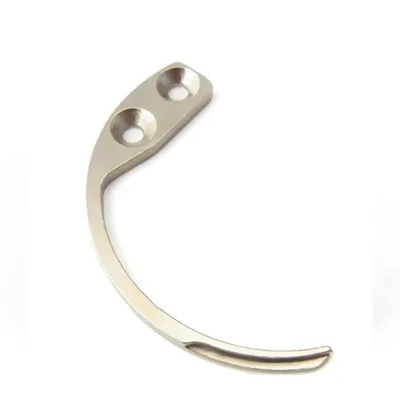
BOSHINE High Quality Device Detach Hook Metal Detacher Hook EAS MINI Tag Remvoer
$0.1037 - $2.0747
MOQ: 1 Minimum
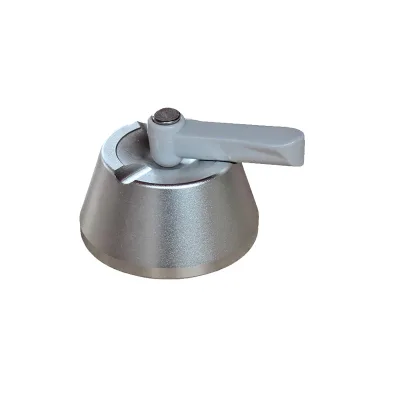

Guangzhou QIDA Material & Technology Co., Ltd
- Verified by TUVRHEINLAND
- Trading Company
- China Guangdong
- Lead time23 days
- Avg. response≤ 12h
Main productsAm Label, EAS Labels, Am Soft Label, EAS Tag, EAS Hard Tag, Am System, Security Label, Security Detacher, Am Antenna, Anti Shoplifting Tags
Main marketsSouth America,Others(foreignTradeCapacity.exportBusinessCapacityMarketOther),Europe,Australia,North America
Shenzhen Holonsha Technology Co., Ltd.
- Manufacturer
- Guangdong, China
- Lead time7 days
- Avg. response≤ 5h
Main productsMainboard,Deactivator,EAS Antenna,EAS label,RFID system
Main marketsNorth America(50.00%), South America(35.00%), Southeast Asia(11.00%), Central America(2.00%), Mid East(2.00%)
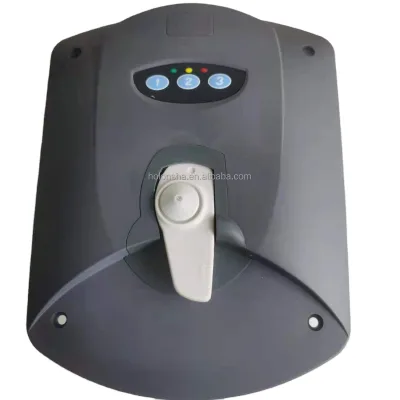
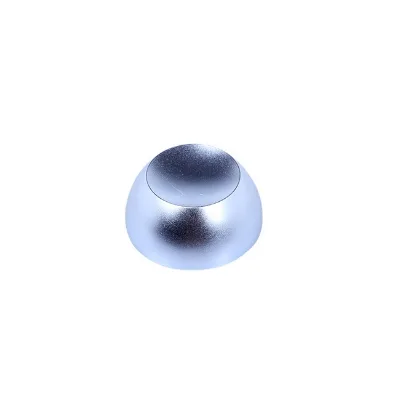
Topsensor Remove Security Alarm Tag Eas Pencil Tag Detacher
$11.00 - $13.00
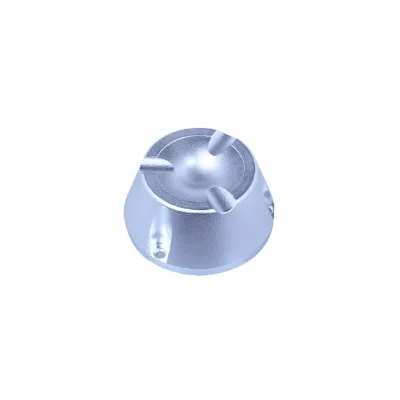
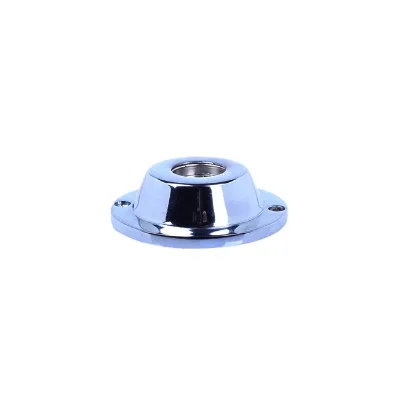
China Factory EAS System 4500GS Retail Anti Theft Tags Eas Detacher Anti Shoplifting Tags Remover
$5.1172 - $6.1403
MOQ: 1 Minimum
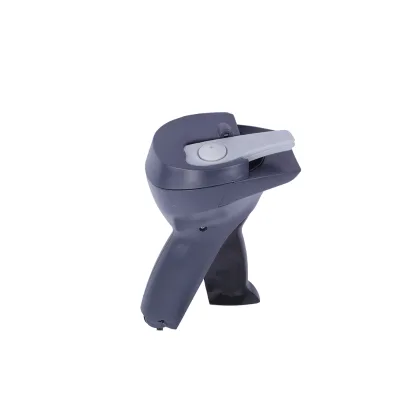
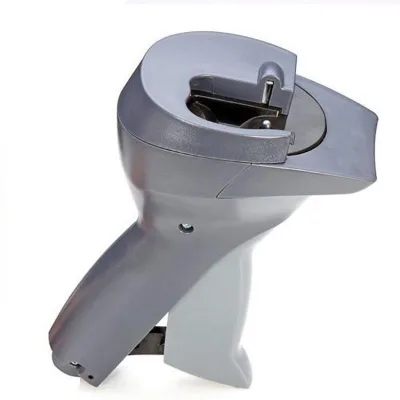
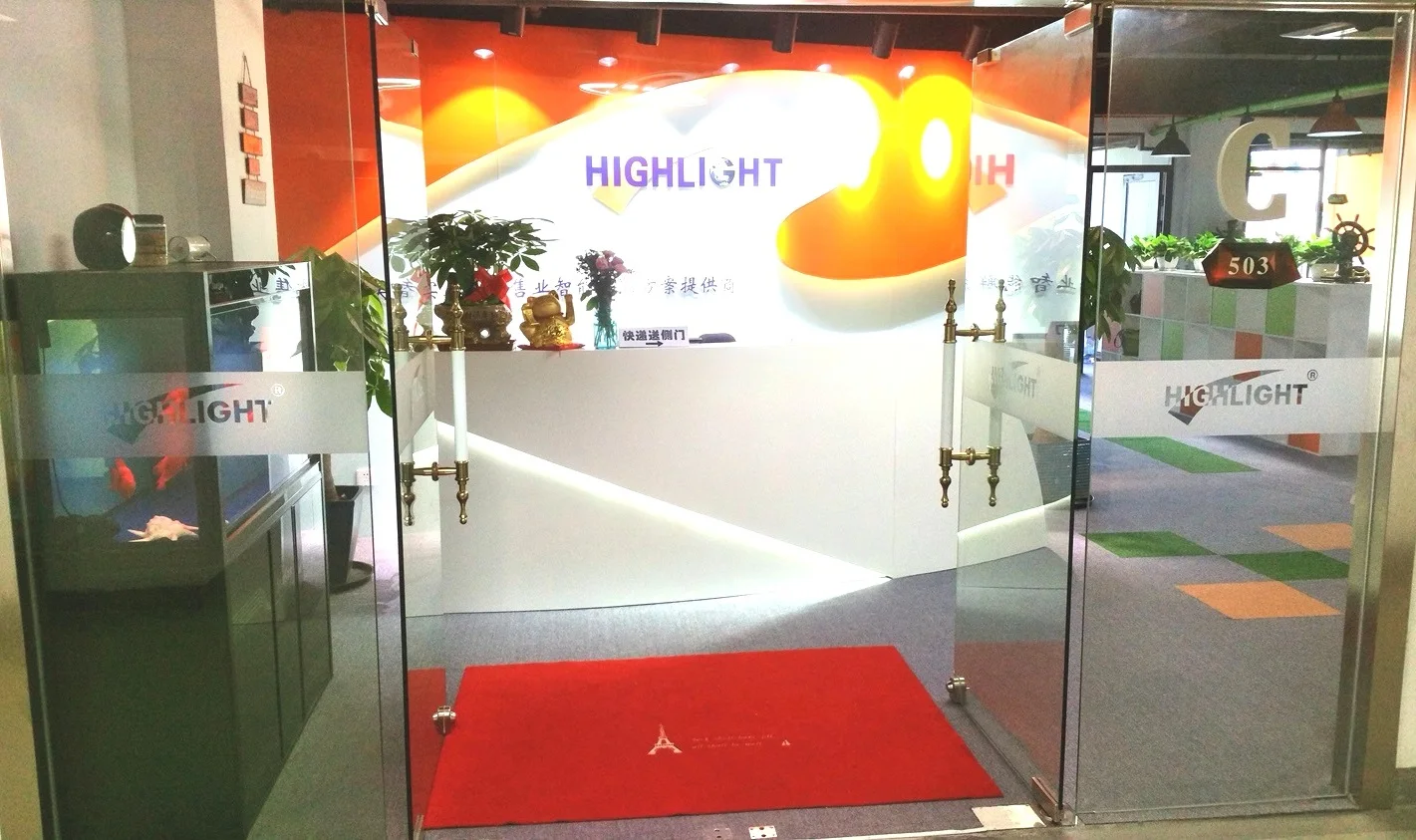
Highlight Manufacturing Corp., Ltd.
- Trading Company
- Shanghai, China
- Lead time7 days
- Avg. response≤ 5h
Main productsElectronic Shelf Label,People Counter,Passenger Counter,EAS Accessories,EAS System
Main marketsWestern Europe(10.00%), Eastern Asia(10.00%), Mid East(10.00%), Eastern Europe(10.00%), South America(10.00%), North America(10.00%), Domestic Market(5.00%), South Asia(5.00%), Southern Europe(5.00%), Northern Europe(5.00%), Central America(5.00%), Oceania(5.00%), Africa(5.00%), Southeast Asia(5.00%)
Taizhou Cahofang Electronic Technology Co., Ltd.
- Trading Company
- Zhejiang, China
- Lead time10 days
- Avg. response≤ 2h
Main productsEAS SYSTEM,EAS TAG,EAS SOFT LABEL,Electronic self sounding anti-theft tag,58Khz
Main marketsMid East(30.00%), North America(10.00%), Southeast Asia(10.00%), Southern Europe(10.00%), South America(5.00%), South Asia(2.00%), Central America(1.00%)

QINGDAO WISE SECURITY TECHNOLOGY CO., LTD.
- Verified by TUVRHEINLAND
- Trading Company,Manufacturer/Factory
- China Shandong
- Lead time15 days
- Avg. response≤ 6h
Main productsRFID Tag, EAS Deactivator, EAS Tag, EAS Ink Tag, EAS Hard Tag, EAS Bottle Tag, EAS Soft Label, EAS Detacher, EAS Pin, EAS Lanyard
Main marketsSouth America,Eastern Europe,Mid East,North America,Southeast Asia,Eastern Asia,Oceania,Western Europe,Africa


$10.00 - $30.00
MOQ: 1 Pieces

Detacher EAS Detacher Super Tag Detacher Hand Detacher for EAS Security Hard Tag Super Tag
$10.00 - $30.00
MOQ: 1 Pieces


Hookei Display (Shanghai) Co., Ltd.
- Verified by Intertek
- Manufacturer, Trading Company
- Lead time15 days
- Avg. response≤ 2h
Main productsData Strip, Shelf Divider, Shelf Pusher, Price Tag Holder, Acrylic Sign Holder
Main marketsNorth America(20%), Western Europe(12%), Domestic Market(12%)

Xuzhou Dragon Guard Industrial Co., Ltd.
- Verified by SGS
- Combined
- China Jiangsu
- Lead time15 days
- Avg. response≤ 7h
Main productssecurity products and solutions
Main marketsAfrica,Southeast Asia/ Mideast,Domestic,Europe,North America


Dragon Guard D001 Manufacturer Wholesale EAS Security Hard Tag Remover Detacher
$4.00 - $8.00
MOQ: 10 Pieces

Shenzhen Jinzongheng Technology Co., Ltd.
- Manufacturer
- Guangdong, China
- Lead time5 days
- Avg. response≤ 1h
Main productsTripod Turnstile,Full Height Turnstile,Swing Barrier Gate,Flap Barrier Gate,Sliding Barrier Gate
Main marketsDomestic Market(50.00%), Southeast Asia(20.00%), North America(5.00%), Southern Europe(5.00%), Northern Europe(5.00%), Western Europe(5.00%), South America(5.00%), Eastern Europe(5.00%)
Nanjing Fenghou Electronics Co., Ltd.
- Verified by Intertek
- Manufacturer, Trading Company
- Lead time3 days
- Avg. response≤ 3h
Main productsEAS System
Main marketsDomestic Market(50%), Southeast Asia(10%), Mid East(10%)

Shanghai Sunray Electronics Co., Ltd.
- Manufacturer/Factory
- China Shanghai
- Lead time23 days
- Avg. response≤ 5h
Main productsPeople Counter, Security System, EAS Hard Tag, Am/RF Label, Bottle Tag, Optical/Glasses Tag, Tag Remover, RF/Am Detector, Ink Tag, Safer Box
Main marketsSouth America,Eastern Europe,Mid East,North America,Southeast Asia,Eastern Asia,Oceania,Western Europe,Africa
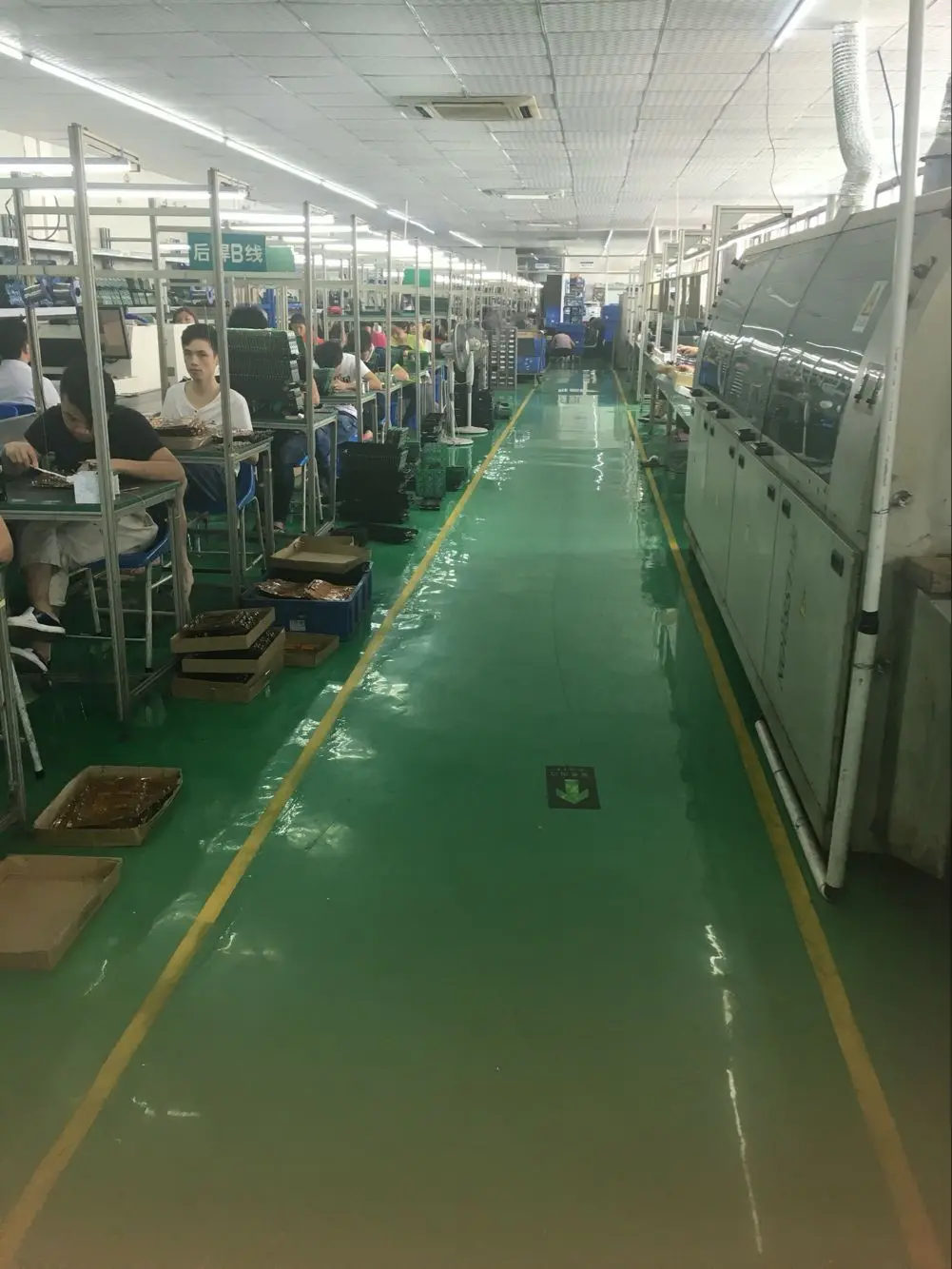
Shenzhen Enguard Digital Co., Ltd.
- Manufacturer, Trading Company
- Guangdong, China
- Lead time7 days
- Avg. response≤ 3h
Main productsEAS System,EAS deactivator,EAS security tag,EAS detacher,EAS stop lock
Main marketsWestern Europe(30.00%), Eastern Asia(24.00%), South America(20.00%), Eastern Europe(9.00%), North America(5.00%), Southeast Asia(3.00%), Mid East(3.00%), Africa(2.00%)
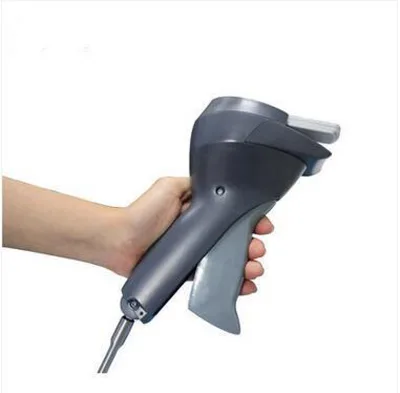
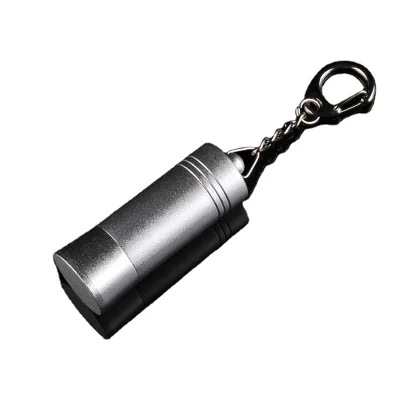
Eas Security Remover Lock Magnet Detacher Security Display Hook Detacher
$3.1024 - $4.136
MOQ: 1 Minimum
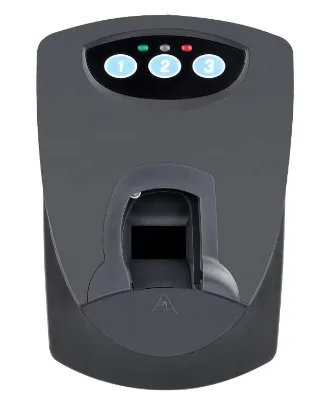
Cheap Price 58Khz Hard Tag Eas Magnetic Electric Detacher for Supermarket and Store Durable Material
$90.00 - $95.00
MOQ: 2 pieces
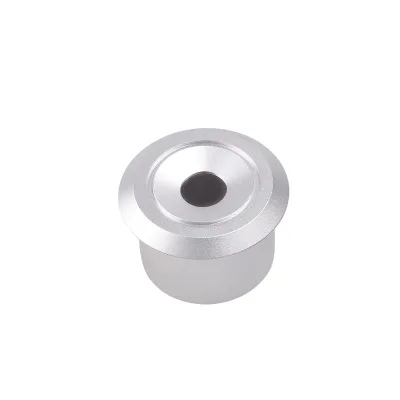
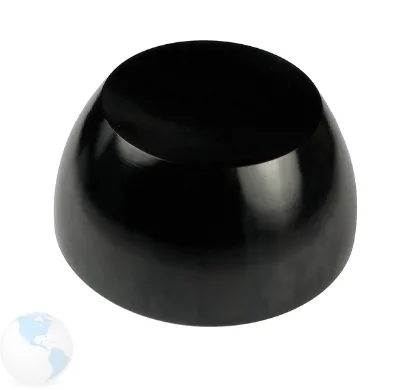
Hot Sale Golf Alarm Magnetic Security Tag Detacher with Powerful Magnetic Force
$8.209 - $15.3905
MOQ: 1 Minimum
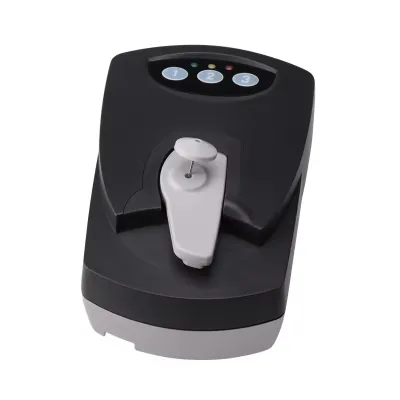
$92.6618 - $97.8089
MOQ: 2 pieces

Wuyi Lanmeng E-Commerce Co., Ltd.
- Trading Company
- Zhejiang, China
- Lead time20 days
- Avg. response≤ 2h
Main productsEAS TAGS,EAS SYSTEMS,PAPER CLIPS,PLASTICE PRODUCTS,STATIONERY
Main marketsWestern Europe(20.00%), Southern Europe(15.00%), Northern Europe(10.00%), Eastern Europe(10.00%), South Asia(8.00%), Southeast Asia(6.00%), North America(6.00%), Africa(5.00%), Oceania(5.00%), Mid East(5.00%), Domestic Market(5.00%), Central America(2.00%), Eastern Asia(2.00%), South America(1.00%)
Suzhou Hui Wei Software Technology Co., Ltd.
- Verified by TüVRheinland
- Manufacturer, Trading Company
- Lead time35 days
- Avg. response≤ 1h
Main productsESL System, POS Systems
Main marketsWestern Europe(30%), North America(20%), South America(10%)

Hangzhou Sciendy Technology Co., Ltd.
- Verified by SGS
- Combined
- China Zhejiang
- Lead time15 days
- Avg. response≤ 13h
Main productsEAS Hard Tag, EAS Tag, RFID Tag, Hard Tag, Spider Tag, EAS Bottle Tag, Scan Tag, RF Label, Glof Tag, Security Seal
Main marketsSouth America,Africa,Southeast Asia/ Mideast,East Asia(Japan/ South Korea),Europe,Australia,North America


EAS Tag Remover Optical Tag Detacher Security Tag Remover Anti Theft Accessory
Negotiable
MOQ: 1 Pieces
Linyi Zhongchen Chuanglian Electronic Technology Co., Ltd.
- Manufacturer, Trading Company
- Shandong, China
- Lead time2 days
- Avg. response≤ 2h
Main productsAM anti-theft system,supermarket forbidden door,EAS,magnetic tags,deactivator
Main marketsDomestic Market(20.00%), North America(10.00%), Northern Europe(10.00%), Eastern Europe(10.00%), Eastern Asia(10.00%), Southern Europe(9.00%), Oceania(5.00%), Central America(5.00%), Western Europe(5.00%), South Asia(5.00%), South America(5.00%), Southeast Asia(3.00%), Mid East(2.00%), Africa(1.00%)
Guangzhou Weidun Anti-Theft Equipment Co., Ltd.
- Manufacturer, Trading Company
- Guangdong, China
- Lead time3 days
- Avg. response≤ 4h
Main productsEAS System,EAS deactivator,EAS security tag,EAS detacher,EAS stop lock
Main marketsMid East(40.00%), South America(20.00%), Domestic Market(10.00%), Northern Europe(10.00%), Western Europe(10.00%), Eastern Asia(10.00%)
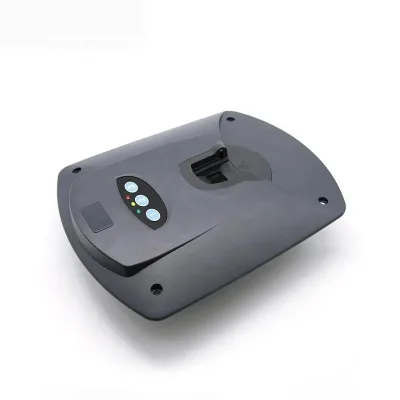
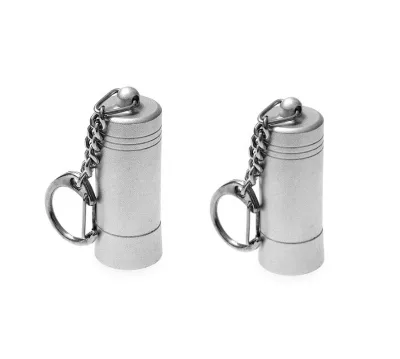
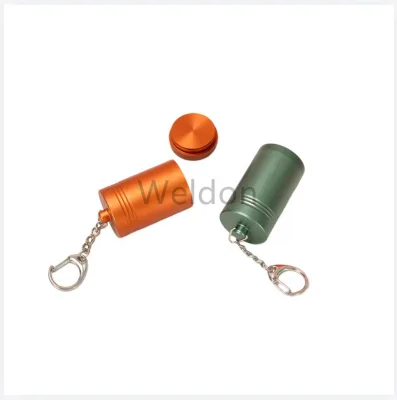
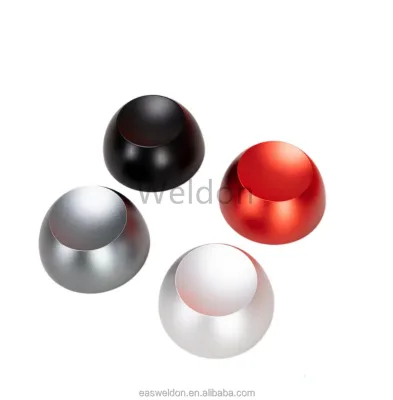
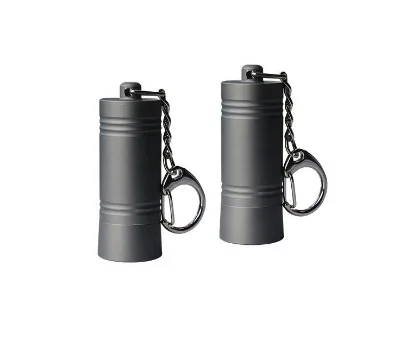
EAS Loss Prevention Super Magnetic Detacher Key Super Lock Detacher for Remove Pin
$8.4143 - $12.3136
MOQ: 1 Minimum
Shenzhen Jianeng Electronic Equipment Co., Ltd.
- Verified by TüVRheinland
- Manufacturer, Trading Company
- Lead time10 days
- Avg. response≤ 2h
Main productsEAS Detection Systems, Automatic Swing Turnstile, Metal Detector, Hard Tags & Detachers, Soft Labels & Deactivators
Main marketsWestern Europe(30%), North America(20%), South America(10%)
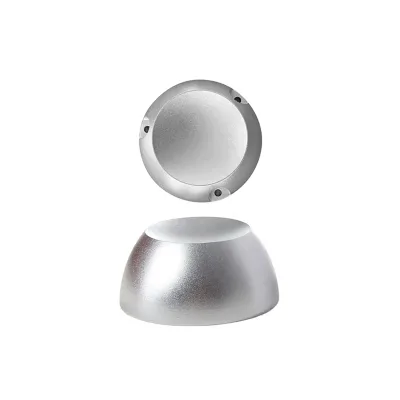
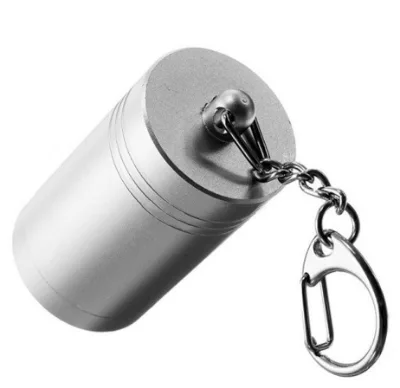
5800Gs EAS Hook Lock Magnetic for Stop Look Security Pin Lock Remover Stop Lock Detacher
$8.1341 - $8.8547
MOQ: 1 pieces
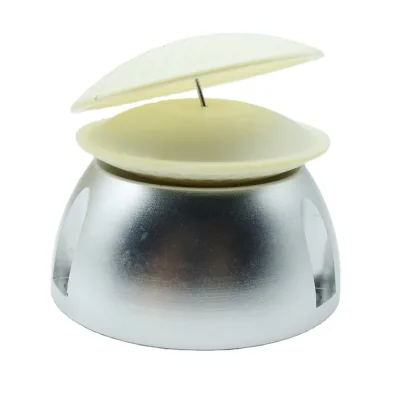
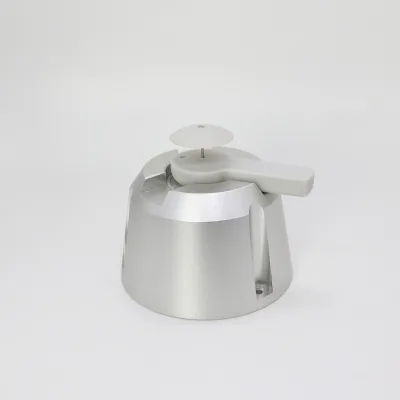
$101.1614 - $142.0359
MOQ: 1 pieces
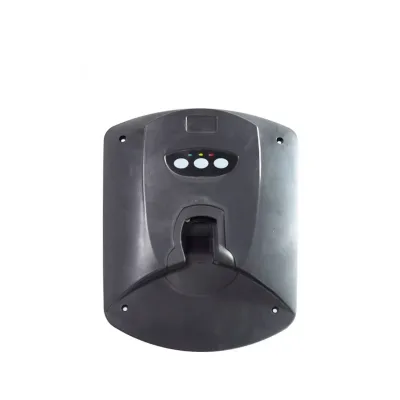
Electric detacher for super tag Hook Security Tag remover for clothing shop antitheft
$125.1849 - $140.9648
MOQ: 1 pieces


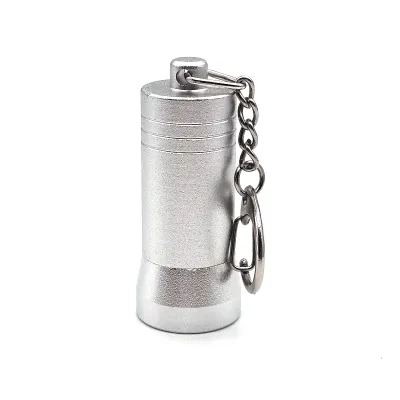
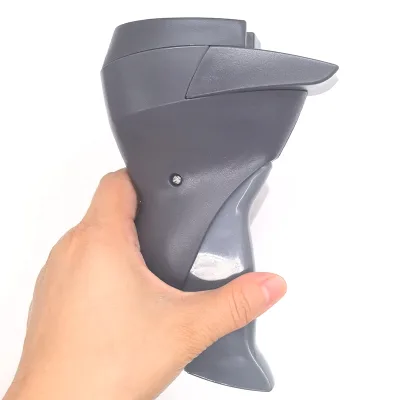
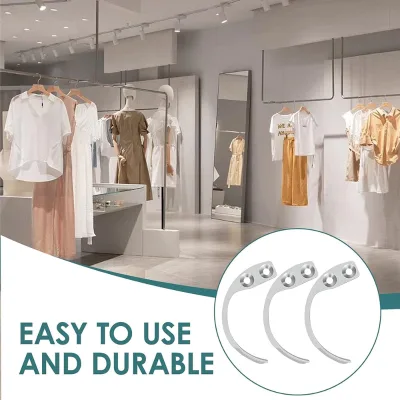
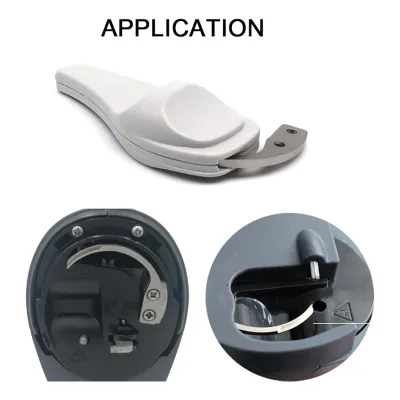
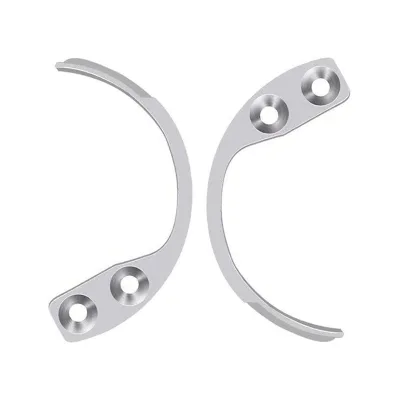
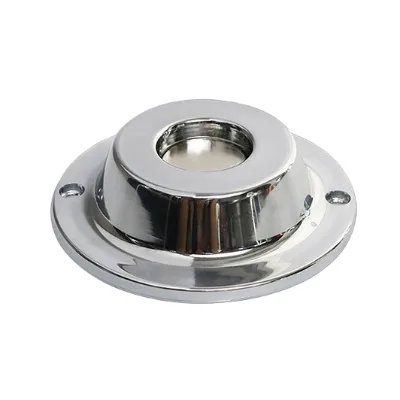
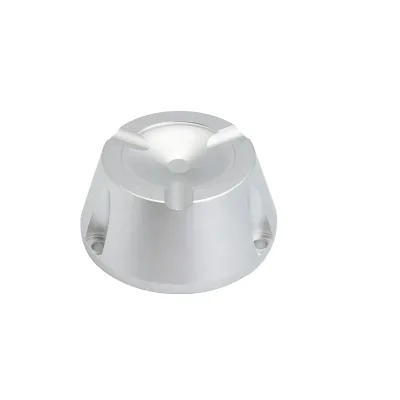
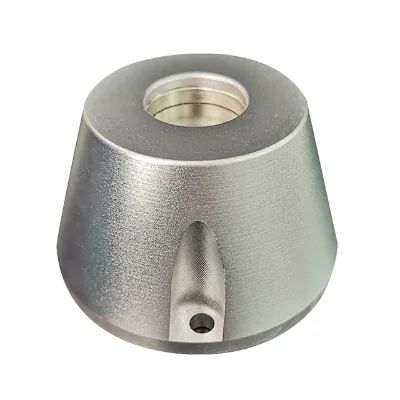


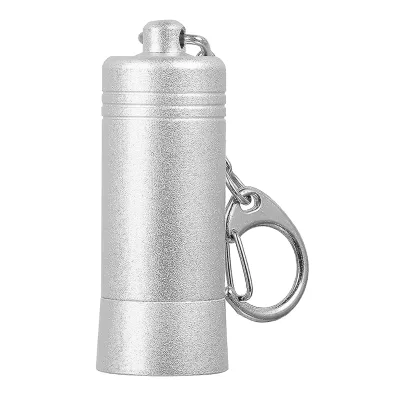
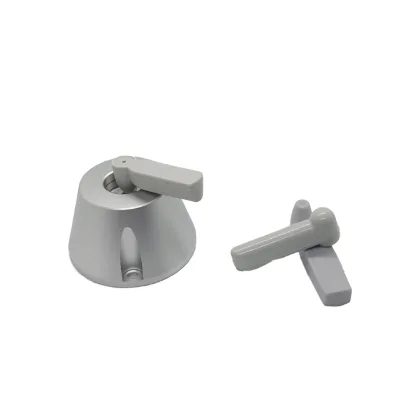
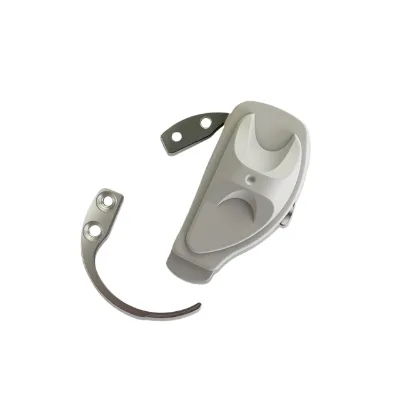
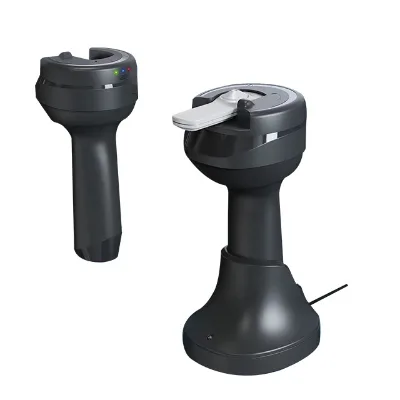
Comprehensive Sourcing Guide
Aluminum Alloy Round EAS Detacher Supplier Concentration and Factory Types
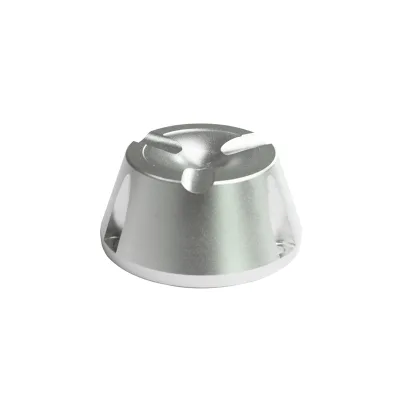
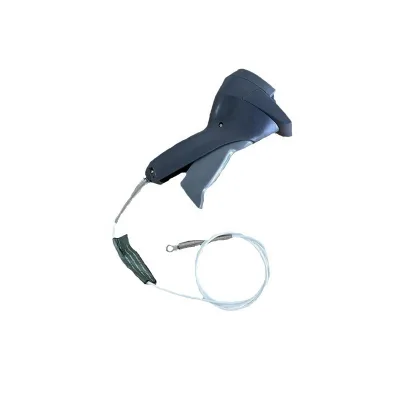
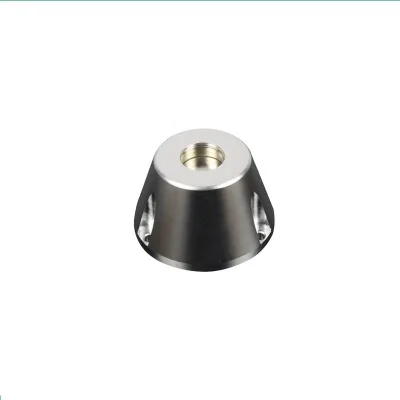
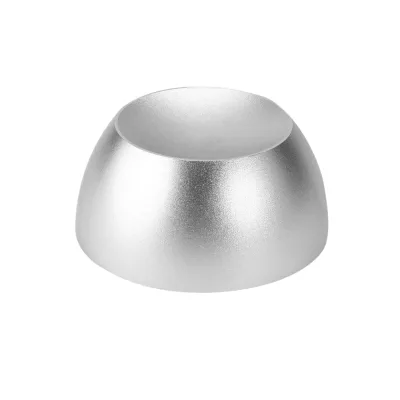
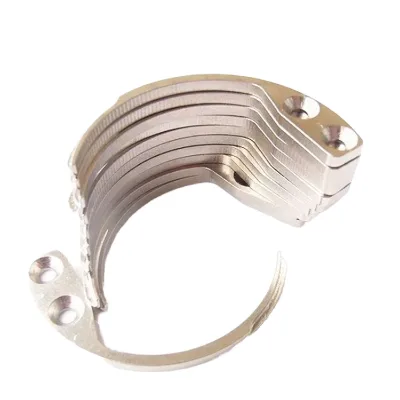
Sourcing for the Aluminum Alloy Round EAS Detacher begins with understanding where the supply base actually sits. Supplier-result data for this category points to two active manufacturing provinces in China: Shandong and Guangdong. Shandong-based companies in these results describe themselves as combined manufacturers and traders whose main products span EAS systems, EAS tags, swing gates, swing turnstiles and related EAS accessories, which suggests they treat detachers as one item within a broader anti-theft portfolio. Guangdong-based companies in the same results list RF/AM antennas, boards, deactivators and RFID accessories, indicating a similar pattern of detachers sitting alongside a wider electronic article surveillance range rather than standing alone as a dedicated product line.
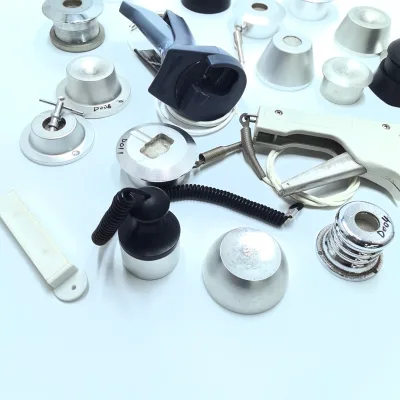
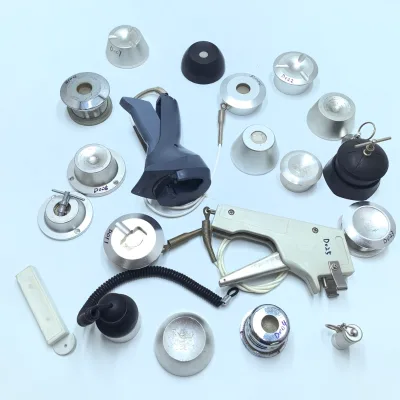
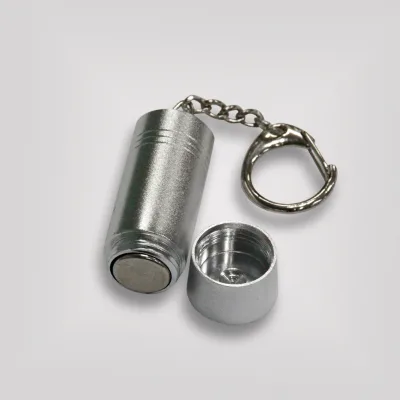
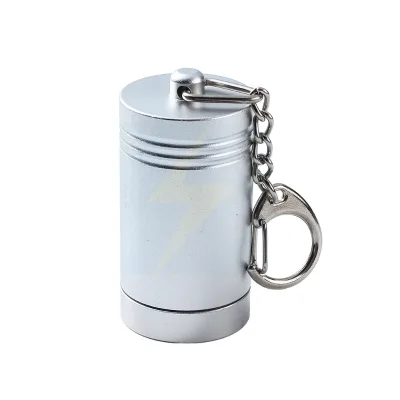
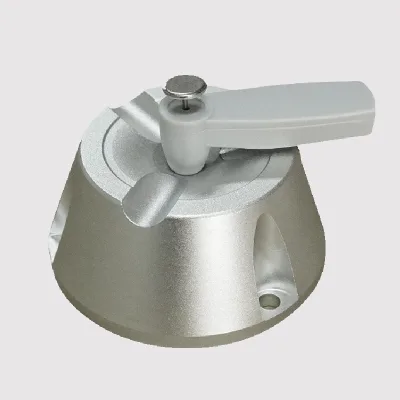
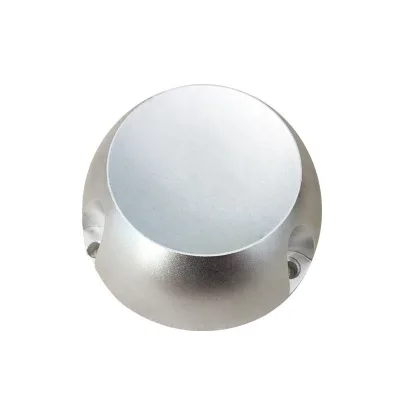
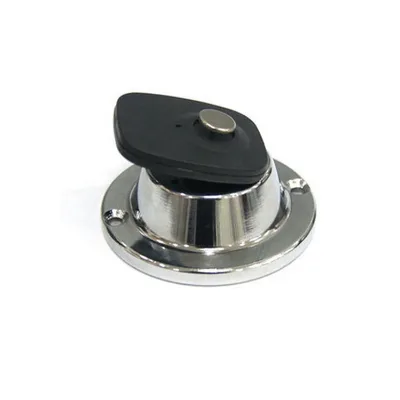
Because no supplier in the current results positions itself as a detacher-only specialist, you should probe how central this SKU is to each candidate's business. Ask what share of production volume the detacher category represents, whether the magnetic assemblies are made in-house or purchased, and which models run continuously versus on demand. The product evidence shows detachers offered under multiple listings with aluminum or aluminum alloy bodies, cone and handheld shapes, and magnetic force ratings from 5000GS up to 15000-18000GS, so factory type also matters: a combined manufacturer-trader may broker some models while manufacturing others. Confirm with each supplier which items are produced at its own facility and request the producing factory's details before committing to tooling or customized branding on any aluminum alloy round model.
How to Verify Aluminum Alloy Round EAS Detacher Suppliers
Verification starts with the credentials displayed in supplier results and continues with checks you run yourself. In the current data, one Shandong supplier carries a CTI verification badge and lists ODM and OEM capability with a stated fifteen-day lead time, while a Guangdong supplier holds an SGS verification badge and reports a system certification field showing no listed certification. Treat these badges as starting signals rather than proof: a third-party verification mark generally means the company's business registration and address were checked, not that every listed product has been laboratory tested. Ask for the actual verification scope and the certificate numbers behind each claim.
For product-level verification, request documentation matched to what the listings state. Several detacher listings in these results declare CE certification, and some add FCC and RoHS, so ask for copies of the CE declaration of conformity or test reports covering electromagnetic and magnetic-field safety for the specific model you intend to buy, at the specific magnetic force rating, since a report for one model does not validate another. Confirm the declared material, aluminum alloy versus aluminum plus magnetic construction, by requesting material certificates or samples for sectioning. Verify the company behind the listing independently: obtain the business license, check the registered scope against EAS product manufacturing, and confirm the declared origin, Shandong or Guangdong in the current data, matches the invoicing entity. Finally, run a paid sample through your own demagnetization test against your hard-tag range before approving the supplier for volume orders.
What to Compare Across Aluminum Alloy Round EAS Detacher Suppliers
Build a comparison matrix from attributes the supplier results actually expose, then fill gaps through direct questions. On location, the current results show Shandong and Guangdong bases, which affects freight routing and factory-visit cost. On responsiveness, the recorded response times differ sharply: one supplier shows roughly two and a half hours while another shows over eleven hours, a gap large enough to shape daily communication during development and order follow-up. On lead time, only one supplier in the current data displays a number, fifteen days, so ask every other candidate to state theirs for your specific quantity rather than assuming parity. On minimum order, displayed MOQs range from a single piece on one listing to units and carton-level multiples on others, which matters if you are testing multiple models.
Beyond these, compare main-product breadth, since a supplier listing EAS tags, antennas and deactivators alongside detachers may offer consolidation, while a narrower list may signal focus. Compare declared customization capability: several listings state OEM support and available customization, and one supplier lists ODM and OEM at company level. Compare certification declarations, magnetic force ratings, material specifications and packaging standards such as pieces per box or carton weights. Do not assume every supplier displays every attribute; where a field is missing, treat it as an open question in your RFQ, and score suppliers only on the dimensions they can evidence in writing.
Common Aluminum Alloy Round EAS Detacher Sourcing Risks
The most frequent risk in this category is magnetic performance that does not match the listing. Current results show detachers advertised at 5000GS, 10000-12000GS, 15000GS and up to 18000GS, and a detacher rated too low will fail to release stronger superlock-style hard tags, creating returns at your own counters. Because magnetic force is difficult to judge by eye, insist on sample-level force verification against the tag types you actually use, and specify the rating and tolerance in your purchase contract. A second risk is certification overstatement: listings declare CE, and some add FCC or RoHS, but a badge on a product page is not a certificate; verify the documents and the testing body.
A third risk is entity mismatch, where the verified company, the quoted price and the producing factory differ, complicating quality claims. The current results include a combined manufacturer-trader in Shandong and trading-capable sellers in Guangdong, so confirm who manufactures and who is liable. Fourth, watch packing and count discrepancies: listings describe 50 pieces per box or per carton with declared carton weights, so weigh received cartons against specifications on arrival. Fifth, hidden costs arise when MOQ seems low but customization or branding is charged separately despite customization being listed as available. Finally, response-time gaps shown in the data can foreshadow slow after-sales handling; agree on response commitments in the contract rather than relying on pre-sale behavior.
Aluminum Alloy Round EAS Detacher Regional Sourcing and Logistics
The evidence for this category supports two regional lanes, each with practical implications. Shandong-origin listings declare origins within the province and describe a combined manufacturing and trading operation covering EAS systems and accessories, with one supplier quoting a fifteen-day lead time and supporting ODM and OEM work. Guangdong-origin listings declare Shenzhen and broader Guangdong origins and cover RF/AM system components and RFID accessories alongside detachers, with one listing showing a very high monthly supply capacity figure in the hundreds of thousands of pieces. Both provinces export actively, but you should confirm the specific port each factory uses and how inland freight to that port is priced before comparing landed costs.
On logistics mechanics, the product itself is compact and non-hazardous for standard freight: listings describe single-piece gross weights around half to one kilogram and carton packings of 50 or 100 pieces weighing roughly 20 to 25 kilograms per carton, which makes both air and sea freight feasible depending on urgency. Round detachers with strong internal magnets may face carrier or destination restrictions on magnetic materials, so ask suppliers how they declare and pack magnetized goods and whether shielding or special labeling is required on your chosen lane. Request dimensional data for the exact carton configuration you order, since pack dimensions listed in results vary by model. Confirm Incoterms, consolidation options if you also buy tags or antennas from the same region, and who handles export customs documentation at each candidate factory.
Aluminum Alloy Round EAS Detacher Commercial Terms and Order Planning
Commercial planning should be built around the numbers suppliers actually publish and the numbers they must still provide. From current results, published unit price ranges for detachers span roughly from the low single digits for a 5000GS model, through mid-teens for 10000-12000GS handheld units, to 90-120 for a high-force 18000GS-class aluminum alloy detacher, with MOQs from one piece to ten or more. Use these as calibration anchors, not commitments: request quotations for your exact model, force rating and quantity, and require the price breakdown between standard and customized versions where customization is offered. Confirm what payment terms each supplier accepts and whether any trade-assurance or escrow-style protection applies to your order, since the current data does not state escrow coverage.
For order planning, sequence a paid sample round across at least two suppliers, test demagnetization performance and detacher durability on your own tags, then place a trial order near the stated MOQ before scaling. The fifteen-day lead time shown by one Shandong supplier gives a benchmark; ask all candidates for production plus transit timelines at your target volume and check whether the reported monthly capacity can absorb your peak. Lock specifications in writing, including material, magnetic rating, color, packaging standard and certification documents to be shipped with goods. Agree inspection rights, defect-resolution terms and spare-unit allowances, and plan reorders against realistic usage rates so a low MOQ does not tempt you into fragmented, inefficient small purchases.
FAQs
What is the price range for aluminum alloy EAS detachers?
Prices for aluminum alloy EAS detachers typically range from $2.50 to $120.00 per unit. The cost varies significantly based on magnetic strength, certification requirements, and order volume. Buyers should verify specific pricing tiers with suppliers to ensure alignment with their budget and quantity needs.
What certifications are available for these detachers?
Common certifications include CE, RoHS, and FCC. Most aluminum alloy models carry CE and RoHS marks, while some higher-end or specific regional models also include FCC certification. Buyers must confirm the exact certification list with the supplier before placing orders to meet local regulatory standards.
What is the minimum order quantity for these tools?
Minimum order quantities generally range from 1 to 10 pieces. Some suppliers accept single-piece orders for sampling, while others require a minimum of 2 or 10 units. Always check the specific MOQ policy with the supplier to avoid unexpected order rejection or additional fees.
Where are these detachers manufactured?
Manufacturing locations are primarily in China, specifically in Shandong and Guangdong provinces. Buyers should verify the exact origin with the supplier, as production sites may vary. Confirming the location helps assess logistics costs and supply chain reliability for international shipments.
Do suppliers offer OEM and ODM services?
Yes, most suppliers support OEM and ODM customization. Buyers can request custom colors, logos, or packaging designs. Verify the customization availability and any associated minimum order requirements directly with the supplier to ensure your specific branding needs are met.
What is the typical lead time for orders?
Typical lead times are around 15 days for standard orders. However, this duration can vary based on order volume and customization requirements. Buyers should confirm the exact production schedule with the supplier to plan their inventory and store deployment effectively.