Source LED Dog Tag for Dogs, Cats, and Small Animals
Compare 30 LED Dog Tag options from verified suppliers in China. Buyers can evaluate features like color, material, and customization for dogs, cats, and small animals with OEM and ODM support available; compare the available evidence and request quotations based on your requirements.
Updated
Key considerations
Products List
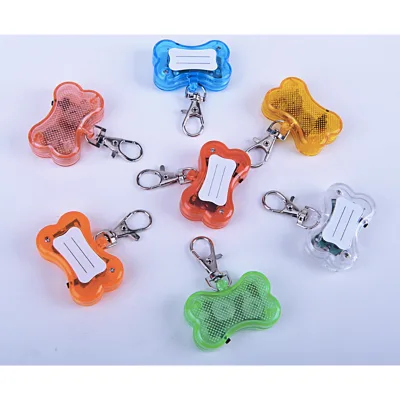

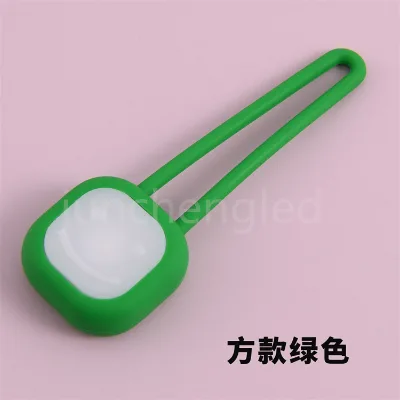
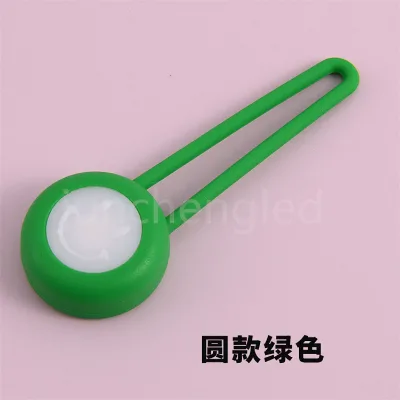
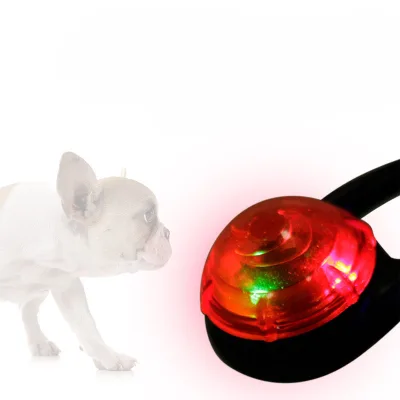
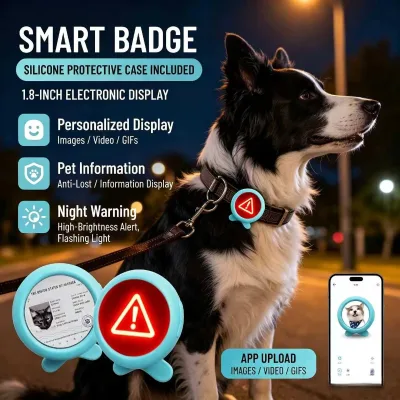
Night Outdoor Pet Led Hanging Pendant Waterproof Led Light Safety Flashing Dog Tag
$1.7059 - $1.8603
MOQ: 10 pieces

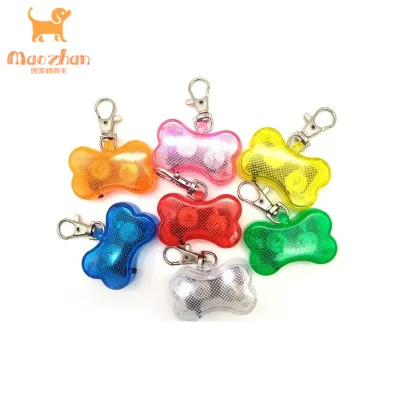
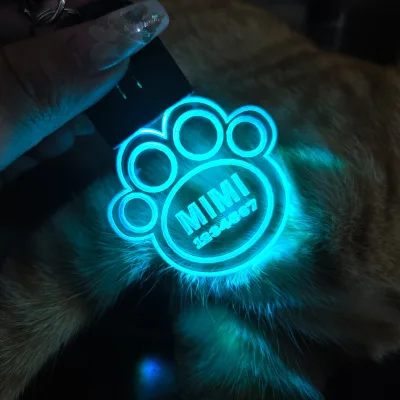
MZ-PL03 Dog Bone Shape Pendant Night Safety Light LED Flashing Pet Led Tag
$0.2578 - $0.5981
MOQ: 10 pieces










Comprehensive Sourcing Guide
LED Dog Tag Sourcing Guide
Sourcing LED dog tags requires balancing visibility needs with pet safety and durability. Buyers must evaluate how light intensity, power source, and material composition interact to ensure the product serves its primary function without causing harm. The market offers various designs, from simple blinking units to more complex programmable tags, each with distinct procurement considerations. Understanding these variables helps buyers select products that align with their specific operational and safety standards.
This guide outlines the critical steps for evaluating LED dog tags, focusing on technical verification, compliance, and supplier reliability. By adhering to structured due diligence, procurement teams can mitigate risks associated with electronic pet accessories. The following sections provide a framework for assessing product scope, technical specifications, and commercial terms, ensuring that sourced items meet both functional requirements and regulatory expectations.
Product Scope and Observed Listing Signals
The observed product landscape includes items categorized under pet collars, leashes, and specific lighting accessories. Listings indicate a variety of materials, including plastic, PVC, silicone, and resin, suggesting diverse manufacturing approaches to durability and comfort. Color options such as blue, yellow, red, and purple are common, allowing for customization based on brand identity or user preference. These variations highlight the importance of verifying material safety and aesthetic consistency during the sourcing process.
Key features frequently highlighted include eco-friendly attributes, stock availability, and OEM/ODM capabilities. Some products are described as chipless, while others utilize built-in batteries or active power supply modes. The presence of customization options and sample availability indicates a flexible supply chain capable of meeting specific buyer requirements. Buyers should carefully review these signals to determine if the product aligns with their sustainability goals and customization needs.
Technical Specifications to Verify
Technical verification begins with power source and control mechanisms. Buyers must confirm whether the device uses a built-in battery, active power supply, or switch control. The presence of a battery included in the package is a critical detail for immediate usability. Additionally, verifying the chip type, whether chipless or integrated, impacts functionality and potential repairability. These technical choices directly influence the product's reliability and maintenance requirements over its lifecycle.
Lighting specifications are equally important for effectiveness. Buyers should verify lamp sizes, luminous flux, and color temperature to ensure adequate visibility. For instance, a soft warm white temperature of 2700K may be preferred for certain environments. The design style, such as modern or oval shapes, also affects how the tag attaches to collars and its overall aesthetic appeal. Confirming these details prevents mismatches between buyer expectations and product performance.
Compliance and Safety Documentation
Compliance verification is paramount for electronic pet accessories. Buyers must ensure that products carry relevant certifications such as CE, ISO, RoHS, and CCC. These certifications indicate adherence to safety, environmental, and quality standards in manufacturing. The absence of such documentation poses significant legal and safety risks, particularly when products are sold in regulated markets. Procurement teams should request valid certificates from suppliers to validate compliance claims.
Material safety is another critical compliance aspect. Given that products may be made from PVC, silicone, or resin, buyers should verify that materials are non-toxic and safe for animal contact. While some listings mention eco-friendly attributes, specific standards like Oeko-Tex should be confirmed rather than assumed. Ensuring that all materials meet safety regulations protects both the end-user and the brand from potential liability issues related to pet health.
Cost Drivers and Commercial Terms
Cost structures for LED dog tags are influenced by material choices, electronic components, and customization levels. The observed price range suggests variability based on these factors. Buyers should analyze how features like adjustable functions, specific lamp sizes, or unique shapes impact pricing. Understanding these drivers helps in negotiating favorable terms and budgeting accurately for large-scale procurement.
Commercial terms such as MOQ, lead times, and packing details also affect total cost of ownership. MOQs can range significantly, requiring buyers to align order quantities with demand forecasts. Sample lead times and delivery dates are crucial for inventory planning. Additionally, packing configurations, such as pieces per carton, influence logistics costs and storage efficiency. Clear communication on these terms prevents unexpected expenses and supply chain disruptions.
Supplier Qualification and Quality Control
Supplier qualification involves assessing manufacturing capabilities and quality control processes. Buyers should verify the supplier's location, with origins in Guangdong or Zhejiang being common for such products. Proximity to manufacturing hubs can impact lead times and communication efficiency. Additionally, evaluating the supplier's ability to provide samples allows for physical inspection of build quality and functionality before committing to large orders.
Quality control measures should include checks for material consistency, electronic performance, and packaging integrity. Buyers must ensure that suppliers have robust processes to maintain product standards across batches. Requesting detailed product specifications and testing reports can provide insight into the supplier's commitment to quality. Establishing clear quality expectations and verification steps helps maintain product reliability and customer satisfaction.
Long-Term Procurement Checks
Long-term procurement success depends on continuous monitoring of product performance and supplier reliability. Buyers should establish feedback loops to track customer satisfaction and product durability over time. Regular audits of supplier compliance and quality control processes ensure that standards are maintained as production scales. This proactive approach helps identify potential issues early and allows for timely corrective actions.
Adapting to market trends and regulatory changes is also essential. As technology evolves, new features or safety standards may emerge, requiring updates to procurement specifications. Buyers should stay informed about industry developments and adjust their sourcing strategies accordingly. By maintaining a flexible and informed procurement process, organizations can ensure that their LED Dog Tag offerings remain competitive and compliant in the long run.
FAQs
What materials are used for led dog tags?
The available led dog tags are manufactured from durable plastic, PVC, silicone, and resin materials. These options provide flexibility for different pet needs, ensuring the tags are lightweight yet sturdy. The use of varied materials allows for diverse design styles, including modern and solid patterns, while maintaining the structural integrity required for active pets.
Can I customize the design of these tags?
Yes, customization is available for these led dog tags through OEM and ODM services. Buyers can request specific designs, colors, or branding to match their requirements. This flexibility supports unique product development, allowing businesses to create distinct offerings. The customization process is supported by the manufacturer's capability to adapt to specific client specifications.
What certifications do these products hold?
These led dog tags hold CE, ISO, RoHS, and CCC certifications. These standards ensure compliance with international safety and quality regulations for electronic and plastic components. The certifications provide assurance regarding the product's environmental safety and electrical performance. Buyers can rely on these documented standards when sourcing products for markets with strict regulatory requirements.
What is the typical lead time for orders?
The sample lead time is typically 5 to 7 days, while the delivery date for bulk orders ranges from 15 to 25 days. This timeline allows for efficient planning and inventory management. The production schedule is structured to accommodate both sample verification and larger volume shipments, ensuring timely delivery for business operations.
What is the minimum order quantity for these tags?
The minimum order quantity ranges from 10 to 5000 pieces depending on the specific product variant. This flexible MOQ accommodates both small trial orders and large bulk purchases. Buyers can select quantities that align with their inventory needs, starting with as few as 10 pieces for sampling or initial testing before committing to larger volumes.
How are these tags powered?
These led dog tags are powered by a built-in battery, ensuring they are active and ready for use. The power supply mode is designed for convenience, eliminating the need for external power sources. This feature supports continuous operation for the LED light source, providing visibility for pets during low-light conditions without requiring frequent battery replacements.