Source Waterproof Electric Interactive Pet Ball for Dogs Cats and Puppies
Explore 30 listings for the Waterproof Electric Interactive Pet Ball designed for dogs, cats, and puppies. Compare features like battery life, charging time, and customization options from verified suppliers in China with delivery times ranging from 7 to 15 days.
Key considerations
Products List


Eco-Friendly Interactive Luminous Dog Toy Ball for Playtime Pet Products
$10.15 - $12.15
MOQ: 100 Pieces


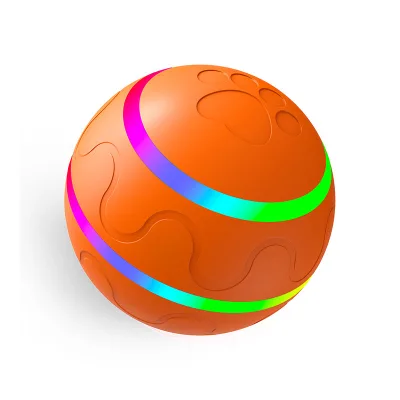


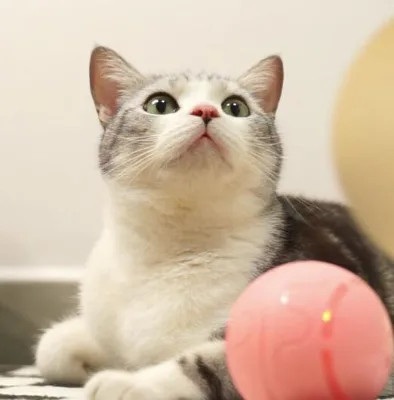


Eco-Friendly Cat Electric Toy Ball Small Animal Pet Toys Dog Ball Toy Lirteng Pet Ball
$2.80 - $3.18
MOQ: 100 Pieces


2025 Hot Sale Electric Smart Cat Balls with Interactive & Movement Speedy
$2.50 - $3.80
MOQ: 200 Pieces


ABS Material Amusing Automatic Intelligent Rolling Ball Durable for Pet Interactive
$7.00 - $12.00
MOQ: 100 Pieces


Comprehensive Sourcing Guide
Strategic Sourcing Guide for Waterproof Electric Interactive Pet Balls
The global demand for interactive pet technology has surged, with waterproof electric interactive pet balls representing a high-growth segment in the consumer electronics and pet supplies markets. For B2B procurement professionals, navigating this category requires a disciplined approach that balances technical verification with supply chain reliability. This guide synthesizes observed market data and standard industry practices to provide a robust framework for sourcing these specific products. The focus remains on objective analysis of product attributes, compliance requirements, and operational logistics without relying on unverified supplier claims or speculative market data.
Technical Specifications and Functional Attributes
When evaluating waterproof electric interactive pet balls, the primary technical differentiator is the integration of power systems within a durable, water-resistant housing. Based on observed product data, these units typically operate on rechargeable battery systems with specific charging and discharge cycles. Buyers should verify that the product specifications explicitly state a charging time of approximately 60 to 90 minutes and a battery life of roughly 60 minutes on a full charge. These metrics are critical for determining the usability of the toy during extended play sessions.
The physical construction often utilizes materials such as E-TPU (Thermoplastic Polyurethane) or high-grade plastics, which offer the necessary elasticity and impact resistance required for active pets. The product standard dimensions observed in the market range from compact 6x6x6 cm units to larger 8x8x8 cm or even 18x18.5 cm variants. This variation allows buyers to segment their inventory based on the size of the target pet demographic, such as small dogs, large dogs, or cats. The color palette is diverse, with common offerings including green, pink, blue, orange, yellow, and gray, which can be leveraged for visual marketing strategies.
A crucial functional attribute is the waterproof rating. While the market data confirms that "Waterproof: Yes" is a standard feature for this category, procurement teams must demand specific IP (Ingress Protection) ratings from suppliers. The observation that these toys are designed for dogs and cats implies they must withstand saliva, rain, and potential submersion in water during fetch games. The charging power is typically standardized at 5V/1A, ensuring compatibility with common USB power sources. Buyers should also note that some models include additional accessories, such as tennis balls or spoons, which may influence the final packaging weight and volume calculations.
Compliance and Certification Verification
In the B2B sector, regulatory compliance is non-negotiable. The supply chain for electric pet toys is heavily regulated due to the presence of batteries and electronic components. Observed product listings frequently cite a range of certifications including CCC, ISO, CE, RoHS, and FCC. These certifications are not merely marketing buzzwords; they represent adherence to specific safety and environmental standards.
The CE marking indicates conformity with health, safety, and environmental protection standards for products sold within the European Economic Area. RoHS compliance ensures that the product does not contain restricted hazardous substances, which is vital for environmental sustainability and consumer safety. The FCC certification is essential for products containing radio frequency components, ensuring they do not interfere with other electronic devices. The CCC mark is a mandatory certification for products sold in China, indicating that the manufacturer meets national quality and safety standards.
Buyers must verify that the specific batch of goods they are purchasing carries the relevant certificates for their target market. Relying on a general statement that a supplier "accepts ODM/OEM" is insufficient if the specific product model lacks the necessary regulatory stamps. The presence of ISO certification suggests a commitment to quality management systems, which often correlates with more consistent manufacturing processes. Procurement teams should request copies of these certificates and cross-reference them with the specific model numbers, such as CXC171088, FK-SPT019, or FK-PDC003, to ensure the documentation matches the physical goods.
Cost Drivers and Pricing Dynamics
The pricing structure for waterproof electric interactive pet balls is influenced by several variable factors, including material costs, battery capacity, and customization requirements. The observed price range in the market spans from $0.11 to $17.50 USD, a wide disparity that reflects differences in product complexity and order volume. Lower-priced items often correspond to basic plastic models with minimal electronic integration or smaller order quantities, while higher-priced units likely feature advanced battery technology, superior materials like E-TPU, and enhanced durability.
The Minimum Order Quantity (MOQ) is a significant cost driver. Market data indicates an MOQ range from 1 to 2000 units. Suppliers offering an MOQ of 5 pieces or even 1 piece are typically catering to sample buyers or small retailers, often at a premium per-unit cost. Conversely, orders approaching the 2000-unit threshold usually unlock significant economies of scale, reducing the unit price. Buyers must calculate the total landed cost, which includes the unit price, shipping, duties, and any customization fees.
Customization is a key variable in pricing. While many suppliers offer "Logo Printing" and "Add Your Logo" services, these are often charged as an additional fee or require a higher MOQ to be cost-effective. The "Customized" attribute is available in many listings, but buyers must distinguish between "Customized" and "Non-Customized" options. Non-customized units, such as those with standard colors like green or pink, generally command a lower price point. Additionally, the packaging type, whether "Carton" or "Box," can impact the overall cost due to material and labor differences.
Typical Applications and Market Segmentation
The application of waterproof electric interactive pet balls extends beyond simple fetch games. These products are designed to engage dogs and cats through interactive play, addressing the need for mental and physical stimulation. The "Interactive" function is a core attribute, suggesting that the ball may move unpredictably, emit sounds, or light up to capture the pet's attention. This functionality makes the product suitable for indoor use, where space is limited, as well as outdoor environments where water resistance is essential.
The target demographic includes owners of small to medium-sized dogs, as well as cat owners looking for automated play solutions. The product's ability to function as a "Chew Funny Dog Pet Toy" highlights its dual purpose as both a plaything and a teething aid. The variety of colors and sizes allows for segmentation by pet breed and owner preference. For instance, the 6x6x6 cm model may be ideal for cats or small breeds, while the 18x18.5 cm variant is better suited for larger dogs.
In a B2B context, these products are often sourced for retail chains, pet specialty stores, and e-commerce platforms. The "Gift" attribute, which may include tennis balls and spoons, suggests that these items are also positioned as premium gift sets. This positioning can influence marketing strategies, allowing buyers to target holiday seasons or special promotions. The versatility of the product, combined with its interactive nature, makes it a strong candidate for inclusion in pet care subscription boxes or bundled pet accessory kits.
Supplier Evaluation and Operational Logistics
Selecting a reliable supplier for electric pet toys requires a rigorous evaluation of their operational capabilities. The observed lead times for delivery range from 7 to 15 days, indicating a relatively agile supply chain. However, buyers must confirm these timelines against their specific order volume and customization needs. A "Delivery Time" of 10-15 days may apply to standard orders, while customized runs could extend this period.
The "Sample" availability is a critical factor in the evaluation process. Suppliers that offer samples allow buyers to verify the quality of the waterproofing, battery life, and build quality before committing to a large order. The "Avaliable" status for samples should be confirmed in writing, along with the associated costs and shipping methods. Furthermore, the "ODM/OEM: Accept" attribute indicates that the supplier is capable of producing private-label goods, which is essential for brands looking to differentiate their offerings.
Buyers should also assess the supplier's location, with "China" being the primary origin for the observed products. This location offers cost advantages but requires careful management of logistics and import regulations. The "prod_packing" method, whether "Carton" or "Box," affects the shipping efficiency and product protection. A standardized packing method like "Carton" is often more efficient for bulk shipping, while "Box" packaging may be preferred for retail-ready units.
Quality Control and Long-Term Procurement Considerations
Ensuring consistent quality is paramount when sourcing electronic pet toys. The "Waterproof" attribute must be validated through rigorous testing, as failures in this area can lead to product recalls and brand damage. Buyers should implement a quality control plan that includes pre-shipment inspections, focusing on the integrity of the charging ports, the durability of the casing, and the performance of the battery. The "Note: Please Fully Charge" instruction highlights the importance of battery management, and suppliers should provide clear guidelines on battery maintenance to ensure longevity.
Long-term procurement considerations involve building a sustainable relationship with suppliers who can scale with demand. The "Customization" and "Logo Printing" capabilities allow for brand evolution, but buyers must ensure that the supplier can maintain quality standards as order volumes increase. The "MOQ" flexibility is a positive indicator, but buyers should negotiate terms that allow for incremental ordering without sacrificing price competitiveness.
Finally, buyers should monitor the product lifecycle and plan for obsolescence. With rapid advancements in battery technology and interactive features, suppliers must be willing to update their product lines. The "prod_model" numbers, such as FK-SPT019 or FK-PDC002, serve as unique identifiers that help track product iterations. By maintaining a clear record of these models and their associated specifications, procurement teams can ensure continuity and avoid supply disruptions.
Comparative Analysis of Product Models
To facilitate decision-making, the following table summarizes key specifications observed across different product models in the market. This comparison highlights the diversity in dimensions, materials, and certifications available to buyers.
| Product Model | Standard Dimension | Material | Color Options | Certification | MOQ | Delivery Time |
|---|---|---|---|---|---|---|
| CXC171088 | 8cm | Plastic | Green/Pink/Blue | CCC, ISO, CE, RoHS | Variable | 10-15 Days |
| FK-SPT019 | 6x6x6cm | E-TPU | Orange/Blue | RoHS, CE, FCC | Variable | 10-15 Days |
| FK-PDC003 | 8x8x8cm | Plastic | Green | CE, RoHS | Variable | 10-15 Days |
| FK-PSPT17 | 18x18.5cm | Plastic | Pink/Blue/Yellow/Green/Orange/Gray | Variable | 5 PCS | 7-15 Days |
This table illustrates that while the core function remains consistent, the physical attributes vary significantly. Buyers should align their selection with the specific needs of their target market, considering factors such as pet size, durability requirements, and aesthetic preferences. The variation in certification and MOQ further underscores the importance of detailed due diligence before finalizing any procurement contract.
FAQs
What certifications do waterproof electric interactive pet balls have?
These products typically hold CCC, ISO, CE, RoHS, and FCC certifications. Buyers must verify that specific batches carry these stamps for their target market, as compliance is non-negotiable for electronic pet toys containing batteries.
How long does the battery last on a full charge?
The battery life is approximately 60 minutes on a full charge. Users should fully charge the device before use, as the charging time typically ranges from 60 to 90 minutes to ensure optimal performance during play sessions.
Which materials are used to construct these interactive pet balls?
Common materials include E-TPU and high-grade plastic for durability. These materials provide the necessary elasticity and impact resistance required for active pets while maintaining the waterproof integrity needed for fetch games in various environments.
Can buyers customize the logo and packaging for these toys?
Yes, logo printing and customization are available for most models. However, non-customized options exist, and buyers should note that customization often requires a higher minimum order quantity to be cost-effective compared to standard stock items.
What is the typical delivery time for these products?
The delivery time ranges from 7 to 15 days depending on the order. Standard orders usually take 10 to 15 days, while customized runs or larger volumes may require additional time to ensure quality control and production scheduling.
Which dimensions are available for these waterproof pet balls?
Standard dimensions vary from 6x6x6 cm to 18x18.5 cm. Buyers should select sizes based on the target pet demographic, as smaller units suit cats or small dogs while larger variants are better for bigger breeds.
How much does it cost to order these interactive balls?
Prices range from 0.11 to 17.5 USD per unit based on complexity and volume. Lower costs often apply to basic plastic models or small orders, while advanced features and bulk quantities significantly influence the final unit price.