Source Waterproof Knitted Corduroy Fabric for Garments, Bags, and Shoes
Explore 30 listings of Waterproof Knitted Corduroy Fabric suitable for garments, bags, and shoes. Buyers can compare specifications like material composition, weight, and width to find the right option for their projects; compare the available evidence and request quotations based on your requirements.
Key considerations
Products List


Hot Selling Polyester Corduroy Fabric Good Stretch Corduroy Fabric for Pants
$1.30 - $2.20
MOQ: 3000 Meters

High Quality Cotton Polyester Corduroy Fabric Knitted Fabric for Pants for Jackets
$1.30 - $2.20
MOQ: 3000 Meters


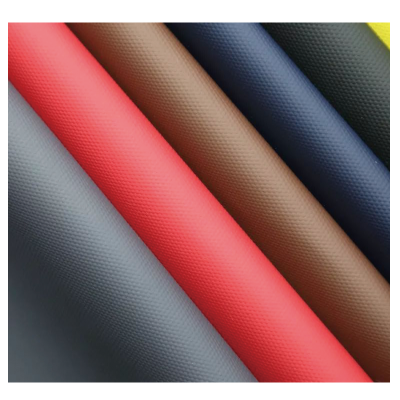


Comprehensive Sourcing Guide
Waterproof Knitted Corduroy Fabric Sourcing Guide
Sourcing Waterproof Knitted Corduroy Fabric requires a nuanced understanding of material science and textile engineering, as this specific combination presents unique technical challenges. Traditional corduroy is typically woven, but the observed market data indicates a growing segment of knitted variants that offer superior stretch and comfort while maintaining the distinctive ribbed texture. Buyers must carefully distinguish between genuine knitted constructions and woven fabrics that merely mimic the appearance, as the performance characteristics, particularly regarding elasticity and drape, differ significantly. The presence of synthetic fibers such as polyester and spandex blends in the observed listings suggests that modern solutions often rely on engineered yarns to achieve both the aesthetic of corduroy and the functional requirement of water resistance.
Procurement teams should approach this category with a focus on verifying the actual construction method and finish application. The observed product attributes highlight a "Knitted" technics classification alongside a "Waterproof" function, which implies a specialized finishing process rather than a natural fiber property. This distinction is critical for quality assurance, as waterproofing on knitted structures can affect breathability and hand feel. Buyers need to ensure that the supplier’s definition of "waterproof" aligns with their specific end-use requirements, whether that involves light rain resistance or full impermeability. Understanding these technical nuances helps in selecting the right material for applications ranging from outerwear to home textiles, ensuring that the final product meets both aesthetic and functional expectations.
Product Scope and Observed Listing Signals
The current market landscape for Waterproof Knitted Corduroy Fabric reveals a diverse range of product offerings, with observed listings indicating a price range from 0.2 to 13 USD and minimum order quantities varying from 1 to 10,000 units. This wide variance suggests that buyers can find options suitable for both small-scale prototyping and large-volume production runs. The observed product models, such as PCORD18W and Corduroy Fabric, indicate that suppliers are categorizing these items under specific internal codes, which may correspond to different weights, widths, or finish types. Buyers should pay close attention to the weight specifications, which range from 200-320G/M2, as this directly impacts the fabric’s suitability for different garment types, from lightweight dresses to heavier outerwear.
Additionally, the observed attributes highlight a strong emphasis on customization and variety. Many listings offer customized colors and specific packing options like rolls or bales, catering to the diverse needs of fashion brands and home textile manufacturers. The presence of "Free Sample" offers in several listings provides a low-risk opportunity for buyers to evaluate the fabric’s quality, texture, and waterproof performance before committing to a larger order. However, buyers should be aware that while samples are free, freight costs are often collected, which should be factored into the initial sourcing budget. The availability of synthetic fiber fabrics, including those with hollow filament cross-sections, suggests that suppliers are leveraging advanced material technologies to enhance performance characteristics such as insulation and moisture management.
Technical Specifications to Verify
When evaluating Waterproof Knitted Corduroy Fabric, buyers must prioritize the verification of material composition and construction details. The observed data includes a mix of 100% Cotton, Cotton/Spandex blends, and 96% Polyester/4% Spandex compositions, each offering different benefits in terms of comfort, durability, and water resistance. It is essential to confirm the exact fiber content, as synthetic blends often provide better waterproofing capabilities and easier care, while cotton blends may offer superior breathability and a natural hand feel. Buyers should also verify the yarn type, such as carded yarn, which can influence the fabric’s texture and surface uniformity, ensuring that the final product meets the desired aesthetic standards.
Furthermore, the width and thickness specifications are critical for pattern making and cost estimation. The observed width of 57/58" is a standard industry measurement, but buyers should confirm if this is consistent across all batches, as variations can lead to material waste during cutting. The mediumweight classification and specific GSM ranges should be cross-referenced with the intended application to ensure adequate durability and drape. Additionally, the "Medium Strength" physical feature and "Ripstop" advantages observed in some listings indicate enhanced durability, which is crucial for garments subjected to frequent wear and tear. Buyers should request detailed technical sheets that outline these specifications to avoid discrepancies between the sample and the bulk production.
Compliance and Safety Documentation
Ensuring that the Waterproof Knitted Corduroy Fabric meets relevant safety and quality standards is a paramount concern for any procurement team. The observed listings mention standards such as CE, SGS, and the American 4 points system, which provide a baseline for quality assurance. However, buyers must verify that these certifications are current and applicable to the specific product type and destination market. For instance, the American 4 points system is a widely accepted method for evaluating fabric defects, but it may not cover all safety requirements, such as flammability or chemical restrictions, depending on the end-use. Buyers should request valid test reports from accredited laboratories to confirm that the fabric complies with local regulations, particularly regarding restricted substances and colorfastness.
Moreover, the "Wash and Wear" and "Machine Washable" functions observed in some listings suggest that the fabric has undergone specific finishing processes to maintain its integrity after laundering. Buyers should verify that these claims are supported by independent test results, as improper waterproofing can degrade over time, leading to customer dissatisfaction. It is also important to check for any additional certifications related to environmental sustainability, such as OEKO-TEX, if the brand has specific eco-friendly commitments. By thoroughly reviewing the compliance documentation, buyers can mitigate the risk of regulatory non-compliance and ensure that the final product meets both safety and performance expectations.
Cost Drivers and Commercial Terms
The cost of Waterproof Knitted Corduroy Fabric is influenced by several key factors, including material composition, finishing processes, and order volume. The observed price range of 0.2 to 13 USD reflects the diversity in quality and specifications, with higher prices typically associated with premium materials, complex finishes, or smaller order quantities. Buyers should analyze the cost structure to understand how factors like spandex content or specialized waterproofing treatments impact the final price. Additionally, the observed minimum order quantities, ranging from 1 to 10,000 units, offer flexibility for buyers with varying production needs, but larger orders may yield better unit prices due to economies of scale.
Commercial terms also play a significant role in the overall procurement cost. The observed payment terms, such as TT (30% Deposit) and LC, indicate standard industry practices that help manage cash flow and risk for both buyers and suppliers. Buyers should negotiate clear delivery times, which are observed to be around 15-25 days, to ensure that production schedules are met without incurring rush fees. It is also important to clarify any additional costs, such as freight for free samples or custom packaging fees, to avoid unexpected expenses. By understanding these cost drivers and commercial terms, buyers can make informed decisions that balance quality, cost, and delivery requirements.
Supplier Qualification and Quality Control
Selecting a reliable supplier for Waterproof Knitted Corduroy Fabric requires a rigorous qualification process to ensure consistent quality and service. Buyers should verify the supplier’s production capabilities, including their expertise in knitted fabric manufacturing and waterproof finishing techniques. The observed product origins, primarily from China and Fujian, indicate established textile hubs with advanced manufacturing infrastructure. However, buyers should conduct on-site audits or request detailed facility reports to assess the supplier’s quality control systems, equipment maintenance, and workforce training. This due diligence helps ensure that the supplier can consistently meet the specified technical requirements and delivery timelines.
Quality control should also extend to the pre-production and production phases. Buyers should implement a robust inspection protocol, including pre-production sample approval and in-line inspections during manufacturing. The observed "Professional Service" advantage suggests that some suppliers offer comprehensive support, but buyers should define clear quality acceptance criteria and rejection procedures in their contracts. Additionally, buyers should establish a feedback loop with the supplier to address any quality issues promptly and implement corrective actions. By prioritizing supplier qualification and quality control, buyers can minimize the risk of defects and ensure that the final product meets their brand standards.
Long-Term Procurement Checks
Establishing a long-term procurement strategy for Waterproof Knitted Corduroy Fabric involves continuous monitoring and relationship management with suppliers. Buyers should regularly review supplier performance metrics, including on-time delivery rates, quality consistency, and responsiveness to issues. The observed "Mcq: 300kg" and other production metrics can serve as benchmarks for evaluating supplier capacity and reliability. By maintaining open communication and conducting periodic performance reviews, buyers can identify potential risks and opportunities for improvement, fostering a collaborative partnership that benefits both parties.
Furthermore, buyers should stay informed about market trends and technological advancements in fabric manufacturing. The observed shift towards synthetic blends and specialized finishes indicates a dynamic market that requires adaptability. Buyers should engage in regular market research to identify new suppliers or alternative materials that may offer better value or performance. Additionally, buyers should review and update their procurement policies to reflect changes in regulatory requirements and sustainability standards. By adopting a proactive approach to long-term procurement, buyers can ensure a stable supply chain and maintain a competitive edge in the market.
FAQs
Can I get free samples of Waterproof Knitted Corduroy Fabric?
Yes, free samples are available for this fabric type. However, the buyer is typically responsible for collecting the freight charges. This allows you to verify the material quality, such as the hollow filament fiber cross-section and medium strength, before committing to a larger bulk order for garments or home textiles.
What is the typical lead time for this fabric?
The standard delivery time is 15 to 25 days. This timeframe applies to woven cotton and knitted polyester blends. Buyers should account for this duration when planning production schedules for garments, bags, or shoes. Customization options are available, which may influence the exact completion date based on order volume.
What certifications are required for this fabric?
Common standards include CE, SGS, and the American 4 points system. These certifications ensure quality and safety for international trade. The specific standard depends on the fabric model, such as CORD or PCORD18W. Buyers should verify which certification applies to their specific material composition, whether it is cotton or polyester blend.
What are the payment terms for bulk orders?
Standard payment terms include a 30% deposit via TT and the balance via LC. This structure supports large-scale procurement for manufacturers. The minimum order quantity can range from 1 to 10,000 units. Buyers should confirm the exact MCQ, which may be around 300kg, before finalizing the contract and deposit.
What materials are used in this fabric?
Materials include 100% cotton, cotton with spandex, and 96% polyester with 4% spandex. The fabric features a knitted or woven technics with a dobby pattern. It is designed for garments, bedding, and shoes. The weight ranges from 200 to 320 GSM, providing medium strength and durability for various applications.
How is the fabric packed for shipping?
The fabric is packed in rolls or bales. Some models use plastic packaging for protection. The width is typically 57/58 inches. Buyers can request specific packing methods to suit their logistics needs. This ensures the material remains secure during transit from China to global destinations, maintaining quality until delivery.