Source Waterproof Matte Coating Business Cards for Corporate, Event, and Retail
Compare 30 listings for Waterproof Matte Coating Business Cards featuring offset printing, film lamination, and various paper types. Buyers can evaluate specifications like size, thickness, and surface finishes from suppliers in China with diverse customization options.
Key considerations
Products List




Comprehensive Sourcing Guide
Waterproof Matte Coating Business Cards Sourcing Guide
Procuring business cards with a waterproof matte coating requires a nuanced understanding of material science, surface finishing technologies, and supply chain reliability. This guide synthesizes observed market data and trusted industry knowledge to help buyers navigate the complexities of sourcing high-quality, durable identity cards. The focus is on distinguishing between standard paper-based solutions and advanced material alternatives that meet specific environmental and aesthetic demands.
The following sections provide a structured approach to evaluating suppliers, verifying technical specifications, and managing commercial risks. By adhering to these evidence-based criteria, procurement teams can ensure that the final product aligns with brand standards while maintaining cost efficiency and operational continuity.
Product Scope and Observed Listing Signals
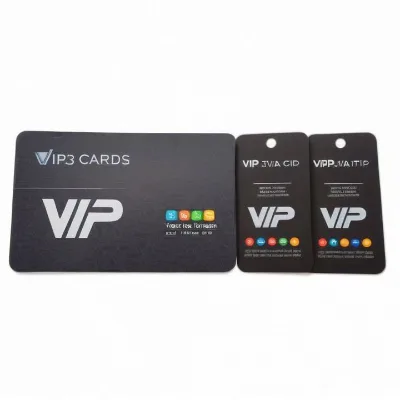
The market for business cards spans a wide spectrum of materials, from traditional paper stocks to synthetic polymers and metals. Observed listings indicate a significant presence of PVC-based cards, which are classified as memory cards with high-frequency capabilities for identification and payment functions. These cards often feature passive card power supply modes and serial data transmission, suggesting their use in electronic or smart card applications rather than purely static printing. Buyers must carefully distinguish between these functional smart cards and standard informational cards, as the manufacturing processes and compliance requirements differ substantially.
In contrast, traditional business card offerings include options made from art paper, fancy paper, and cotton paper, often finished with offset printing and various surface treatments. Listings show a variety of models, such as BLF-F111 and BLF-F109, which may feature embossing, matte lamination, or full-color printing. The presence of stainless steel options, including brushed finish and gold metal variants, indicates a premium segment where durability and luxury aesthetics are prioritized. Understanding these distinct categories is crucial for aligning product selection with the intended use case, whether it be high-volume distribution, secure identification, or premium client engagement.
Technical Specifications to Verify
When evaluating Waterproof Matte Coating Business Cards, the substrate material is the primary determinant of performance. While many listings specify PVC as the core material, offering inherent water resistance and durability, other options include paper and metal. For paper-based cards, the waterproofing is typically achieved through surface coatings such as film lamination or matte lamination rather than the paper itself. Buyers should verify whether the "waterproof" claim applies to the entire card structure or merely the surface finish, as this impacts longevity in humid or wet environments. The standard dimensions observed are 85.5540.85mm, aligning with international credit card sizes, but customized sizes are frequently available.
Surface finish and printing quality are critical for both aesthetic appeal and functional durability. Matte coatings provide a non-reflective, premium feel but can be susceptible to scuffing if not properly sealed. Listings indicate the use of offset printing for full-color applications, which requires high-quality ink adhesion to withstand handling. For PVC cards, the usage environment is specified as -20°C to +90°C, highlighting their robustness against temperature extremes. Buyers should request physical samples to test the resistance of the matte coating to water, friction, and UV exposure, ensuring that the finish does not degrade or peel under normal handling conditions.
Compliance and Safety Documentation
Regulatory compliance varies significantly depending on the material and intended function of the business card. For PVC cards with electronic components, such as those with memory and encryption capabilities, compliance with international standards for smart cards and data security is essential. Buyers should verify that suppliers adhere to relevant ISO standards for card manufacturing and data protection, particularly if the cards are used for payment or secure identification. The observed listings mention "inner quality control" as a standard, but buyers must request specific certification documents to confirm adherence to broader industry regulations.
For paper and metal cards, compliance focuses on material safety and environmental impact. Buyers should inquire about the use of non-toxic inks and adhesives, especially for cards that may come into direct contact with skin or food-related environments. While specific certifications are not detailed in the observed data, reputable suppliers should be able to provide Material Safety Data Sheets (MSDS) for their inks and substrates. Additionally, for exports to regions with strict environmental regulations, such as the EU or North America, buyers should verify that the materials comply with restrictions on hazardous substances, such as REACH or RoHS, if applicable to the product composition.
Cost Drivers and Commercial Terms
The cost of business cards is influenced by material selection, printing complexity, and order volume. PVC cards, particularly those with electronic features, tend to have higher unit costs due to the embedded chips and antennas. In contrast, paper-based cards are generally more cost-effective, with prices varying based on paper type, such as art paper versus fancy paper, and the complexity of the surface finish. Metal cards, including stainless steel and gold variants, represent the premium segment with significantly higher costs due to material expenses and specialized manufacturing processes like brushing and embossing.
Commercial terms, including Minimum Order Quantity (MOQ) and packaging, also impact the total cost of ownership. Observed listings show a wide range of MOQs, from as low as 1 piece to 5000 pieces, with some suppliers accepting small orders for testing or low-volume needs. Packaging options vary from individual boxes to standard export cartons, with dimensions like 44X30X45cm for bulk shipments. Buyers should negotiate terms that balance inventory costs with flexibility, considering the lead times and shipping methods offered by the supplier. Clear agreements on packaging standards help prevent damage during transit and ensure efficient handling upon receipt.
Supplier Qualification and Quality Control
Supplier qualification is a critical step in ensuring consistent product quality and reliable delivery. Buyers should assess the supplier's business history and foreign trade experience, as indicated by listings showing 16 years of operation and numerous overseas clients. These factors suggest a level of stability and familiarity with international market requirements. However, buyers must also verify the supplier's production capabilities, including their ability to handle customization requests for size, material, and finishing. Requesting references or case studies from similar clients can provide additional insight into the supplier's reliability and service quality.
Quality control processes should be clearly defined and agreed upon before production begins. Buyers should inquire about the supplier's inspection protocols, including pre-production sample approvals, in-process quality checks, and final random inspections. The observed listings mention "inner quality control," but buyers should seek detailed information on the specific metrics used, such as color accuracy, dimensional tolerance, and coating adhesion. Establishing a clear acceptance criteria and defect rate threshold helps mitigate the risk of receiving substandard products. Regular communication and site audits, if feasible, can further enhance quality assurance and build a strong partnership with the supplier.
Long-Term Procurement Checks
Sourcing business cards is not a one-time transaction but an ongoing relationship that requires periodic review and optimization. Buyers should monitor supplier performance over time, tracking metrics such as on-time delivery, product consistency, and responsiveness to issues. Regular feedback loops with the supplier can help identify areas for improvement and foster continuous enhancement of the product and service. Additionally, buyers should stay informed about market trends and technological advancements in card manufacturing, such as new eco-friendly materials or innovative finishing techniques, to ensure their products remain competitive and relevant.
As business needs evolve, buyers may need to adjust their sourcing strategies to accommodate changes in volume, design, or regulatory requirements. Maintaining a diversified supplier base can reduce dependency on a single source and provide flexibility in case of disruptions. Buyers should also consider the environmental impact of their sourcing decisions, exploring options for sustainable materials and processes. By proactively managing these long-term factors, procurement teams can ensure that their business card supply chain remains resilient, cost-effective, and aligned with broader corporate sustainability goals.
FAQs
Can Waterproof Matte Coating Business Cards be customized?
Yes, customization is available for these cards. The product supports custom sizes and designs, allowing buyers to tailor specifications to their specific branding needs while maintaining the required waterproof and matte finish properties.
What is the minimum order quantity for these cards?
The minimum order quantity varies by product type, ranging from 1 to 5000 units. Specific listings indicate an MOQ of 1000 pieces for certain paper business card variants, while other options may accept smaller orders.
How do these cards handle extreme temperature environments?
These cards operate reliably within a temperature range of -20°C to +90°C. This wide operating range ensures durability in various climates, making them suitable for diverse usage environments without material degradation.
Which materials are used for waterproof business cards?
Materials include PVC, paper, and stainless steel depending on the specific model. PVC cards offer international waterproofing standards, while metal options provide a durable alternative for high-end branding requirements.
What printing types are available for these business cards?
Available printing types include offset printing and full-color printing. These methods ensure high-quality graphics and text reproduction, with surface finishes like matte lamination or embossing to enhance the tactile experience.
Can small orders be accepted for these products?
Yes, small orders are accepted for specific metal business card models. This flexibility allows buyers to test the product quality or fulfill immediate needs without committing to large initial inventory volumes.
What is the standard size for these business cards?
The standard size is 85.5*54*0.85mm, though customized sizes are available. This dimension aligns with credit card standards, ensuring compatibility with standard card holders and wallets for professional use.