Source Waterproof Matte Mineral Lip Gloss for Daily, Party, and Travel
Find 30 Waterproof Matte Mineral Lip Gloss options with customization and OEM services. Compare specifications like 4g to 8g sizes, certifications including GMPC and ISO, and private logo availability for daily makeup needs.
Key considerations
Products List


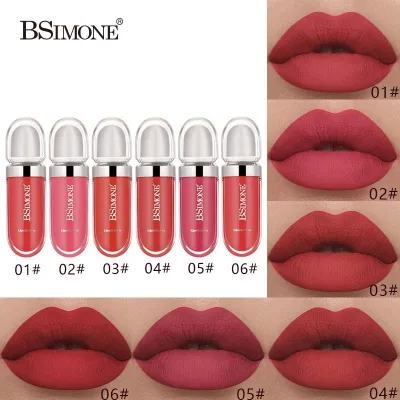


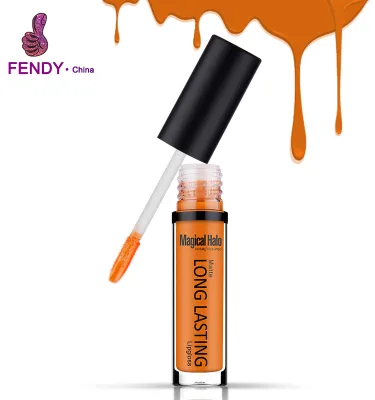


No Logo Clear Lip Gloss Wholesale Private Label Vendor Own Brand Lip Gloss
$1.60 - $2.00
MOQ: 20 pieces

Custom Private Label Long Lasting Waterproof Non-Stick Cup Matte Lip Gloss
$0.50 - $1.20
MOQ: 12000 Pieces


Comprehensive Sourcing Guide
Strategic Sourcing Guide for Waterproof Matte Mineral Lip Gloss
The global demand for high-performance cosmetic ingredients has elevated the search for Waterproof Matte Mineral Lip Gloss from a niche preference to a core procurement category. Buyers seeking this specific formulation must navigate a complex landscape where material science, regulatory compliance, and supply chain logistics intersect. This guide provides an evidence-based framework for sourcing, focusing on the technical realities of mineral-based matte finishes, the verification of safety certifications, and the evaluation of manufacturing capabilities. By adhering to strict verification protocols, procurement teams can mitigate risk and ensure the delivery of products that meet both aesthetic and functional requirements.
Technical Specifications and Formulation Characteristics
The core of the sourcing strategy lies in understanding the precise technical specifications that define a Waterproof Matte Mineral Lip Gloss. Unlike traditional glossy formulations that rely heavily on synthetic oils for shine, a matte mineral variant requires a specific balance of ingredients to achieve a non-reflective finish while maintaining hydration and adhesion. The primary ingredient in the observed product range is identified as mineral-based, which suggests the use of naturally derived minerals such as mica or zinc oxide to provide opacity and texture. This distinguishes the product from purely chemical formulations, although some listings indicate a chemical composition as well, highlighting the need for buyers to verify the exact ratio of mineral to synthetic components.
The physical form of the product is consistently observed as a liquid, which dictates the packaging and application method. For a matte finish, the viscosity of this liquid is critical; it must be fluid enough for easy application but possess the thixotropic properties to settle into a flat, non-shiny film upon drying. The waterproof attribute is a mandatory functional requirement, implying the presence of film-forming agents that resist water, sweat, and oils. Buyers should verify that the "waterproof" claim is supported by specific test data regarding water resistance duration, as this varies significantly between formulations.
Packaging specifications are equally vital for maintaining product integrity. The observed data indicates a range of standard volumes, including 4g, 5ml, 7ml, and 8g units. These variations often correlate with the intended application method, such as tube dispensing for precise lip lining or bottle applicators for broader coverage. The packaging material is frequently described as a color box, sometimes combined with shrink film for additional protection during transit. The physical dimensions of the bulk packaging, such as a measurement of 63.243.225.8cm for a carton containing 144 dozen units, provide essential data for logistics planning and warehouse space allocation.
Compliance and Certification Verification
In the cosmetics industry, compliance is not merely a regulatory hurdle but a fundamental component of brand trust and market access. The sourcing guide emphasizes the verification of specific certifications that validate the safety and quality of the manufacturing process. The most frequently observed certification in the current market data is MSDS (Material Safety Data Sheet), which is essential for understanding the chemical hazards and handling requirements of the product. However, relying solely on MSDS is insufficient for a comprehensive procurement strategy.
Advanced sourcing requires the verification of Good Manufacturing Practice (GMP) standards. The data shows a prevalence of GMPC (Good Manufacturing Practice for Cosmetics) certification, often paired with ISO standards. Specifically, ISO 22716:2007(E) is a recognized standard for cosmetic GMP, ensuring that the manufacturing environment maintains strict hygiene and quality control protocols. Some listings also reference ISO certification in a general sense, which buyers must clarify to ensure it pertains to the specific cosmetic manufacturing context.
Furthermore, international market access often demands FDA (Food and Drug Administration) and GMP (General Manufacturing Practice) certifications. The presence of these certifications in the product attributes indicates a supplier's capability to meet stringent regulatory requirements for major markets like the United States and the European Union. Buyers must explicitly request copies of these certificates and verify their validity dates, as certifications can expire or be revoked. The combination of GMPC, ISO, MSDS, FDA, and GMP in a single supplier's profile suggests a robust quality management system, but this must be confirmed through direct audit or third-party verification rather than assumed from a product listing.
Cost Drivers and Pricing Dynamics
Understanding the cost structure of Waterproof Matte Mineral Lip Gloss is essential for budgeting and negotiation. The observed price range in the market spans from 0.28 to 3.99 USD per unit. This wide variance is driven by several factors, including the complexity of the formulation, the quality of the mineral ingredients, and the level of customization required. A unit price at the lower end of the spectrum typically corresponds to standard formulations with minimal customization, while prices approaching the upper limit often reflect premium mineral blends, complex waterproofing technologies, or extensive private labeling services.
The Minimum Order Quantity (MOQ) is another significant cost driver. The data indicates an MOQ range from 1 to 12,000 units, with a specific observation of 100 pieces for certain models. Lower MOQs, such as 100 or 1,200 units, allow for smaller batch testing and reduced inventory risk but often come with a higher per-unit cost due to the fixed costs of setup and production runs. Conversely, high-volume orders can leverage economies of scale to reduce the unit price, making them more viable for established brands with consistent demand.
Additional cost factors include the customization of the logo and packaging. The availability of private logos via silk screen printing or customized graphic design adds value but may incur setup fees or higher per-unit costs depending on the complexity of the artwork. The choice of packaging, such as a simple color box versus a more elaborate shrink-wrapped presentation, also influences the final landed cost. Buyers should request a detailed breakdown of costs, separating the product price from tooling, packaging, and logistics fees to ensure transparency.
Typical Applications and Market Positioning
The versatility of Waterproof Matte Mineral Lip Gloss makes it suitable for a wide range of applications, from daily wear to professional events. The primary use case identified is for lips, specifically targeting the daily makeup routine. The "Daily Life" and "Daily Makeup" attributes suggest that the product is designed for long-wear comfort and ease of use in everyday settings. The matte finish appeals to consumers seeking a modern, sophisticated look that does not transfer easily, making it ideal for professional environments or active lifestyles.
The product's suitability for various occasions is further enhanced by its waterproof nature. This feature ensures that the color remains intact during activities that might compromise traditional lip products, such as eating, drinking, or exposure to humidity. The mineral-based composition also positions the product favorably in the growing "clean beauty" segment, appealing to consumers who prefer natural ingredients over synthetic alternatives. However, buyers must be cautious, as some listings also mention chemical ingredients, indicating that the "mineral" label may refer to the primary visual effect rather than a 100% natural composition.
The customization options, including private logos and OEM/ODM services, allow brands to tailor the product to specific market segments. For instance, a brand targeting teenagers might opt for multi-colored options with vibrant packaging, while a luxury brand might focus on single-color, high-end formulations with minimalist design. The ability to customize the model number, such as XM-P11, AD24032, or LG009, provides flexibility in creating unique product lines that differentiate the brand in a crowded marketplace.
Supplier Evaluation and Quality Control
Selecting the right supplier is critical to the success of the procurement process. The evaluation should go beyond the initial product listing and include a thorough assessment of the supplier's manufacturing capabilities and quality control systems. The observed data indicates that suppliers are located in various regions of China, including Guangdong and Anhui. While these regions are known for their robust manufacturing infrastructure, buyers should verify the specific factory location and conduct on-site audits if possible.
Quality control measures must be rigorously applied to ensure consistency. The shelf life of the product is listed as 3 years, which is a standard benchmark for cosmetic products, but buyers should verify the testing protocols used to determine this duration. This includes stability testing under various temperature and humidity conditions to ensure the product does not separate, change color, or lose its waterproof properties over time. The presence of a "Service: OEM ODM Private Label Service" attribute suggests that the supplier offers end-to-end support, from formulation development to final packaging, but the buyer must confirm the supplier's capacity to handle these services at the required scale.
When evaluating suppliers, buyers should request samples of the actual product, not just images. These samples should be tested for key attributes such as texture, color payoff, and waterproof performance. The "Advantage: Private Logo Is Available" and "Logo: Silk Screen Printing" attributes indicate that the supplier has the equipment for branding, but the quality of the print must be assessed for durability and alignment. Additionally, the consistency of the product model numbers, such as LG025 or WD-012, should be verified to ensure that the supplier can maintain quality across different batches and SKUs.
Long-Term Procurement Considerations
Sourcing Waterproof Matte Mineral Lip Gloss is not a one-time transaction but a long-term partnership that requires strategic planning. Lead times are a critical factor in supply chain management, with observed ranges of 25-35 days for production. Buyers must account for this lead time in their inventory planning to avoid stockouts, especially during peak seasons. The variability in lead times between different suppliers or product models necessitates a flexible procurement strategy that can adapt to changing market demands.
Scalability is another key consideration. As the brand grows, the supplier must be able to increase production volumes without compromising quality. The observed MOQ of up to 12,000 units suggests that suppliers have the capacity for large-scale production, but buyers should confirm the supplier's ability to handle sudden spikes in demand. The "Customization: Available" attribute indicates that the supplier can adapt to changing design requirements, but this flexibility should be formalized in the contract to ensure that changes are implemented efficiently and cost-effectively.
Finally, sustainability and ethical sourcing are becoming increasingly important in the cosmetics industry. While the current data does not explicitly mention sustainable practices, buyers should inquire about the sourcing of raw materials, particularly the mineral ingredients. Ensuring that the minerals are ethically sourced and that the manufacturing process minimizes environmental impact can enhance the brand's reputation and align with consumer values. By focusing on these long-term considerations, buyers can build a resilient supply chain that supports the growth and success of their Waterproof Matte Mineral Lip Gloss product line.
FAQs
What certifications are required for Waterproof Matte Mineral Lip Gloss?
Products typically require MSDS, GMPC, and ISO certifications. Some listings also include FDA, GMP, and ISO 22716:2007(E) to ensure safety and quality standards for international markets.
How long is the shelf life of this cosmetic product?
The observed shelf life is three years. This duration assumes proper storage conditions and relies on stability testing protocols used by the manufacturer to maintain product integrity.
Can I get a private logo on the lip gloss packaging?
Yes, private logo customization is available through silk screen printing or graphic design services. This allows brands to create unique packaging while maintaining the product's waterproof and matte finish.
What is the minimum order quantity for these lip gloss units?
The minimum order quantity ranges from one to twelve thousand units. Specific models may have an MOQ of one hundred pieces, allowing flexibility for small batch testing or large scale production.
Which certifications validate the manufacturing process for this product?
Valid certifications include GMPC, ISO, MSDS, FDA, and GMP. These documents verify that the manufacturing environment adheres to strict hygiene and quality control protocols for cosmetic production.
How long does production take for custom orders?
The typical lead time is twenty-five to thirty-five days. This duration accounts for formulation, packaging, and quality checks required before shipping the customized Waterproof Matte Mineral Lip Gloss.
What are the standard packaging sizes for this lip gloss?
Standard sizes include 4g, 5ml, 7ml, and 8g units. Packaging often consists of a color box, sometimes combined with shrink film for protection during transit and storage.