Source Customizable Logo School Backpacks for Travel and Daily Use
Find 30 options for a Customizable Logo School Backpack designed for students and travelers. Compare features like waterproof materials, laptop compartments, and various styles to find the right fit for your needs; compare the available evidence and request quotations based on your requirements.
Key considerations
Products List
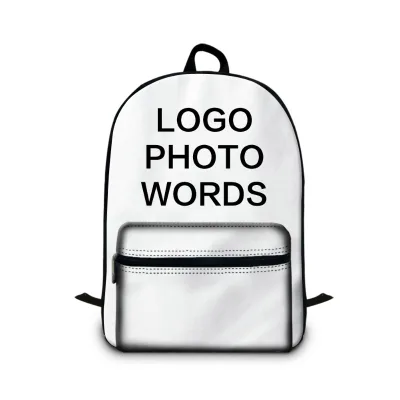


Custom Logo High Quality Fashion School Backpack Portable Travel Backpack
$4.20 - $6.50
MOQ: 500 Pieces


Casual School Backpack Men Travel Backpack Custom Logo Wholesale Backpack
$4.20 - $6.50
MOQ: 500 Pieces


Comprehensive Sourcing Guide
Customizable Logo School Backpack Sourcing Guide
Sourcing customizable logo school backpacks requires a strategic balance between aesthetic appeal, functional durability, and supply chain reliability. Buyers must navigate a market where visual customization is a primary driver, yet the underlying product specifications dictate long-term utility for students and daily commuters. The core keyword highlights a niche where branding opportunities intersect with practical design elements, such as laptop compartments and anti-theft features. Understanding these dual requirements is essential for selecting suppliers who can deliver both high-quality printing services and robust manufacturing standards.
This guide provides evidence-based procurement advice for buyers seeking to source these specific bags from global markets, particularly focusing on regions like Fujian, China, which are known for textile and bag manufacturing. By examining observed listing signals, technical specifications, and compliance requirements, buyers can mitigate risks associated with quality inconsistencies and supply chain disruptions. The following sections detail the critical verification steps and commercial considerations necessary for successful procurement, ensuring that the final product meets both brand expectations and user safety standards.
Product Scope and Observed Listing Signals
The observed product landscape for customizable school backpacks reveals a diverse range of styles, from fashion-forward animal prints to minimalist grey and black designs. Listings frequently highlight features such as waterproof coatings, breathable back panels, and anti-theft designs, indicating a strong market demand for functional versatility. Buyers should note that while some products are marketed as "laptop backpacks" with specific interlayers, others are positioned as general daily use or travel bags. This variation necessitates careful review of individual product attributes to ensure alignment with specific procurement needs, particularly regarding device compatibility and carrying comfort.
Capacity and material composition are key differentiators in this category, with options ranging from under 20 liters to 20-39 liters. Materials commonly cited include cotton fabric and polyester, each offering distinct advantages in terms of durability and weight. The presence of soft handles and resin mesh carrying systems suggests a focus on ergonomic design, which is crucial for products intended for long-term student use. Buyers must verify these attributes against their target demographic’s preferences, as the "fashion" and "casual" styles often appeal to different age groups and usage scenarios, from kindergarten to university levels.
Technical Specifications to Verify
Verifying technical specifications is paramount to ensuring the backpack meets functional requirements, particularly regarding device protection and storage capacity. Buyers should confirm the maximum compatible device size, with many listings supporting laptops up to 16-16.9 inches, which is critical for secondary and tertiary education markets. The presence of a dedicated laptop compartment and computer interlayer provides essential protection, but the structural integrity of these sections must be assessed. Additionally, the closure type, often a zipper, should be evaluated for smooth operation and durability, as frequent use can lead to mechanical failure if quality is compromised.
Material specifications and construction details also require close scrutiny, as they directly impact the product's lifespan and performance. The lining material, typically polyester, should be checked for strength and resistance to tearing, while the main material, whether cotton or polyester, affects the bag's overall weight and water resistance. Buyers should also verify the single package dimensions and gross weight, as these factors influence shipping costs and handling logistics. For instance, a single gross weight of approximately 0.401 kg and dimensions around 40x4x30 cm provide a baseline for logistical planning, but variations across different models must be accounted for in the final procurement strategy.
Compliance and Safety Documentation
Compliance and safety documentation are critical for ensuring that school backpacks meet regulatory standards in target markets, particularly concerning chemical safety and physical durability. While specific certifications like BSCI may be mentioned in supplier profiles, buyers must independently verify the validity and scope of such certifications to ensure they align with local regulations. It is essential to request test reports for materials, especially those in contact with children, to confirm the absence of harmful substances. This due diligence helps mitigate legal risks and ensures that the products are safe for their intended young users.
Furthermore, buyers should inquire about the manufacturing standards and quality control processes employed by suppliers. Although specific numerical standards may not be explicitly listed in all product descriptions, understanding the supplier’s adherence to international quality management systems is vital. Documentation should also cover the customization process, ensuring that the printing methods used for logos do not introduce hazardous materials or affect the fabric's integrity. Clear communication regarding compliance requirements with suppliers can prevent delays and ensure that all products meet the necessary safety benchmarks before shipment.
Cost Drivers and Commercial Terms
Cost drivers for customizable school backpacks include material selection, customization complexity, and order volume. The availability of OEM/ODM services, such as thermal transfer or offset printing, adds value but also impacts pricing. Buyers should negotiate terms that reflect the true cost of customization, ensuring that logo application does not compromise the bag's structural integrity. Additionally, the MOQ (Minimum Order Quantity) ranges observed, from 1 to 1000 units, offer flexibility for different business models, from small boutique orders to large institutional purchases. Understanding these variables helps in forecasting total landed costs accurately.
Commercial terms also encompass payment structures, lead times, and shipping arrangements. While specific lead times are not provided in the observed data, buyers should establish clear timelines with suppliers to manage inventory effectively. The use of carton packing for products suggests standard shipping practices, but buyers must confirm packaging details to prevent damage during transit. Negotiating favorable payment terms, such as partial upfront payments and balance upon shipment, can help manage cash flow and reduce financial risk. Clear communication regarding these terms ensures a smooth transaction process and fosters a reliable supplier relationship.
Supplier Qualification and Quality Control
Supplier qualification involves assessing the manufacturer’s production capabilities, quality control systems, and past performance. Buyers should prioritize suppliers with proven experience in producing school backpacks, particularly those with expertise in customization and durable construction. Verifying the supplier’s location, such as Fujian, China, can provide insights into their supply chain efficiency and access to raw materials. Additionally, requesting samples is a crucial step to evaluate the physical quality of the product, including stitching, zipper functionality, and print clarity, before committing to large orders.
Quality control measures should be integrated into the procurement process to ensure consistent product quality. Buyers should establish clear quality standards and inspection criteria, which may include third-party inspections for larger orders. Regular communication with suppliers regarding production progress and any potential issues can help prevent delays and ensure that the final products meet expectations. Implementing a robust quality control plan not only reduces the risk of receiving defective goods but also enhances the overall reliability of the supply chain, leading to higher customer satisfaction and repeat business.
Long-Term Procurement Checks
Long-term procurement checks focus on maintaining supplier performance and adapting to market changes. Regular audits and performance reviews help identify areas for improvement and ensure that suppliers continue to meet quality and delivery standards. Buyers should also monitor market trends and consumer preferences to adjust product offerings accordingly, such as incorporating new features or materials that enhance functionality and appeal. Building a strong relationship with suppliers through consistent communication and fair treatment can lead to better pricing, priority production, and collaborative innovation.
Additionally, buyers should stay informed about regulatory changes and emerging standards in the school backpack industry to ensure ongoing compliance. This proactive approach helps mitigate risks associated with non-compliance and ensures that products remain competitive in the market. By continuously evaluating and optimizing the procurement process, buyers can achieve sustainable growth and maintain a reliable supply of high-quality customizable school backpacks. This strategic focus on long-term partnerships and adaptability is key to success in the dynamic and competitive school accessory market.
FAQs
Can I customize the logo on this school backpack?
Yes, customization is available for this product. The supplier supports OEM and ODM services using thermal transfer or offset printing methods to apply your specific design onto the canvas fabric or polyester lining as needed for your order.
What is the maximum laptop size this bag fits?
This backpack accommodates devices up to 16.9 inches in size. It features a dedicated computer interlayer designed to safely hold laptops within the 15 to 16.9 inch range, ensuring secure transport during daily use or travel.
How much capacity does this school bag hold?
The bag offers a capacity of 20 liters for storage. Some variants are listed with under 20 liters, while others meet the 20 to 39 liter standard, providing flexible options for students or travelers needing different storage volumes.
What material is used to make this backpack?
The main material is cotton fabric, and the lining consists of polyester. This combination ensures durability and comfort, while the water-resistant coating adds protection against light rain for all-season use in various weather conditions.
Where is this backpack manufactured and shipped from?
The product originates from Fujian, China, and is shipped from there. The single package size is 40 by 4 by 30 cm, and the gross weight is 0.401 kg, ensuring efficient logistics for international buyers sourcing from this region.
Does this backpack have anti-theft features?
Yes, the design includes an anti-theft feature for added security. It also comes with a breathable back panel and resin mesh carrying system, making it suitable for daily use while protecting your belongings during travel or commuting.