Source Waterproof Plush Wedge Heels for parties, weddings, and events
Compare 30 listings of Waterproof Plush Wedge Heels featuring satin and faux suede uppers with rubber or wood outsoles. Buyers can review styles including ankle straps and slingbacks suitable for spring, summer, and autumn occasions.
Key considerations
Products List


Comprehensive Sourcing Guide
Strategic Sourcing Guide for Waterproof Plush Wedge Heels
The procurement of Waterproof Plush Wedge Heels represents a specialized niche within the women's footwear sector, blending aesthetic demands with functional resilience. Buyers entering this market must navigate a complex landscape where material science, manufacturing capabilities, and supply chain logistics intersect. While the core keyword suggests a specific combination of water resistance and soft, textured uppers, the actual product reality often involves a nuanced selection of materials that approximate these traits or offer specific variations. This guide provides a disciplined framework for evaluating suppliers, verifying technical specifications, and ensuring long-term procurement success without relying on unverified marketing claims.
Technical Specifications and Material Verification
The foundation of any successful sourcing strategy lies in the precise definition of technical specifications. When searching for "Waterproof Plush Wedge Heels," buyers must scrutinize the material composition provided in product data sheets. The supplied product facts indicate a diverse range of upper materials, including Satin, Faux Suede, and Glitter. It is critical to understand that "plush" in a commercial context often refers to the tactile finish of Faux Suede or specific textile weaves, rather than a single standardized material.
A primary technical consideration is the outsole material. The available data explicitly lists Rubber and Wood as outsole options. For a product marketed as "waterproof," the outsole composition is less critical than the upper material's treatment and the construction method. Rubber outsoles, as noted in the facts, provide a baseline for durability and slip resistance, which is essential for wet conditions. However, the presence of Wood in the outsole specification suggests a design choice that may prioritize aesthetics over absolute water impermeability, requiring careful verification of the heel's sealing.
The lining material is another critical specification. The data points to PU (Polyurethane) as a common lining material. PU linings are generally more resistant to moisture absorption than natural leather or fabric linings, contributing to the overall water-resistant profile of the shoe. Buyers should verify if the PU lining is bonded directly to the upper or if there are gaps in the construction that could allow water ingress. Furthermore, the insole material is also listed as PU, which supports the moisture management aspect of the product.
Regarding the heel structure, the observed specifications include Heel Heights ranging from 15-17cm and Heel Shapes described as "Slope" or "Wedge Platform." The "Wedge Platform" style is particularly relevant for stability, but the height range indicates a need for ergonomic assessment. The "Slope" heel shape, often associated with platform designs, can affect the water resistance of the toe box area if the construction is not fully sealed.
Compliance, Certification, and Safety Standards
In the B2B footwear sector, compliance is not merely a formality but a prerequisite for market access. While the supplied product facts do not list specific certification bodies (such as ISO or ASTM), they do reference a "prod_standard" with dimensions like 32X25X13 cm and 32X21X12 cm. These dimensions likely refer to packaging standards rather than product safety certifications. Buyers must independently verify that the supplier adheres to relevant international safety standards for footwear, particularly regarding chemical restrictions (such as REACH in Europe or CPSIA in the US) and flammability.
The "Waterproof" claim requires rigorous testing. There is no specific numerical water resistance rating provided in the source data. Therefore, buyers should not accept a supplier's verbal assurance. Instead, procurement teams must request third-party test reports that validate the water resistance of the specific upper material (e.g., Faux Suede or Satin) and the seam-sealing processes used. The absence of a listed certification in the raw data necessitates a proactive approach where the buyer mandates a test protocol before placing a bulk order.
Additionally, the product origin is listed as Sichuan, China, and generally China. While this provides a geographical context, it does not guarantee compliance with specific regional regulations. Buyers must ensure that the manufacturing facility in Sichuan or other locations has the necessary environmental and labor compliance certifications. The "High Qualtiy" attribute listed in the facts is a qualitative observation and should not be treated as a certified standard. Verification of quality management systems (such as ISO 9001) is essential to ensure that the "High Quality" claim is consistently met across production batches.
Cost Drivers and Pricing Dynamics
Understanding the cost structure of Waterproof Plush Wedge Heels is vital for budgeting and negotiation. The observed price range in the market data spans from 0.96 to 35 USD. This wide variance indicates significant differences in material quality, brand positioning, and production complexity. The lower end of the range likely corresponds to basic construction with standard materials, while the higher end may reflect premium finishes, complex waterproofing treatments, or specialized design elements like the "Glitter" or "Satin" uppers mentioned in the facts.
Material costs are a primary driver. The use of Satin, Faux Suede, and Glitter materials introduces variability. Satin, for instance, requires specific weaving techniques and may need additional chemical treatments to achieve water resistance, increasing the unit cost. Similarly, the "Height Increasing" feature and the specific heel heights of 15-17cm add to the material and labor costs compared to lower-heeled alternatives.
The Minimum Order Quantity (MOQ) is another significant cost factor. The data shows an MOQ range from 2 to 2400 units, with a specific attribute noting "1pair" as a potential MOQ for certain listings. This flexibility allows buyers to test the market with small quantities, but it often comes with a higher per-unit cost. For bulk procurement, negotiating an MOQ closer to the 2400-unit range could yield better economies of scale, provided the supplier's supply ability of "2000 Pair/Pairs Per Week" can be sustained without compromising quality.
Packaging costs also contribute to the final price. The specified packing method of "*1 Pair/Box with Dust Bag) *12 Pair/Carton" adds to the logistical expense. Buyers should evaluate whether the dust bag and individual boxing are necessary for their target market or if a more cost-effective bulk packing solution can be negotiated.
Typical Applications and Market Segmentation
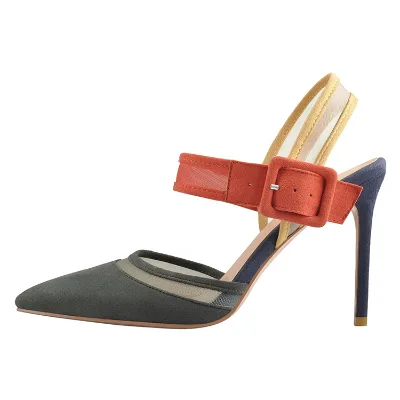
The application of Waterproof Plush Wedge Heels is diverse, driven by the specific attributes of the product. The data indicates suitability for "Business" settings, as well as "Summer, Spring, Autumn" seasons. This suggests a versatile product that can transition from professional environments to casual outings. The "Ankle Strap" and "Heeled Sandals" types, along with "Wedge Platform" styles, cater to a fashion-forward demographic that values both style and comfort.
The "Bridal Wedding Dress Shoes" keyword highlights a specific niche application. Wedge heels are often preferred for weddings due to their stability on uneven terrain, and the "Plush" or "Satin" finish aligns with formal attire requirements. However, the "Waterproof" aspect is particularly relevant for outdoor weddings or events where ground conditions may be unpredictable.
For the "Business" segment, the "Pointed Toe" and "Ankle" styles provide a professional silhouette. The "Height Increasing" feature is a key selling point for professionals seeking to enhance their presence. The "Fashion Trend" and "Evergreen" attributes suggest that these shoes are designed to remain relevant across multiple seasons, reducing the risk of inventory obsolescence for retailers.
Supplier Evaluation and Capacity Assessment
Evaluating suppliers requires a deep dive into their operational capabilities and track record. The supply ability of "2000 Pair/Pairs Per Week" is a critical metric for assessing whether a supplier can meet large-scale demand. Buyers must verify if this capacity is consistent or if it fluctuates based on seasonality or raw material availability. The "Single Item" unit of measurement and the "Single Gross Weight" of 1.000kg provide logistical data that helps in planning shipping and warehousing.
The "Customization" attribute, including "Customized Logo Accept" and "Customization: Available," indicates that suppliers are willing to tailor products. This is a significant advantage for buyers looking to build a private label. However, customization often introduces lead time extensions and potential quality control challenges. Buyers should establish clear guidelines for logo placement, color matching, and material consistency before finalizing orders.
The product origin in Sichuan, China, and general China locations suggests a concentration of manufacturing in specific industrial hubs. Buyers should verify the supplier's proximity to raw material sources and logistics hubs to ensure efficient supply chain management. The "prod_model" and "Modelnumber" variations (e.g., 240605022, 181110016) indicate a diverse product portfolio, suggesting that the supplier has the capacity to handle multiple SKUs.
Quality Control and Long-Term Procurement
Quality control is paramount when sourcing footwear with specific functional claims like "waterproof." The "High Qualtiy" attribute in the data is an observation that must be validated through a robust QC process. Buyers should implement a multi-stage inspection protocol, including pre-production sample approval, in-line production checks, and final random inspection (AQL standards).
Specific attention should be paid to the "Outsole Material" and "Upper Material" consistency. The presence of "Rubber" and "Wood" outsoles, along with "Satin" and "Faux Suede" uppers, requires different inspection criteria. For example, the bonding of the rubber outsole to the upper must be checked for gaps that could compromise water resistance. The "Glitter" upper requires inspection for particle shedding and adhesion strength.
Long-term procurement considerations involve building a resilient supply chain. The "Supply Ability" of 2000 pairs per week suggests a moderate capacity, which may require diversification of suppliers to mitigate risks of disruption. Buyers should also consider the "Season" attributes (Spring, Summer, Autumn) to plan inventory levels accordingly, ensuring that stock is available during peak demand periods.
The "prod_packing" specifications, including the dust bag and carton dimensions, should be reviewed for durability. Poor packaging can lead to product damage during transit, negating the quality of the footwear. Buyers should negotiate packaging standards that ensure the shoes arrive in pristine condition, especially given the delicate nature of materials like Satin and Glitter.
Comparative Analysis of Product Attributes
To facilitate decision-making, the following table summarizes key product attributes observed in the market data, highlighting the variations buyers must consider.
| Attribute Category | Observed Options | Procurement Consideration |
|---|---|---|
| Upper Material | Satin, Faux Suede, Glitter | Verify water resistance treatment for each material type. |
| Outsole Material | Rubber, Wood | Rubber offers better slip resistance; Wood requires sealing verification. |
| Heel Height | 15-17cm (Variable by size) | Confirm stability and comfort for the target demographic. |
| Seasonality | Spring, Summer, Autumn | Plan inventory cycles to match seasonal demand peaks. |
| Customization | Logo, Style, Color | Define clear specifications to avoid production errors. |
| MOQ | 1 Pair to 2400 Pairs | Balance between testing costs and bulk pricing advantages. |
| Packaging | 1 Pair/Box + Dust Bag, 12/Carton | Assess cost vs. protection needs for the target market. |
In conclusion, sourcing Waterproof Plush Wedge Heels requires a meticulous approach that balances aesthetic desires with functional requirements. By rigorously verifying material specifications, demanding third-party compliance testing, and evaluating supplier capacity, buyers can secure a reliable supply chain that meets the demands of the modern footwear market. The diversity of options available, from Satin to Glitter and from Rubber to Wood outsoles, offers significant flexibility, but it also demands a high level of diligence to ensure that the final product delivers on its promises of style and durability.
FAQs
Can I customize the logo on these Waterproof Plush Wedge Heels?
Yes, customized logo acceptance is available for these products. Buyers can request specific branding on the upper materials like satin or faux suede, provided the order meets the minimum quantity requirements set by the supplier.
What materials are used for the upper and lining of these heels?
The upper materials include satin, faux suede, and glitter options. The lining material is typically PU, which offers better moisture resistance compared to natural fabrics, supporting the waterproof claim when combined with proper construction.
Which heel heights are available for the wedge platform styles?
Heel heights range from 15 to 17 centimeters, though this may change due to different shoe sizes. The heel shape is described as a slope, which is common for wedge platform designs to ensure stability and comfort during wear.
How is the outsole material constructed for these wedge heels?
The outsole material is specified as either rubber or wood. Rubber provides durability and slip resistance, while wood is used for aesthetic appeal, though buyers should verify sealing methods to ensure water resistance is maintained.
What is the minimum order quantity for purchasing these shoes?
The minimum order quantity can be as low as one pair for some listings, while other bulk options may require up to 2400 units. This flexibility allows buyers to test the market with small orders or secure bulk pricing for larger needs.
Can these shoes be used for business or wedding events?
Yes, the products are suitable for business settings and bridal wedding dress occasions. The pointed toe and ankle strap styles align with professional and formal requirements, while the waterproof features help manage unpredictable outdoor conditions.
What are the packaging specifications for shipping these heels?
Each pair is packed in a box with a dust bag, and twelve pairs are placed in a carton. The carton dimensions are typically 32 by 21 by 12 centimeters, ensuring safe transport while maintaining the product's aesthetic presentation.