Source Waterproof Satin Hair Bonnet for Travel, Home, and Sleep
Find 30 Waterproof Satin Hair Bonnet options for home use and travel. Compare customization, materials like satin and polyester, and MOQs from 1 to 120 pieces. Source reliable suppliers for bulk orders; compare the available evidence and request quotations based on your requirements.
Key considerations
Products List

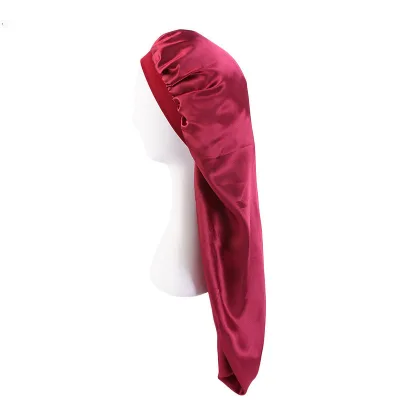
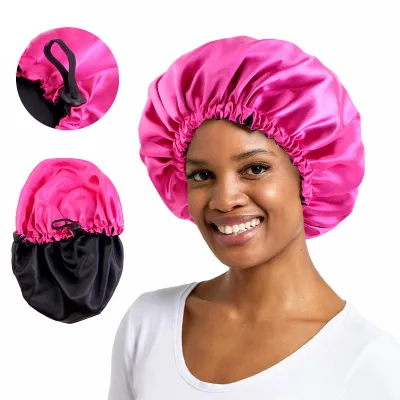
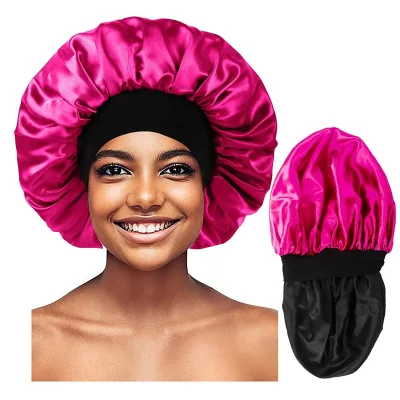
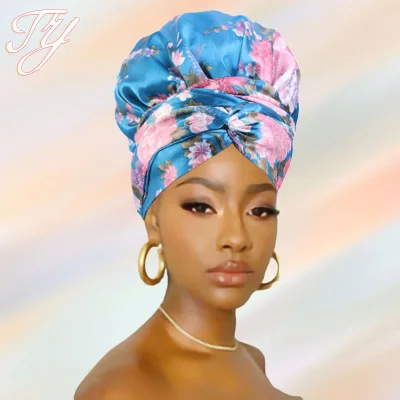


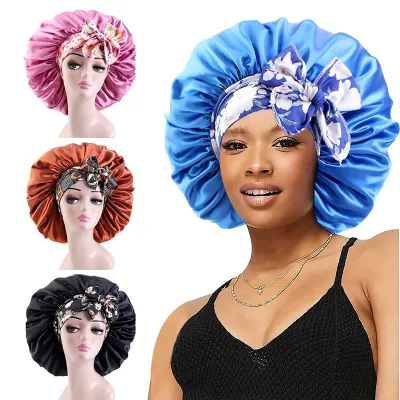


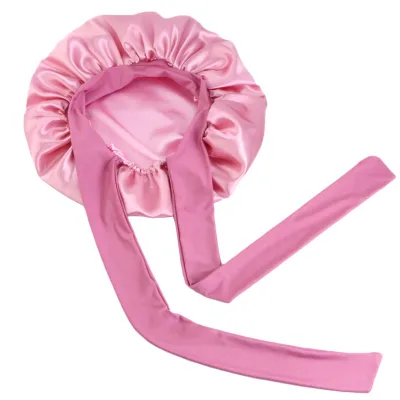
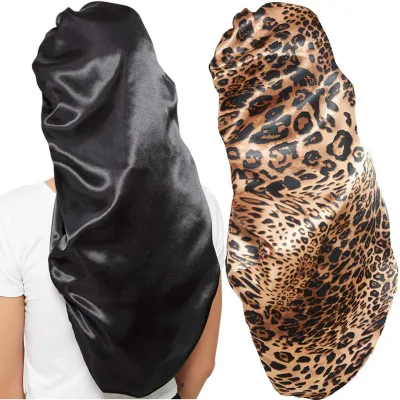
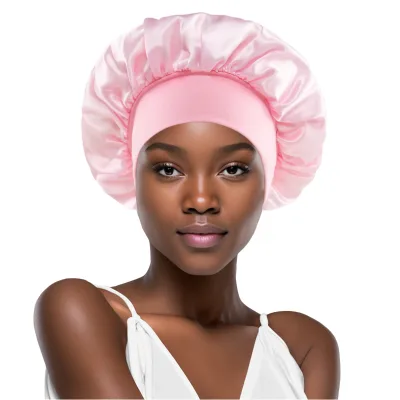
Comprehensive Sourcing Guide
Waterproof Satin Hair Bonnet Sourcing Guide
The market for waterproof satin hair bonnets presents a unique intersection of luxury aesthetics and functional protection, though current listings primarily emphasize satin and polyester construction for sleep and home use. Buyers must distinguish between standard satin bonnets designed for moisture retention and those explicitly engineered with waterproof layers, as the supplied data indicates a prevalence of non-disposable, adult-sized headwear focused on hair care rather than liquid impermeability. The observed product range includes models with specific dimensions like 392529 cm and single package sizes around 10-11 cm, suggesting a variety of packaging and sizing options that require careful verification against actual waterproof performance claims.
Procurement decisions should prioritize suppliers who can clearly articulate the material composition beyond generic "satin" labels, as the observed inventory lists both 100% polyester and satin blends with varying weight specifications. While some listings highlight features like "High Quality" and "Luxury Bonnet" status, the absence of explicit waterproof certification in the provided facts necessitates a rigorous inquiry into the fabric's coating or lamination process. Buyers should request physical samples to test liquid resistance, ensuring the bonnet meets the specific functional requirements of their target market without relying solely on marketing descriptors like "Stocked" or "Customized Color."
Product Scope and Observed Listing Signals
Current market signals indicate a diverse range of satin bonnets targeting the home and daily wear segments, with observed models featuring specific model numbers such as STB-AZB20W-S and TJM-446A. These products are frequently marketed with keywords like "Hair Cover Bath Cap" and "Sleeping Satin Bonnet Cap," suggesting a functional overlap between sleep protection and light moisture resistance. The observed color palettes range from standard hues like black, pink, and navy to extensive custom options, allowing buyers to align product aesthetics with brand identity while maintaining the core utility of hair preservation during rest or travel.
Buyers must navigate a complex landscape of origin locations, with products sourced from Shenzhen, Jiangsu, and Zhejiang, each potentially offering different manufacturing capabilities regarding waterproof treatments. The observed minimum order quantities vary significantly from 1 piece to 120 pieces, indicating a market that accommodates both small-batch testing and larger commercial orders. This variability requires procurement teams to establish clear internal thresholds for order volume before engaging suppliers, ensuring that the selected partner can meet both the initial sampling needs and the eventual scale of production without compromising on the specific waterproof attributes required.
Technical Specifications to Verify
Verification of technical specifications is critical when sourcing waterproof satin bonnets, as the observed data includes conflicting or incomplete details regarding material density and construction. Buyers should demand precise documentation on the fabric's thread count, coating thickness, and the specific type of waterproofing agent used, as the listed "100% Polyester" and "Satin" materials alone do not guarantee liquid resistance. The observed single gross weights of 0.06 kg to 0.075 kg provide a baseline for material density, but these figures must be correlated with the actual waterproof performance to ensure the bonnet does not become heavy or stiff when exposed to moisture.
Dimensional accuracy is another vital technical parameter, with observed specifications ranging from 36 cm head circumference to Extra Large sizes and varying package dimensions. Procurement teams must verify that the bonnet's internal circumference and elasticity accommodate the target demographic's head sizes while maintaining a secure fit that prevents water ingress. The observed "392529" standard and "11X20X5 cm" package sizes suggest specific manufacturing tolerances that should be cross-referenced with the final product's fit and function, ensuring that the waterproof layer does not compromise the comfort or flexibility required for extended wear during sleep or travel.
Compliance and Safety Documentation
While the observed data mentions a low-confidence GOTS certification, buyers cannot rely on this for concrete compliance claims regarding waterproof materials or chemical safety. It is essential to request up-to-date test reports from accredited laboratories that specifically validate the waterproof performance and the absence of harmful substances in the coatings or dyes used. The absence of explicit safety standards in the provided facts means that procurement teams must proactively ask for documentation confirming that the bonnets meet relevant textile safety regulations for the intended market, such as REACH or CPSIA, depending on the destination country.
Documentation regarding the manufacturing process should also be scrutinized to ensure that the waterproofing treatments do not introduce allergens or irritants to the skin. Buyers should verify that the supplier maintains a clear chain of custody for all raw materials, particularly the synthetic fibers and chemical coatings, to ensure traceability in case of future quality issues. The observed "Customer Logo" and "Customized Color" options introduce additional variables that require specific compliance checks to ensure that the customization process does not alter the safety profile of the base product or violate intellectual property rights in the target market.
Cost Drivers and Commercial Terms
The observed price range of 0.35 to 4.89 USD reflects significant variability driven by material quality, waterproofing technology, and order volume. Buyers should analyze how the cost structure changes with the addition of specialized waterproof layers, as this often involves higher raw material costs and more complex manufacturing steps compared to standard satin bonnets. The wide MOQ range from 1 to 120 pieces suggests that unit costs will fluctuate dramatically based on order size, requiring a detailed cost-benefit analysis to determine the optimal order quantity that balances cash flow with per-unit pricing efficiency.
Commercial terms such as shipping methods, including DHL, UPS, FedEx, and EMS, observed in the listings, directly impact the total landed cost and delivery timelines. Procurement teams must negotiate clear Incoterms that define responsibility for freight, insurance, and customs duties, especially when sourcing from multiple origins like Shenzhen, Jiangsu, and Zhejiang. The observed "Carton Packaging" and single item selling units indicate that packaging costs are a distinct line item that should be factored into the overall budget, ensuring that the final product arrives in a condition that preserves the waterproof integrity of the bonnet during transit.
Supplier Qualification and Quality Control
Supplier qualification for waterproof satin bonnets requires a deep dive into their manufacturing capabilities, specifically their ability to apply and maintain consistent waterproof coatings. Buyers should assess the supplier's quality control protocols for the "Silk Screen Printing" and "Sublimation Transfer Print" techniques observed in the data, ensuring these processes do not degrade the waterproof layer or cause uneven application. The presence of "High Quality" and "Luxury Bonnet" claims in listings should be validated through on-site audits or third-party inspections that verify the actual production standards and the consistency of the finished goods.
Quality control checks must include rigorous testing of the bonnet's durability, elasticity, and waterproof performance under simulated use conditions. Buyers should establish clear acceptance criteria for defects such as peeling coatings, stitching failures, or color bleeding, which could compromise the product's functionality. The observed "Feature: High Quallity" and "Feature: Stocked" attributes highlight the need for a robust inspection regime that goes beyond visual checks to include functional testing, ensuring that every unit meets the specified performance standards before it is shipped to the buyer.
Long-Term Procurement Checks
Establishing a long-term procurement strategy for waterproof satin bonnets involves regular re-evaluation of supplier performance and market trends to ensure continued product viability. Buyers should schedule periodic reviews of the supplier's ability to maintain consistent quality, particularly regarding the waterproofing technology, as material formulations and manufacturing processes can evolve over time. The observed "Four Seasons" and "Spring Summer Autum Winter" applicability suggests a need for year-round demand planning, requiring suppliers to demonstrate flexibility in production scheduling and inventory management to meet fluctuating market needs.
Continuous monitoring of the supply chain is essential to mitigate risks associated with raw material shortages or changes in regulatory requirements. Buyers should maintain open communication channels with suppliers to stay informed about any updates to the "392529" standards or other technical specifications that might affect product performance. By fostering a collaborative relationship with suppliers, procurement teams can ensure that the waterproof satin bonnets remain competitive in the market, delivering the expected value and functionality to end-users while adapting to any emerging industry standards or consumer preferences.
FAQs
What materials are used in waterproof satin hair bonnets?
Most waterproof satin hair bonnets on this page are made from satin fabric, and some listings specify 100% polyester. Satin gives a smooth, low-friction surface that helps reduce hair breakage and frizz during sleep. Always confirm the exact fabric composition with the supplier before ordering, since material descriptions vary between listings and manufacturers.
Can I get custom logos printed on waterproof satin hair bonnets?
Yes, customization is available, and several listings accept customer logos. Printing methods mentioned include silk screen printing and sublimation transfer print, so you can choose based on your design and quantity. Provide your logo artwork early in the inquiry so the supplier can confirm the suitable printing method, setup cost, and any minimum order requirements.
How many colors can I choose from when ordering satin bonnets?
Listings show multiple color options including black, pink, purple, burgundy, navy blue, and champagne, with some suppliers offering numbered color cards from one to eleven. Customized colors are also accepted by several suppliers. Ask the supplier for a color chart before confirming, because available shades may differ between product models and production batches.
What is the minimum order quantity for these satin hair bonnets?
Minimum order quantities on this page range from as low as one piece to 120 pieces, with several listings stating 1PCS, 3PCS, or 10pcs as their MOQ. Low MOQs make it easy to test quality before bulk ordering. Confirm the exact MOQ for your chosen color, size, and customization level, since customized orders may require higher quantities.
Which sizes and head circumferences do these satin bonnets fit?
Listed options include extra large sizes and head circumferences of 54 to 56 centimeters, with one listing showing size 36. Extra large bonnets suit longer hairstyles, braids, or voluminous hair that needs more coverage. Check the size chart from each supplier before ordering, because sizing labels and measurements can vary between different manufacturers and models.
How are satin bonnets packaged for shipping?
Packaging details include carton packaging for bulk orders, with single package sizes listed around 11X20X5 cm and 10X10X1 cm. Single gross weights are listed at approximately 0.06 to 0.075 kilograms per item. Shipping options mentioned include DHL, UPS, FedEx, EMS, and TNT, so you can select an express or freight service that matches your budget and delivery timeline.
Can waterproof satin bonnets be worn in all seasons?
Yes, listings state the bonnets are applicable across four seasons, including spring, summer, autumn, and winter. Satin is lightweight and breathable, so it helps protect hair overnight in both warm and cool conditions. Because these bonnets are non-disposable and designed for home use, they can be washed and reused regularly throughout the year.
Where are these waterproof satin hair bonnets produced?
Listed places of origin include Shenzhen in Guangdong, Jiangsu, and Zhejiang in China. These regions are established hubs for hair accessories and textile manufacturing, giving buyers access to many suppliers with different capabilities. When requesting quotations, mention your target origin region if you have preferences for logistics, supplier type, or production capacity.