Source Waterproof Round Wafer Seal Labels for Shopping, Gifts, and Promotion
Compare 30 listings for Waterproof Round Wafer Seal Labels from verified Chinese manufacturers. Buyers can evaluate customization options, material types like PVC and paper, and pricing details for shopping, gift, and promotional packaging needs; compare the available evidence and request quotations based on your requirements.
Key considerations
Products List
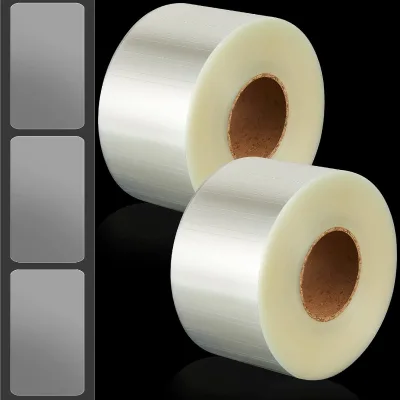


Custom White Label for Bottle Food Products Safe Sealing Waterproof Label
$0.55 - $0.65
MOQ: 100 Rolls


Waterproof Pet Oil Adhesive Labels for Durable Industrial Applications
$109.90 - $110.00
MOQ: 1000 Meters


Comprehensive Sourcing Guide
Waterproof Round Wafer Seal Labels Sourcing Guide
Procuring Waterproof Round Wafer Seal Labels requires a strategic approach that balances aesthetic customization with rigorous functional performance. Buyers must first define the specific adhesive requirements, as these labels often serve as tamper-evident seals for bottled beverages, medicine, or general packaging films. The core challenge lies in selecting a material that maintains integrity under varying environmental conditions while ensuring the adhesive bond remains secure. Understanding the interplay between material composition, adhesive type, and printing technology is essential for achieving a product that meets both brand identity and operational durability standards.
The sourcing landscape offers significant flexibility in shape and size, with suppliers frequently accommodating custom round wafer designs alongside standard rectangular or square formats. Buyers should prioritize vendors who demonstrate expertise in handling diverse substrates, including PVC, PE, PP, and paper-based options, to ensure the label performs correctly on the intended surface. It is critical to verify that the chosen material provides the necessary waterproof and oil-proof characteristics, especially for products exposed to moisture or refrigeration. This foundational understanding guides the subsequent evaluation of technical specifications and supplier capabilities.
Product Scope and Observed Listing Signals
Market listings for these labels reveal a wide spectrum of customization options, with many suppliers offering accept customized shapes and sizes to fit unique packaging needs. The observed product attributes indicate a strong emphasis on visual presentation, with printing methods ranging from offset and UV to digital and laser techniques. Buyers should note that color options often include CMYK or Pantone matching, allowing for precise brand alignment. The presence of features like quick-dry capabilities and writable surfaces suggests versatility for both pre-printed branding and post-production coding, catering to dynamic supply chain requirements.
Commercial signals in the market highlight a variable minimum order quantity (MOQ) structure, typically ranging from 50 to 5,000 pieces, which accommodates both small-batch prototyping and large-scale production runs. Delivery times are generally cited between 7 and 20 days, reflecting the custom nature of the manufacturing process. Suppliers often provide free samples to validate quality before committing to bulk orders, a practice that significantly reduces procurement risk. Understanding these commercial norms helps buyers set realistic expectations for lead times and initial investment, facilitating smoother negotiations and project planning.
Technical Specifications to Verify
When evaluating technical specifications, the adhesive type is a primary consideration, with permanent adhesives being the standard for secure sealing applications. Buyers must verify the temperature resistance of the label, ensuring it can withstand room temperature, low-temperature refrigeration, or high-temperature processing environments without delaminating or losing adhesion. The transparency of the label, often described as opaque, impacts how underlying product information is displayed, so visual confirmation of opacity levels is necessary. Additionally, the single gross weight and package dimensions should be assessed to optimize logistics and storage efficiency.
Printing technology plays a crucial role in the longevity and clarity of the label, with options including screen printing, flexographic printing, and letterpress methods. Buyers should confirm the supported artwork formats, such as AI, PDF, CDR, or PSD, to ensure seamless file transfer and production readiness. The choice of material, whether PVC, resin, or paper, directly influences the label’s durability and water resistance. It is advisable to request physical samples to test the adhesion strength and print quality under real-world conditions, ensuring the technical specifications align with the product’s operational demands.
Compliance and Safety Documentation
Regulatory compliance is paramount, particularly for labels used in the pharmaceutical or food and beverage industries. Buyers should verify that suppliers hold relevant certifications, such as ISO9001 for quality management and SGS for material safety, which provide assurance of consistent manufacturing standards. These certifications indicate that the supplier adheres to internationally recognized protocols for production quality and environmental responsibility. Ensuring that the materials used are compliant with relevant food-contact or medical-grade regulations is essential to avoid legal liabilities and ensure product safety.
Documentation should also include detailed material safety data sheets (MSDS) and declarations of conformity, which outline the chemical composition and safety handling instructions for the labels. Buyers must confirm that the inks and adhesives used are non-toxic and meet regional regulatory requirements, such as REACH in Europe or FDA standards in the United States. Requesting these documents during the supplier qualification phase helps mitigate risks associated with non-compliant materials. Proper documentation not only facilitates customs clearance but also builds trust with end consumers who are increasingly concerned about product safety and sustainability.
Cost Drivers and Commercial Terms
Several factors influence the final cost of Waterproof Round Wafer Seal Labels, with material selection and printing complexity being primary drivers. Custom shapes and sizes often incur higher tooling and setup costs compared to standard formats, while multi-color printing or special finishes like UV coating can increase per-unit pricing. Buyers should analyze the total cost of ownership, including shipping and handling, rather than focusing solely on the unit price. Understanding these cost drivers enables more accurate budgeting and helps in negotiating favorable terms with suppliers.
Payment terms and shipping logistics also play a significant role in the commercial agreement. Common payment methods include T/T, PayPal, and Western Union, with terms often structured to balance risk for both parties. Shipping ports such as Shanghai, Wuxi, and Ningbo are frequently cited, indicating established export infrastructure. Buyers should clarify who bears the responsibility for freight and insurance costs, as well as the lead time for production and delivery. Clear commercial terms prevent unexpected expenses and ensure a smooth transaction process from order placement to final receipt.
Supplier Qualification and Quality Control
Supplier qualification involves a thorough assessment of manufacturing capabilities and quality control processes. Buyers should verify the supplier’s production capacity and lead times to ensure they can meet demand peaks without compromising quality. Requesting references from previous clients in similar industries can provide insights into the supplier’s reliability and responsiveness. Additionally, evaluating the supplier’s investment in modern printing equipment and quality assurance tools is crucial for maintaining consistent product standards. A robust supplier base minimizes the risk of production delays and quality issues.
Quality control measures should include rigorous testing for adhesion strength, water resistance, and print durability. Buyers should establish clear acceptance criteria and request pre-shipment inspections to verify that the delivered goods meet these standards. Implementing a sampling plan for incoming goods allows for ongoing quality monitoring and early detection of defects. Collaborating with suppliers on continuous improvement initiatives can further enhance product quality and operational efficiency. A proactive approach to quality control ensures that the labels perform reliably throughout their lifecycle.
Long-Term Procurement Checks
Long-term procurement success depends on establishing a sustainable relationship with suppliers who can adapt to changing market demands. Buyers should regularly review supplier performance metrics, including on-time delivery rates, defect rates, and responsiveness to issues. Continuous communication and feedback loops help identify areas for improvement and foster a collaborative partnership. Additionally, staying informed about industry trends and technological advancements ensures that the sourcing strategy remains competitive and aligned with best practices. Regular audits and performance reviews are essential for maintaining high standards.
As product requirements evolve, buyers must be prepared to adjust their sourcing strategies accordingly. This may involve exploring new materials, printing technologies, or supplier options to meet emerging needs for sustainability or functionality. Building a diversified supplier base reduces dependency on single sources and mitigates supply chain risks. By maintaining a strategic focus on quality, compliance, and cost-effectiveness, buyers can secure a reliable supply of Waterproof Round Wafer Seal Labels that support their brand and operational goals.
FAQs
Can I get custom shapes for Waterproof Round Wafer Seal Labels?
Yes, you can get custom shapes including round, square, or rectangle designs. The product accepts customized shapes and sizes to meet specific branding needs. Materials like PVC, PE, or paper are available for these custom adhesive stickers.
What printing methods are available for these adhesive labels?
Multiple printing methods are available including offset, UV, digital, color, laser, letterpress, screen, and flexographic printing. These options allow for high-quality custom logos and artwork in formats like AI, PDF, CDR, or PSD files.
What is the minimum order quantity for custom waterproof labels?
The minimum order quantity varies between 1000 and 5000 pieces depending on the specific supplier and customization level. Some listings indicate an MOQ of 1000 pieces while others require 3000 or 5000 pieces for production.
How long does delivery take for these custom seal labels?
Delivery times typically range from 7 to 20 days after order confirmation. Some suppliers offer faster turnaround of 7 to 10 days, while others may require up to 20 days depending on the complexity and volume of the custom order.
Are these labels waterproof and suitable for various temperatures?
Yes, the labels are waterproof, oil-proof, and feature permanent adhesive for secure bonding. They are designed to withstand room, low, and high temperatures, making them suitable for bottled beverages, medicine, and general packaging applications.
Which certifications do the manufacturers hold for these products?
Manufacturers often hold ISO9001 and SGS certifications to ensure quality standards. These certifications verify that the production processes meet international requirements for safety and reliability in manufacturing custom adhesive stickers and packaging films.
Can I request free samples before placing a large order?
Yes, free samples are available for evaluation before committing to a bulk purchase. This allows buyers to verify the material quality, print accuracy, and adhesive strength of the Waterproof Round Wafer Seal Labels.