Find Waterproof Shockproof Lambskin Phone Case for Travel Work
Source a selection of 30 waterproof shockproof lambskin phone cases designed for daily protection and style. Buyers can compare specifications, materials, and customization options from verified suppliers to find the ideal solution for travel, work, and everyday use.
Key considerations
Products List

Touchscreen Swimming Waterproof Phone Case
$0.66 - $0.83
MOQ: 122 Pieces
Jinhua Hengyang Cross-Border Trade Limited Liability Company


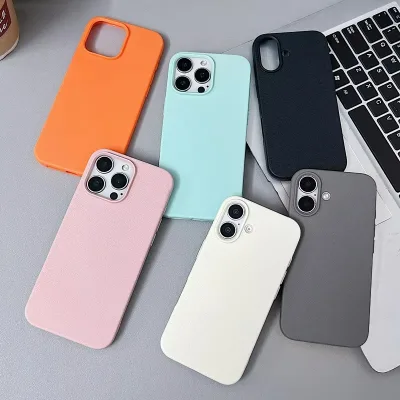
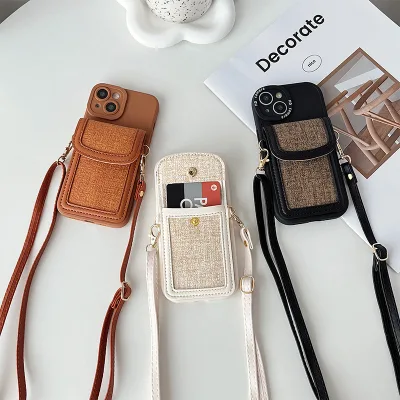


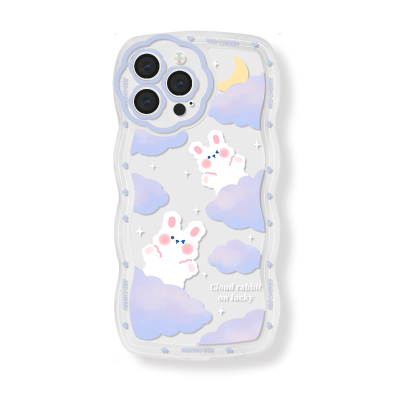
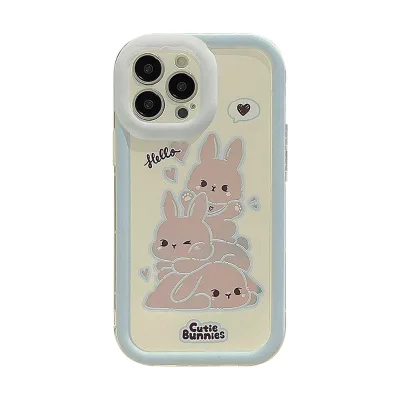
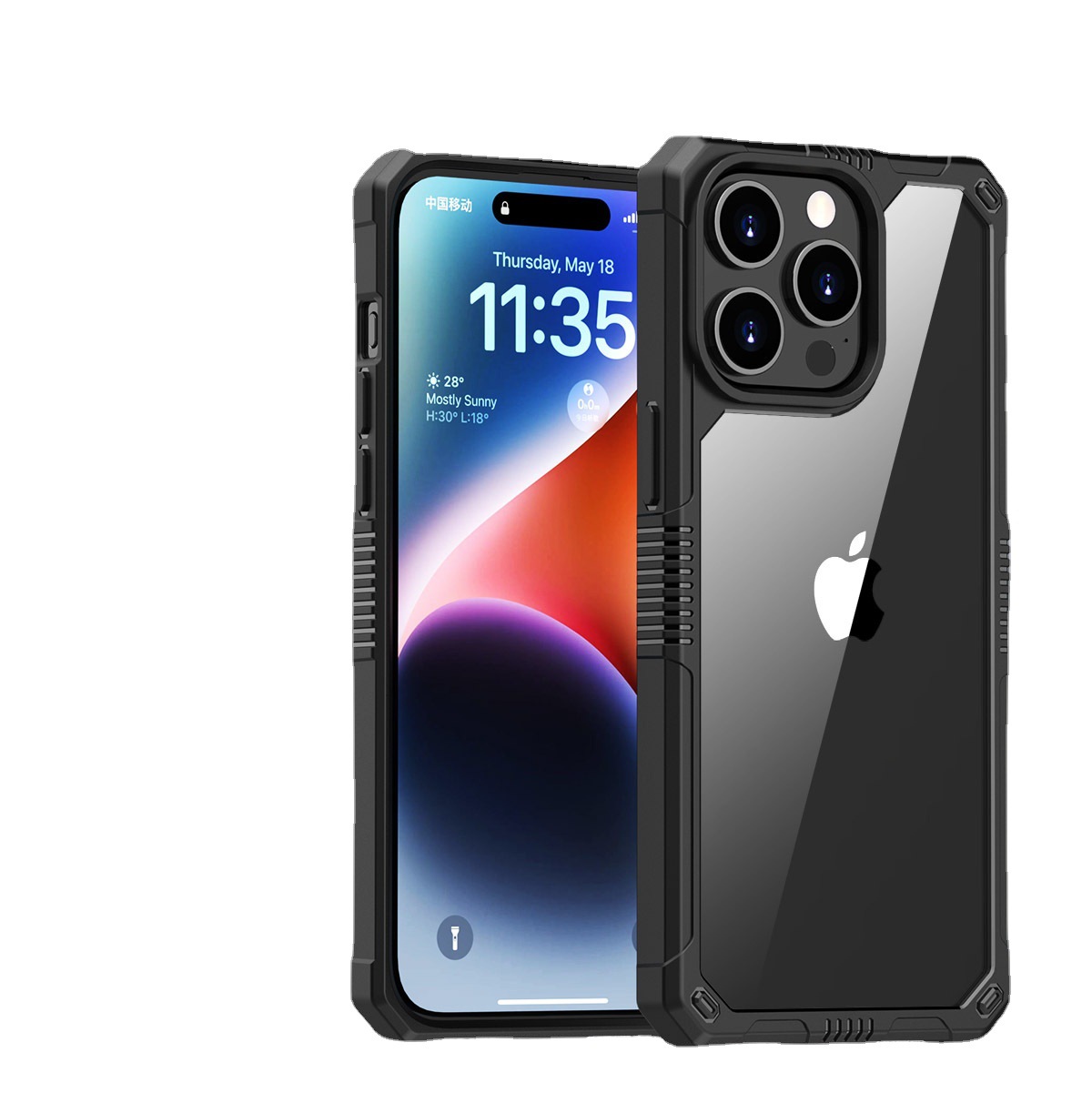
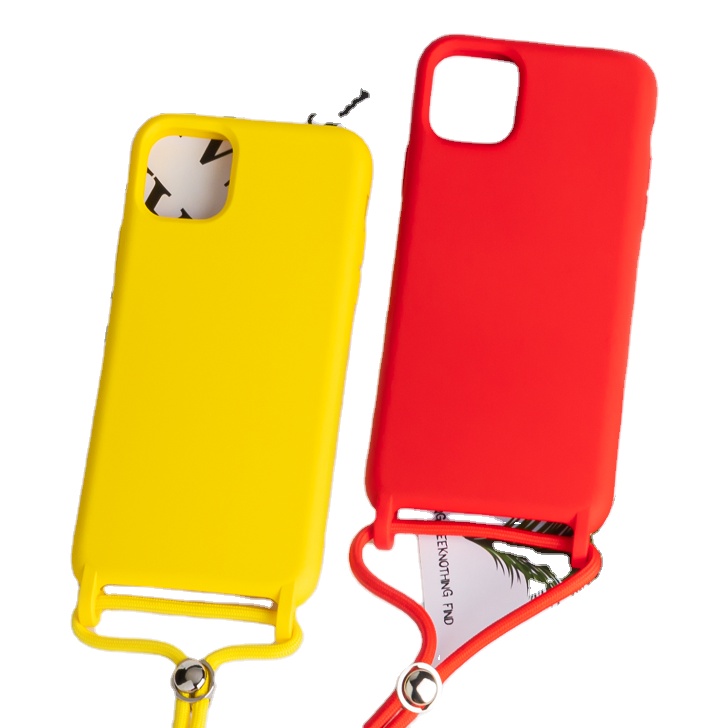


Comprehensive Sourcing Guide
Strategic Sourcing Guide for Waterproof Shockproof Lambskin Phone Cases
Understanding the Product Category and Material Realities
When sourcing a Waterproof Shockproof Lambskin Phone Case, buyers must first reconcile the specific material requirements with the functional claims found in the market. The core keyword implies a combination of premium tactile aesthetics, typically associated with lambskin, alongside high-performance protective features. However, the available product data indicates a diverse range of materials used in the industry, including TPU (Thermoplastic Polyurethane) and PU (Polyurethane), which are frequently cited as alternatives to genuine leather or lambskin. While the search term specifies lambskin, the observed market data shows that many "leather" cases are constructed from PU materials designed to mimic the look and feel of leather while offering enhanced durability and water resistance.
Buyers should verify the specific material composition before finalizing a purchase order. The distinction between genuine lambskin and synthetic PU is critical because it dictates the manufacturing process, cost structure, and long-term performance. Genuine lambskin requires specialized tanning and finishing to achieve waterproof and shockproof properties, whereas PU cases often rely on coating technologies or multi-layer construction to meet these functional standards. The observed product attributes highlight that "Waterproof" and "Shock Absorbent" are common functional claims across various models, including those made from TPU and PU. Therefore, the procurement strategy must focus on verifying the material authenticity and the specific engineering behind the waterproof claims, rather than assuming all cases labeled as "leather" or "lambskin" possess identical protective capabilities.
Technical Specifications and Functional Verification
The technical specifications for a waterproof shockproof case involve a complex interplay of material hardness, structural design, and sealing mechanisms. Based on the observed product data, hardness levels vary significantly, ranging from "Soft" to "Medium Soft" and "Soft Shell" configurations. These attributes directly influence the shock absorption capability. A case described as "Soft" or "Medium Soft" typically relies on the material's ability to dissipate impact energy through deformation, whereas a "Hard" case might rely on rigid structural integrity. For a waterproof claim to be valid, the case must incorporate a sealed design that prevents water ingress through buttons, ports, or seams.
The data indicates that specific models feature "Waterproof," "Shock Absorbent," "Anti-slip," and "Dirt-resistant" functions. Some advanced iterations even include "Privacy Filter" capabilities, suggesting a multi-functional approach to case design. When evaluating a potential supplier, buyers must request detailed technical drawings that illustrate how the waterproof seal is achieved. Is it an O-ring gasket, a welded seam, or a tightly fitted snap closure? The "Holder Type" is another critical specification; many observed products are listed as "Without holder" or "Without Car Holder," meaning the waterproof integrity relies entirely on the case's fit and finish rather than an integrated mounting system.
Furthermore, the "Single package size" and "Standard" dimensions (e.g., 22113cm or 17X12X2 cm) provide insight into the bulkiness of the case. A case that is too thick may compromise the "Soft" aesthetic while offering excessive protection, whereas a case that is too thin may fail to meet shockproof standards. Buyers should verify that the internal dimensions match the specific phone model (e.g., "For iPhone") to ensure a snug fit, which is a prerequisite for effective waterproofing. The "Design" attributes, such as "Full Body" or "Customized," also play a role in determining the level of protection. A full-body design often offers superior shock absorption by covering the edges and corners, which are the most vulnerable points during a drop.
Compliance, Certification, and Regulatory Standards
Navigating the compliance landscape is essential for sourcing phone cases that meet international safety and environmental standards. The observed product data lists several certifications, including ISO9001 and RoHS. ISO9001 is a quality management standard that indicates the supplier has established processes to ensure consistent product quality. This is particularly relevant for waterproof and shockproof claims, as it suggests a systematic approach to testing and quality control. However, ISO9001 is a process certification, not a product-specific performance guarantee. Buyers must understand that while a supplier may hold ISO9001, it does not automatically validate the waterproof rating of every individual unit produced.
RoHS (Restriction of Hazardous Substances) is another critical certification mentioned in the data. This standard ensures that the materials used in the case, including the TPU, PU, or any leather treatments, do not contain restricted levels of hazardous substances such as lead, mercury, or cadmium. For buyers targeting markets in the European Union or other regions with strict environmental regulations, RoHS compliance is often a mandatory requirement. The data also notes "Costomized" certification in some entries, which implies that suppliers may offer tailored compliance documentation based on the specific destination market.
Buyers should also be aware of the "Standard" attributes listed, such as "22113cm" or "customized." These dimensions are often internal production standards rather than international safety standards. To ensure compliance, buyers must verify if the product meets specific regional standards for water resistance, such as IP (Ingress Protection) ratings. While the provided data does not explicitly list IP ratings (e.g., IP67 or IP68), the claim of "Waterproof" necessitates that the product undergoes rigorous testing against water immersion. Buyers should request test reports from independent laboratories to confirm that the waterproof claims are backed by empirical data, rather than relying solely on the supplier's internal assertions.
Cost Drivers and Pricing Dynamics
The pricing of waterproof shockproof lambskin phone cases is influenced by a variety of factors, including material costs, manufacturing complexity, and customization requirements. The observed price range in the market spans from $0.28 to $10.00 USD, a wide variance that reflects differences in material quality, brand positioning, and feature sets. Lower-priced items in this range are likely to be made from standard PU or TPU materials with basic waterproofing features, while higher-priced items may incorporate genuine lambskin, advanced sealing technologies, or premium branding.
Material costs are a primary driver of price. Genuine lambskin is significantly more expensive than synthetic alternatives like PU or TPU. Additionally, the cost of waterproofing treatments, such as specialized coatings or welding processes, adds to the overall production cost. The "Customization" attribute is another significant cost factor. Suppliers offering "Costomized" logos, designs, or packaging (e.g., "Each Packed in a Polybag" vs. "Carton") will charge a premium for these services. The MOQ (Minimum Order Quantity) range of 2 to 1000 units also impacts the unit price; higher volumes typically result in lower per-unit costs due to economies of scale.
Buyers must also consider the "Process" costs, such as "Thermal transfer" for logo application or other special crafts. While some products are listed as having "No special craft," others may require intricate finishing to achieve the desired aesthetic and functional properties. The "Place of Origin" (e.g., China, Jiangsu, Guangdong) can also influence pricing due to regional labor costs and supply chain efficiencies. However, buyers should not assume that a lower price automatically equates to lower quality; rather, they should analyze the specific material and feature set to determine the value proposition.
Supplier Evaluation and Sourcing Strategy
Evaluating suppliers for waterproof shockproof phone cases requires a multi-faceted approach that goes beyond simple price comparison. The observed data highlights several key attributes that can serve as indicators of supplier capability. First, look for suppliers who explicitly state "OEM: Yes" and offer "Customized" design options. This indicates a willingness to collaborate and adapt to specific buyer requirements, which is crucial for branding and product differentiation. Suppliers with "ISO9001" certification are generally more reliable, as they have established quality management systems.
The "Style" and "Design" attributes provide insight into the supplier's design capabilities. Options like "Simplicity," "Cartoon," or "Full Body" suggest a range of aesthetic preferences. A supplier that can produce both "Simplicity" and "Cartoon" styles demonstrates versatility. Additionally, the "Compatible Brand" information, such as "For iPhone," indicates the supplier's ability to produce cases for specific device models. Buyers should verify the supplier's inventory of molds and tooling to ensure they can produce cases for the desired phone models without significant lead times.
Location is another critical factor. The data mentions origins in "China," "Jiangsu," and "Guangdong." These regions are known for their manufacturing clusters, but buyers should verify the specific factory location to assess logistics and communication efficiency. Suppliers located in established industrial hubs may have better access to raw materials and skilled labor. However, buyers should also consider the "Lead Time" and "MOQ" constraints. A supplier with a high MOQ (e.g., 1000 units) may not be suitable for small businesses, while one with a low MOQ (e.g., 2 units) might lack the capacity for large-scale production.
Quality Control and Long-Term Procurement Considerations
Ensuring consistent quality in waterproof shockproof phone cases requires a robust quality control (QC) strategy. Given the functional claims of "Waterproof," "Shock Absorbent," and "Dirt-resistant," buyers must implement rigorous testing protocols. This includes drop tests to verify shock absorption and water immersion tests to confirm waterproof integrity. The "Hardness" attribute, ranging from "Soft" to "Medium Soft," should be measured using standardized durometers to ensure consistency across batches.
Long-term procurement considerations involve building a sustainable relationship with suppliers who can maintain quality over time. Buyers should request samples for initial testing and establish clear acceptance criteria. The "Packing" method, such as "Carton" or "Each Packed in a Polybag," affects the product's condition during transit and should be evaluated for its protective capabilities. Additionally, the "Design" consistency is vital; any deviation from the approved design can lead to customer dissatisfaction.
Buyers should also monitor the "Certification" status of the supplier over time. Certifications like ISO9001 and RoHS may require periodic renewal or audits. Maintaining a close relationship with the supplier can help ensure that these certifications remain valid and that the supplier adheres to the agreed-upon standards. Finally, buyers should consider the "Function" longevity. A case that is waterproof today may degrade over time due to wear and tear. Understanding the expected lifespan of the product and the supplier's warranty or return policy is essential for long-term procurement success.
Comparative Analysis of Product Attributes
To facilitate decision-making, the following table summarizes key attributes observed in the market for waterproof shockproof phone cases. This comparison highlights the diversity in materials, certifications, and functional claims available to buyers.
| Attribute | Observation 1 | Observation 2 | Observation 3 | Observation 4 |
|---|---|---|---|---|
| Material | TPU | PU | Leather (implied) | Lambskin (Target) |
| Hardness | Soft | Medium Soft | Soft Shell | Variable |
| Certification | ISO9001 | RoHS, ISO9001 | Costomized | ISO9001 |
| Function | Waterproof | Waterproof, Shock Absorbent | Waterproof, Anti-slip | Waterproof, Shockproof |
| Style | Simplicity | Cartoon | Full Body | Customized |
| Origin | China | Jiangsu | Guangdong | China |
| Packing | Carton | Polybag | Carton | Polybag |
| MOQ | 2-1000 | 2-1000 | 2-1000 | 2-1000 |
This table illustrates that while the core keyword focuses on "lambskin," the market offers a wide array of materials and features. Buyers must carefully select the option that best aligns with their specific needs, balancing cost, aesthetics, and performance. The presence of "Waterproof" and "Shock Absorbent" functions across multiple entries suggests that these are standard expectations, but the specific implementation varies by material and design. By understanding these nuances, buyers can make informed decisions that optimize their procurement strategy and ensure product satisfaction.
FAQs
What materials are used for waterproof shockproof lambskin phone cases?
These cases typically use TPU or PU materials rather than genuine lambskin. The observed data shows TPU and PU are common alternatives that mimic leather while offering enhanced durability and water resistance for functional protection.
Which certifications should I verify for these phone cases?
Look for ISO9001 and RoHS certifications as observed in the product data. ISO9001 indicates a quality management system, while RoHS ensures restricted hazardous substances are not present in the TPU or PU materials used.
How is the waterproof feature achieved in these phone cases?
Waterproofing relies on sealed designs, coatings, or multi-layer construction rather than just the material. Buyers must verify specific sealing mechanisms like welded seams or tight fits to ensure water ingress is prevented effectively.
Can I customize the design and logo for these cases?
Yes, customization is available for logos and designs as indicated by the product attributes. Suppliers offer OEM services with options for customized packaging and specific design requirements like full-body or cartoon styles.
What is the typical price range for these phone cases?
The observed price range spans from 0.28 to 10 USD per unit. Pricing varies based on material quality, whether genuine or synthetic, and the level of customization or special craft required for the specific model.
Which hardness levels are available for shockproof protection?
Available hardness levels range from Soft to Medium Soft as observed in the product specifications. These softer materials rely on deformation to dissipate impact energy, providing shock absorption for the device.
What are the standard packaging options for these cases?
Packaging options include individual polybags or cartons as seen in the product attributes. Some items are packed individually in a polybag, while others may be grouped in cartons depending on the supplier and order size.