Source Waterproof Shockproof Rugged Tablet for Field, Warehouse, and Construction
Compare 25 waterproof shockproof rugged tablets featuring Android or Windows OS, 4G connectivity, and Mil-Std-810g certification. Buyers can evaluate specs like screen size, battery capacity, and durability ratings from verified Chinese manufacturers.
Key considerations
Products List


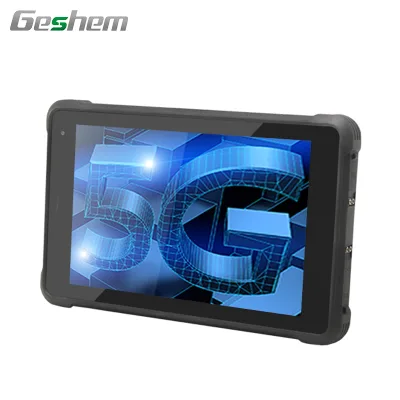


Rugged Tablet IP68 Waterproof Shockproof Dustproof 4G LTE 8 Inch Touch Screen Tablet
$44.50 - $46.50
MOQ: 100 Pieces
Comprehensive Sourcing Guide
Waterproof Shockproof Rugged Tablet Sourcing Guide
Selecting the right rugged tablet requires balancing industrial durability with specific technical performance. Buyers must evaluate devices that combine physical resilience with robust connectivity options. The market offers models with varying operating systems, screen sizes, and processing power. Understanding these distinctions ensures the selected hardware meets operational demands in harsh environments.
Procurement decisions should focus on verified specifications rather than marketing claims. Key attributes include drop resistance, water protection levels, and screen durability. Buyers need to confirm that the device’s physical dimensions and weight align with field deployment needs. This guide provides a structured approach to evaluating rugged tablets based on observed market data and technical requirements.
Product Scope and Observed Listing Signals
The current market for rugged tablets includes devices with diverse configurations. Observed listings show a price range from approximately $44.5 to $504 USD. This wide variance reflects differences in hardware quality, certification levels, and feature sets. Buyers should expect significant price differences between entry-level models and those with advanced industrial features.
Minimum order quantities (MOQ) typically range from 1 to 100 units. This flexibility allows for both single-unit testing and bulk procurement. Some suppliers offer customization options, which can be crucial for specialized industrial applications. Buyers should verify if the supplier supports custom branding or software pre-installation before placing large orders.
Technical Specifications to Verify
Screen size and type are critical for usability in various lighting conditions. Observed models include screens ranging from 8 inches to 10.1 inches or larger. Capacitive screens are common, offering responsive touch control even with gloves. Buyers should verify the screen type and resolution to ensure clarity in outdoor or low-light environments.
Processing power and memory vary significantly across models. Some devices use Intel Celeron processors, while others utilize MediaTek octa-core chips or RK3568 processors. Memory configurations often include 4GB of RAM, with storage capacities ranging from 64GB to 128GB or more. Buyers must match the processor and storage to their software requirements, especially for resource-intensive applications.
Connectivity options are essential for field operations. Many rugged tablets support 4G and WiFi, with some models including 3G capabilities. Built-in NFC, Bluetooth 5.0, and card readers enhance data transfer and device integration. Buyers should confirm the presence of these features if they rely on wireless payments, asset tracking, or peripheral connectivity.
Battery life and physical durability are paramount for rugged devices. Observed models feature batteries exceeding 8000mAh, ensuring extended usage. Durability features include anti-dust, shockproof, and waterproof designs. Some devices are certified to Mil-Std-810g standards, indicating resistance to extreme conditions. Buyers should verify the drop height tolerance, with some models rated for 1.22m drops.
Compliance and Safety Documentation
Certifications ensure that rugged tablets meet international safety and performance standards. CE certification is commonly observed, indicating compliance with European health, safety, and environmental protection standards. Buyers should request valid certification documents to verify that the devices meet regulatory requirements for their target markets.
Additional certifications may include FCC or RoHS compliance, depending on the destination. Buyers should verify that the supplier provides up-to-date certification reports. These documents are crucial for customs clearance and legal deployment in regulated industries. Failure to verify certifications can lead to shipment delays or legal liabilities.
Cost Drivers and Commercial Terms
Price variations are driven by hardware specifications, certifications, and customization options. Devices with higher processing power, larger screens, and advanced connectivity features command higher prices. Buyers should compare specifications across different price points to identify the best value. Avoid selecting based on price alone; consider the total cost of ownership, including maintenance and support.
Commercial terms such as MOQ, lead times, and payment terms vary by supplier. Buyers should negotiate favorable terms based on order volume. Customization services may incur additional costs but can provide significant operational benefits. Clear communication of requirements ensures accurate quoting and avoids unexpected expenses.
Supplier Qualification and Quality Control
Supplier verification is crucial to ensure product quality and reliability. Buyers should assess the supplier’s manufacturing capabilities, quality control processes, and after-sales support. Requesting samples before bulk ordering allows for thorough testing of durability and performance. Verify that the supplier provides warranty and repair services to mitigate risks.
Quality control checks should include physical inspections and functional testing. Buyers should verify that the devices meet the specified durability standards, such as drop resistance and water protection. Requesting test reports or third-party verification adds an extra layer of assurance. Establishing clear quality expectations with the supplier helps prevent defects and ensures consistent performance.
Long-Term Procurement Checks
Long-term success depends on ongoing supplier performance and product reliability. Buyers should monitor device performance in field conditions and gather feedback from end-users. Regularly review supplier communication and support responsiveness. Establishing a feedback loop helps identify issues early and drives continuous improvement.
Stay updated on technological advancements and market trends. Newer models may offer improved battery life, processing power, or connectivity options. Periodically reassess procurement needs to ensure alignment with evolving operational requirements. Building a strong relationship with reliable suppliers facilitates smoother future purchases and better negotiation leverage.
FAQs
What operating systems are available for these rugged tablets?
These devices support both Android and Windows operating systems. Buyers can choose based on their software ecosystem needs. Android models often feature MTK or RK3568 processors, while Windows options may use Intel Celeron chips. This flexibility allows for tailored deployment in various industrial or commercial environments without compatibility issues.
Can these tablets withstand drops from significant heights?
Yes, they are designed with drop resistance capabilities. Specific models are certified to Mil-Std-810g standards and can survive drops from 1.22 meters. This durability ensures reliable operation in harsh environments, protecting internal components from impact damage during daily use in construction, logistics, or field service applications.
What connectivity options do these rugged tablets offer?
These tablets provide versatile connectivity including WiFi and 4G network modes. Some models also support 3G networks for broader coverage. Additionally, built-in NFC compliant with ISO/IEC 14443A and Bluetooth 5.0 enable seamless data transfer and peripheral pairing, making them suitable for mobile payment or inventory tracking tasks.
Are these devices suitable for outdoor use in dusty conditions?
Yes, they feature anti-dust and waterproof designs. The rugged construction includes shockproof and drop-resistant elements to handle tough conditions. With IP-rated protection levels, these tablets prevent dust ingress and water damage, ensuring consistent performance in outdoor industrial settings, warehouses, or field operations where environmental exposure is common.
What screen sizes are available for these rugged tablets?
Screen sizes range from 8 inches to 10.1 inches or larger. Models include 10.1-inch IPS capacitive screens and 8-inch variants. These dimensions balance portability with usability, allowing users to view detailed data or maps clearly. The capacitive touch screens ensure responsive interaction even when wearing gloves or in wet conditions.
Do these tablets support fingerprint authentication?
Authentication options vary by model. Some devices include built-in fingerprint sensors for secure access, while others rely on standard login methods. This variation allows buyers to select the appropriate security level for their specific use case, whether it requires biometric verification for sensitive data or standard access for general operations.