Source Waterproof Windproof Mountain Bike Trousers for Hiking
Find 30 Waterproof Windproof Mountain Bike Trousers designed for outdoor activities. Compare options featuring windproof and breathable materials, various sizes, and OEM services from Chinese manufacturers to find the right gear for your needs; compare the available evidence and request quotations based on your requirements.
Key considerations
Products List
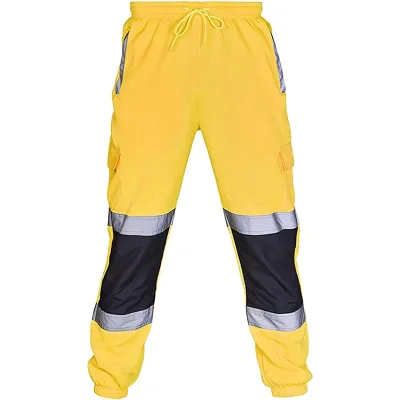
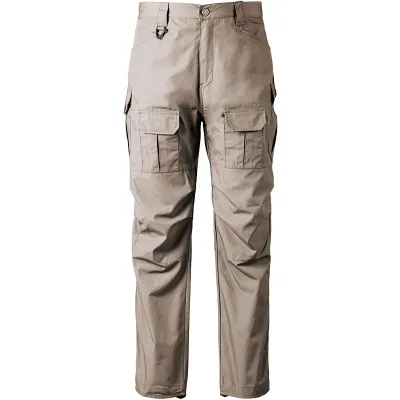
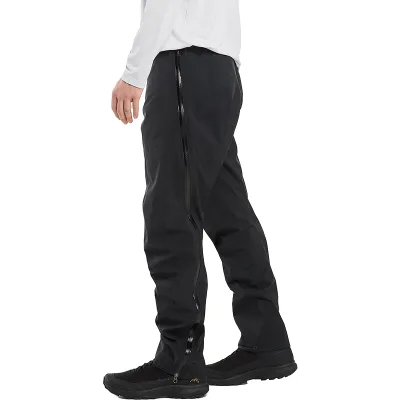
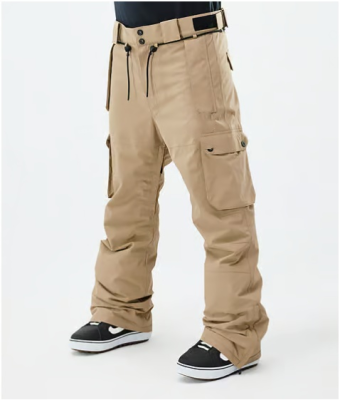
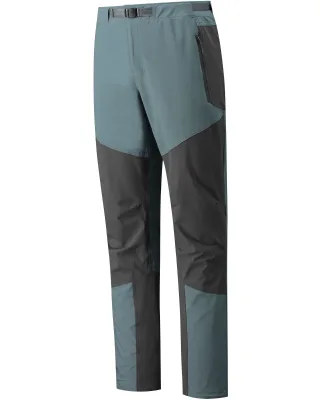


Men's Outdoor Quick-Dry Lightweight Waterproof Hiking Mountain Pants with Belt
$6.00 - $10.00
MOQ: 200 Pieces
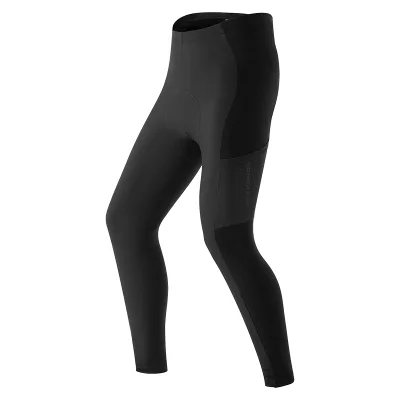
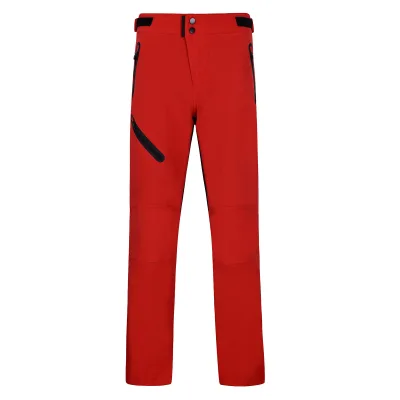


OEM Eco-Friendly Women Mountain Trousers Waterproof Hiking Pants Climbing Trousers
$6.00 - $11.00
MOQ: 500 Pieces

Men's Pant Mountain Customized Logo Climbing Pants Waterproof Hiking Trousers
$10.00 - $15.00
MOQ: 500 Pieces


Men's Waterproof Insulated Ski Pants, Windproof Snowboard Trousers with Reinforced Hem
$15.00 - $16.00
MOQ: 1000 Pieces


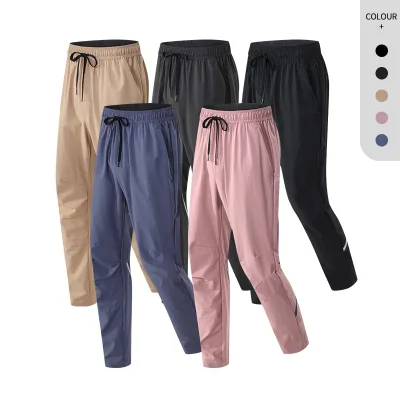


Comprehensive Sourcing Guide
Waterproof Windproof Mountain Bike Trousers Sourcing Guide
Buyers must first distinguish between general outdoor trousers and specialized mountain bike gear, as the supplied data reveals a mix of products ranging from standard hiking pants to specific cycling apparel. The observed listings include items with "WindStopper" and "Gore-Tex" technologies, which are critical for high-performance cycling where wind chill and rain resistance are paramount. However, some entries list "Spandex / Polyester" blends with "Regular" fits, which may lack the articulated knee design or stretch required for aggressive riding positions.
Procurement teams should verify that the "Fit Type" and "Sportswear Type" align with actual riding demands rather than general hiking or camping. While some products claim "Waterproof Windproof Breathable" functionality, others are marked as "Summer Spring Autumn" wear, suggesting potential gaps in thermal regulation for colder mountain environments. The presence of "Silk Screen Printing" versus "Heat-Transfer Printing" also indicates different durability expectations for logos and branding that will undergo friction from saddle contact and gear straps.
Product Scope and Observed Listing Signals
The market data indicates a diverse range of material compositions, with some trousers constructed from 100% Polyester while others utilize a Spandex and Polyester blend. This variation directly impacts the garment's ability to stretch and recover during the dynamic movements of mountain biking. Buyers should scrutinize the "Fabric Weight" of 220 grams against the "Thickness" classification, as heavier fabrics may offer better abrasion resistance but could compromise breathability during intense climbs.
Listing signals also reveal conflicting supply types, with some items available as "In-Stock Items" while others require "Oem Service" for customization. This distinction is vital for buyers needing specific branding or rapid deployment versus those seeking tailored performance features. The observed "Pattern Type" ranges from "Solid" to "Others," and the "Logo position" varies between the waist and legs, which affects the aesthetic integration of team or corporate branding on the final product.
Technical Specifications to Verify
Technical verification must begin with the "Material Technology" claims, specifically confirming the authenticity of "WindStopper" or "Gore-Tex" laminates versus generic waterproof coatings. The "Feature" list explicitly mentions "Windproof" and "Waterproof," but buyers must ensure these properties are maintained through the "Seamless Fusing" process, as the data notes "No" seamless fusing for some models, potentially creating weak points at the seams. Additionally, the "Printing Methods" used for branding must be evaluated for their resistance to abrasion from bike saddles and gear.
Buyers should also validate the "Size" ranges and "Fit Type" against ergonomic requirements for cycling. The observed sizes include "6Xl" down to "Xxs," yet the "Fit Type" is listed as both "Loose" and "Regular," which creates ambiguity for riders needing a tailored fit that prevents fabric flapping without restricting movement. The "Pockets" feature is confirmed as present, but their placement and closure mechanisms must be assessed to ensure they remain secure and accessible while wearing a backpack or hip belt during a ride.
Compliance and Safety Documentation
Safety documentation for mountain bike trousers often centers on visibility and material safety, though the supplied facts do not explicitly list high-visibility certifications. Buyers must request evidence that the "Color" options, such as "Yellow," "Orange," and "Green," meet local traffic safety standards for low-light riding conditions. While the "Feature" list highlights functional attributes, it does not confirm compliance with specific flammability or chemical safety standards required for outdoor apparel in certain jurisdictions.
Procurement teams should verify that the "Place of Origin" in Fujian or Zhejiang aligns with the supplier's ability to provide necessary export compliance documents. The "Single gross weight" and "Single package size" data points are useful for logistics but do not substitute for safety certifications regarding the "Material Technology" used. Buyers must ensure that any claimed "Breathable" properties do not rely on unverified chemical treatments that might violate environmental or health regulations in the destination market.
Cost Drivers and Commercial Terms
Cost drivers in this category are heavily influenced by the "Material Technology" and the complexity of the "Technics" employed. Products utilizing advanced membranes like "Gore-Tex" or "WINDSTOPPER SOFTSHELL" will inherently command higher prices than those using standard "Plain Dyed" polyester. The "Supply Type" also plays a significant role, as "Oem Service" orders typically involve higher unit costs due to setup fees and minimum order quantities, whereas "In-Stock Items" may offer lower margins but faster availability.
Commercial terms must account for the observed "MOQ range" of 1 to 1000 units, which allows for flexibility but requires careful negotiation to balance inventory risk. The "Lead time" for samples is noted as "Not Support" for some items, which can delay the validation of technical specifications before bulk production begins. Buyers should structure contracts to include clear penalties for delays, especially since the "7 days sample order lead time" is not universally supported, potentially impacting the overall project timeline.
Supplier Qualification and Quality Control
Supplier qualification should focus on their capacity to deliver consistent "Material" quality and adhere to the specified "Technics" like "Automated cutting." The presence of "WindStopper" technology requires suppliers to have verified supply chains for these proprietary materials, ensuring that the "Feature" claims are not merely marketing terms. Buyers must audit the supplier's quality control processes to ensure that the "Seamless Fusing" or lack thereof is executed consistently across all units to prevent water ingress.
Quality control checks must also address the "Decoration" and "Pockets" functionality, ensuring that stitching and hardware can withstand the rigors of mountain biking. The "Single gross weight" of 20.000 kg for some packages suggests bulk shipping, which increases the risk of damage during transit if packaging is not robust. Buyers should implement pre-shipment inspections that specifically test the "Waterproof" and "Windproof" claims under simulated riding conditions to verify that the "Fabric Weight" and "Thickness" provide the necessary protection.
Long-Term Procurement Checks
Long-term procurement requires monitoring the durability of the "Material" and "Technics" over repeated wash cycles and extended use. The "Season" classification of "All Seasons" or "Summer Spring Autumn" must be validated through real-world testing to ensure the trousers do not degrade in extreme weather conditions. Buyers should track return rates and customer feedback regarding the "Fit Type" and "Size" consistency to identify any systemic issues with the manufacturing process.
Sustainability and supply chain resilience are also critical for long-term success, particularly given the reliance on specific "Material Technology" like "Gore-Tex." Buyers should establish relationships with suppliers who can demonstrate consistent adherence to the "Place of Origin" standards and provide transparent updates on material availability. Regular audits of the "Printing Methods" and "Logo position" will ensure that branding remains intact and that the product continues to meet the evolving expectations of the mountain biking community.
FAQs
What material is used for these Waterproof Windproof Mountain Bike Trousers?
The trousers are made from 100% polyester or a blend of spandex and polyester. Some variants feature WindStopper technology for enhanced protection. This ensures durability while maintaining flexibility for active riding conditions.
Which sizes are available for these outdoor pants?
Available sizes range from XXS to 6XL, including standard options like S, M, L, and XL. Specific listings also offer other custom sizing options. Buyers should check the size chart for exact measurements before ordering.
Can I get a sample order with a quick lead time?
Sample orders are not supported with a seven-day lead time for this specific product line. Buyers must verify sample availability directly with the supplier. Standard lead times may vary based on order volume and customization requirements.
What features do these trousers offer for outdoor activities?
These trousers provide windproof and waterproof protection suitable for all seasons. They include multiple pockets and are designed for loose or regular fits. The fabric is also breathable, making them ideal for hiking, climbing, and cycling.
Where are these trousers manufactured?
Manufacturing locations include Fujian and Zhejiang provinces in China. These regions are known for producing high-quality textile goods. Buyers can expect consistent production standards from these established manufacturing hubs.
What is the minimum order quantity for these pants?
The minimum order quantity ranges from one to one thousand units depending on the supplier. Some listings offer single item selling units while others require bulk purchases. Buyers should confirm the specific MOQ with the vendor.
How are the logos positioned on these trousers?
Logos can be placed on the waist, left leg, or right leg. Customization options allow for specific branding placement. Buyers should discuss logo positioning details with the supplier during the ordering process.