Source Wear Resistant Needle Punched Nonwoven for Bags, Auto, and Insulation
Find and compare 30 listings for Wear Resistant Needle Punched Nonwoven suitable for home textiles, automotive upholstery, and industrial insulation. Evaluate options based on GSM density, width, and customization availability to find the right material for your project.
Key considerations
Products List


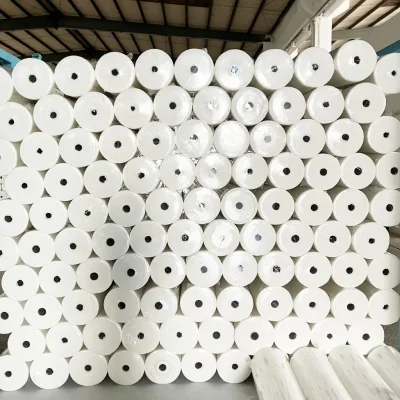
Needle Punch Felt Punched Nonwoven Fabric Needle Punched Non-Woven Fabric
$0.50 - $2.00
MOQ: 1000 Meters




Comprehensive Sourcing Guide
Wear Resistant Needle Punched Nonwoven Sourcing Guide
This guide addresses the procurement of wear-resistant needle punched nonwoven materials, focusing on verified product attributes and commercial realities observed in current market listings. Buyers must distinguish between generic nonwoven descriptions and specific technical capabilities, particularly regarding the needle-punched process which enhances structural integrity and durability. The supply chain for these materials is concentrated in regions like Zhejiang, China, where manufacturers offer a wide spectrum of densities and widths to meet diverse industrial needs.
Sourcing decisions should be grounded in the specific functional requirements of the end application, whether for automotive upholstery, home textiles, or industrial insulation. The observed market data indicates a significant variance in product specifications, ranging from lightweight bag linings to heavy-duty geomembranes, necessitating a rigorous verification process before placing orders. Understanding the distinction between standard nonwoven fabrics and those engineered for high wear resistance is critical for ensuring the material performs under the intended stress conditions.
Product Scope and Observed Listing Signals
The market for needle punched nonwovens presents a broad scope of applications, including home textiles, bags, dress linings, shoes, and automotive upholstery. Listings frequently highlight features such as anti-static, flame retardant, and anti-tear properties, which are essential for products requiring durability and safety compliance. Buyers should note that while "wear resistance" is a key attribute, it is often supported by specific physical features like medium strength and anti-pull capabilities, which must be confirmed against the specific product model, such as the NW-08 or NW-09 series.
Listing signals also reveal significant variability in product dimensions and packaging, with widths ranging from 58/60 inches up to a maximum of 3.5 meters and thicknesses described as medium weight or specific millimeter ranges like 0.2-3.0mm. The density of these materials is equally diverse, with observed ranges spanning from 70 to 800 GSM, and in some industrial contexts, extending up to 8000 GSM for specialized heavy-duty applications. This variance means that a single product listing may not satisfy all project requirements, and buyers must carefully cross-reference the stated density and width with their specific engineering constraints.
Technical Specifications to Verify
When evaluating needle punched nonwovens, the primary technical verification must focus on the production technology and resulting physical density. The needle-punched process is a confirmed method for creating these fabrics, providing the necessary mechanical interlocking of fibers to achieve the desired wear resistance and structural stability. Buyers should explicitly verify the density range, as the market offers options from 70-800 GSM for general use to heavier variants, ensuring the selected material matches the load-bearing and abrasion requirements of the final product.
Dimensional consistency and material composition are equally critical verification points, as listings indicate widths can be customized or fixed at standard sizes like 58/60 inches, with some suppliers offering widths up to 3.5 meters. The material composition is often polypropylene (PP), but the specific weight and thickness, such as the 0.2-3.0mm range observed, must be confirmed to ensure compatibility with downstream manufacturing processes. Additionally, features like shrink-resistance, breathability, and anti-bacterial properties should be validated against the specific product model to guarantee performance in environments ranging from automotive interiors to outdoor storage solutions.
Compliance and Safety Documentation
Compliance verification for needle punched nonwovens requires a clear understanding of the safety standards and certifications relevant to the intended application, particularly for automotive and home textile uses. While some listings reference SGS standards, buyers must confirm that the specific batch or product model carries the necessary certifications for flame retardancy and anti-static performance, as these are critical for safety in sectors like automotive upholstery and bag manufacturing. The presence of eco-friendly and anti-bacterial features should be backed by test reports that align with industry-specific safety regulations rather than generic marketing claims.
Documentation should also address the material's chemical and physical safety, including corrosion resistance and the absence of harmful substances, especially when the product is used in insulation or direct contact applications. Buyers should request detailed material safety data sheets (MSDS) and test results that verify the anti-tear and anti-pull capabilities, ensuring the material meets the durability expectations without compromising safety. It is essential to distinguish between general quality claims and verified compliance data, ensuring that the supplier can provide evidence for every safety attribute listed in the product specification.
Cost Drivers and Commercial Terms
The cost of needle punched nonwoven materials is heavily influenced by the density, width, and specific functional additives such as flame retardants or anti-static agents. Listings show a wide price range, from as low as $0.02 to $24,000, reflecting the vast difference between lightweight, standard-density fabrics and heavy-duty, specialized industrial rolls. Buyers must analyze the cost per unit area relative to the required GSM and thickness, as higher density and specialized features like corrosion resistance or specific widths up to 3.5 meters will significantly impact the final unit price.
Commercial terms regarding minimum order quantities (MOQ) and lead times are equally variable, with observed MOQs ranging from 1 unit to 24,000 units and delivery times typically spanning 15-20 days. The packaging method, whether in rolls of 200 meters, loose packing with plastic bags, or PE+polybag combinations, can also affect logistics costs and handling requirements. Buyers should negotiate based on the specific product model and density, ensuring that the quoted price includes all necessary customization, such as required colors or sizes, and that the lead time aligns with their production schedule.
Supplier Qualification and Quality Control
Supplier qualification for needle punched nonwovens should prioritize manufacturers with a proven track record in the specific production technology and application areas relevant to the buyer. The observed concentration of suppliers in Zhejiang, China, suggests a robust supply chain, but buyers must verify the supplier's ability to maintain consistent quality across different product models, such as the needle punch felt series or polyester felt variants. Quality control processes should be scrutinized to ensure that the physical features, including medium strength and anti-tear properties, are consistently met across all production batches.
Quality assurance protocols must include rigorous testing for the specific features claimed, such as breathability, anti-static performance, and dimensional stability. Buyers should request samples, which are often available for free, to verify the texture, density, and overall feel of the material before committing to a large order. It is crucial to establish clear acceptance criteria for the product's physical attributes, ensuring that the supplier can demonstrate compliance with the specified width, thickness, and density requirements through independent testing or internal quality control records.
Long-Term Procurement Checks
Long-term procurement success depends on establishing a reliable supply chain that can consistently deliver materials meeting the evolving technical and safety requirements of the buyer's products. Buyers should implement regular audits of supplier performance, focusing on the consistency of product attributes like density, width, and functional features such as anti-bacterial and eco-friendly properties. Maintaining a relationship with suppliers who offer customization and can adapt to specific size or color requests is essential for managing the diverse needs of applications ranging from automotive upholstery to industrial insulation.
Continuous monitoring of market trends and technological advancements in needle punched nonwovens will help buyers stay ahead of potential supply chain disruptions or quality issues. It is advisable to maintain a buffer stock of critical materials and to regularly review the supplier's ability to meet lead times and delivery schedules, especially given the variability in production capacity observed in the market. By fostering a collaborative relationship with qualified suppliers, buyers can ensure a steady supply of high-quality, wear-resistant materials that support the long-term reliability and safety of their end products.
FAQs
What are the key features of needle punched nonwoven fabric?
The fabric offers anti-static, flame retardant, and anti-tear properties. It is breathable, eco-friendly, and anti-bacterial. These features make it suitable for home textiles, bags, and auto upholstery. The material is available in dyed or printed styles with medium strength and weight.
Can I customize the size and color of the nonwoven material?
Yes, customization is available for both size and color. You can request specific dimensions, with widths up to 3.5 meters or 1-6 meters depending on the model. Colors can be tailored to your requirements, ensuring the final product matches your design specifications precisely.
What is the typical delivery time for orders?
The standard delivery time is 15-20 days. This timeframe applies to most orders placed with suppliers in Zhejiang, China. Please confirm specific lead times with your chosen vendor, as production schedules may vary based on order volume and customization requirements.
What is the density range for the needle punched felt?
The density ranges from 70 to 800 GSM. This wide range allows for various applications, from lightweight linings to heavier insulation uses. The thickness is considered medium weight, providing a balance between durability and flexibility for different industrial and consumer products.
Is a free sample available for testing?
Yes, free samples are available for needle punched nonwoven materials. You can request samples to evaluate the texture, strength, and specific features like anti-static or anti-bacterial properties before placing a bulk order. This helps ensure the material meets your quality standards.
What certifications does the product hold?
The product holds SGS certification. This indicates that the material meets specific quality and safety standards. Buyers can request documentation to verify compliance. Additional standards like ISO 9001 may apply depending on the manufacturer, so it is best to confirm directly with the supplier.