Source wear-resistant motorcycle v belt for cars, mining, and agriculture
Find 30 options for wear-resistant motorcycle v belt designed for cars, mining equipment, and agricultural machinery. Compare specifications including material, temperature resistance, and customization support from verified Chinese manufacturers.
Key considerations
Products List


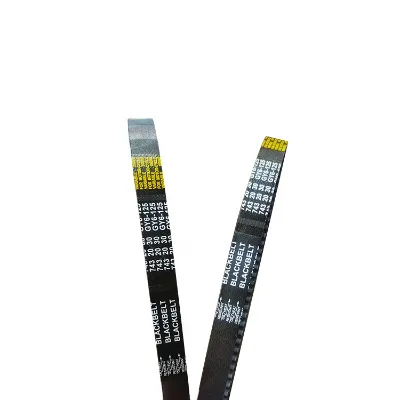


Comprehensive Sourcing Guide
Wear-Resistant Motorcycle V Belt Sourcing Guide
Sourcing high-performance drive components for two-wheeled vehicles requires a precise understanding of material science, mechanical tolerances, and supply chain reliability. The wear-resistant motorcycle V belt serves as a critical transmission element, transferring power from the engine to the rear wheel while withstanding significant thermal and mechanical stress. Buyers must navigate a market where product attributes vary widely, ranging from standard rubber compounds to specialized synthetic blends designed for extreme conditions. This guide provides a structured approach to evaluating suppliers, verifying technical specifications, and ensuring long-term operational reliability for fleet maintenance or aftermarket distribution.
The procurement process for these components is not merely about selecting a part that fits; it is about securing a supply chain that guarantees consistency in performance and durability. Observed market signals indicate a diverse range of offerings, including toothed belts, cogged V belts, and standard V belts, each with distinct advantages in grip, heat dissipation, and load capacity. Understanding the specific application context—whether for high-speed sport motorcycles, heavy-duty touring bikes, or agricultural machinery adapted for two-wheel use—is essential for narrowing down the vast array of available options. This guide focuses on the critical decision points that separate reliable, long-lasting components from those that may fail prematurely under stress.
Product Scope and Observed Listing Signals
The current market landscape for motorcycle drive belts presents a wide spectrum of product types, primarily categorized as V belts, toothed belts, and cogged V belts. Listings frequently highlight "Strong" tensile strength and "High Temperature-Resistance" as key selling points, reflecting the demanding environment these components operate in. Buyers should note that while the core keyword emphasizes V belts, many suppliers offer toothed variants that provide superior grip and reduced slippage, which is crucial for maintaining consistent power transmission. The observed price range of $0.01 to $60 USD suggests a significant variance in quality, material composition, and brand positioning, requiring careful evaluation to avoid under-specifying critical components.
Material composition is a primary differentiator among listed products, with rubber being the most common base material, often supplemented by CR (Chloroprene Rubber) or EPDM (Ethylene Propylene Diene Monomer) for enhanced durability. These materials are selected for their ability to resist oil, heat, cold, and corrosion, ensuring the belt maintains flexibility and integrity across a wide temperature range, typically cited between -40°C and 140°C. Additionally, features such as flame-retardancy, anti-static properties, and high flexibility are frequently advertised, indicating a focus on safety and adaptability to complex engine geometries. Buyers must verify that the specific material grade matches the operational demands of their target motorcycle models, as generic rubber compounds may degrade faster under high-load conditions.
Technical Specifications to Verify
Dimensional accuracy and standard compliance are non-negotiable for ensuring proper fitment and performance. Observed specifications indicate a standard length range of 600mm to 900mm for certain product lines, while others extend up to 8000mm, highlighting the need for precise model matching. Buyers should verify the exact cross-sectional dimensions, such as the 20x10x5cm packaging standard or specific belt profiles like AV10, AV15, Ax, Bx, Cx, Dx, Xpz, Xpa, Xpb, Xpc, 3vx, 5vx, and 8vx. These designations correspond to specific industry standards for belt width and height, and selecting the wrong profile can lead to improper seating in the pulley, resulting in accelerated wear or catastrophic failure.
Tolerance and surface finish are critical factors that influence the belt's lifespan and efficiency. Products are often described as having "Small Tolerance" and "High Wear Resistance," which suggests tight manufacturing controls and robust surface treatments. The surface may be smooth or rough, depending on the intended friction characteristics, and some listings mention "Cogged Belt" designs which enhance flexibility and heat dissipation. Buyers must confirm that the belt height and width align with the manufacturer's specifications for the specific motorcycle model, as even minor deviations can affect the center distance and tensioning requirements. Verifying the single package size and gross weight, such as 10x10x2 cm and 0.250 kg, also aids in logistics planning and inventory management.
Compliance and Safety Documentation
Certification status serves as a primary indicator of a supplier's commitment to quality management and regulatory compliance. Many observed listings cite ISO 9001 and IATF 16949 certifications, which are critical for suppliers operating within the automotive and motorcycle supply chains. These certifications indicate that the manufacturer has established robust processes for quality control, traceability, and continuous improvement. Additionally, some products are marked with GS certification, which is a German safety mark often required for products sold in European markets, ensuring that the component meets specific safety and health requirements. Buyers should request valid certificates and verify their authenticity through the issuing bodies to mitigate the risk of sourcing from non-compliant manufacturers.
Standardization is another key aspect of compliance, with products often labeled as "Standard" or "Nonstandard." Most observed listings adhere to standard dimensions and performance criteria, but buyers must ensure that the specific belt model meets the original equipment manufacturer (OEM) specifications for their target motorcycles. The "Standard or Nonstandard" attribute should be cross-referenced with the motorcycle's service manual to ensure compatibility. Furthermore, buyers should inquire about any additional testing or validation processes the supplier employs, such as heat resistance testing or tensile strength verification, to ensure that the product performs as claimed under real-world operating conditions.
Cost Drivers and Commercial Terms
The cost of motorcycle V belts is influenced by several factors, including material quality, manufacturing complexity, and order volume. The observed minimum order quantity (MOQ) ranges from 2 to 500 units, offering flexibility for both small-scale retailers and large distributors. Buyers should consider the trade-off between unit price and order size, as larger orders may yield better pricing but require more storage space and capital investment. The payment terms, which often include Trade Assurance, TT (Telegraphic Transfer), and Western Union, provide varying levels of security for the buyer, with Trade Assurance offering protection against non-delivery or quality issues.
Lead times and delivery schedules are critical components of the commercial agreement, with observed delivery times ranging from 15 to 20 days. Buyers must factor in these lead times when planning inventory replenishment to avoid stockouts, especially for high-demand models. The packaging details, such as carton, box, or bag, also impact the cost and efficiency of logistics, with standardized packaging like 20x10x5cm boxes facilitating easier handling and storage. Additionally, the warranty period, often cited as 2 years, provides a safety net for buyers, but the terms and conditions of the warranty should be clearly understood, including the process for claiming replacements or refunds for defective products.
Supplier Qualification and Quality Control
Supplier qualification extends beyond certification to include an assessment of their manufacturing capabilities and quality control processes. Buyers should verify the supplier's place of origin, with Zhejiang, China, being a common hub for rubber product manufacturing, known for its industrial clusters and supply chain efficiency. The ability to provide OEM and ODM customization services is a significant advantage for buyers seeking branded products or specific design modifications. Buyers should inquire about the supplier's experience in the motorcycle industry, their client base, and their ability to handle custom orders with specific material or dimensional requirements.
Quality control measures should be rigorously evaluated to ensure consistent product performance. Buyers should request samples for testing before placing large orders, focusing on aspects such as tensile strength, heat resistance, and dimensional accuracy. The supplier's ability to provide detailed product descriptions, including material composition, feature lists, and performance claims, is an indicator of their transparency and professionalism. Additionally, buyers should assess the supplier's responsiveness to inquiries and their willingness to provide technical support, as this can be crucial in resolving issues related to fitment or performance. Establishing a clear communication channel with the supplier can help in building a long-term partnership based on trust and reliability.
Long-Term Procurement Checks
Long-term procurement success depends on the ability to monitor supplier performance and adapt to changing market conditions. Buyers should establish key performance indicators (KPIs) for their suppliers, such as on-time delivery rate, defect rate, and responsiveness to issues. Regular audits or reviews of the supplier's quality management system can help identify potential risks and areas for improvement. Additionally, buyers should stay informed about industry trends and technological advancements in belt materials and designs, as these can impact the competitiveness and reliability of their products.
Building a diversified supplier base can mitigate the risk of supply chain disruptions and provide leverage in negotiations. Buyers should consider sourcing from multiple suppliers for critical components, ensuring that they have backup options in case of production delays or quality issues. Furthermore, maintaining open lines of communication with suppliers can facilitate collaboration on product development and improvement, leading to better products and stronger relationships. By focusing on long-term partnerships rather than short-term cost savings, buyers can secure a reliable supply of high-quality wear-resistant motorcycle V belts that meet the evolving needs of their customers.
FAQs
What materials are used for wear-resistant motorcycle v belts?
These belts are primarily made from rubber, CR, or EPDM materials. They are designed to offer high wear resistance and durability for motorcycle applications while maintaining flexibility under various operating conditions.
Can I get custom sizes for these motorcycle belts?
Yes, customization is available with OEM and ODM support. The standard length ranges from 600mm to 900mm, but specific dimensions like 743x20x30mm can be accommodated based on your requirements.
Which certifications do these manufacturers hold?
Manufacturers typically hold ISO 9001, IATF 16949, and GS certifications. These standards ensure quality management and product safety for industrial and automotive applications including motorcycles and electric cars.
How long is the delivery time for orders?
The standard delivery time is 15 to 20 days. This lead time applies to orders placed with suppliers in Zhejiang, China, who produce these belts for global distribution.
What temperature range can these belts withstand?
The belts operate effectively between -40°C and 140°C. They feature heat resistance, cold resistance, and flame-retardant properties suitable for demanding environments and high-temperature machinery.
What packaging options are available for these belts?
Belts are packed in cartons, cardboard boxes, or bags. The single package size is typically around 10x10x2 cm with a gross weight of 0.250 kg per unit.