Source Wedding Candelabra for hotels, banquets, and home decor
Compare 30 Wedding Candelabra options from suppliers in Guangdong, China. Buyers can evaluate metal and crystal designs suitable for hotels, banquets, and home decoration with varying sizes and finishes.
Key considerations
Products List
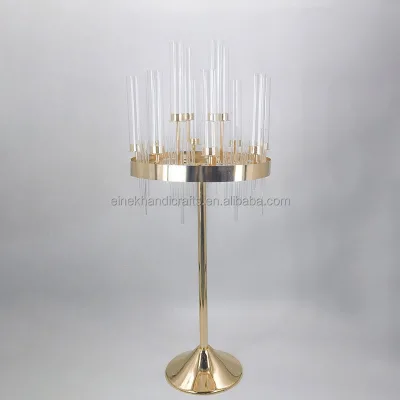
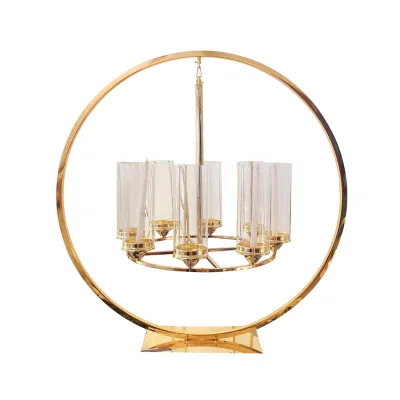
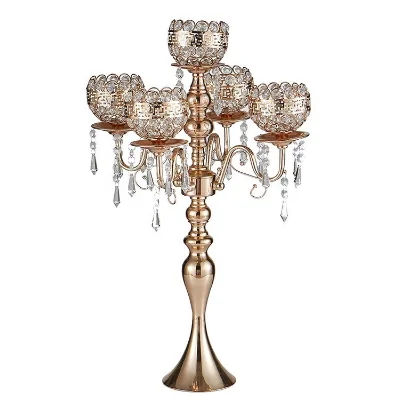
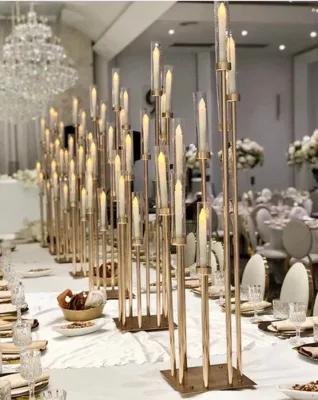


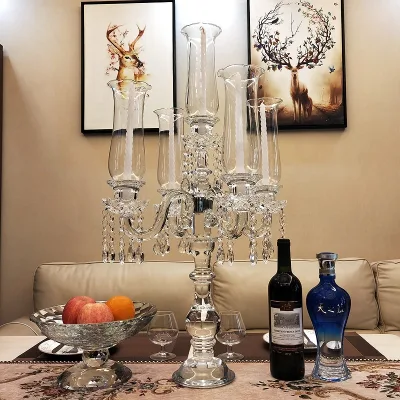
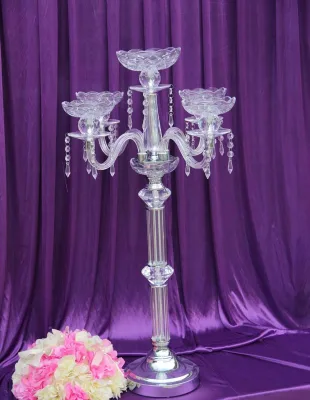
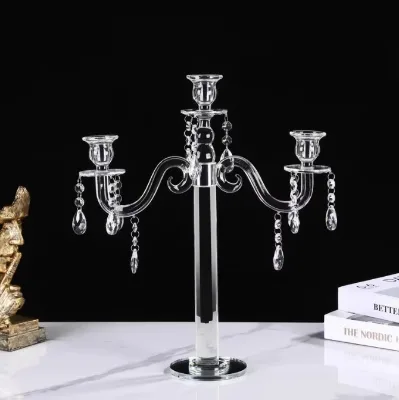
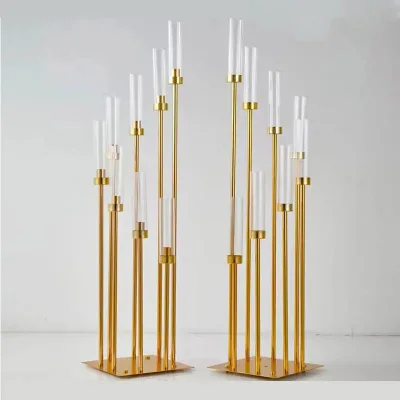

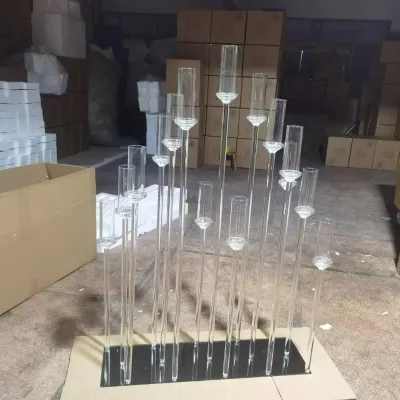
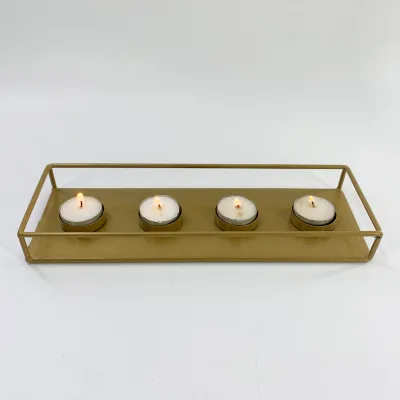
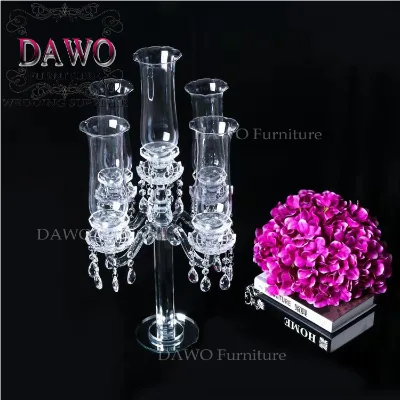

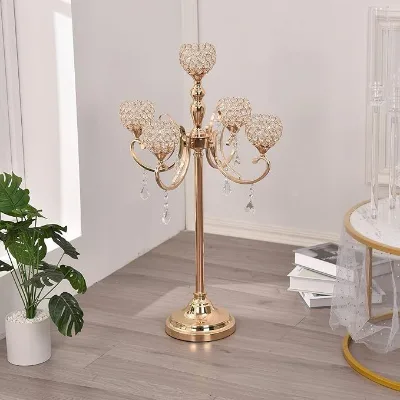
Hot Selling Candelabra Wedding Decoration Crafts Candlelight Dinner Ornament
$3.20 - $3.60
MOQ: 300 Pieces


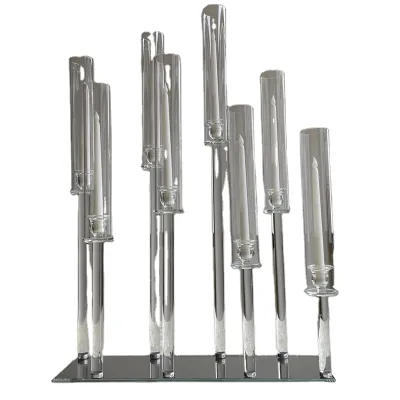
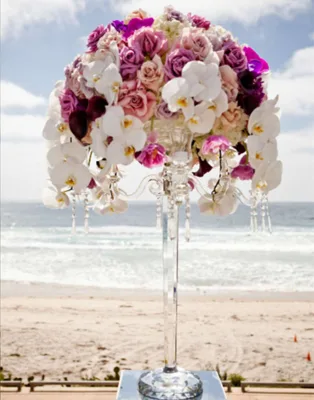
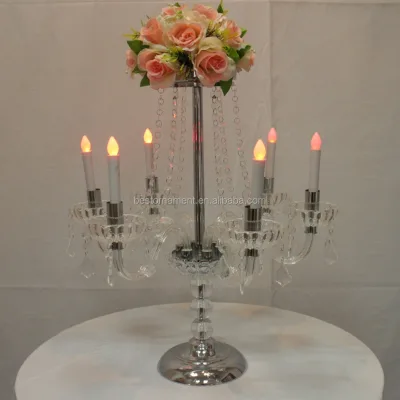
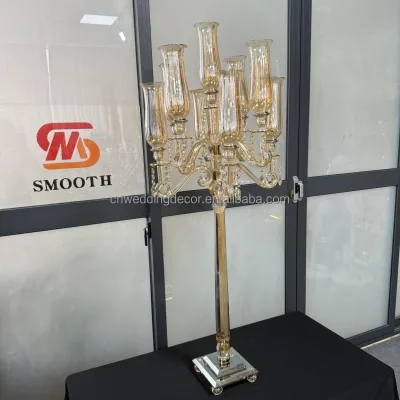
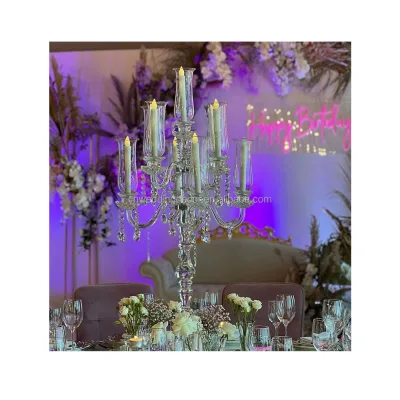
Comprehensive Sourcing Guide
Strategic Sourcing Guide for Wedding Candelabra Procurement
Navigating the global market for Wedding Candelabra requires a disciplined approach that balances aesthetic requirements with rigorous supply chain verification. For procurement professionals, the core keyword "Wedding Candelabra" represents a diverse category of event and party supplies that serve both functional lighting needs and decorative centerpieces. The following guide synthesizes observed market data and technical specifications to provide a framework for sourcing these items effectively, ensuring that buyers can identify high-quality products without relying on unverified claims.
Technical Specifications and Material Composition
The foundation of any successful procurement strategy lies in understanding the precise technical specifications of the product. In the current market, Wedding Candelabra are manufactured using a variety of material combinations, each offering distinct structural and aesthetic properties. Analysis of available product data reveals that materials often include K9 crystal, metal, iron, and acrylic. For instance, specific listings indicate a "K9 CRYSTAL" composition for certain decorative elements, while others specify "metal" or "crystal + iron" as the primary build materials. A significant portion of the market features "Iron + Acrylic" constructions, particularly for hurricane-style candelabra designed to protect candles from wind.
Dimensional consistency is another critical technical factor. Buyers must verify single package sizes and overall dimensions against their logistical constraints. Observed data points to a wide variance in packaging, with some units measuring 103x103x15 cm and others 70x40x25 cm. The physical size of the candelabra itself also varies significantly; some models are described with a width of 90 cm, while others are defined by their height, such as a 120 cm pole with a 25 cm cover. The "Single gross weight" further complicates logistics, ranging from 4.000 kg to 14.000 kg depending on the complexity and material density.
When evaluating specifications, buyers should note the distinction between "Standard" size listings and those with specific details like "W 90cm." The "Single package size" is particularly vital for calculating shipping costs and warehouse capacity. Furthermore, the "Finish Type" is a crucial technical attribute, with "Electroplating" being a documented process for metal components. This finish not only affects the visual appeal, offering colors like gold or silver, but also influences durability and resistance to tarnishing.
Design Variations and Functional Applications
The application of Wedding Candelabra extends beyond simple decoration; they are integral to the ambiance of weddings, banquets, and hotel events. The "Event & Party Item Type" is consistently categorized as "Party Decoration," with specific applications listed for hotels, restaurants, banquets, homes, and weddings. The design language often leans towards "european style," featuring intricate details that complement formal settings.
Product types vary from simple "flower stand" shapes to complex "5arms plastic candelabra" and "10 Arm Metal Candelabra with Acrylic Shades." The "Shape" and "Type" attributes are essential for matching the product to the venue's theme. For example, a "Handmade" product might be preferred for boutique weddings, whereas "No" handmade items (machine-produced) may be suitable for large-scale events requiring uniformity. The "Print method" is also a consideration, with some items supporting "1 Color" printing, which may be relevant for custom branding or specific color matching.
The functional aspect of the candelabra is defined by its "Suitable Candle Type." Modern sourcing increasingly favors "LED Candle" compatibility, which enhances safety and reduces fire hazards in crowded venues. The "Cover Type" is another functional specification; removable "Clear Acrylic Shade" covers are common, serving as hurricane tubes to protect the light source while maintaining visibility. The "Usage" is explicitly defined as "Wedding, Party, Banquet, Event Decoration," confirming the versatility of these items across different high-profile occasions.
Cost Drivers and Minimum Order Quantities
Understanding the cost structure of Wedding Candelabra is essential for budget management. The observed price range in the market spans from 1 to 1000 USD, reflecting the vast difference between simple metal stands and elaborate crystal-encrusted pieces. This wide variance is driven by material costs, such as the inclusion of K9 crystal versus standard metal, and the complexity of the manufacturing process.
Minimum Order Quantities (MOQ) are a significant factor in procurement planning. Data indicates an MOQ range of 1 to 500 units. Specific listings show an MOQ of "5pcs/pack" or "5 sets," which suggests that buyers can often start with small trial orders. However, larger orders may be required to secure optimal pricing or to meet specific packaging requirements. The "Selling Units" are typically listed as "Single item," which simplifies inventory tracking but requires careful aggregation for bulk purchasing.
Other cost drivers include the "Place of Origin," which is frequently identified as "Guangdong, China." This region is a major hub for manufacturing event supplies, but it also implies specific logistics considerations regarding international shipping. The "Shipping" terms, often noted as "after full payment," can impact cash flow and risk management. Buyers must also consider the "Single gross weight" when calculating freight costs, as heavier items like the 14.000 kg models will incur higher shipping fees compared to lighter alternatives.
Supplier Evaluation and Origin Verification
When evaluating potential suppliers, buyers must prioritize transparency and verification. The "Place of Origin" is a key data point, with "Guangdong, China" being a prevalent source. While this region offers competitive manufacturing capabilities, buyers should verify the specific factory capabilities and production capacity. The "Model Number" serves as a unique identifier for tracking; examples include "CDE-09," "MET531-14," and "CH1121." These identifiers are crucial for ensuring that the supplier provides the exact specifications requested and for maintaining consistency across multiple orders.
Supplier reliability can be assessed through their "Payment" terms. Common methods include "paypal," "bank TT," "Western union," and "aliexpress." While these options offer flexibility, buyers should be cautious about the security of the transaction and the reputation of the payment processor. The availability of "Samples" is another critical indicator of supplier confidence. Listings that explicitly state "Sample: available" allow buyers to physically inspect the product quality before committing to a large order.
The "Brand Name" is another factor to consider. While some products are listed under the brand "OUGE," many suppliers operate as private label manufacturers. Buyers should verify if the brand name is a registered trademark or if the product is a generic item. The "Design" attribute, such as "cheap candelabra for sale," may indicate a focus on cost-efficiency over premium quality, which could be a red flag for high-end wedding procurement.
Quality Control and Compliance Standards
Quality control is paramount in the wedding industry, where product failure can lead to significant reputational damage. Buyers should verify the "Feature" attributes of the products. Common features include "ECO-friendly" and "Handmade" status. However, it is important to note that not all products in a category will satisfy every attribute; for instance, some items are marked as "Handmade: Yes" while others are "Handmade: No." Buyers must ensure that the specific product they select aligns with their quality expectations.
Compliance and certification checks are often necessary but not always explicitly stated in product listings. Buyers should inquire about safety standards, particularly regarding the electrical components if LED candles are integrated. The "Finish Type," such as "Electroplating," should be verified for durability and compliance with environmental regulations regarding heavy metals. While specific certification numbers are not provided in the general data, buyers should request documentation for any claims of "ECO-friendly" status or material safety.
The "Single volume" and "Single gross weight" are also important for compliance with shipping regulations. Some listings show a volume of "0 cm³," which may indicate a data entry error or a specific packaging method that needs clarification. Buyers should request accurate volumetric weight data to ensure compliance with carrier regulations and to avoid unexpected surcharges.
Long-Term Procurement Considerations
Sourcing Wedding Candelabra is not just a one-time transaction; it requires a long-term strategy for inventory management and supplier relationships. The "Occasion" is primarily "WEDDING," but the "Use" also includes "Christmas" and general "Events & Party Supplies." This versatility means that buyers should consider the potential for year-round demand and the ability to repurpose inventory for different seasons.
The "Style" of the candelabra, such as "european style," suggests a timeless appeal that may remain relevant for several years. However, buyers should monitor trends to ensure that the designs do not become obsolete. The "Keyword" "Home Goods Candle Holder" indicates that these products may have secondary markets beyond weddings, providing an opportunity for diversification.
Finally, the "Model Number" and "Product name" should be documented meticulously to facilitate repeat ordering. Consistency in specifications ensures that future orders match the initial successful purchase. Buyers should also consider the "Payment" terms and "Shipping" conditions for long-term contracts, negotiating favorable terms that support steady cash flow and reliable delivery schedules. By focusing on these long-term factors, buyers can build a resilient supply chain that supports their event planning needs effectively.
FAQs
What materials are commonly used for Wedding Candelabra?
Wedding Candelabra are typically constructed from metal, iron, acrylic, or K9 crystal. Some specific models combine iron with acrylic hurricane tubes, while others feature K9 crystal elements. Buyers should verify the exact material composition listed for each model number to ensure it meets their aesthetic and durability requirements.
How can I find candelabra with specific dimensions?
You can identify candelabra with specific dimensions by checking the single package size and product width details. Listings often specify widths like 90 cm or package sizes such as 103x103x15 cm. Always confirm the height and width against your venue constraints before placing an order to ensure proper fit.
Which suppliers offer samples for Wedding Candelabra?
Some suppliers explicitly state that samples are available for review. This allows buyers to inspect the quality of materials like gold or silver electroplating before committing to a bulk purchase. Check the product attributes for the sample availability flag to confirm if a trial unit can be requested.
Can I order small quantities of metal candelabra?
Yes, many suppliers accept low minimum order quantities, with some listing an MOQ of 5 pieces per pack or 5 sets. This flexibility allows buyers to start with small trial orders rather than committing to large volumes immediately. Always verify the specific MOQ for the model number you intend to purchase.
What is the typical origin for Wedding Candelabra?
The majority of these products originate from Guangdong, China, which is a major manufacturing hub for event supplies. This location influences shipping terms and lead times, often requiring payment after full settlement. Buyers should account for logistics from this specific region when planning their procurement timeline.
How do I verify the finish type of a candelabra?
Verify the finish type by checking the product specifications for terms like electroplating. This process is commonly used on metal components to achieve colors such as gold or silver. Confirming the finish type ensures the product will resist tarnishing and match the desired European style for your event.