Source Wedding Dangle Earrings for Brides, Gifts, and Events
Explore 30 options for wedding dangle earrings crafted from stainless steel, sterling silver, copper, and alloy. Compare unique 3D designs, antique and star fashion styles, and various shapes to find the perfect accessories for brides, gifts, and decorative purposes; compare the available evidence and request quotations based on your requirements.
Key considerations
Products List
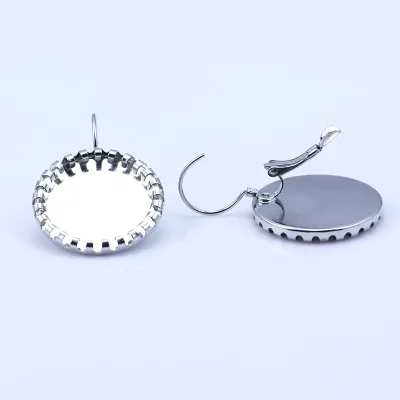


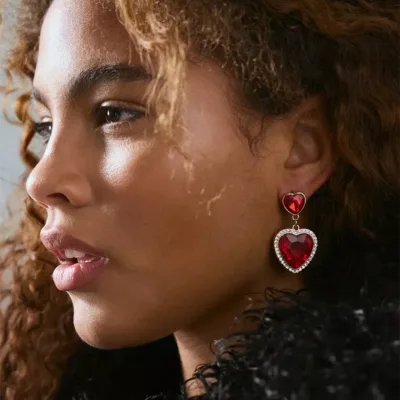


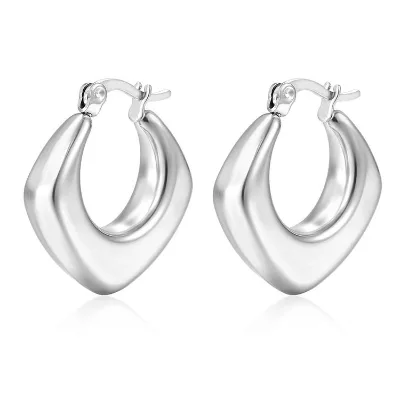
Comprehensive Sourcing Guide
Wedding Dangle Earrings Sourcing Guide
Sourcing wedding dangle earrings requires a nuanced understanding of both aesthetic trends and material integrity, as these accessories serve as critical focal points for bridal parties. Buyers must navigate a diverse market where styles range from antique gold circles to simple silver star fashion pieces, each demanding specific verification protocols. The observed product landscape includes items made from stainless steel, 925 sterling silver, copper, and alloy, indicating that material selection is a primary differentiator in quality and price. Procurement teams should prioritize suppliers who offer OEM and ODM capabilities, allowing for the customization of unique 3D designs that align with specific wedding themes.
The commercial environment for these accessories is characterized by flexible payment terms and established shipping logistics, facilitating international trade for jewelry wholesalers and distributors. Common payment methods include T/T, bank transfer, PayPal, and Western Union, providing options for various transaction sizes and risk tolerances. Shipping is typically managed through major carriers like DHL, FedEx, TNT, and UPS, ensuring timely delivery for time-sensitive wedding events. Buyers should leverage these established logistical frameworks to negotiate favorable terms, while also considering the origin of goods, which is predominantly Guangzhou or Guangdong in China, a hub known for its robust jewelry manufacturing infrastructure.
Product Scope and Observed Listing Signals
The current market for wedding dangle earrings exhibits a wide variance in design aesthetics, catering to diverse bridal preferences from classic elegance to modern ethnic trends. Observed listings highlight specific shapes such as oval, square, round, and star configurations, with styles ranging from antique finishes to simple, contemporary looks. Materials vary significantly, including stainless steel, 925 sterling silver, copper, and alloy, each offering distinct durability and visual appeal. For instance, some products feature unique 3D designs in gold tones, while others present silver eardrops or star-shaped alloy pieces, reflecting the broad spectrum of consumer demand in the wedding accessory sector.
Target demographics and usage scenarios further define the product scope, with many items explicitly marketed toward female youth, girls, and general decoration or gifting purposes. The presence of specific model numbers, such as 674517150365 and E-46445, suggests a structured inventory system that aids in precise identification and reordering. Packaging methods also vary, with options including OPP bags, strong cartons, inner and outer cartons, and individual boxes, indicating different levels of protection and presentation suitable for retail or bulk distribution. Buyers should analyze these signals to match product attributes with their specific customer base and branding requirements.
Technical Specifications to Verify
Verifying technical specifications is crucial for ensuring that wedding dangle earrings meet quality expectations and functional requirements. Buyers must confirm the exact material composition, distinguishing between 925 sterling silver, copper, alloy, and stainless steel, as these materials have different properties regarding tarnish resistance, weight, and hypoallergenic characteristics. The shape and style of the earrings, whether they are circle-shaped, eardrops, or star designs, should be cross-referenced with physical samples to ensure accuracy. Additionally, the presence of unique 3D designs or antique finishes requires close inspection to assess craftsmanship quality and consistency across production batches.
Packaging and standardization details also play a vital role in the technical verification process. Specifications such as carton dimensions (e.g., 403030) and packing methods (OPP bag, box, or strong carton) impact storage efficiency and product protection during transit. Buyers should verify that the packaging aligns with their logistical needs and retail presentation standards. Furthermore, confirming the product model numbers and origin locations, such as Guangzhou or Guangdong, helps in establishing traceability and accountability. Ensuring that all technical specifications are clearly documented in the purchase agreement prevents discrepancies and facilitates smoother quality control inspections.
Compliance and Safety Documentation
Compliance and safety documentation are essential for importing wedding dangle earrings, particularly when dealing with materials like copper and alloy that may contain heavy metals. Buyers must ensure that suppliers provide relevant test reports verifying the absence of harmful substances such as lead, cadmium, and nickel, which are critical for jewelry worn close to the skin. While specific certification statuses are not explicitly listed in the observed data, buyers should proactively request compliance with international standards such as REACH or CPSIA, depending on the target market. This due diligence helps mitigate legal risks and ensures that the products are safe for consumers, especially for sensitive groups like youth and girls.
Additionally, buyers should verify that the suppliers adhere to ethical manufacturing practices and have robust quality management systems in place. Documentation regarding the origin of materials and the manufacturing process can provide insights into the supply chain's transparency and reliability. For products marketed as 925 sterling silver, buyers should request assay certificates or hallmarks to confirm purity. Establishing clear compliance requirements in the contract ensures that suppliers are held accountable for meeting these standards. Regular audits and third-party inspections can further validate compliance, providing an additional layer of assurance for buyers and their end customers.
Cost Drivers and Commercial Terms
Cost drivers for wedding dangle earrings are influenced by material costs, design complexity, and order volume. Materials such as 925 sterling silver and stainless steel typically command higher prices than copper or alloy due to their intrinsic value and durability. Unique 3D designs and antique finishes may also increase production costs due to the specialized craftsmanship required. Buyers should analyze the price range of $0.13 to $14.95 observed in the market to understand the value proposition of different product tiers. Negotiating favorable terms based on order quantity, with MOQs ranging from 1 to 300 pieces, can help optimize costs while maintaining quality standards.
Commercial terms, including payment methods and shipping arrangements, also impact the overall cost structure. Flexible payment options like T/T, bank transfer, PayPal, and Western Union offer convenience but may involve transaction fees. Shipping costs via DHL, FedEx, TNT, and UPS vary based on weight, volume, and destination, requiring buyers to calculate total landed costs accurately. Buyers should consider the supplier's location in Guangzhou or Guangdong when estimating logistics expenses and lead times. Establishing clear commercial terms in the contract ensures transparency and prevents unexpected costs, allowing for better budget management and profitability analysis.
Supplier Qualification and Quality Control
Supplier qualification is a critical step in sourcing wedding dangle earrings, requiring a thorough assessment of manufacturing capabilities and quality control processes. Buyers should verify the supplier's experience in producing jewelry for wholesalers and distributors, as well as their ability to handle OEM and ODM requests. The presence of unique 3D designs and various material options indicates a versatile production capability, but buyers must ensure that the supplier has robust QC measures in place. This includes in-process inspections, final product checks, and adherence to specified standards and packaging requirements.
Quality control protocols should be clearly defined and agreed upon before production begins. Buyers should request samples to evaluate craftsmanship, material quality, and finish consistency. Establishing acceptance criteria for defects, such as scratches, discoloration, or structural weaknesses, helps in maintaining high standards. Regular communication with the supplier during production can address issues early, reducing the risk of large-scale defects. Additionally, buyers should consider third-party inspection services for larger orders to provide an independent verification of quality. Building a strong relationship with qualified suppliers ensures consistent product quality and reliable delivery for wedding events.
Long-Term Procurement Checks
Long-term procurement checks involve continuous monitoring of supplier performance and market trends to ensure sustained value and reliability. Buyers should regularly review supplier metrics such as on-time delivery rates, defect rates, and responsiveness to issues. Maintaining open communication channels allows for timely resolution of problems and fosters a collaborative partnership. As trends in wedding accessories evolve, buyers should stay informed about emerging styles, materials, and consumer preferences to adapt their sourcing strategies accordingly. This proactive approach helps in identifying new opportunities and mitigating potential risks in the supply chain.
Furthermore, buyers should periodically reassess their supplier base to ensure competitiveness and resilience. Diversifying suppliers across different regions or specializations can reduce dependency on a single source and enhance supply chain stability. Regular audits and performance reviews help in identifying areas for improvement and reinforcing quality standards. Buyers should also monitor market prices and material costs to anticipate fluctuations and negotiate favorable terms. By implementing these long-term checks, buyers can build a robust sourcing strategy that supports their business growth and customer satisfaction in the dynamic wedding accessory market.
FAQs
Can I customize wedding dangle earrings with unique designs?
Yes, customization is available for these earrings with unique 3D designs. You can request specific styles like antique or star fashion. OEM and ODM services are warmly welcome for buyers. This allows wholesalers to create distinct products tailored to their market needs.
What materials are used for these wedding dangle earrings?
These earrings are crafted from stainless steel, 925 sterling silver, copper, and alloy. Different models offer various material options to suit different price points and durability requirements. Buyers can select the specific material based on their target customer preferences and budget constraints.
Which shapes are available for these wedding dangle earrings?
Available shapes include oval, square, round, and star designs. Some models feature circle-shaped earrings while others offer ethnic trends. The variety ensures that buyers can find styles matching different fashion aesthetics, from simple to antique and star fashion designs for various occasions.
How is the minimum order quantity determined for these earrings?
The minimum order quantity is 30 pieces for specific models. However, observed ranges show MOQs can vary from 1 to 300 pieces depending on the supplier. Buyers should check specific product listings to confirm the exact MOQ required for their chosen design and material combination.
What payment methods are accepted for these wedding dangle earrings?
Accepted payment methods include T/T, Bank Transfer, Paypal, and Western Union. These options provide flexibility for international transactions between buyers and suppliers. Buyers can choose the most convenient method for their business operations while ensuring secure payment processing for their orders.
Where are these wedding dangle earrings manufactured and shipped from?
Products originate from Guangzhou, China, and Guangdong, China. Shipping is handled via DHL, FedEx, TNT, UPS, and other carriers. Buyers can expect efficient logistics from these locations, ensuring timely delivery of jewelry items to wholesalers and distributors worldwide.
What packaging options are available for these wedding dangle earrings?
Packaging includes OPP bags, strong cartons, inner cartons, outer cartons, and boxes. Specific models may come with custom packaging standards. This ensures products are protected during transit and presented attractively for retail or wholesale distribution to end customers.