Source Wedding Ball Gown Ballet Tutu for weddings, performances, and parties
Find 30 verified listings for the Wedding Ball Gown Ballet Tutu suitable for weddings, stage performances, and dance parties. Compare handmade options in polyester, cotton, and nylon spandex with customization available from suppliers in China.
Key considerations
Products List


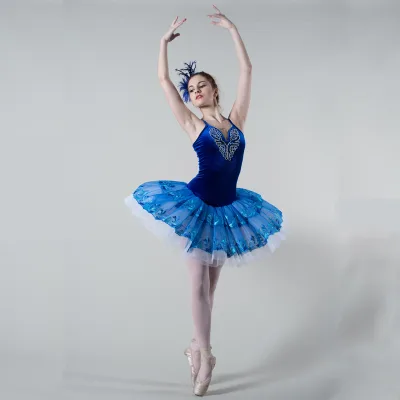
Blue Romantic Tutu Adult Tutu 3 Layers Tutu Dress Dance Ballerina Costume
$35.00 - $45.00
MOQ: 1 pieces
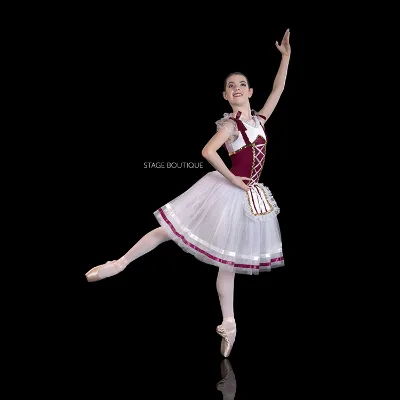
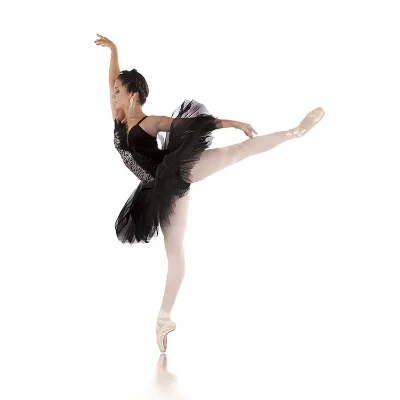
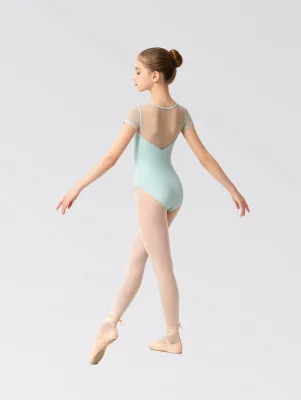
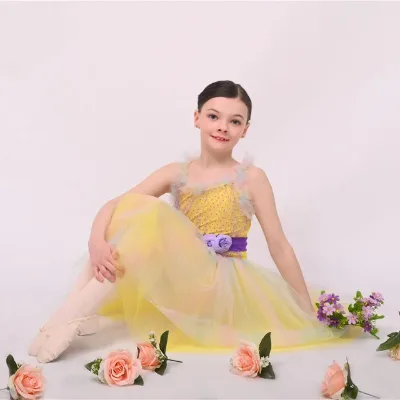
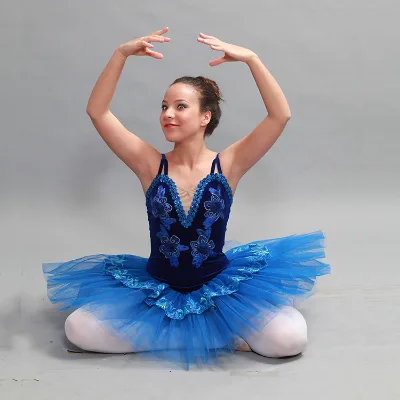

Girls Flower Ballet Tutu Performance Wear Tutu Skirt Ballet Dance Costume
$26.00 - $29.99
MOQ: 2 Pieces


Girls Ballet Dance Tutu Dress Romantic Tutu Skirt Recital Stage Performance Costume
$30.00 - $38.00
MOQ: 2 Pieces

Girls Ballet Dance Tutu Dress Romantic Tutu Skirt Recital Stage Performance Costume
$30.00 - $38.00
MOQ: 2 Pieces

Girls Fashion Princess Dance Costume Cute Sparkle Ballet Tutu for Performance
$25.00 - $29.99
MOQ: 2 Pieces
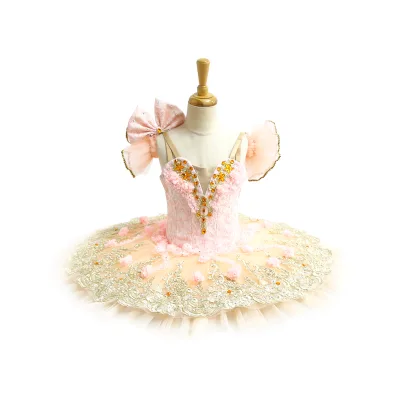
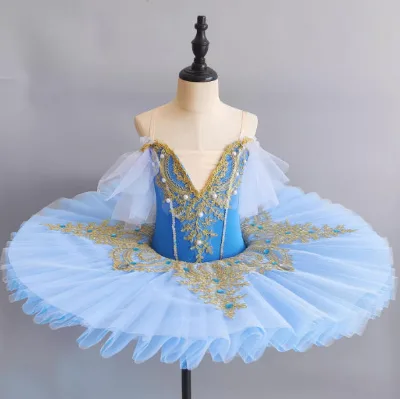
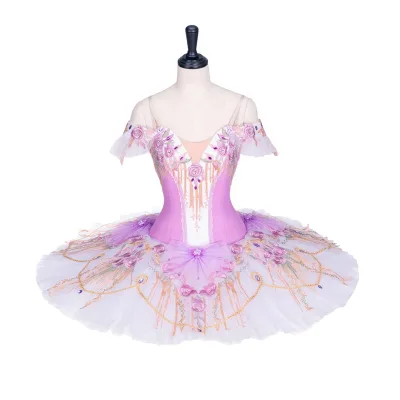
Purple Gradient Ballet Tutu CustomMade Blue Bird Variation Professional Pancake Tutu
$308.00 - $356.00
MOQ: 1 pieces
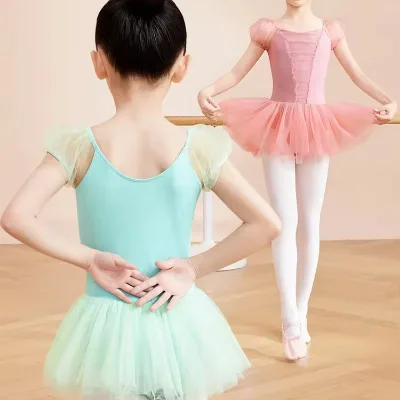
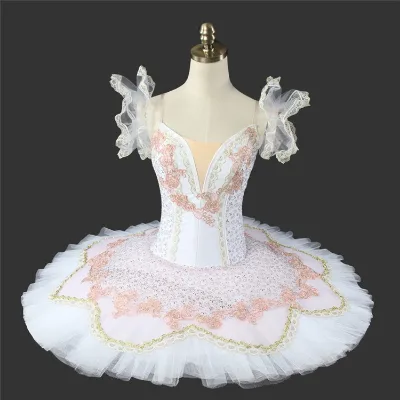
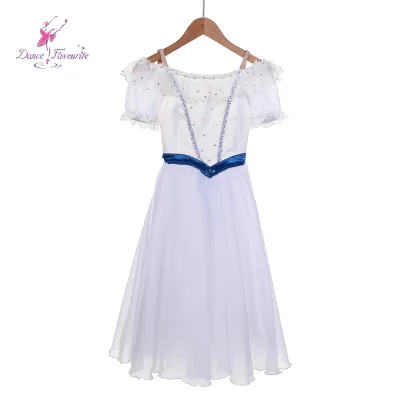
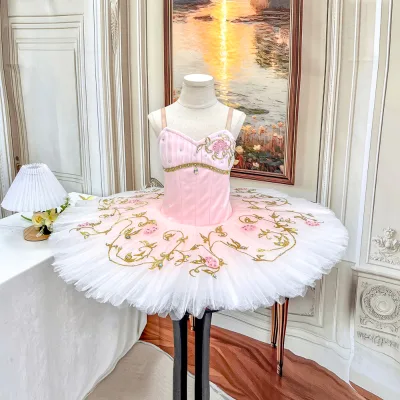
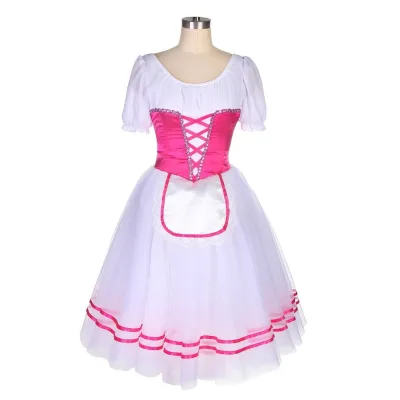
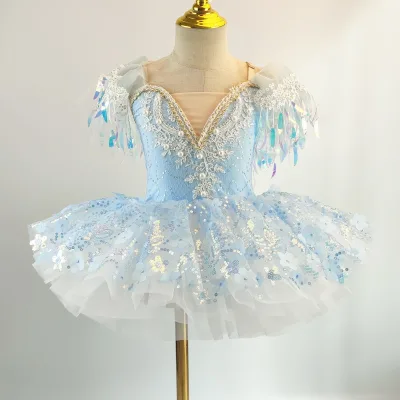
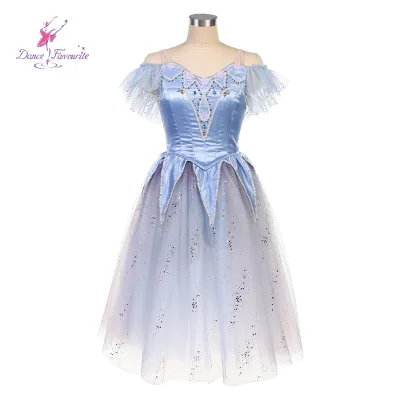
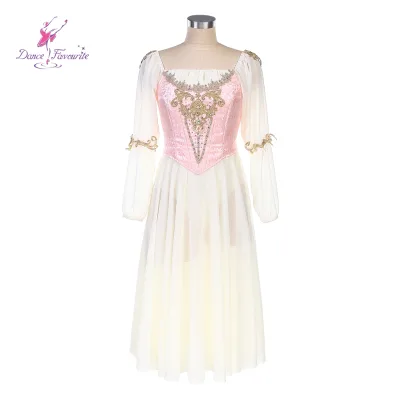
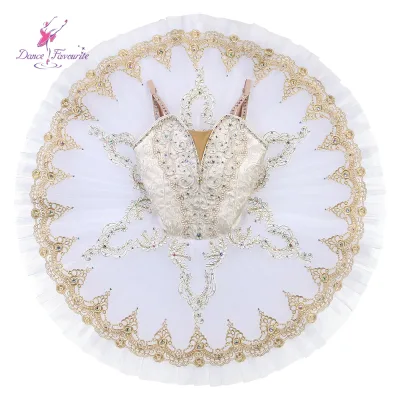
Comprehensive Sourcing Guide
Strategic Sourcing Guide for Wedding Ball Gown Ballet Tutu Products
Understanding Product Specifications and Technical Attributes
When sourcing wedding ball gowns and ballet tutus, buyers must first distinguish between the technical specifications that define the product's utility and those that merely describe its aesthetic. The market for these items is diverse, ranging from professional stage performance wear to custom bridal accessories. A critical observation in the current supply landscape is the variation in gender targeting; while some listings explicitly categorize products for "Women" or "Female" audiences, others are designated as "Unisex" or specifically for "Children." This distinction is vital for procurement planning, as a wedding ball gown intended for an adult bride differs significantly in structural requirements from a ballet tutu designed for a child performer.
Material composition is another primary technical differentiator. Sourcing data indicates a prevalence of blended fabrics such as "Polyester/Cotton" and "Nylon Spandex." The choice of material directly influences the garment's drape, elasticity, and durability. For a wedding ball gown, a Polyester/Cotton blend may offer a structured silhouette suitable for formal events, whereas Nylon Spandex is often preferred for ballet tutus due to its high elasticity and ability to maintain shape during vigorous movement. Buyers should verify the specific fiber content ratios to ensure the fabric meets the weight and texture requirements of the intended application.
The manufacturing technique also plays a pivotal role in the final product quality. "Handmade" is a frequently cited attribute in this category, suggesting a higher level of craftsmanship compared to fully automated mass production. This manual intervention is often necessary for complex elements like intricate lacework, custom embroidery, or the precise layering required for a voluminous ball gown skirt. However, buyers must balance the "Handmade" claim with production capacity. While handmade items offer uniqueness, they inherently carry longer lead times and higher unit costs. Conversely, products marked with "Digital Print" capabilities suggest a modern approach to customization, allowing for personalized designs on the fabric surface without the need for physical screen printing setups.
Compliance Standards and Certification Verification
In the B2B procurement of apparel, particularly items destined for children or professional performance, verifying compliance with safety and quality standards is non-negotiable. While specific certification names are not universally standardized across all listings, buyers must demand evidence of adherence to relevant safety regulations. For instance, products labeled with an "Age Group" of "Children" must comply with strict flammability and chemical safety standards to ensure the safety of young wearers. The absence of explicit certification data in a supplier's listing does not imply non-compliance, but it does require the buyer to initiate a verification process before placing an order.
One specific observation in the market data is the reference to a standard dimension of "203020," which likely pertains to packaging or a specific product dimension standard rather than a safety certification. Buyers should not confuse packaging dimensions with product safety standards. Instead, the focus should be on verifying that the materials used, such as the "Polyester/Cotton" or "Nylon Spandex" blends, are free from harmful substances like azo dyes or heavy metals. For products intended for "Performance" use, such as ballet or stage wear, the fabric must also meet durability standards that prevent tearing or excessive wear during rigorous activity.
Furthermore, the "Eco-Friendly" attribute observed in some listings indicates a growing trend toward sustainable manufacturing. Buyers interested in this niche should request documentation proving the eco-friendly claims, such as certifications from recognized environmental bodies or evidence of sustainable sourcing practices. It is important to note that "Eco-Friendly" is a marketing attribute and not a guaranteed technical specification; therefore, third-party verification is essential. Similarly, while some suppliers mention "Oem Service" or "Can Custom," this does not automatically imply compliance with international safety standards. The onus remains on the buyer to ensure that any customized product meets the regulatory requirements of the destination market.
Cost Drivers and Pricing Dynamics
The pricing structure for wedding ball gowns and ballet tutus is influenced by a complex interplay of factors, including material costs, labor intensity, and customization levels. The observed price range in the market spans from $5.99 to $356, a significant variance that reflects the diversity of the product offerings. The lower end of this spectrum typically corresponds to mass-produced items, possibly made from synthetic blends like Nylon Spandex, with minimal customization and automated manufacturing processes. In contrast, the higher price points are often associated with "Handmade" garments, complex designs, and the use of premium materials or extensive customization services.
Material costs are a primary driver of price. A gown constructed from a high-quality Polyester/Cotton blend with intricate detailing will inherently cost more than a simple tutu made from basic synthetic fibers. Additionally, the "Handmade" attribute adds a labor premium. Artisanal labor is more expensive than machine production, and this cost is passed on to the buyer. Buyers must also consider the "Supply Type" when evaluating costs. Products listed as "In-Stock Items" may offer a lower price point due to economies of scale and immediate availability, whereas "Oem Service" items, which require custom design and production runs, will command a higher price due to the setup costs and specialized labor involved.
Customization is another significant cost factor. The availability of "Can Custom" options allows buyers to tailor products to specific needs, but this flexibility comes at a premium. The extent of customization, such as the inclusion of "Digital Print" for unique patterns or specific "Color" choices like "Blue" or "Burgundy," will influence the final unit cost. Furthermore, the "MOQ" (Minimum Order Quantity) plays a crucial role in pricing. While some suppliers offer an MOQ of "1 Piece," enabling small-scale testing, larger orders often benefit from volume discounts. However, the "Supply Ability" of a supplier, such as "10000 pieces per Month," indicates their capacity to handle large orders without compromising on price or lead time.
Typical Applications and Use Cases
The applications for wedding ball gowns and ballet tutus extend beyond their literal names, encompassing a wide range of events and professional contexts. The "Product Type" classification of "Stage & Dancerwear" highlights the primary use case for these garments in professional performance settings. Ballet tutus, in particular, are designed for "Performance" wear, requiring fabrics that can withstand the physical demands of dance while maintaining an aesthetic appearance. The "Performance Wear Type" specifically noted as "Ballet" confirms the intended use for dance rehearsals and stage productions.
For wedding contexts, the "Style" of "Dresses" indicates that these garments are often used as bridal attire or as part of a wedding party's ensemble. The "Gender" specification of "Female" or "Women" aligns with traditional bridal roles, while the "Children" age group suggests that these items may also be used for flower girls or junior bridesmaids. The versatility of these products is further enhanced by the "Customization" options, allowing for modifications to fit specific wedding themes or performance requirements. For example, a "Blue" or "Burgundy" color option might be selected to match a specific wedding palette or costume design.
The "Use" attribute of "Performance" also extends to theatrical productions, recitals, and dance competitions. In these scenarios, the durability and fit of the garment are paramount. A "Handmade" construction ensures that the garment can be tailored to the specific body type of the performer, providing the necessary support and freedom of movement. Additionally, the "Eco-Friendly" attribute may be relevant for productions that prioritize sustainability, allowing event organizers to align their procurement with environmental values. The "Single package size" and "Single gross weight" specifications provided in the data suggest that these items are often shipped individually, which is practical for events requiring specific sizing or last-minute adjustments.
Supplier Evaluation and Selection Criteria
Selecting the right supplier is a critical step in the procurement process, requiring a thorough evaluation of their capabilities, reliability, and alignment with buyer requirements. The "Supply Type" is a key indicator of a supplier's business model. Suppliers offering "Oem Service" are typically better equipped to handle custom orders, providing the flexibility needed for unique designs. In contrast, those offering "In-Stock Items" are ideal for buyers seeking immediate delivery with minimal customization. Buyers should assess their own needs against these supply models to ensure a good match.
Geographic location is another important factor. The "Place of Origin" for many products is listed as "Zhejiang, China," a region known for its textile manufacturing capabilities. While this location offers access to a robust supply chain, buyers should also consider the "Port of dispatch," which is often "Ningbo/Shanghai." These ports are major hubs for international shipping, facilitating efficient logistics. However, the "Lead Time" for sample orders varies, with some suppliers supporting a "7 days sample order lead time" while others do not. This discrepancy highlights the need for buyers to verify lead times on a case-by-case basis, as production schedules can fluctuate based on order volume and complexity.
The "Brand Name" associated with a product can also provide insights into the supplier's market positioning. Brands like "Anna SHI" and "Stage Boutique" suggest a focus on specific niches, such as high-end dancerwear or boutique bridal fashion. Buyers should research these brands to understand their reputation and quality standards. Additionally, the "Packaging Details," such as "one piece in one opp bag," indicate the level of care taken in product handling. Proper packaging is essential for preventing damage during transit, especially for delicate items like ball gowns and tutus. Buyers should also evaluate the "Supply Ability" to ensure the supplier can meet their volume requirements without delays.
Quality Control and Long-Term Procurement Considerations
Implementing a robust quality control (QC) strategy is essential for maintaining product integrity, particularly when sourcing items with varying levels of customization and material complexity. The "Handmade" nature of many products necessitates a more granular QC approach, focusing on stitching quality, fabric consistency, and the accuracy of custom details. Buyers should establish clear acceptance criteria for defects, such as loose threads, uneven hemlines, or color inconsistencies. For products with "Digital Print," QC should include checks for print clarity, color fastness, and alignment.
Long-term procurement considerations involve building a sustainable relationship with suppliers that can adapt to changing market demands. The "Customization" availability suggests that buyers may need to iterate on designs over time. A supplier with a high "Supply Ability" and flexible "Oem Service" is better positioned to support this evolution. Additionally, the "MOQ" of "1 Piece" allows buyers to test new designs with minimal risk, facilitating a more agile procurement strategy. However, as order volumes increase, buyers should negotiate terms that balance flexibility with cost efficiency.
The "Feature" of "Eco-Friendly" products presents an opportunity for long-term strategic alignment with sustainability goals. Buyers should prioritize suppliers who can provide verifiable evidence of their eco-friendly practices, ensuring that the supply chain remains compliant with evolving environmental regulations. Furthermore, the "Standard" dimensions and "Size" ranges, such as "XXS" to "5 XL," indicate the need for a diverse inventory to cater to different body types. Buyers should maintain a relationship with suppliers who can consistently provide a wide range of sizes and colors to meet the demands of their customer base.
Comparison of Key Product Attributes
To facilitate a clearer understanding of the market landscape, the following table summarizes the key attributes observed in the sourcing data. This comparison highlights the diversity of options available to buyers and the specific considerations for each product type.
| Attribute Category | Observation 1 | Observation 2 | Observation 3 |
|---|---|---|---|
| Gender Target | Women | Unisex | Children |
| Material | Polyester/Cotton | Nylon Spandex | Mixed Blends |
| Technics | Handmade | Digital Print | Standard Manufacturing |
| Customization | Available | Can Custom | In-Stock Items |
| Age Group | Adults | Children | Mixed |
| Supply Type | Oem Service | In-Stock Items | Custom Orders |
| MOQ | 1 Piece | 1-3 Units | Variable |
| Origin | Zhejiang, China | China | Global (Verified) |
| Packaging | OPP Bag | Single Item | Bulk Options |
| Lead Time | 7 Days (Sample) | Variable | Not Support |
This table underscores the importance of aligning specific product attributes with procurement goals. Buyers must carefully evaluate each attribute to ensure the selected product meets their functional, aesthetic, and logistical requirements. By leveraging these insights, buyers can navigate the complex market for wedding ball gowns and ballet tutus with confidence and precision.
FAQs
What materials are used for Wedding Ball Gown Ballet Tutu?
These garments are typically made from Polyester/Cotton or Nylon Spandex blends. The choice depends on the required drape and elasticity, with Nylon Spandex preferred for dance performance and Polyester/Cotton offering structure for formal wear.
Can I customize the design of a Wedding Ball Gown Ballet Tutu?
Yes, customization is available for many listings with options like digital printing and specific color choices. Buyers should verify the specific customization capabilities and lead times, as handmade items may require longer production schedules than in-stock stock.
What is the minimum order quantity for these products?
The minimum order quantity can be as low as one piece for some suppliers. However, other listings may have different thresholds, so buyers must check the specific MOQ for each product model and supplier to ensure it matches their procurement needs.
Which age groups are targeted by Wedding Ball Gown Ballet Tutu products?
Products are available for children, adults, and unisex categories. Buyers must select the appropriate age group specification, as items for children require strict safety compliance while adult items focus on performance wear or bridal styles.
How long does it take to get a sample order?
Some suppliers support a seven-day sample order lead time while others do not. Buyers should confirm the specific lead time for their chosen model, as production capacity and customization levels can significantly impact the delivery schedule.
What packaging details are provided for these garments?
Items are often packed individually in one OPP bag to prevent damage during transit. Some listings also specify single package dimensions and gross weight, which helps in planning logistics and shipping costs for international orders.